Acupuncture is offered for menopausal symptoms almost everywhere, usually with more confidence than the research supports. This page sets out where the evidence actually stands, including the part that does not flatter the treatment.
The evidence, stated properly
There is a genuine and well-replicated finding here, and it points in two directions at once.
Against no treatment, women receiving acupuncture report fewer hot flashes, and less severe ones. That is consistent across studies.
Against sham acupuncture — needling at the wrong points, or shallow non-penetrating needles — the advantage largely disappears. Reviews describe the evidence for menopausal vasomotor symptoms as insufficient or conflicting on that comparison, with a strong placebo response in the trials.
| Comparison | Result | Reasonable interpretation |
|---|---|---|
| vs no treatment | Acupuncture better | People do feel better than if they had done nothing |
| vs sham acupuncture | No clear advantage | The benefit may not come from where the needles go |
| vs hormone therapy | Hormone therapy better | HT remains the most effective option for hot flashes |
| Safety | Good | Low risk, which is why it stays on the list at all |
The Menopause Society reviews non-hormonal options in its guidance and treats acupuncture as a reasonable consideration for women who want a non-drug approach — a measured position rather than an endorsement. Their patient resources are at The Menopause Society.
So should you try it?
That is a personal call, and a legitimate one. Here is how we would frame it.
- It is low risk. The main cost is money and time, not safety.
- The relief people report is real to them. A placebo response is still a response; it is simply not evidence that the needle placement did it.
- It is most relevant if hormone therapy is out. Either because it is unsuitable for you medically, or because you would rather not.
- It should not delay a conversation with your doctor. Particularly if symptoms are severe.
What we will not do is tell you it is proven for hot flashes, because it is not.

What treatment focuses on
Menopause is not one symptom, and the ones people most want addressed are not always the vasomotor ones.
In practice the first appointment is about deciding what matters most to you. For many people it is broken sleep rather than the flashes themselves — and acupuncture for sleep and insomnia has a somewhat better evidence base than the hot flash literature does.
Anxiety, joint aches and general fatigue are common alongside, and each is treated on its own terms rather than as one undifferentiated complaint.
Which symptoms treatment actually targets
It helps to be specific about what you are hoping will change, because the evidence is not uniform across menopausal symptoms.
| Symptom | Evidence for acupuncture | Worth knowing |
|---|---|---|
| Hot flashes | Mixed — not better than sham | Real relief reported, uncertain mechanism |
| Night sweats | As above | Often improves alongside sleep |
| Disturbed sleep | Better than for flashes | Frequently the most useful target |
| Anxiety and low mood | Reasonable, from the anxiety literature | Treated on its own terms |
| Joint aches | From the pain literature | The general pain evidence applies |
| Vaginal dryness | No good evidence | See your doctor — effective treatments exist |
That last row matters. Some menopausal symptoms have effective medical treatments, and it would be a poor outcome if a course of acupuncture delayed a conversation that would have solved the problem outright.

What else has good support
- Regular exercise. Among the best-supported measures for overall menopausal wellbeing.
- Keep the bedroom cool. Genuinely effective for night sweats, and free.
- Layered, breathable clothing. Cotton and linen over synthetics.
- Watch alcohol, caffeine and spicy food. Common flash triggers, though individual.
- Treat the sleep directly. Fixing sleep often improves the tolerability of everything else.
Perimenopause can run for years, and symptoms change over that time rather than staying fixed. What helped at one stage may not be what you need eighteen months later, which is a reason to review honestly rather than settle into an indefinite routine.
How to judge whether it is working
This matters more here than for almost any other complaint, because menopausal symptoms fluctuate substantially on their own.
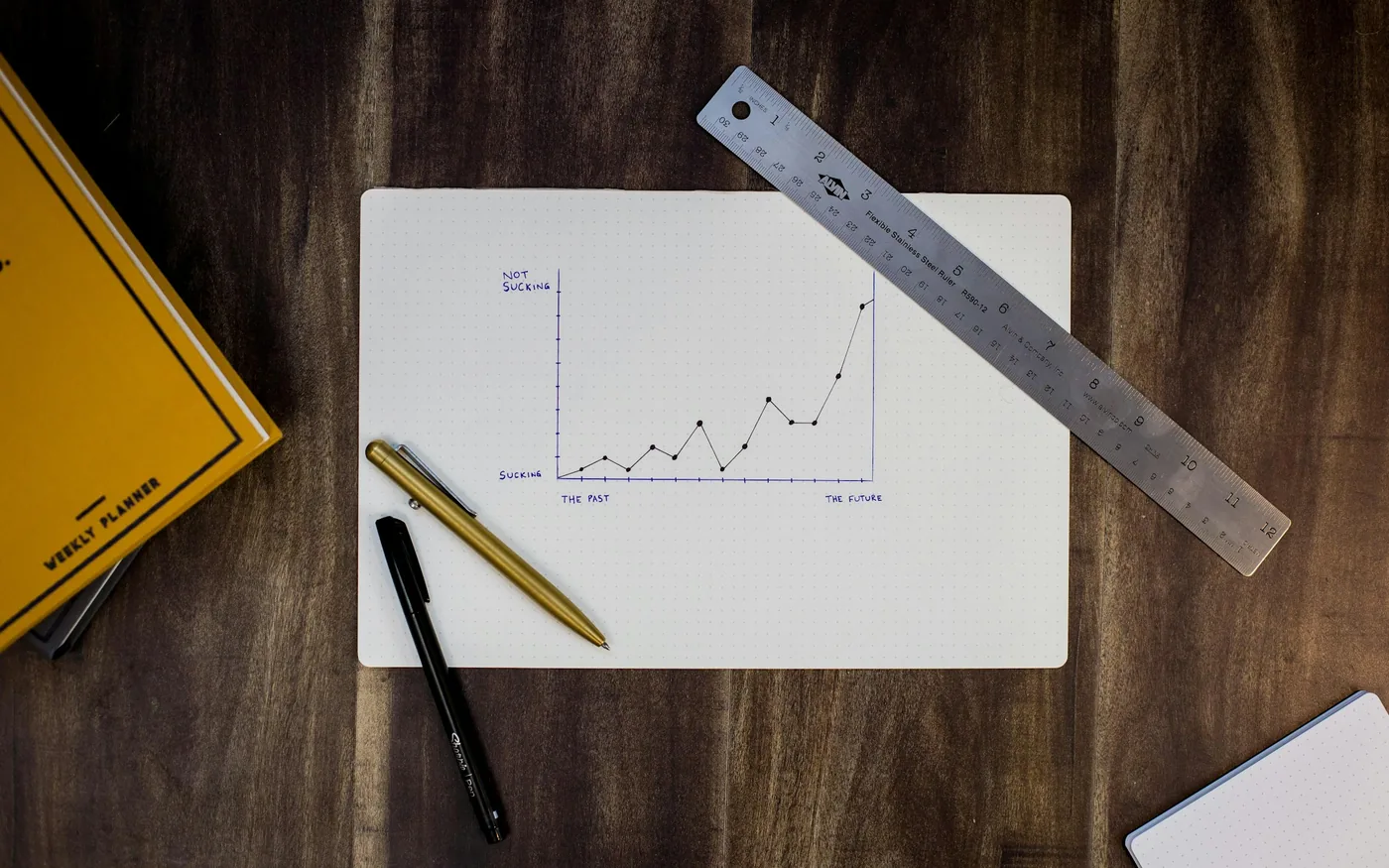
Keep a weekly tally from before you start: roughly how many flashes a day, how severe out of ten, and how many nights were disturbed. Six weeks of that either shows a trend or it does not.
When to speak to your doctor
Please see a clinician for any bleeding after menopause, for symptoms severe enough to affect your work or relationships, or before assuming that symptoms in your forties are perimenopausal — thyroid problems and anaemia produce a similar picture and are worth excluding.
Booking a session in Beverly
Acupuncture is $75 a session, listed with everything else on our published rates page, Tuesday, Wednesday and Friday 9am to 6pm and Saturday 8am to 2pm.
Read more about acupuncture at our Cabot Street practice, or get in touch to talk it through before booking. If you would rather start with something hands-on, therapeutic massage and reflexology are both options.
Frequently asked questions
Does acupuncture actually work for hot flashes?
It depends what you compare it with. Against no treatment, women receiving acupuncture consistently report fewer and less intense hot flashes. Against sham acupuncture, the difference largely disappears. That means a real effect is being felt, but a good part of it may not come from the specific needling.
Is it worth trying anyway?
That is a reasonable personal decision rather than a scientific one. It is low risk, and the symptom relief people report is real to them even if the mechanism is uncertain. It is most often considered by women who cannot use hormone therapy or would rather not.
Can acupuncture replace hormone therapy?
No. Hormone therapy remains the most effective treatment for vasomotor symptoms, and that decision belongs with your doctor. Acupuncture is a complementary option, most relevant when hormone therapy is unsuitable or unwanted.
How many sessions before I know?
Six weekly sessions is the usual block, with a symptom diary kept from before you start. Track frequency and severity weekly — menopausal symptoms fluctuate a lot on their own, and without a baseline you cannot separate treatment from natural variation.
What else helps?
Regular exercise, keeping the bedroom cool, layered breathable clothing, limiting alcohol and caffeine, and addressing sleep directly all have reasonable support. None are exciting, and all are worth doing alongside whatever else you choose.
This article is general information, not medical advice. Acupuncture is intended to work alongside the care of your doctor, not to replace it. Please speak to a clinician about any new, severe or changing symptom.