Fibromyalgia is the condition where we are most careful about what we say, for two reasons. People with it have usually been dismissed by somebody already, and they have usually also been sold something.
So this is a deliberately measured account.
What the evidence actually shows
The findings split in a way worth understanding rather than glossing.
| Comparison | Finding | What it means |
|---|---|---|
| vs no treatment or usual care | Improves pain — low-quality evidence | People do feel better than doing nothing |
| vs sham acupuncture | Reasonably good evidence of no advantage | The needling location may not be the active part |
| Function (2020 AHRQ review) | Small improvement vs sham | A modest genuine effect on daily function |
| Adverse effects | None attributed to acupuncture in the reviews | Low risk if you try it |
| Overall certainty | Low | Nothing here is settled |
The Arthritis Foundation publishes a plain overview of fibromyalgia and its management if you want a broader picture of the options.
What has better evidence
We would rather point you at these first, even though they are not things we sell.
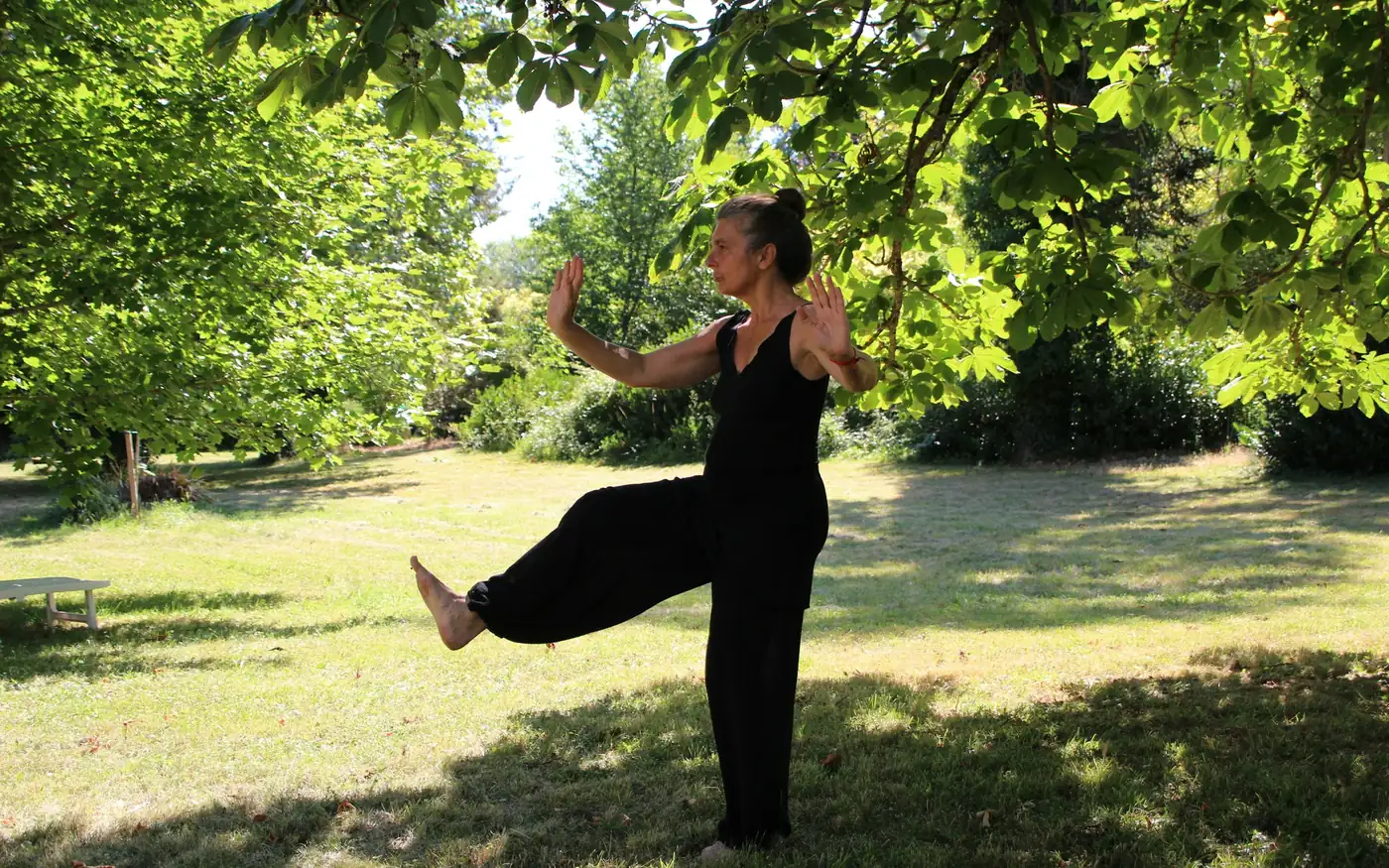
- Graded movement. Tai chi, qi gong and yoga have the most consistent support. Start far below what you think you can manage.
- Pacing. Working within your limits on good days rather than catching up. The boom-and-bust cycle is the single biggest driver of flares.
- Mindfulness-based approaches. Reasonable evidence, and useful for the distress that accompanies chronic pain.
- Sleep. Unrefreshing sleep is a core feature, not a side effect, and improving it improves everything else.
- Then adjuncts like acupuncture, for symptom relief alongside the above.
How treatment differs here
If you have fibromyalgia, a standard session is often too much. Heightened sensitivity to pressure and touch is part of the condition, and vigorous treatment reliably produces a flare.
- Fewer needles, placed more shallowly.
- Shorter sessions to begin with, building only if they are tolerated.
- Distal points — hands, feet, lower legs — rather than the most tender areas.
- No deep tissue work unless you specifically ask for it and know how you respond.
Say at the outset if previous treatment has flared you. That changes the plan rather than being a complication.
A realistic ranking of the options
Fibromyalgia attracts an enormous number of proposed treatments. This is roughly how the mainstream ones sit against each other.
| Approach | Evidence | Practical note |
|---|---|---|
| Graded movement | Best of anything on this list | Tai chi, qi gong, yoga; start absurdly small |
| Pacing and activity management | Good | Free, difficult, and the biggest lever most people have |
| Mindfulness-based approaches | Reasonable | Helps the distress as well as the pain |
| Sleep treatment | Reasonable | Often the most productive first target |
| Acupuncture | Low quality; no advantage over sham | Low risk; reasonable as an adjunct |
| Massage | Limited | Comfort value; keep the pressure light |
| Rest and avoidance | Counterproductive | Deconditioning makes everything worse over time |
We include acupuncture on that list in the position the evidence puts it, not higher. It is worth trying if the things above it are already in place and you want additional symptom relief.
Pacing matters more than any appointment
This is the intervention that changes most people’s weeks, and it is free.
The pattern most people fall into is doing everything on a good day and then losing three to a flare. Pacing means doing somewhat less than you could on the good day, so the next two stay usable. It is genuinely difficult and it works better than anything in a treatment room.

Why the sham finding is not a dismissal
“No better than sham” reads like a debunking, and it is worth unpacking, because it is not quite that.
Sham acupuncture is not nothing. It usually involves real needles at non-standard points, or blunt needles pressed against the skin, delivered by an attentive practitioner over a quiet half hour. It is an active comparison, not an empty one.
What the finding tells you is that the traditional point selection may not be doing the work. It does not tell you that people leave feeling the same as when they arrived, because against no treatment they do not.
Sleep is not a side issue
Unrefreshing sleep is one of the diagnostic features, and the relationship runs both ways: poor sleep amplifies pain, and pain disrupts sleep.
It is often the most productive thing to treat first, partly because progress is easier to measure. Our guide to acupuncture for sleep and insomnia sets out what the evidence supports there, including the parts it does not.
If the idea of a nervous system that has become more sensitive is new to you, it is worth reading in its own right — why pain persists after the injury has healed sets out the mechanism that sits underneath a good deal of this.
When to see a doctor
See your doctor if widespread pain is new and undiagnosed — thyroid disease, vitamin D deficiency, inflammatory arthritis and sleep apnoea can all produce a similar picture and are treatable. Also if you have joint swelling, fever, rash or unexplained weight loss, none of which belong to fibromyalgia.

Booking a session in Beverly
Acupuncture is $75 a session, published with everything else on our rates page. Say when you book that you have fibromyalgia so the first session can be planned gently.
Browse all our articles, or get in touch to talk it through first. If we do not think we can help, we will say so.
Frequently asked questions
Does acupuncture help fibromyalgia?
Modestly, and with an important caveat. Reviews find low-quality evidence that it improves pain compared with no treatment or usual care, and reasonably good evidence that it is no better than sham acupuncture. A 2020 review found a small improvement in function against sham. So: a real effect for many people, but the specific needling may not be what produces it.
What has better evidence?
Graded movement, particularly tai chi, qi gong and yoga, along with mindfulness-based approaches. These have more consistent support than acupuncture does, and they are things you can keep doing without an appointment.
Is fibromyalgia real?
Yes. It is a recognised condition involving changes in how the nervous system processes pain signals. Being told otherwise is unfortunately common and does real harm. Any practitioner who implies it is imaginary is not one to see.
Will treatment make me flare?
It can, if it is too vigorous. Sensitivity to touch and pressure is part of the condition, so treatment here is deliberately gentler — fewer needles, shallower, shorter sessions to start. Tell us if previous treatment has flared you.
How would I know if it is helping?
Pick two concrete things before you start: hours of useful activity in a day, and how you feel on waking. General “am I better” questions are unreliable in a condition that fluctuates this much.
This article is general information, not medical advice. Acupuncture is intended to work alongside the care of your doctor, not to replace it. Please speak to a clinician about any new, severe or changing symptom.