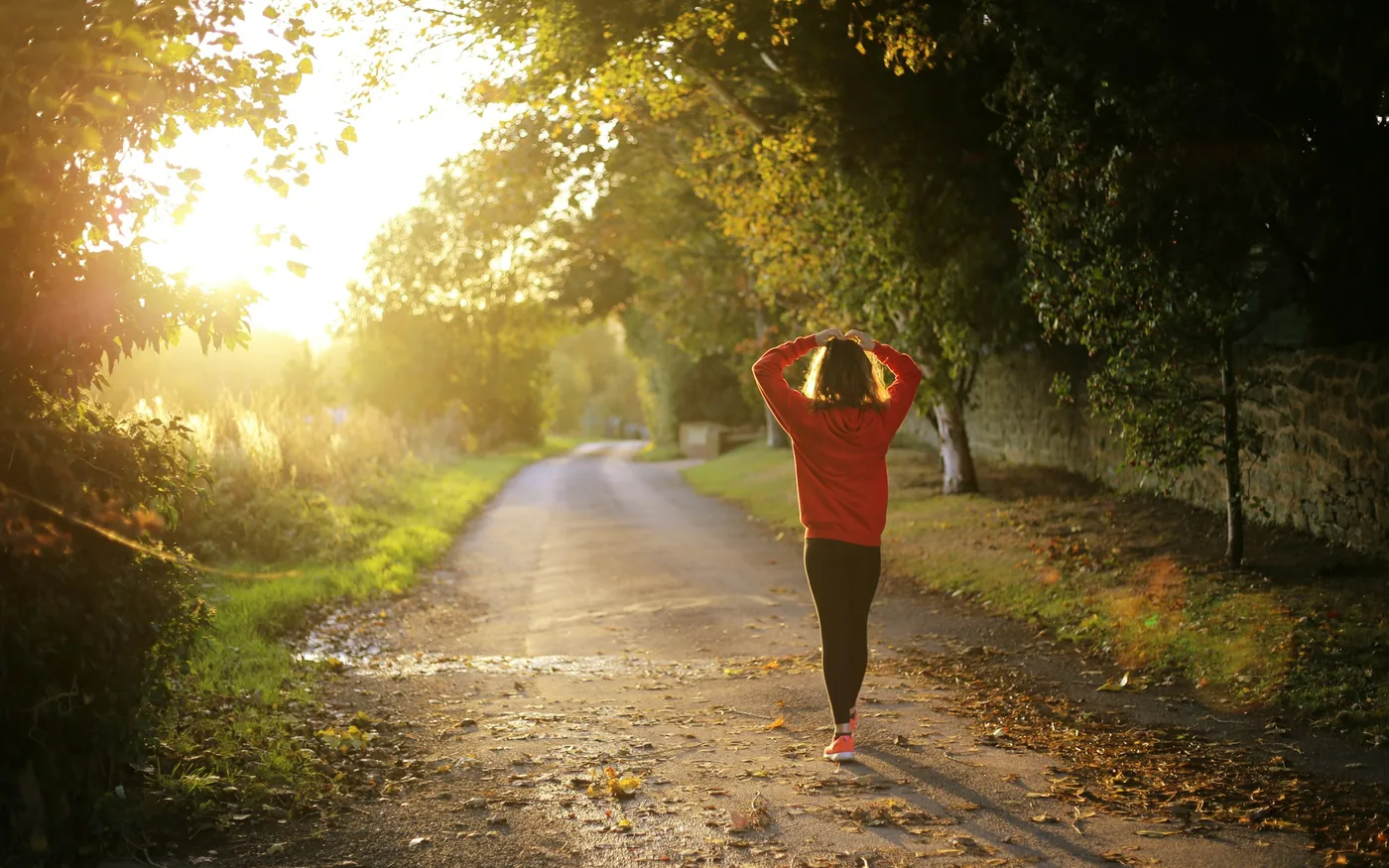
Recovery is the part of training most people under-plan and over-market to themselves. Massage has a genuine role in it, and a narrower one than the industry around it suggests.
Here is what the research actually found, which is useful precisely because it is not a blanket endorsement.

What massage does, and what it does not
A meta-analysis pooling 29 studies and just over a thousand participants found massage produced small but statistically real improvements in flexibility and in delayed onset muscle soreness.
The same analysis found no evidence that massage improves strength, jump performance, sprint performance, endurance or fatigue.
| Outcome | Effect of massage | Practical reading |
|---|---|---|
| Muscle soreness | Small but real improvement | The main reason to book |
| Flexibility | Small but real improvement | Useful alongside your own mobility work |
| Perceived recovery | Consistently reported | Feeling recovered has training value of its own |
| Strength | No evidence of benefit | Do not book expecting this |
| Sprint and jump | No evidence of benefit | As above |
| Endurance | No evidence of benefit | As above |
That is not a criticism. Being less sore means training again sooner and with better quality, and consistency is what actually produces adaptation. The American College of Sports Medicine publishes position stands on recovery and training load if you want to go deeper.
Worth saying plainly, because the industry around recovery is not always straight about it: feeling recovered and being recovered are different things, and massage is better evidenced for the first.
Timing it properly
When you book matters as much as whether you do.
| When | What suits | Why |
|---|---|---|
| Day after hard training | Moderate to deep work | Soreness is peaking; this is the best-supported window |
| Mid training block | 60 minutes, general | Keeps accumulated tightness in check |
| Week before competition | Lighter work only | Time to recover from the massage itself |
| 24 hours before racing | Avoid deep work entirely | Can leave legs feeling flat |
| Day after competition | Light flushing work | Comfort rather than repair |
| Off-season | 90 minutes, whole body | The right moment for long-standing restrictions |
Where acupuncture fits for active people
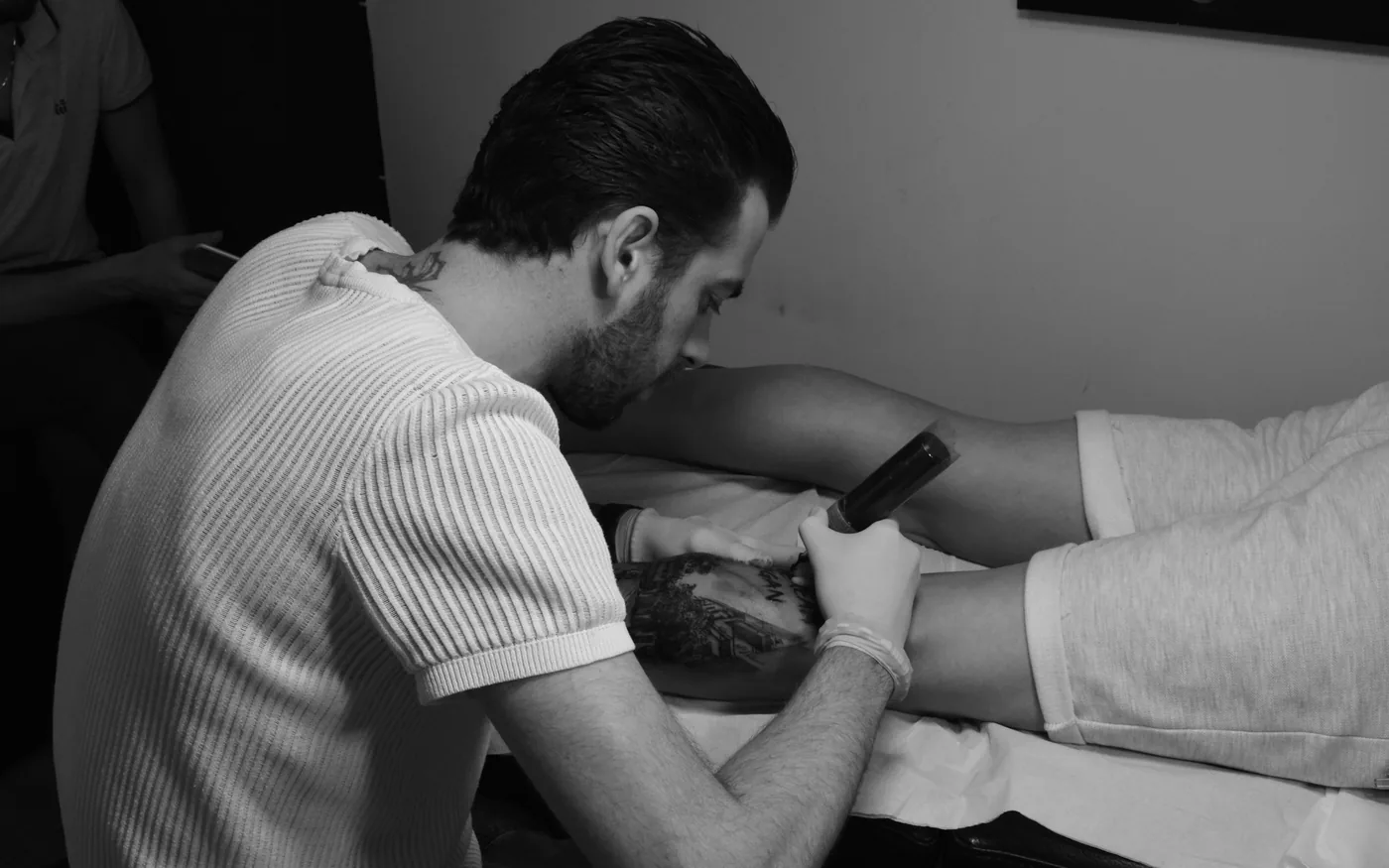
Massage is the obvious choice for general training load. Acupuncture tends to come in for something more specific: the niggle that has outlasted a rest week.
A persistent Achilles grumble, a hip that only complains at mile eight, a shoulder that has not been right since a heavy block — these are musculoskeletal pain problems rather than recovery problems, and the general pain evidence applies to them.
Being straight about this: there is very little sports-specific trial evidence for acupuncture. What exists is the wider literature on musculoskeletal pain, which is reasonable but was not gathered on athletes. Treat it as a sensible option rather than a proven one.
Load is usually the real problem
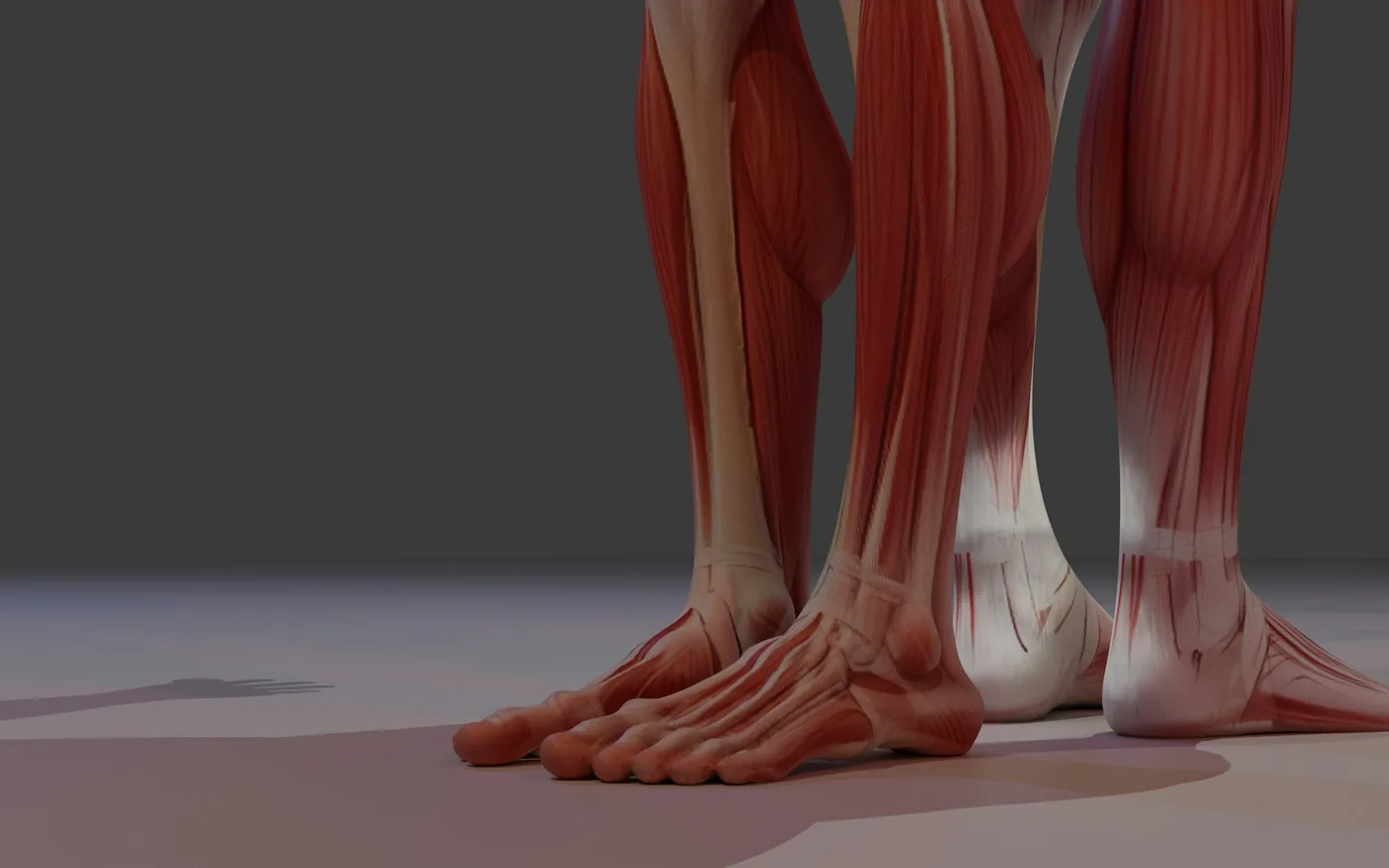
Most people who arrive asking about recovery have a planning problem rather than a recovery problem. Soreness that will not clear, performance that has stalled and sleep that has got worse usually point at training volume that climbed too fast.
No amount of massage compensates for a jump in weekly load that the body has not been given time to absorb.
Soreness or injury?
Worth being able to tell apart, because they need opposite responses.
- Soreness arrives 12 to 48 hours later, is spread across the muscle belly, affects both sides roughly equally, and eases as you warm up.
- Injury tends to arrive during or immediately after activity, localises to one spot you can point at, is often one-sided, and gets worse rather than better as you continue.
Sharp, localised, one-sided pain should be assessed rather than massaged.
What actually matters most for recovery
In order, and massage is not at the top.
- Sleep. Nothing else comes close. Seven to nine hours does more for recovery than every intervention below combined.
- Eating enough. Particularly protein and total calories. Under-fuelling is the most common cause of stalled recovery we hear about.
- Managing load. Most soreness problems are planning problems. Large jumps in volume produce large amounts of soreness.
- Easy movement. A gentle walk or spin the day after beats complete rest.
- Massage. Genuinely useful, and fifth.
Between appointments
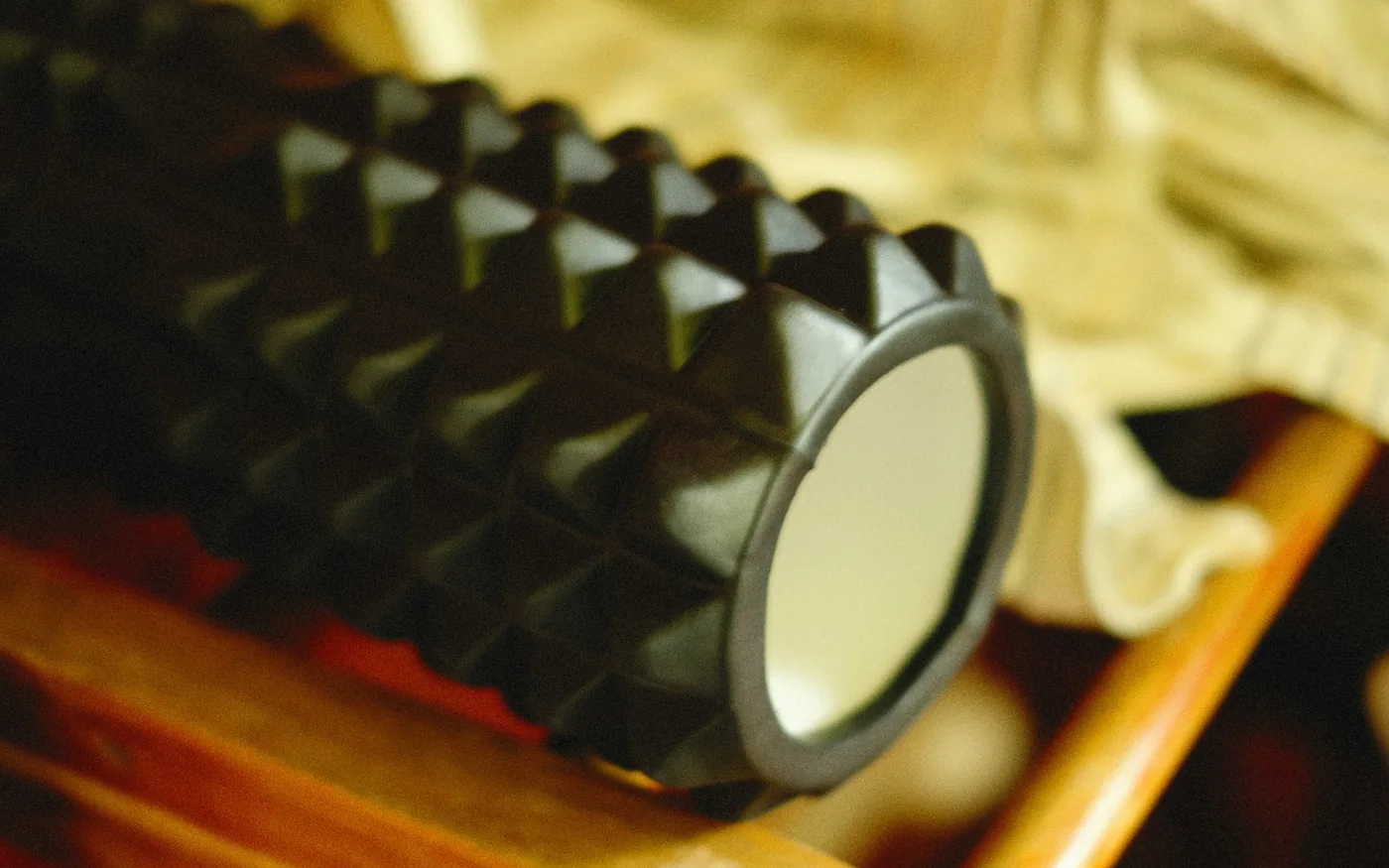
A foam roller reproduces some of the effect at a fraction of the cost, and the evidence for it is broadly similar to that for massage — useful for soreness and range of motion, not for performance. Five to ten minutes on the areas that took the load is enough.
Lynn is also a certified yoga instructor, so stretching and home mobility work are usually built into a session rather than left for you to research afterwards.
Booking a session in Beverly
Massage is $45 for 30 minutes, $75 for 60 and $105 for 90, with reflexology at $65 — all on our published rates page. Sessions run Monday, Tuesday, Wednesday and Friday from 7am to 3pm and Saturday 8am to noon, which suits training before or after work.
Read more about therapeutic massage at our Beverly practice, massage for neck and shoulder pain, or if this is your first time, what to expect from a first massage. Otherwise get in touch to book an appointment.
Frequently asked questions
Does massage improve athletic performance?
No, and the evidence on this is reasonably clear. A meta-analysis of 29 studies found small but real improvements in flexibility and soreness, and no evidence of improvement in strength, jumping, sprinting, endurance or fatigue. It helps you feel better, which is worth having, but it is not an ergogenic aid.
When should I book relative to training?
For soreness, within a day or two after the hard session. Avoid deep work in the 24 hours before a race or competition — it can leave you feeling flat. Light flushing work is fine at any point.
How long should the session be?
Thirty minutes for one specific area, sixty for legs and back after general training load, ninety if you want whole-body work. Longer sessions do appear to produce more benefit for soreness.
Is soreness the same as injury?
No. Delayed onset muscle soreness comes on 12 to 48 hours after unaccustomed work, affects the muscle belly generally and eases with gentle movement. Pain that is sharp, localised to one point, or present during the activity itself is a different matter and should be assessed.
Can acupuncture help with training niggles?
It is commonly used for the persistent musculoskeletal complaints that outlast a rest week. The evidence there comes from the general pain literature rather than from sports-specific trials, so treat it as a reasonable option rather than a proven one.
This article is general information, not medical advice. Acupuncture is intended to work alongside the care of your doctor, not to replace it. Please speak to a clinician about any new, severe or changing symptom.