146 Cabot Street, Beverly, MA 01915 978.524.4888 View Hours Get Directions

Tag: beverly ma

  • Does Acupuncture Hurt? What a First Session Is Really Like

    Does Acupuncture Hurt? What a First Session Is Really Like

    It is the first question almost everyone asks, and it deserves a straight answer rather than a reassuring one. Acupuncture is not usually painful — but “not usually painful” is not the same as “you will feel nothing”, and being told the latter tends to make people trust the rest less.

    Here is an honest description of what you will actually feel, from the practitioners who would be treating you.

    The needles are not what you are picturing

    Most people picture the needle used to take blood. That is a hollow tube with a cutting bevel, designed to carry fluid. An acupuncture needle is solid, flexible, and roughly the thickness of a human hair.

    Needle typeApproximate diameterWhat it is forTypical sensation
    Acupuncture needle0.16–0.30 mmSolid, inserted between tissueOften nothing; sometimes a brief tap
    Insulin needle0.23–0.33 mmHollow, delivers fluidA distinct sting
    Blood draw needle0.8–0.9 mmHollow, wide bore for flowA clear sharp scratch
    Sewing needle0.6–1.0 mmFor comparison onlyWould be very noticeable
    The difference in diameter is the reason acupuncture feels nothing like an injection.
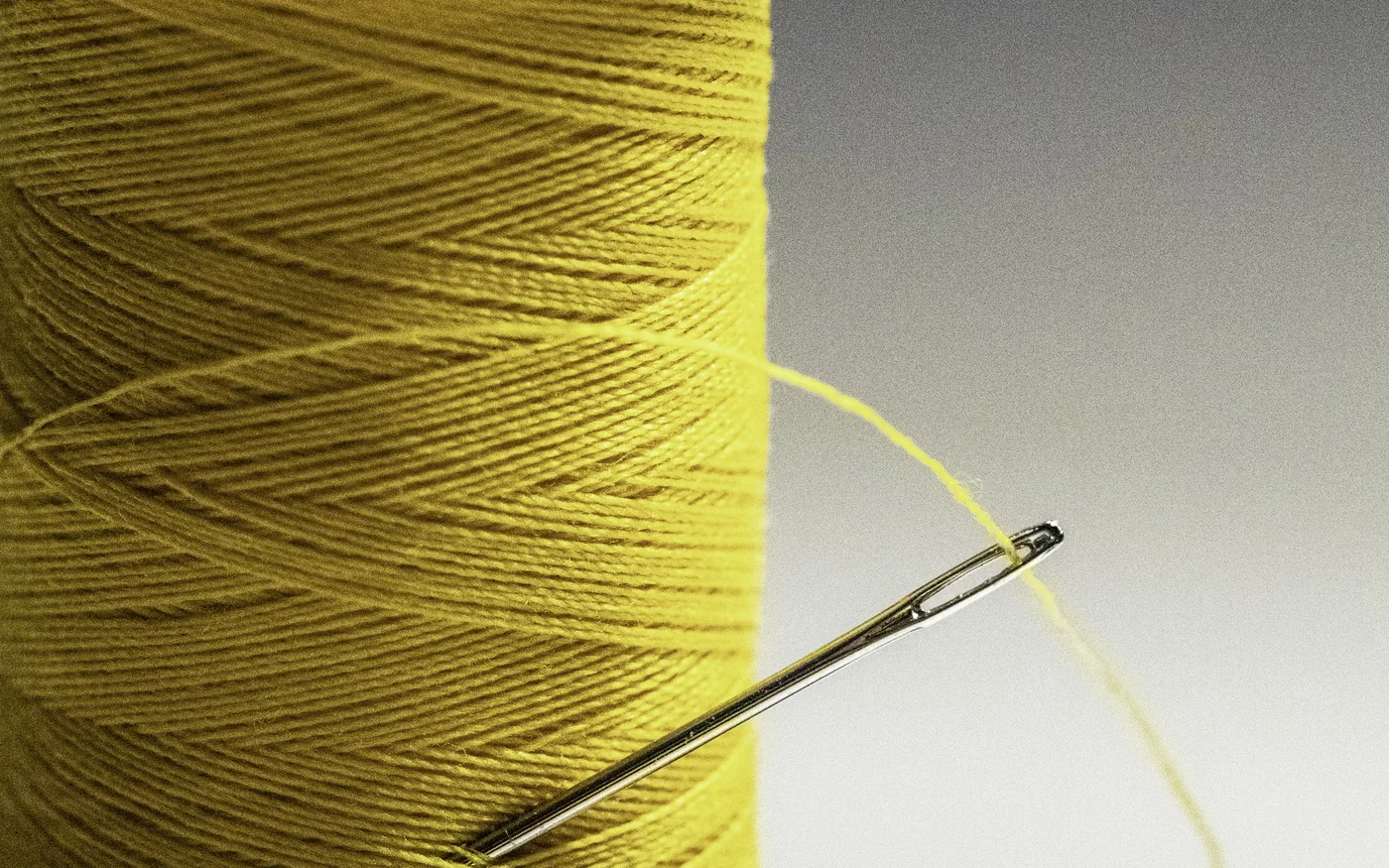
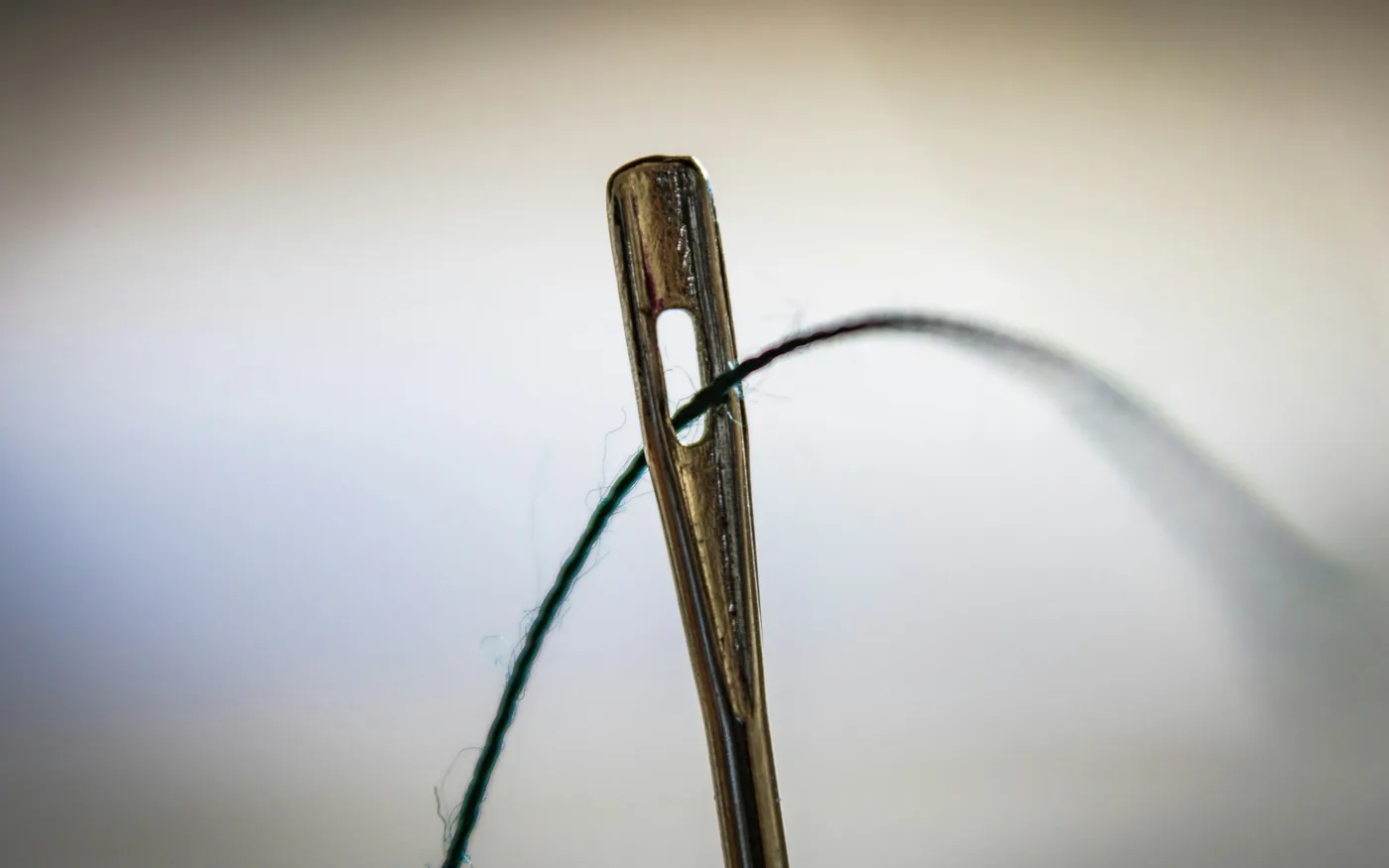
    A sewing needle shown for scale against the far finer acupuncture needle
    A household sewing needle is several times thicker than the needles used in treatment.

    What you will actually feel

    Sensation varies by point, by person, and by day. This is the realistic range.

    MomentWhat people commonly reportShould it hurt?
    InsertionNothing at all, or a brief tap like a fingernailNo — and it lasts under a second if felt
    Needle in placeHeaviness, warmth, dull ache, faint spreadingNo — tolerable, and it fades
    During the rest periodUsually nothing; often deep drowsinessNo
    WithdrawalAlmost always nothingNo
    AfterwardsOccasional mild ache at a point, tirednessMild only, and short-lived
    Sharp, electrical or lasting pain is not part of the treatment. Say so and the needle is adjusted or removed.

    That heavy, slightly aching feeling has a name in the tradition — de qi — and it is generally taken as a sign the point has been engaged. Some people find it oddly satisfying. Nobody should find it sharp.

    What happens at a first appointment

    The first visit is longer than the ones after it, and most of it is talking rather than needling.

    1. The conversation. Vanessa will take a full history — what brought you in, your general health, sleep, digestion, energy, medication, and what you are hoping for.
    2. Examination. This usually includes taking the pulse at both wrists and looking at the tongue, both traditional diagnostic methods.
    3. Getting comfortable. You will lie on a treatment table. Many points are on the arms and lower legs, so extensive undressing is often unnecessary.
    4. Needling. Somewhere between six and fifteen needles is typical, placed one at a time.
    5. Resting. The needles stay in for twenty to thirty minutes in a quiet room. Falling asleep is common and entirely fine.
    6. Afterwards. Needles are removed quickly and painlessly, and you get a moment to sit up slowly.

    A practitioner taking a health history before the first treatment
    Most of a first appointment is conversation, not treatment.

    How to prepare

    • Eat something light an hour or so before. Arriving hungry is the most common cause of light-headedness.
    • Wear loose clothing that moves above the elbow and knee.
    • Skip alcohol beforehand, and heavy exercise for a few hours afterwards.
    • Bring a list of your medications, particularly blood thinners.
    • Say if you are nervous. It genuinely changes how a first session is handled — fewer needles, more warning, shallower insertion.

    A patient resting under a blanket while the needles are retained
    The needles are retained while you rest, usually for twenty to thirty minutes.

    Safety, and who should take extra care

    Acupuncture performed by a trained, licensed practitioner has a good safety record. Serious adverse events are rare; the common ones are minor bruising, a spot of bleeding, or brief light-headedness. the Cleveland Clinic’s overview of acupuncture and its risks gives a good general summary.

    Tell your practitioner before treatment if you are pregnant, take anticoagulants, have a pacemaker or other implanted electrical device, have a bleeding disorder, or have a compromised immune system. None of these automatically rule treatment out, but each changes how it is delivered.

    Needles here are single-use, sterile and individually sealed, opened in front of you and disposed of straight into a sharps container.


    Single-use needles in sealed sterile packaging, opened in front of the patient
    Every needle is single-use, sealed, and opened in front of you.
    The welcome desk of a small clinic, where a first visit begins
    A first visit begins with a conversation at the desk, not a needle.

    If you are still hesitant

    Say so when you book. A first session can be deliberately conservative — a handful of needles in the least sensitive points, shallow insertion, and a stop the moment you want one. Nobody is going to talk you into more than you are comfortable with, and there is no advantage to pushing.

    It is also worth knowing that the point of the first appointment is as much the conversation as the treatment. If you decide partway through that it is not for you, that is a perfectly reasonable outcome.

    Booking a first session in Beverly

    A session is $75, with the full list on our published rates for acupuncture and massage in Beverly. Acupuncture runs Tuesday, Wednesday and Friday from 9am to 6pm and Saturday from 8am to 2pm, by appointment only.

    You can read more about what acupuncture treatment involves at our Cabot Street practice, or request a first appointment in Beverly, MA. If you have a particular complaint in mind, we have written in more depth about acupuncture for ongoing low back pain, acupuncture for anxiety and everyday stress, and acupuncture for migraines and tension headaches.


    Frequently asked questions

    Does acupuncture hurt?

    For most people, no. Acupuncture needles are roughly the thickness of a human hair and nothing like the hollow needles used for injections. Some points are felt more than others, and a brief sensation on insertion is normal, but sharp or lasting pain is not expected. Tell your practitioner if you feel it — the needle can be adjusted or removed.

    How thin is an acupuncture needle really?

    A typical acupuncture needle is around 0.16 to 0.30 mm across. A blood-draw needle is roughly 0.8 mm. You could fit several acupuncture needles inside the hollow of one hypodermic needle, which is why the two feel so different.

    What is the heavy or aching feeling around the needle?

    That sensation has a name — de qi — and it is generally considered a sign the point has been engaged properly. People describe it as heaviness, warmth, dull aching or a faint spreading feeling. It should be tolerable and it usually fades within seconds. It should not be sharp.

    Will I bleed or bruise?

    A small spot of blood on withdrawal happens occasionally and is not a problem. Minor bruising occurs in a small number of cases, more often in people taking blood thinners. Mention any anticoagulant medication before your first treatment.

    Should I eat before an acupuncture appointment?

    Yes — have something light an hour or so beforehand. Arriving very hungry makes light-headedness more likely. It is also worth avoiding alcohol beforehand and heavy exercise straight afterwards.

    Are the needles reused?

    Never. Needles are single-use, sterile and individually packaged, opened in front of you and disposed of in a sharps container immediately afterwards. Reuse is prohibited.

    This article is general information, not medical advice. Acupuncture is intended to work alongside the care of your doctor, not to replace it. Please speak to a clinician about any new, severe or changing symptom.

  • Acupuncture for Migraines and Tension Headaches: What to Expect

    Acupuncture for Migraines and Tension Headaches: What to Expect

    Of all the conditions people bring to an acupuncture clinic, migraine is the one where the evidence is strongest. That is not a marketing line — it reflects a fairly large body of randomised trials, and it is why acupuncture appears in migraine guidance that is otherwise conservative about complementary treatment.

    Here is what that evidence supports, and what a course of treatment at our Beverly practice actually involves.

    A person shielding their eyes from light during a migraine attack
    Light sensitivity during an attack is one of the features that distinguishes migraine from tension headache.

    What the evidence shows

    A systematic review covering 22 clinical trials and close to 5,000 people found that acupuncture reduced how often migraine attacks occurred, with an effect broadly similar to that seen with preventive medication. Acupuncture also outperformed sham acupuncture, which is the comparison that matters most.

    The American Migraine Foundation’s guidance on acupuncture and migraine concludes that a course of at least six sessions can be a worthwhile option for people willing to try it.

    One finding is worth flagging honestly: the advantage over preventive medication held at three months but not at six. Treatment tends to need topping up. Anyone promising a permanent cure is not describing the same research.

    Migraine or tension headache?

    These are treated somewhat differently, and a surprising number of people arrive unsure which they have. Many people have both.

    FeatureMigraineTension-type headache
    Pain qualityThrobbing or pulsingSteady pressure or tightness
    LocationOften one sideUsually both sides, band-like
    SeverityModerate to severeMild to moderate
    MovementMakes it worseUsually no effect
    Light and soundCommonly unbearableOccasionally mild sensitivity
    NauseaCommonRare
    Duration4 hours to 3 days30 minutes to several hours
    Warning signsAura or mood change may precedeUsually none
    A rough guide only — diagnosis should come from a clinician, and the two frequently overlap.

    Where neck and shoulder tension is clearly driving the headaches, treatment often combines acupuncture with therapeutic massage for the neck and shoulders, which tends to work better than either on its own.

    Neck and shoulder tension, a frequent driver of tension-type headache
    Neck and shoulder tension is a frequent driver of tension-type headache.

    What a course of treatment involves

    Migraine treatment is preventive, which means the schedule matters more than it does for a one-off ache.

    PhaseFrequencyPurpose
    Weeks 1–3WeeklyEstablishing a baseline effect
    Weeks 4–6WeeklyThe point at which frequency usually starts to shift
    Weeks 7–8Weekly or fortnightlyReviewing the diary and deciding whether to continue
    MaintenanceEvery 4–8 weeksHolding the reduction in attack frequency
    A typical migraine course. The review point at week six or eight is where the diary earns its keep.

    Needling for migraine commonly includes points on the head, neck and upper back, along with points on the hands and feet. If the idea of needles near the head is off-putting, it is worth reading about what acupuncture needles feel like in practice first.

    A headache diary kept to identify triggers and measure treatment progress
    A simple headache diary is the most reliable way to tell whether treatment is working.

    Keep a diary — it settles the question

    This is the single most useful thing you can do, and it takes about ten seconds a day. Record four things:

    1. The date of each attack
    2. Severity out of ten
    3. How many hours it lasted
    4. Anything notable in the preceding day — sleep, missed meals, alcohol, stress, weather, hormonal timing

    Start it two to four weeks before your first appointment if you can. Without a baseline, judging a treatment against memory is close to guesswork.

    Common triggers worth ruling out

    • Irregular sleep — including weekend lie-ins, which are a genuinely common trigger
    • Skipped meals and the blood sugar dip that follows
    • Dehydration, particularly alongside caffeine
    • Caffeine withdrawal as often as caffeine itself
    • Sustained neck posture — screens, driving, phones
    • Stress let-down — attacks that arrive on the first day off rather than during the busy week

    That last one surprises people. If your migraines reliably arrive at the weekend, the way sustained stress affects the body is likely part of the mechanism.

    A darkened, quiet room used for rest during a migraine attack
    A dark, quiet room remains the most reliable relief during an attack itself.

    What a course of treatment costs

    Because migraine treatment is preventive, it is priced by the session rather than as a package, and the review point matters more than the total. This is what a typical course comes to at our published rates.

    StageSessionsAt our published ratesWhat it buys you
    Initial block6 weekly$450Enough treatment to judge the result against your diary
    Extended block8 weekly$600Where attacks are frequent or long-standing
    MaintenanceEvery 4–8 weeks$75 per visitHolding a reduction in attack frequency
    Added massageAs needed$75 per 60 minutesWhere neck and shoulder tension drives the headaches
    Acupuncture is $75 a session. Six sessions is the point at which most reviews suggest judging the result.
    A glass of water, part of the routine changes that reduce migraine frequency
    Hydration and regular meals are among the most modifiable migraine triggers.

    When to see a doctor first

    Seek medical assessment before booking acupuncture if you experience a sudden severe headache unlike any before, headache with fever, a stiff neck, confusion or visual loss, headache after a head injury, or a clear change in your usual headache pattern. New headaches beginning after age 50 also warrant assessment first.

    Booking a session in Beverly

    Acupuncture is $75 a session, with everything listed on our rates page for acupuncture and massage. Appointments run Tuesday, Wednesday and Friday 9am to 6pm and Saturday 8am to 2pm.

    More on acupuncture treatment at our Beverly, MA clinic, the practitioners who would be treating you, or book an appointment on Cabot Street. Where headaches and low back tension travel together, our guide to acupuncture for ongoing low back pain covers the overlap.


    Frequently asked questions

    How many acupuncture sessions are needed for migraine?

    The evidence points to at least six sessions before judging the result, and most reviews base their conclusions on courses of six to ten treatments. Weekly appointments over six to eight weeks is the usual pattern, followed by less frequent maintenance if it has helped.

    Does acupuncture stop a migraine that has already started?

    It is used far more as a preventive treatment than as a rescue one. The evidence is for reducing how often attacks happen, not for aborting an attack in progress. During a severe attack most people want a dark, quiet room rather than an appointment.

    Is acupuncture as effective as migraine preventive medication?

    Some reviews have found the effect on headache frequency to be broadly comparable to preventive medication, with fewer side effects. The benefit does appear to fade over months without ongoing treatment, so it is better thought of as an alternative route to a similar place than as a permanent fix.

    Can I have acupuncture alongside my migraine medication?

    Yes. Acupuncture is regularly used alongside both preventive and acute migraine medication and does not interact with them. Do not adjust any prescription yourself — that is a conversation for your prescriber.

    How do I know whether it is working?

    Keep a simple headache diary from before you start: the date of each attack, roughly how severe, and how long it lasted. A meaningful result is usually a reduction in frequency of around half. Memory is unreliable here, and a diary makes the answer obvious either way.

    This article is general information, not medical advice. Acupuncture is intended to work alongside the care of your doctor, not to replace it. Please speak to a clinician about any new, severe or changing symptom.

  • Acupuncture for Anxiety and Stress: A Practitioner’s Honest Guide

    Acupuncture for Anxiety and Stress: A Practitioner’s Honest Guide

    Anxiety is now one of the most common reasons people book acupuncture, and it is the area where the gap between what is advertised and what is supported gets widest. So this is a deliberately measured account of where acupuncture genuinely helps with anxiety and stress, and where it does not.

    Hands resting during slow breathing, used to settle the nervous system
    Slow, settled breathing is often the first thing to change during a session.

    What the evidence supports

    The research base for acupuncture and anxiety has strengthened noticeably over the past few years. A 2025 systematic review and meta-analysis pooling 41 randomised controlled trials and more than 3,200 participants with generalised anxiety disorder found acupuncture was associated with greater reductions in anxiety symptoms than the control conditions it was tested against.

    An earlier review of 27 trials reached a similar conclusion, and noted that acupuncture produced fewer side effects than the medications it was compared with. You can read one of these systematic reviews of acupuncture for generalised anxiety disorder in full.

    The caveats are real, though. Trial quality varies, blinding is genuinely difficult with a physical intervention, and most studies follow people for weeks rather than years. The reasonable reading is that acupuncture is a promising complementary option with a good safety profile — not a replacement for established treatment.

    How acupuncture fits with everything else

    The most useful question is not whether acupuncture beats therapy or medication. It is where it fits alongside them.

    ApproachWhat it is best atEvidence strengthWorks well combined with
    AcupuncturePhysical tension, sleep, the bodily side of anxietyModerate and improvingTherapy, medication, exercise
    CBT and talking therapyThought patterns, avoidance, long-term relapse preventionStrongAcupuncture, medication
    SSRI medicationModerate to severe symptoms needing reliable controlStrongTherapy, acupuncture
    Regular exerciseBaseline mood and stress resilienceStrongEverything on this list
    Therapeutic massageHeld muscular tension, shoulders, jaw, neckModestAcupuncture
    Acupuncture is a complement to established anxiety treatment, not a substitute for it.

    In practice, the people who do best are usually already doing something else that works and are adding acupuncture to it.

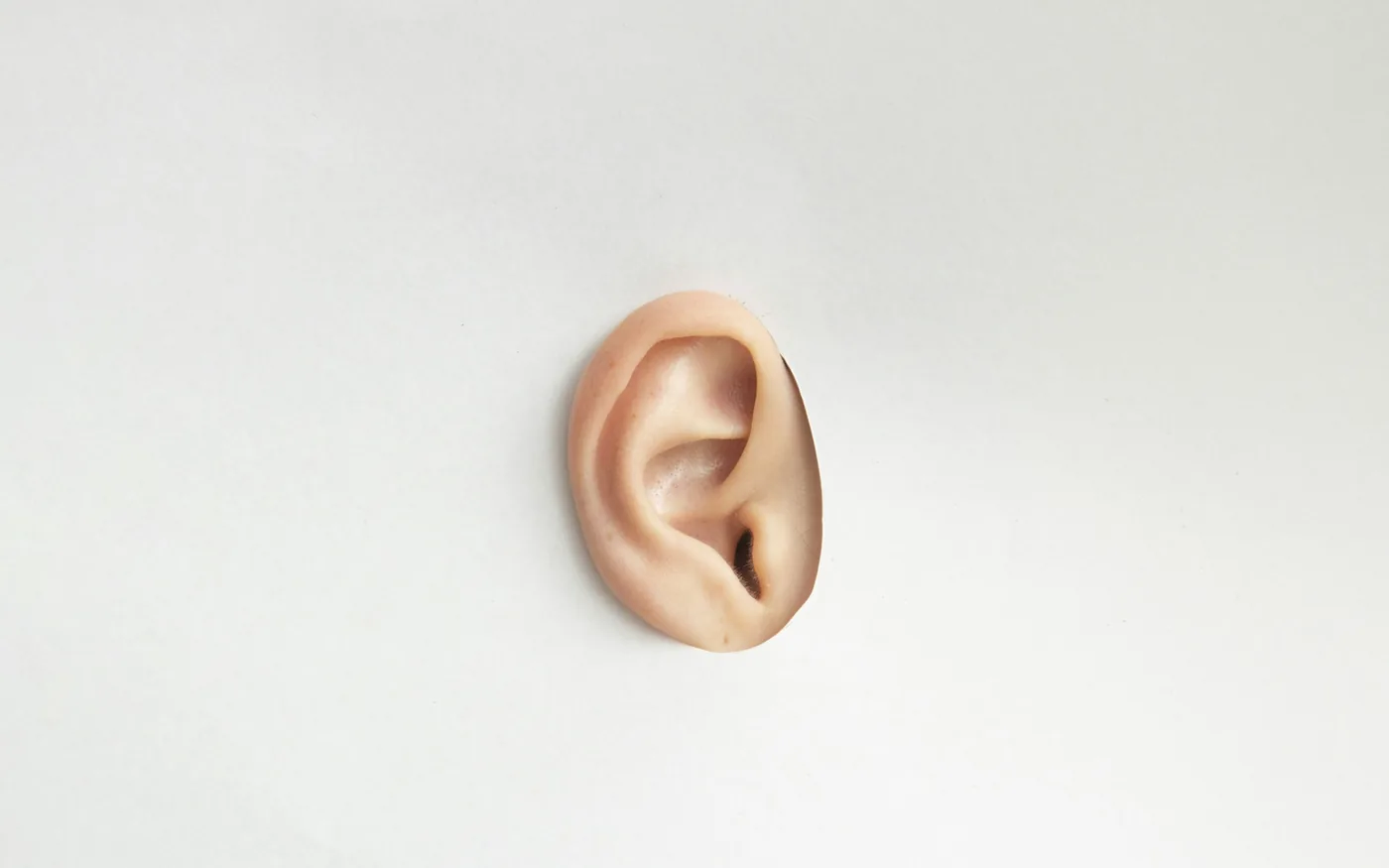
    Fine needles placed at auricular points on the outer ear
    Auricular points are frequently used in treatment for stress and anxiety.

    What tends to change, and in what order

    One thing worth setting expectations on: anxiety rarely improves in the order people expect. The racing thoughts are usually not the first thing to go.

    1. Sleep, first. Falling asleep faster, or waking less often, is the most commonly reported early change — sometimes after two or three sessions.
    2. Physical tension, second. Jaw, shoulders and chest tend to loosen before the mental picture shifts.
    3. Reactivity, third. People describe a slightly longer gap between something happening and their reaction to it.
    4. Baseline worry, last. The general hum of anxiety is usually the slowest to move and the most dependent on what else you are doing.

    That ordering is a useful diagnostic. If nothing at all has changed after six sessions, including sleep, acupuncture is probably not the right tool for you and we would rather say so.

    A quiet morning cup of tea by a window, part of a steadying daily routine
    Small, repeatable daily routines hold the benefit between appointments.

    What a session looks like

    Treatment for anxiety generally uses fewer needles than treatment for a musculoskeletal complaint, and points are often on the hands, feet, ears and scalp rather than anywhere that requires much undressing.

    Needles stay in for twenty to thirty minutes in a quiet room. Many people describe it as the most genuinely restful half hour of their week, which is itself part of the effect. If the idea of needles is the thing holding you back, our piece on what acupuncture needles actually feel like covers that honestly.

    What supports it between sessions

    • Extend the exhale. Breathing out for longer than you breathe in is one of the few reliably calming things you can do in thirty seconds.
    • Protect the hour before bed. Sleep is the earliest thing to improve and the easiest to undo.
    • Walk outdoors daily. Twenty minutes, ideally in daylight. The North Shore makes this easy for most of the year.
    • Watch caffeine after midday. A common and entirely reversible contributor to both anxiety and poor sleep.
    A softly lit bedroom, where improved sleep is often the first change people notice
    Better sleep is the change people most often report first.

    What a course of treatment usually costs

    Anxiety treatment is usually a course rather than a single visit, so the arithmetic is worth doing before you start rather than after. Every rate we charge is published, and there is nothing to buy up front.

    What you might bookSessionsAt our published ratesWhen it tends to suit
    A single trial session1$75You want to know how you find it before committing
    An initial course4 weekly$300The usual starting point, with a review at the end
    A full course6 weekly$450Longer-standing anxiety, or slower early progress
    MaintenanceMonthly$75 per visitHolding a gain once things have settled
    Acupuncture with massageAlternating weekly$75 / $75 per 60 minWhere physical tension is a large part of the picture
    Acupuncture is $75 a session. Massage is $45 for 30 minutes, $75 for 60 and $105 for 90.
    A wooded walking path on the North Shore, used alongside treatment for stress
    A daily walk outdoors supports the work done in the treatment room.

    When to speak to a doctor first

    Please seek medical or psychological support directly, rather than starting with acupuncture, if you are experiencing thoughts of harming yourself, if anxiety is stopping you working or leaving home, or if symptoms have appeared suddenly without an obvious cause. Sudden-onset anxiety occasionally has a physical driver that should be excluded.

    Booking a session in Beverly

    Sessions are $75, listed in full on our published rates for acupuncture in Beverly, MA. Acupuncture runs Tuesday, Wednesday and Friday from 9am to 6pm and Saturday from 8am to 2pm, by appointment only.

    You can read more about our approach to acupuncture on the North Shore, meet the practitioners at our Cabot Street practice, or get in touch to book an appointment. If tension headaches are part of your picture, our article on acupuncture for migraines and tension headaches may also help.


    Frequently asked questions

    Can acupuncture replace therapy or anxiety medication?

    No, and it should not be presented that way. Acupuncture is best used alongside talking therapy, medication, or both. Never stop or reduce a prescribed medication because you have started acupuncture — that decision belongs with the person who prescribed it.

    What does acupuncture for anxiety actually feel like?

    Most people describe a heavy, settled feeling that arrives about ten minutes in and stays for the rest of the session. It is common to become drowsy or fall asleep. A number of people find it is the first time in weeks they have been still without reaching for a phone.

    How many sessions before anxiety improves?

    Weekly sessions for four to six weeks is the usual starting point. Sleep is often the first thing to shift, sometimes within two or three visits, and daytime anxiety tends to follow. Improvements generally accumulate rather than arriving all at once.

    Is acupuncture safe if I am already taking an SSRI?

    Acupuncture does not interact pharmacologically with antidepressants, and the two are commonly used together. Tell your acupuncturist what you take so that treatment can be planned around it, including any side effects such as disturbed sleep.

    Does acupuncture help panic attacks specifically?

    The research is largely on generalised anxiety rather than panic disorder, so the evidence is thinner for panic specifically. Some people find regular treatment reduces overall baseline tension, which makes attacks less frequent. For panic disorder, evidence-based psychological treatment should be the foundation.

    This article is general information, not medical advice. Acupuncture is intended to work alongside the care of your doctor, not to replace it. Please speak to a clinician about any new, severe or changing symptom.

  • Acupuncture for Back Pain: What the Evidence Shows and What to Expect

    Acupuncture for Back Pain: What the Evidence Shows and What to Expect

    Low back pain is the most common reason anyone walks through our door on Cabot Street, and it is also the condition acupuncture has been studied for most heavily. That combination lets you make an informed decision rather than a hopeful one.

    A person resting a hand against their lower back where the pain sits
    Low back pain is the most common reason people book their first acupuncture session.

    What the research actually says

    The evidence for acupuncture and back pain is real but it is not spectacular, and anyone telling you otherwise is overselling. The National Center for Complementary and Integrative Health describes the evidence as low to moderate quality for chronic low back pain, and weaker for sudden, acute episodes.

    In practice: across many trials, people receiving acupuncture report modest but real improvements in pain and mobility, particularly against no treatment at all. The benefit shows in the short term, and occasional ongoing treatment is usually needed to hold it. You can read the summary from the NIH’s review of acupuncture effectiveness and safety.

    So: a reasonable option, particularly for people who would rather not lean on pain medication or who have not got far with other approaches. Not a cure, and not the obvious first choice for everyone.

    How acupuncture compares with other common approaches

    Most people arriving with back pain have already tried something else. Here is roughly how the options sit next to each other — and the best results usually come from combining two of them rather than picking one.

    ApproachBest suited toTypical time to noticeMain drawback
    AcupunctureChronic low back pain, muscular and postural pain, people avoiding medication2–4 sessionsNeeds a course of visits; benefit may fade without occasional top-ups
    Therapeutic massageMuscular tightness, stress-related holding patternsOften the same dayRelief can be shorter-lived on its own
    PhysiotherapyWeakness, post-injury recovery, movement retraining3–6 weeksRequires consistent home exercise to hold gains
    Chiropractic careJoint restriction and alignment complaints1–3 sessionsLess suited to diffuse muscular or stress-driven pain
    Pain medicationAcute flare-ups and short-term controlHoursSide effects; addresses symptoms rather than contributors
    How acupuncture sits alongside the other options people commonly try for low back pain.

    At this practice the pairing we see work most often is acupuncture with therapeutic massage for the muscular tightness that builds up around a painful back, usually on alternating weeks.

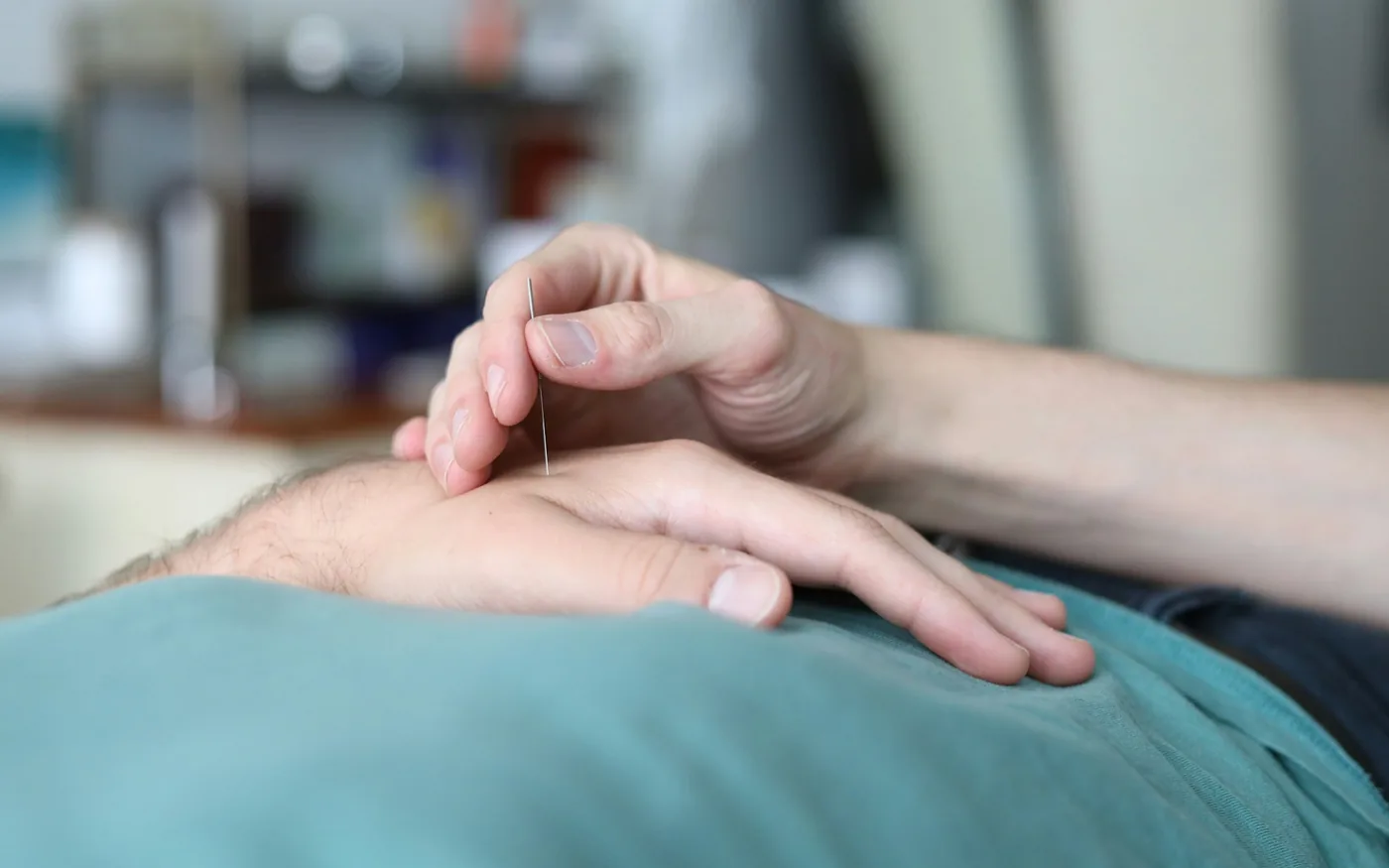
    Close view of a single sterile acupuncture needle, finer than a sewing needle
    The needles used are far finer than the ones most people picture.

    What a back pain session involves here

    The first visit

    The first appointment is longer than the ones that follow, because most of it is conversation. Vanessa will ask when the pain started, what makes it worse, how you sleep, what your working day physically involves, and what has already been tried.

    That history matters. Back pain that flares after a long drive is treated differently from back pain that is worst on waking, even when both get described as “lower back pain”.

    The treatment itself

    Needles are usually placed in the low back and gluteal muscles, and often in points on the leg or hand well away from the painful area. They stay in for roughly twenty to thirty minutes while you rest. Most people find this part unexpectedly restful, and a fair number fall asleep.

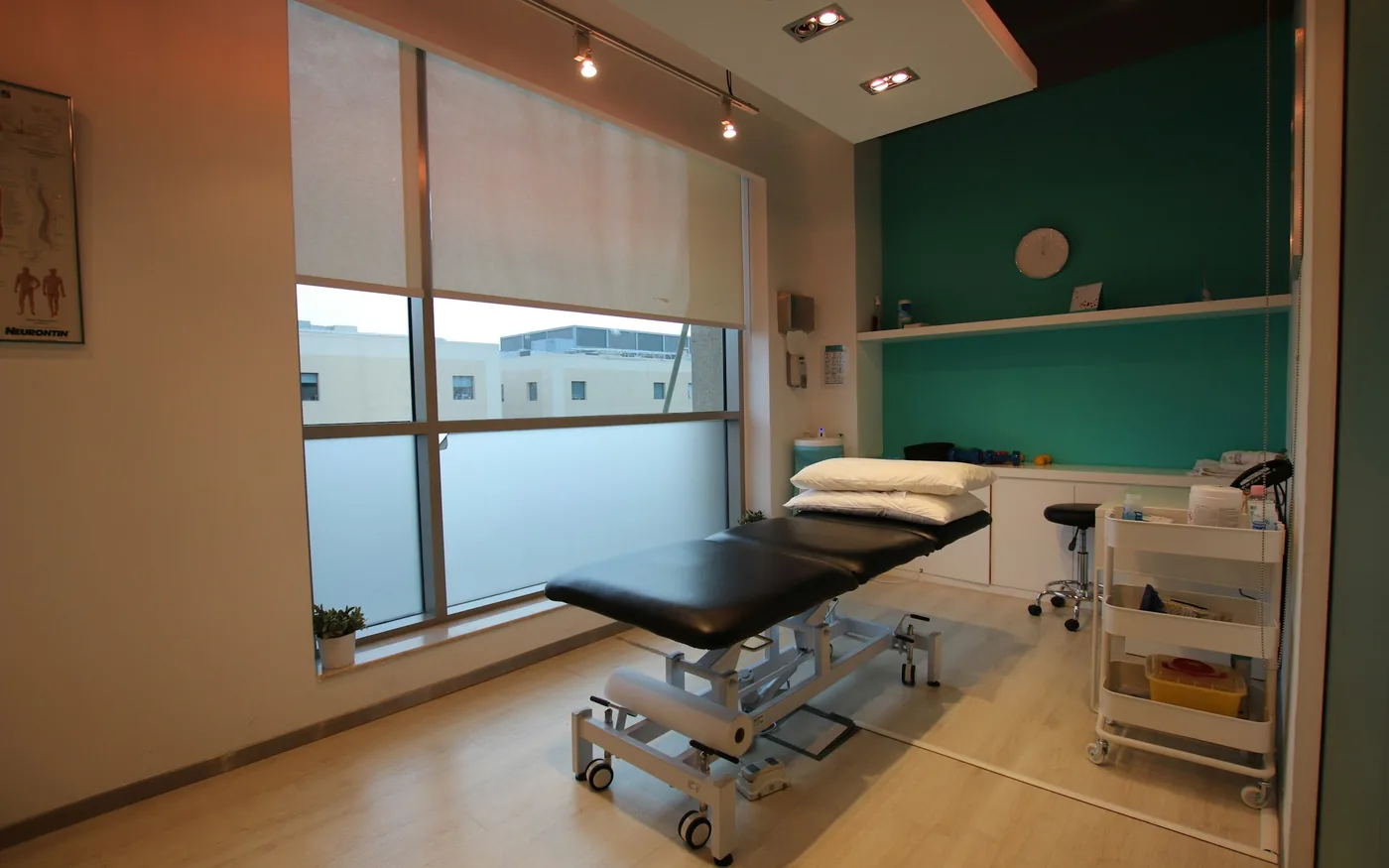
    A quiet treatment room with a made-up table, ready for a session
    Sessions are unhurried, and you see the same practitioner each visit.

    If you are apprehensive about the needles themselves, that is worth reading about separately — we have written in detail about what an acupuncture needle actually feels like going in.

    How many sessions, and how to tell if it is working

    An open-ended course of treatment is a bad deal for you. A defined block with a review point is a much better one.

    StageTypical scheduleWhat you are looking for
    Sessions 1–2WeeklyAny change at all — looser mornings, better sleep, a shorter flare after activity
    Sessions 3–4WeeklyPain that is less intense, less frequent, or recovers faster
    Session 5–6Weekly or fortnightlyA clear enough pattern to decide whether to continue
    Beyond sixMonthly or as neededHolding the gain rather than chasing more of it
    A six-session block with an honest review is more useful than an open-ended commitment.

    If six sessions have produced nothing, we will say so. Continuing to book someone who is not improving is not good practice, and a referral back to your doctor serves you better.

    Gentle floor stretching of the kind used between acupuncture sessions
    Gentle daily movement between sessions holds the benefit better than rest alone.

    What helps between sessions

    The work between appointments matters as much as the appointments. Nothing here is exotic, and all of it is free.

    • Keep moving. Prolonged bed rest makes most low back pain worse, not better. Short, frequent walks beat one long one.
    • Break up sitting. Stand up every forty minutes or so. Setting a timer is less annoying than the flare-up it prevents.
    • Warmth over ice for persistent muscular back pain, unless there has been a recent acute injury.
    • Sleep position. A pillow between the knees when side-lying, or under the knees when on your back, takes load off the lumbar spine.
    • Note what preceded a flare. Patterns are much easier to spot on paper than from memory.
    Seated desk posture, one of the common contributors to ongoing low back strain
    Long stretches of unbroken sitting are one of the most common contributors we see.

    When acupuncture is not the right first step

    Some back pain needs a doctor before it needs a needle. Please seek medical assessment first if any of the following apply:

    • New weakness or numbness in a leg or foot
    • Any change in bladder or bowel control
    • Back pain following a significant fall or accident
    • Unexplained weight loss, fever, or night pain that wakes you
    • A history of cancer, osteoporosis, or long-term steroid use

    None of these rule acupuncture out permanently — they mean something else should be excluded first. Acupuncture works alongside your medical care, not instead of it.

    Booking a session in Beverly

    Acupuncture is $75 a session, and the full price list including massage and reflexology is published on our rates page for acupuncture and massage in Beverly — there are no packages to buy up front and nothing is added at the end.

    Acupuncture appointments run Tuesday, Wednesday and Friday from 9am to 6pm, and Saturday from 8am to 2pm, by appointment only. You can see the full picture of how we approach acupuncture treatment at our Beverly clinic, read about the practitioners you would actually be seeing, or request an appointment at 146 Cabot Street.

    If stress and muscular tension are part of the picture — and with long-standing back pain they usually are — you may also find our piece on using acupuncture for anxiety and everyday stress worth reading.


    Frequently asked questions

    How many acupuncture sessions does back pain usually take?

    Most people are advised to commit to a short course rather than a single visit. Six sessions over four to six weeks is a common starting point, with a review at the halfway mark. If nothing has shifted by the sixth session, that is useful information, and it is a reasonable point to stop and reconsider rather than keep going.

    Does acupuncture help sciatica as well as general back pain?

    Sciatic-type pain that radiates down the leg is common in practice, and treatment usually addresses the low back, hip and gluteal muscles together rather than the leg alone. Radiating pain with new weakness, numbness or any change in bladder or bowel control needs medical assessment first, not acupuncture.

    Can I have acupuncture while taking pain medication?

    Yes. Acupuncture is used alongside medication, physiotherapy and chiropractic care rather than in place of them. Tell your acupuncturist what you are taking, and do not change or stop a prescription without speaking to whoever prescribed it.

    Is acupuncture for back pain covered by insurance in Massachusetts?

    Some Massachusetts plans include acupuncture benefits and many do not, and coverage varies by employer as well as by insurer. Check your specific plan before booking. Our rates are listed in full on the rates page so you can work out the cost either way.

    How soon after a session might I notice a difference?

    Some people feel looser the same afternoon, others notice nothing until after the second or third visit. A mild ache or tiredness for a few hours afterwards is common and settles on its own. Sharp or worsening pain after a session is not expected and is worth a call.

    This article is general information, not medical advice. Acupuncture is intended to work alongside the care of your doctor, not to replace it. Please speak to a clinician about any new, severe or changing symptom.