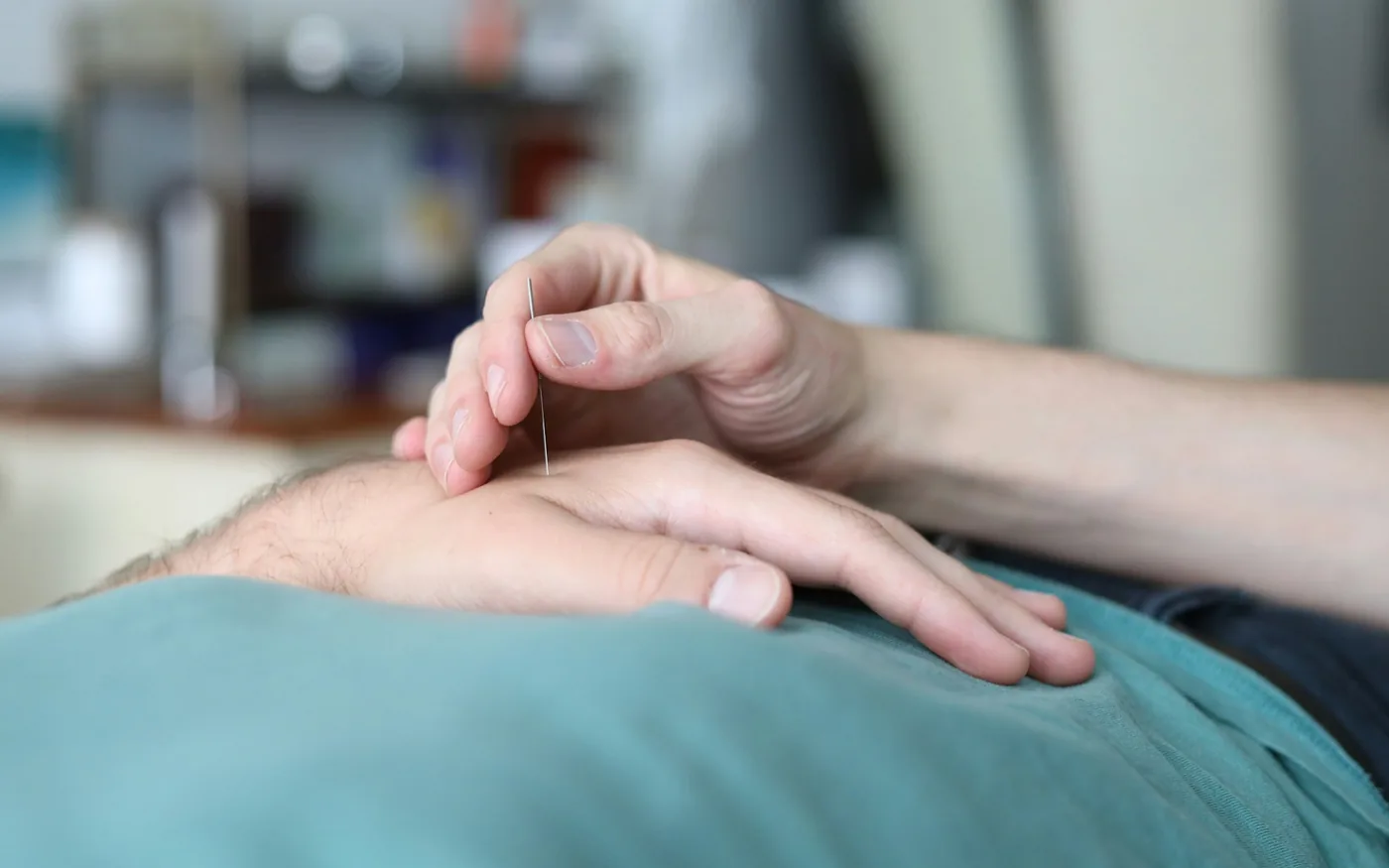
Low back pain is the most common reason anyone walks through our door on Cabot Street, and it is also the condition acupuncture has been studied for most heavily. That combination lets you make an informed decision rather than a hopeful one.

What the research actually says
The evidence for acupuncture and back pain is real but it is not spectacular, and anyone telling you otherwise is overselling. The National Center for Complementary and Integrative Health describes the evidence as low to moderate quality for chronic low back pain, and weaker for sudden, acute episodes.
In practice: across many trials, people receiving acupuncture report modest but real improvements in pain and mobility, particularly against no treatment at all. The benefit shows in the short term, and occasional ongoing treatment is usually needed to hold it. You can read the summary from the NIH’s review of acupuncture effectiveness and safety.
So: a reasonable option, particularly for people who would rather not lean on pain medication or who have not got far with other approaches. Not a cure, and not the obvious first choice for everyone.
How acupuncture compares with other common approaches
Most people arriving with back pain have already tried something else. Here is roughly how the options sit next to each other — and the best results usually come from combining two of them rather than picking one.
| Approach | Best suited to | Typical time to notice | Main drawback |
|---|---|---|---|
| Acupuncture | Chronic low back pain, muscular and postural pain, people avoiding medication | 2–4 sessions | Needs a course of visits; benefit may fade without occasional top-ups |
| Therapeutic massage | Muscular tightness, stress-related holding patterns | Often the same day | Relief can be shorter-lived on its own |
| Physiotherapy | Weakness, post-injury recovery, movement retraining | 3–6 weeks | Requires consistent home exercise to hold gains |
| Chiropractic care | Joint restriction and alignment complaints | 1–3 sessions | Less suited to diffuse muscular or stress-driven pain |
| Pain medication | Acute flare-ups and short-term control | Hours | Side effects; addresses symptoms rather than contributors |
At this practice the pairing we see work most often is acupuncture with therapeutic massage for the muscular tightness that builds up around a painful back, usually on alternating weeks.
What a back pain session involves here
The first visit
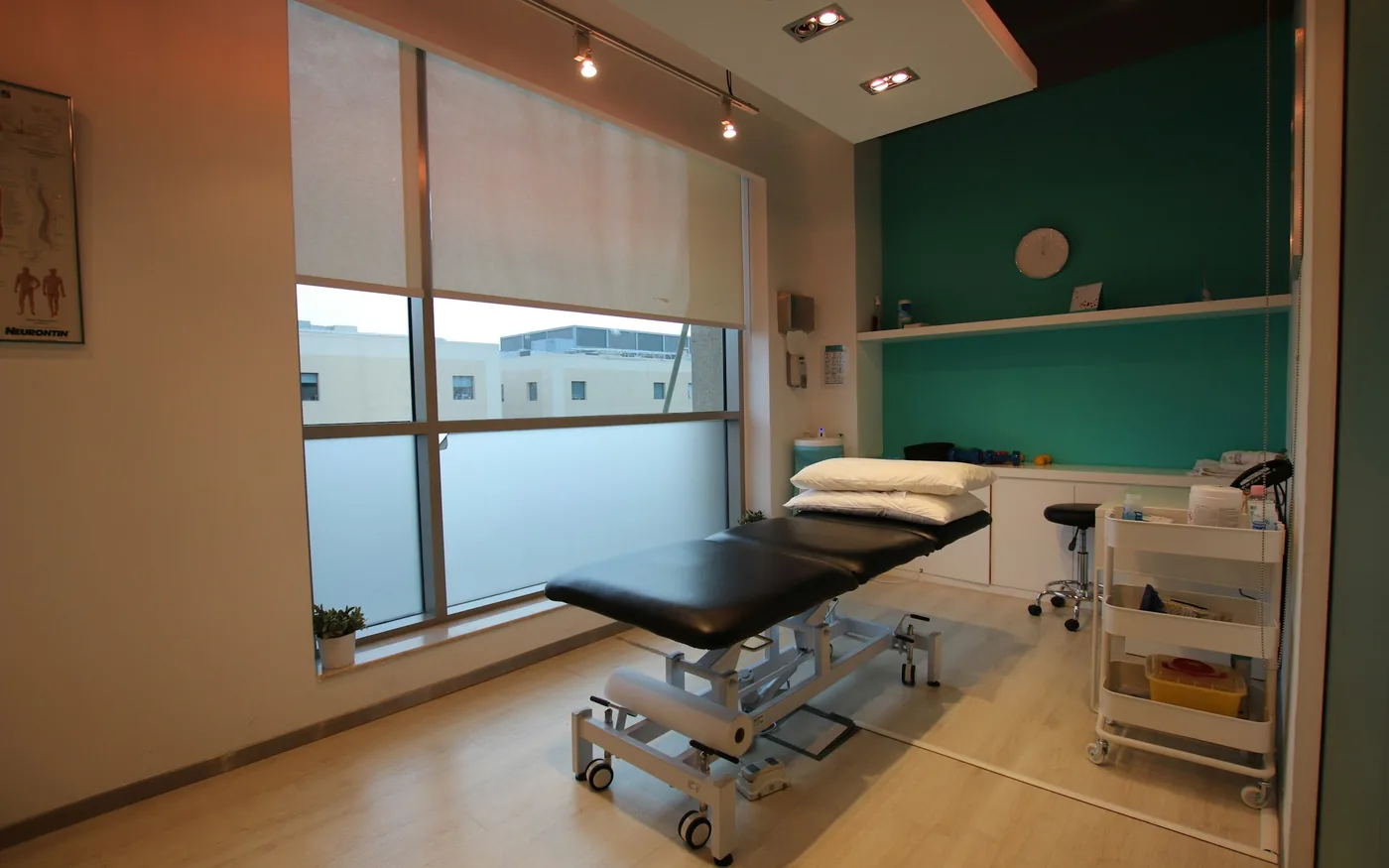
The first appointment is longer than the ones that follow, because most of it is conversation. Vanessa will ask when the pain started, what makes it worse, how you sleep, what your working day physically involves, and what has already been tried.
That history matters. Back pain that flares after a long drive is treated differently from back pain that is worst on waking, even when both get described as “lower back pain”.
The treatment itself
Needles are usually placed in the low back and gluteal muscles, and often in points on the leg or hand well away from the painful area. They stay in for roughly twenty to thirty minutes while you rest. Most people find this part unexpectedly restful, and a fair number fall asleep.
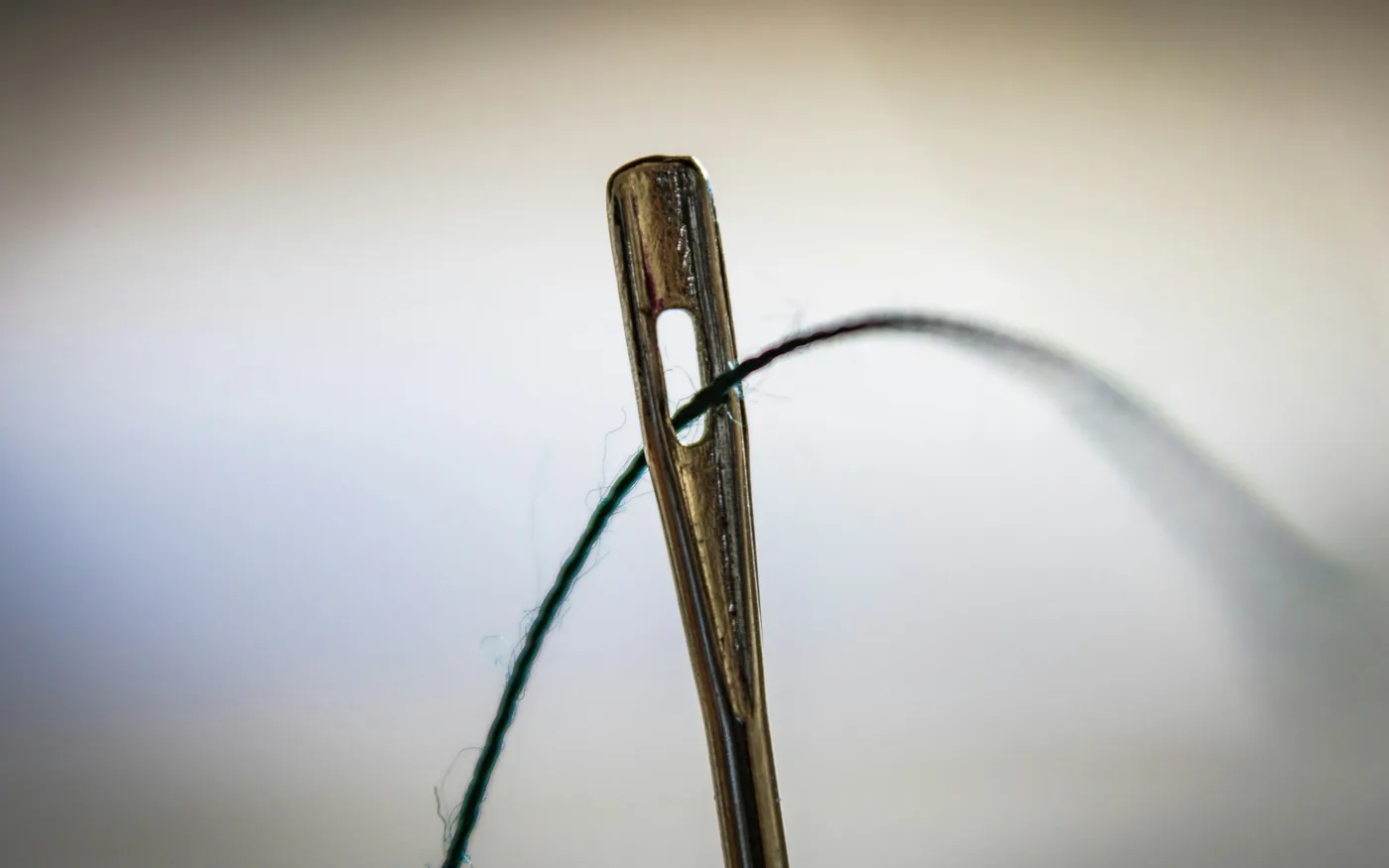
If you are apprehensive about the needles themselves, that is worth reading about separately — we have written in detail about what an acupuncture needle actually feels like going in.
How many sessions, and how to tell if it is working
An open-ended course of treatment is a bad deal for you. A defined block with a review point is a much better one.
| Stage | Typical schedule | What you are looking for |
|---|---|---|
| Sessions 1–2 | Weekly | Any change at all — looser mornings, better sleep, a shorter flare after activity |
| Sessions 3–4 | Weekly | Pain that is less intense, less frequent, or recovers faster |
| Session 5–6 | Weekly or fortnightly | A clear enough pattern to decide whether to continue |
| Beyond six | Monthly or as needed | Holding the gain rather than chasing more of it |
If six sessions have produced nothing, we will say so. Continuing to book someone who is not improving is not good practice, and a referral back to your doctor serves you better.
What helps between sessions
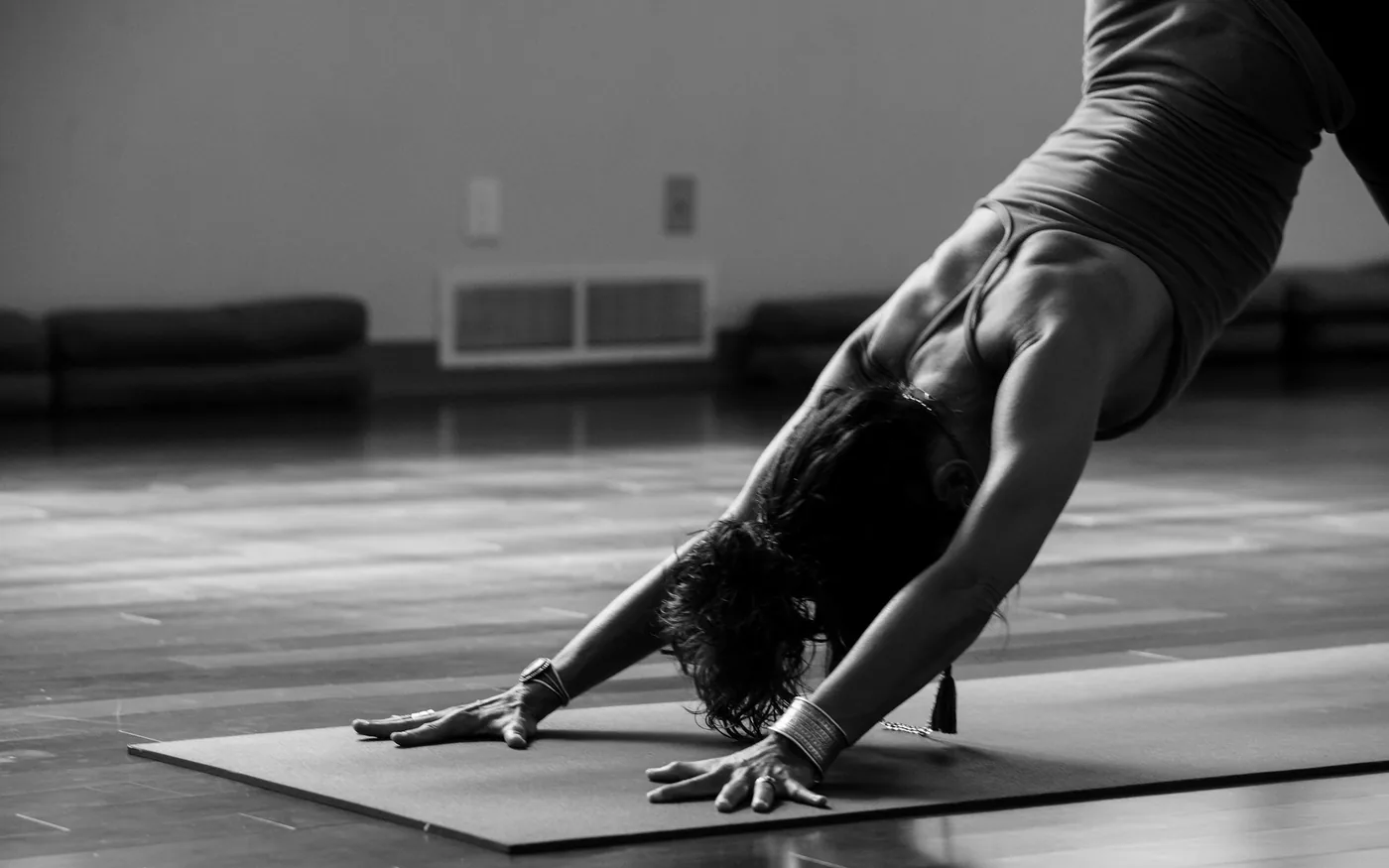
The work between appointments matters as much as the appointments. Nothing here is exotic, and all of it is free.
- Keep moving. Prolonged bed rest makes most low back pain worse, not better. Short, frequent walks beat one long one.
- Break up sitting. Stand up every forty minutes or so. Setting a timer is less annoying than the flare-up it prevents.
- Warmth over ice for persistent muscular back pain, unless there has been a recent acute injury.
- Sleep position. A pillow between the knees when side-lying, or under the knees when on your back, takes load off the lumbar spine.
- Note what preceded a flare. Patterns are much easier to spot on paper than from memory.

When acupuncture is not the right first step
Some back pain needs a doctor before it needs a needle. Please seek medical assessment first if any of the following apply:
- New weakness or numbness in a leg or foot
- Any change in bladder or bowel control
- Back pain following a significant fall or accident
- Unexplained weight loss, fever, or night pain that wakes you
- A history of cancer, osteoporosis, or long-term steroid use
None of these rule acupuncture out permanently — they mean something else should be excluded first. Acupuncture works alongside your medical care, not instead of it.
Booking a session in Beverly
Acupuncture is $75 a session, and the full price list including massage and reflexology is published on our rates page for acupuncture and massage in Beverly — there are no packages to buy up front and nothing is added at the end.
Acupuncture appointments run Tuesday, Wednesday and Friday from 9am to 6pm, and Saturday from 8am to 2pm, by appointment only. You can see the full picture of how we approach acupuncture treatment at our Beverly clinic, read about the practitioners you would actually be seeing, or request an appointment at 146 Cabot Street.
If stress and muscular tension are part of the picture — and with long-standing back pain they usually are — you may also find our piece on using acupuncture for anxiety and everyday stress worth reading.
Frequently asked questions
How many acupuncture sessions does back pain usually take?
Most people are advised to commit to a short course rather than a single visit. Six sessions over four to six weeks is a common starting point, with a review at the halfway mark. If nothing has shifted by the sixth session, that is useful information, and it is a reasonable point to stop and reconsider rather than keep going.
Does acupuncture help sciatica as well as general back pain?
Sciatic-type pain that radiates down the leg is common in practice, and treatment usually addresses the low back, hip and gluteal muscles together rather than the leg alone. Radiating pain with new weakness, numbness or any change in bladder or bowel control needs medical assessment first, not acupuncture.
Can I have acupuncture while taking pain medication?
Yes. Acupuncture is used alongside medication, physiotherapy and chiropractic care rather than in place of them. Tell your acupuncturist what you are taking, and do not change or stop a prescription without speaking to whoever prescribed it.
Is acupuncture for back pain covered by insurance in Massachusetts?
Some Massachusetts plans include acupuncture benefits and many do not, and coverage varies by employer as well as by insurer. Check your specific plan before booking. Our rates are listed in full on the rates page so you can work out the cost either way.
How soon after a session might I notice a difference?
Some people feel looser the same afternoon, others notice nothing until after the second or third visit. A mild ache or tiredness for a few hours afterwards is common and settles on its own. Sharp or worsening pain after a session is not expected and is worth a call.
This article is general information, not medical advice. Acupuncture is intended to work alongside the care of your doctor, not to replace it. Please speak to a clinician about any new, severe or changing symptom.