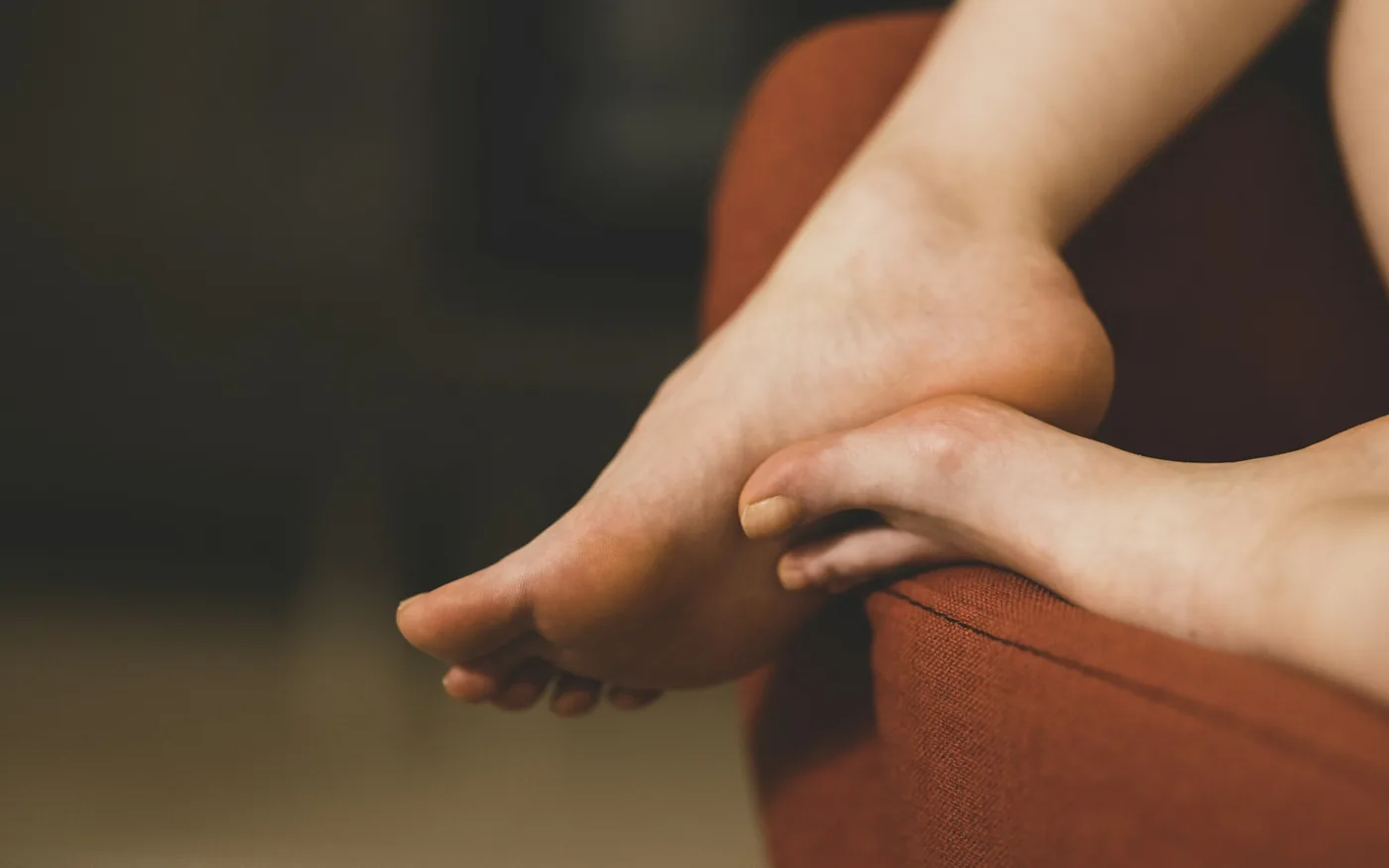
Heel pain has a recognisable signature: the first few steps of the morning are the worst of the day, it eases as you move about, and it comes back after a long spell on your feet.
Most people arrive having already tried rest, ice and new trainers. This is what acupuncture adds to that, and what matters more than any treatment does.
What it usually is, and what else it could be
Plantar fasciitis is by far the most common cause of pain under the heel, but it is not the only one, and the distinction changes what should be done.
| If the pain is | It may be | Suggests |
|---|---|---|
| Under the heel, worst first thing | Plantar fasciitis | The usual picture |
| Behind the heel, at the tendon | Achilles tendinopathy | Different loading programme needed |
| Sharp, shooting into the toes | Nerve entrapment | Assessment first |
| Constant, including at rest and at night | Not mechanical | See a doctor |
| After a specific impact or fall | Possible stress fracture | See a doctor |
| With swelling, redness and heat | Inflammatory or infective | See a doctor |
For a plain description of the condition and the conventional options, the American Podiatric Medical Association is a reasonable reference.
What the evidence supports
This is a better-studied use than many. Randomised trials report significant pain reduction with acupuncture at one month compared with no treatment, with the benefit sustained out to around sixteen weeks and no major adverse events.
A 2024 network meta-analysis pooling 32 trials and 2,390 participants ranked acupuncture highest of the non-surgical options for pain reduction at one month. At three months, platelet-rich plasma injection ranked higher — worth knowing rather than glossing over.
The usual caveat applies about trial quality varying. But for a stubborn heel that has not responded to the standard advice, this is a defensible next step.
Why treatment includes the calf
The plantar fascia does not work in isolation. It is functionally continuous with the calf complex through the heel, and a tight calf increases the load the fascia takes with every step.
That is why treatment addresses the calf and Achilles as well as the foot itself, and why calf stretching is the home exercise that matters most. Needling only where it hurts would miss most of the mechanism.
What helps more than any treatment
We would rather be straight about the ordering. Two unglamorous things outperform everything passive.
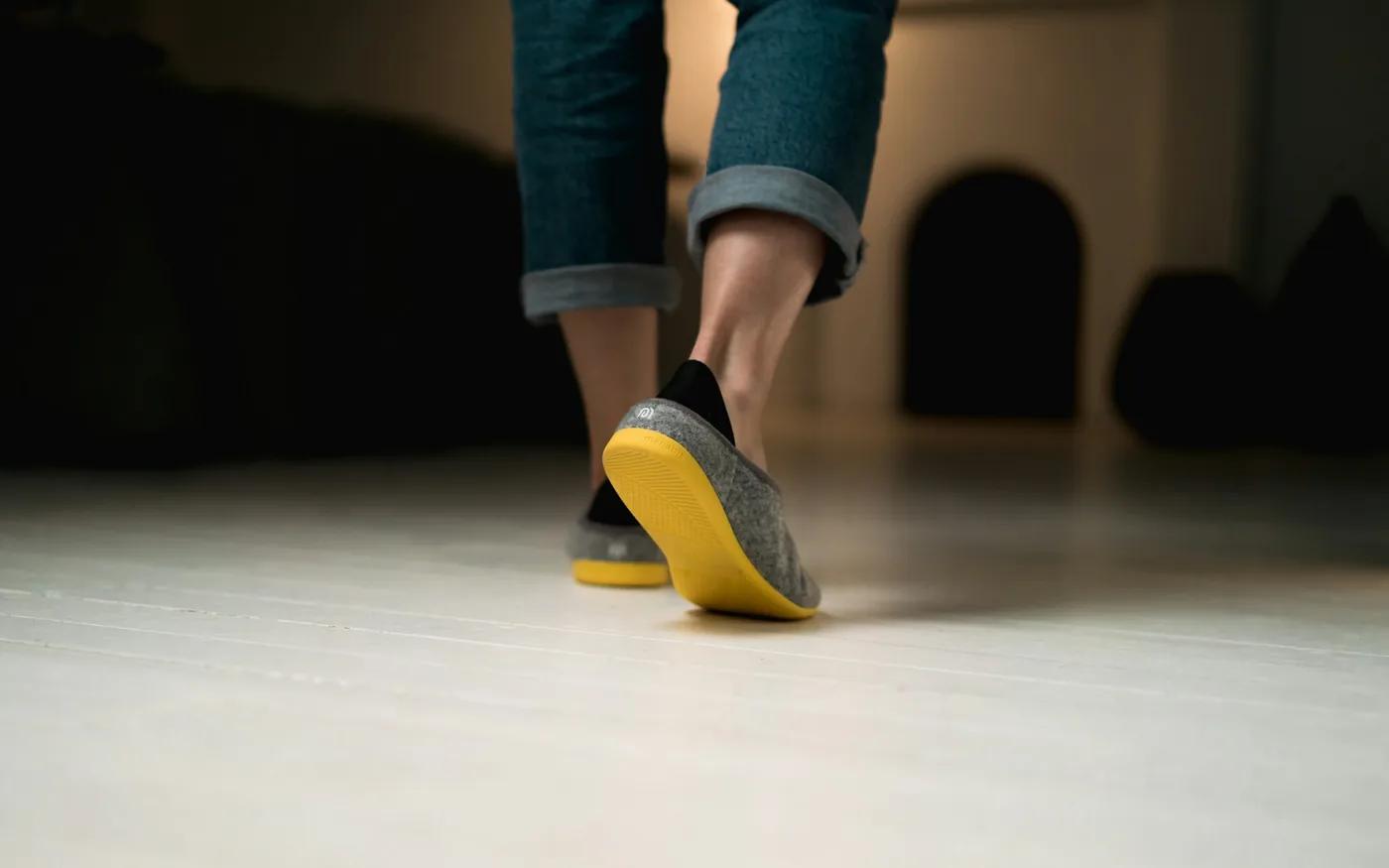
- Supportive footwear, worn consistently. Including indoors. Barefoot on hard floors first thing is the single most common aggravator we hear about.
- Daily calf stretching. Thirty seconds each side, three times, every day. It is dull and it works.
- Reduce the aggravating load rather than stopping. Swap running for cycling or swimming while it settles.
- Roll the arch over a ball for a couple of minutes before getting out of bed.
- Then treatment, to make the above tolerable and to shorten the course.
How long a course, and what to watch
Heel pain gives a reasonably clear signal, which makes a short defined block sensible rather than an open-ended arrangement.
Six weekly sessions is the usual starting point. The measure to watch is not how the heel feels at four in the afternoon, but the first thirty seconds of the morning — that is the symptom that shifts first and the one worth tracking.
Note how many steps it takes before the pain eases each morning. It is a crude measure and it works: people routinely report the count dropping from twenty steps to five before they notice any change in overall pain level.
How it compares with the alternatives
| Option | Best for | Timescale | Drawback |
|---|---|---|---|
| Footwear and stretching | Everyone | Weeks to months | Requires consistency |
| Acupuncture | Stubborn pain not settling with the basics | Noticeable within a month | Needs a course; benefit may fade |
| Custom orthotics | Structural foot issues | Weeks | Cost; not everyone needs them |
| Steroid injection | Severe short-term pain | Days | Limits on repeats; small rupture risk |
| Shockwave therapy | Long-standing cases | Several sessions | Cost; uncomfortable |
| PRP injection | Recalcitrant cases | Ranked highest at three months | Cost; invasive |
Orthotics are worth a mention here too. They help some people considerably and others not at all, and there is no reliable way to tell which you are without trying. Start with good off-the-shelf support before paying for custom ones.
A note on reflexology
People sometimes ask whether reflexology would help, since it works on the feet. It is a fair question with an honest answer: reflexology is a relaxation therapy, not a treatment for a specific musculoskeletal complaint. It may feel pleasant, but for heel pain the acupuncture and the stretching are what is doing the work.

Two more foot possibilities worth separating: sudden red hot agony at the base of the big toe is gout, and a gradual bony prominence there is a bunion. Neither behaves like heel pain.
One thing worth ruling out if the pain is in the ball of the foot rather than the heel: Morton’s neuroma produces burning pain and numbness between the toes, and the fix there is the shape of the shoe rather than the loading programme.
When to see a doctor
Please seek assessment for heel pain that is constant including at rest, pain following a specific impact, numbness or tingling in the foot, swelling with redness and heat, or heel pain in a child or adolescent, which is usually a different condition entirely.
Booking a session in Beverly
Acupuncture is $75 a session, published with everything else on our rates page. Appointments run Tuesday, Wednesday and Friday 9am to 6pm and Saturday 8am to 2pm.
Read more about acupuncture at our Beverly practice, browse all our articles, or get in touch to book an appointment. The same loading principles apply to the other tendon problems we see — tennis elbow and gluteal tendinopathy at the hip.
Frequently asked questions
What does plantar fasciitis feel like?
Sharp pain under the heel or along the arch, worst on the first steps of the morning or after sitting for a while. It often eases as you walk about and then returns after a long day standing. That first-steps pattern is the most recognisable feature.
How long does it take to settle?
Longer than most people expect. Many cases take six to twelve months to resolve fully, which is precisely why people end up trying several things. Treatment is about shortening that and making it more bearable.
Does acupuncture work for heel pain?
The evidence is reasonably encouraging for short to medium term pain relief. A 2024 network meta-analysis of 32 trials ranked acupuncture highest for pain reduction at one month, though platelet-rich plasma injection ranked higher at three months. Trials also report benefit sustained out to around sixteen weeks.
What helps more than treatment?
Footwear and calf flexibility, honestly. Supportive shoes worn consistently and daily calf stretching do more for most people than any passive treatment, and they cost almost nothing. Treatment works best alongside them, not instead.
Should I rest it?
Reduce the aggravating load rather than stopping altogether. Complete rest tends to stiffen the calf and the fascia, and the pain returns the moment you resume. Swap high-impact activity for lower-impact while it settles.
This article is general information, not medical advice. Acupuncture is intended to work alongside the care of your doctor, not to replace it. Please speak to a clinician about any new, severe or changing symptom.