There is a substantial market for bunion correctors, spacers and night splints, and the marketing is confident about what they do.
In an adult foot they do not straighten anything. That is worth knowing before you spend money, and it is not the end of the story — several things genuinely help, and one of them helps a great deal.
What a bunion is
The big toe drifts towards the second toe, and the joint at its base becomes prominent on the inner side of the foot. The bump is not a growth; it is the joint itself, pushed out of alignment.
Foot structure and family history do most of the work. Footwear contributes, particularly narrow and pointed shoes over years, but it is a contributor rather than the sole cause — which is why people who have never worn a heel still get them.
Where the pain actually comes from
This is the useful reframe, because it explains why the fixes that work, work.
Most bunion pain is pressure pain: the prominence rubbing against the inside of a shoe, sometimes with an inflamed bursa over it. A smaller share comes from the joint itself, and some from the second toe taking load it was not designed for.
Which means the angle is not the target. The pressure is.
What helps, and what does not
| Measure | Does it help? | Note |
|---|---|---|
| Wide toe box footwear | Yes, most of all | The single biggest lever available |
| Lower heels | Yes | Height pushes load onto the forefoot |
| Bunion pads over the bump | Yes, for comfort | Reduces the rubbing directly |
| Foot and ankle strengthening | Yes, for function | Does not change the angle |
| Toe spacers worn in shoes | Sometimes, for comfort | Not correction |
| Night splints and correctors | Not for correction in adults | Widely sold, poorly supported |
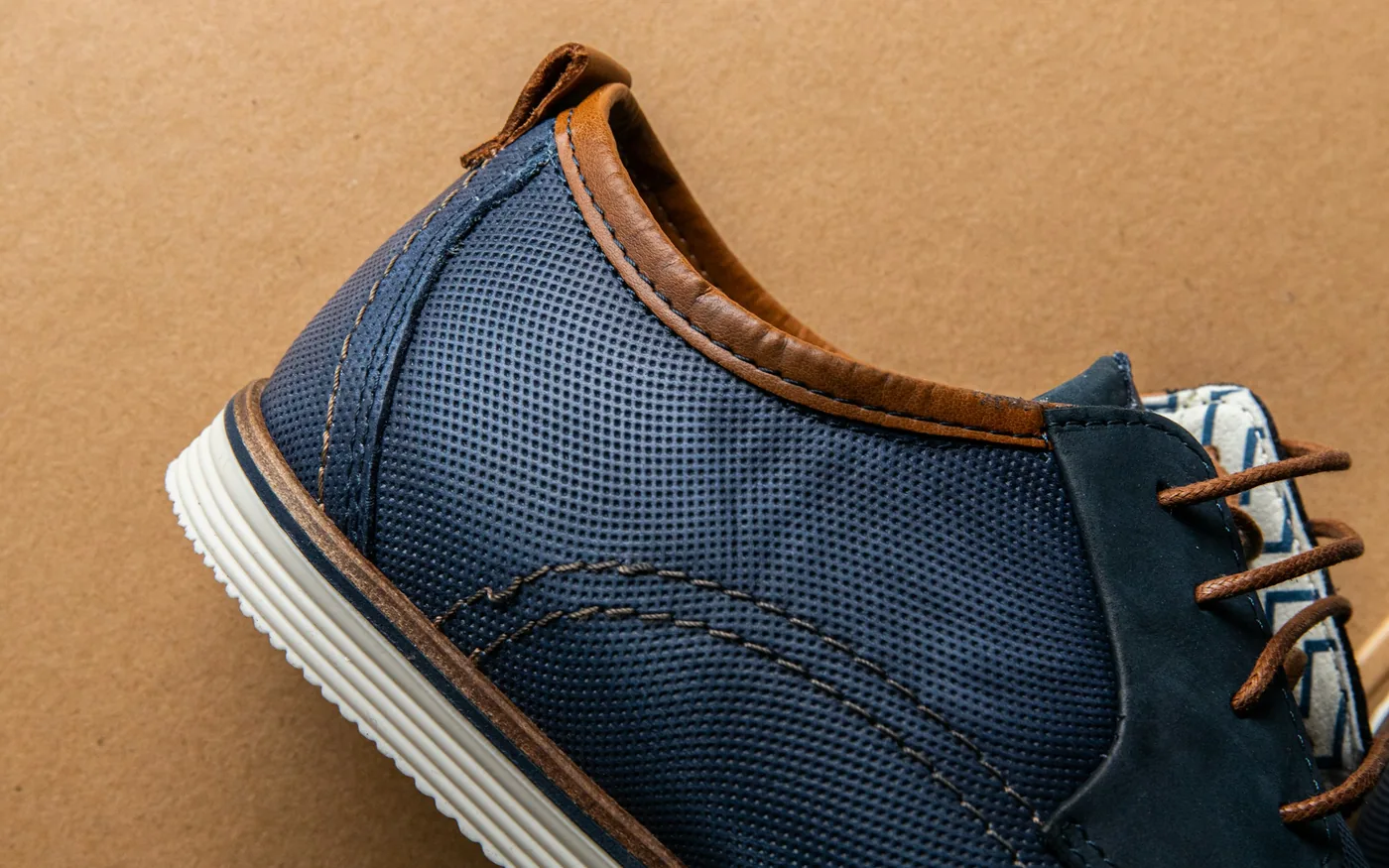
If you change one thing, change the shoes. A genuinely wide toe box — wide enough that the toes are not being squeezed together at all — removes the pressure that is producing most of the pain, and it does so immediately rather than over months.
How to try shoes properly
Since footwear is doing most of the work, it is worth buying them the way somebody with a bunion should.
| Do | Why |
|---|---|
| Try shoes at the end of the day | Feet swell; a morning fit misleads |
| Stand up in them | Feet lengthen and widen under load |
| Buy for the wider foot | Most people have one, and it is not always the same one |
| Check the widest point | The shoe should be widest where your foot is |
| Ignore the size on the box | Sizing varies enormously between makers |
| Reject anything that needs breaking in | It will not stretch where you need it to |
Not every bunion needs treating
Worth stating plainly, because a lot of anxiety attaches to how feet look.
A visible bunion that does not hurt and does not limit what you do needs nothing at all. It is not a condition that must be caught early to prevent catastrophe, and monitoring it will not change its course.
If it is painless, sensible footwear and getting on with your life is a complete plan.

Or is it something else?
Pain at the base of the big toe has a few possible sources, and they are managed quite differently.
- Sudden, red, hot, agonising overnight is more likely gout than a bunion, even if you have a bunion too.
- Stiffness and pain pushing off, with no drift of the toe, suggests wear in the joint itself rather than a bunion.
- Burning between the third and fourth toes is Morton’s neuroma, not this.
- Pinpoint tenderness on one bone after increasing walking needs a stress fracture excluded.
The surgery question
Bunion surgery works for pain and function, and it is a real option when footwear and padding have stopped being enough.
Two things worth going in knowing. Recovery is measured in months rather than weeks, and it is more demanding than most people anticipate. And it is an operation for symptoms, not for appearance — a painless bunion is not an indication.
Rush University Medical Center publishes patient information on foot and ankle conditions if you want to read further before a consultation.
Where acupuncture and massage fit
For comfort, and nowhere near the bone.
Needling and soft tissue work around the forefoot and calf can ease the pain and the compensatory tightness that builds up when you have been walking differently for months. That is a genuine if modest contribution.
It does not alter the deformity, and no treatment in this room ever will. As with Morton’s neuroma, we would rather you spent the first $75 on shoes.
When to see a doctor
See a doctor for a red, hot or swollen joint, particularly with fever; for sudden severe pain rather than gradual; for numbness or tingling in the toes; for a wound or ulcer over the prominence, especially if you have diabetes or reduced sensation; or for pain that is limiting what you can do despite proper footwear.
Booking a session in Beverly
Acupuncture is $75 a session, massage is $45 for 30 minutes, $75 for 60 and $105 for 90, and reflexology is $65 — all on our rates page.
See also plantar fasciitis, Morton’s neuroma and ankle sprain recovery. Browse all our articles or get in touch.
Frequently asked questions
Can toe spacers or splints straighten a bunion?
No. In an adult foot the deformity is structural, and studies of splints and correctors do not show lasting realignment. Some people find them comfortable, which is a reason to use one if you like it and not a reason to expect correction.
What actually helps the pain?
Footwear with a genuinely wide toe box, above everything else. Most bunion pain comes from pressure and rubbing over the prominence rather than from the angle itself, and removing the pressure removes most of the pain.
Do bunions always get worse?
They tend to progress slowly, but the pain does not track the angle closely. Plenty of people have visible bunions that never hurt, and some have modest ones that hurt a great deal.
Should I have surgery?
It is for pain and function, not for appearance. It can be very effective, but recovery is longer than most people expect — months rather than weeks — and it is not a decision to make over how a foot looks in a sandal.
Does acupuncture help bunions?
It can ease pain in the surrounding tissue, and it changes nothing about the bone. If you want a treatment that alters the deformity, that is surgery, and we would tell you so.
This article is general information, not medical advice. Acupuncture is intended to work alongside the care of your doctor, not to replace it. Please speak to a clinician about any new, severe or changing symptom.