
Frozen shoulder is unusual among musculoskeletal problems in having a fairly predictable natural history — and an unusually long one. Knowing which phase you are in matters more than almost anything else, because it changes what treatment should be attempting.

The three phases
This is the single most useful thing to understand about the condition.
| Phase | Typical length | What it feels like | What treatment aims at |
|---|---|---|---|
| Freezing | 6 weeks – 9 months | Increasing pain, especially at night; movement starting to go | Pain relief and gentle movement, not stretching |
| Frozen | 4 – 12 months | Pain easing, stiffness dominant; daily tasks restricted | Restoring range; more assertive work tolerated |
| Thawing | 6 months – 2 years | Movement gradually returning | Maintaining progress and full function |
Taken together that is often one to three years. It is a genuinely long haul, and anyone offering a quick fix is not describing this condition.
What the evidence says about acupuncture
Honestly: moderate-to-low certainty overall, and clearly stronger for combination than for acupuncture alone.
A 2024 systematic review and meta-analysis of 13 studies found that acupuncture combined with physiotherapy produced significantly greater pain reduction and better active and passive range of motion than physiotherapy on its own.
That is a useful finding precisely because it is specific. It does not say replace your physio with acupuncture. It says the two together outperform one alone, which is how we would suggest using it. The American Physical Therapy Association’s patient resource is a good starting point for the exercise side.
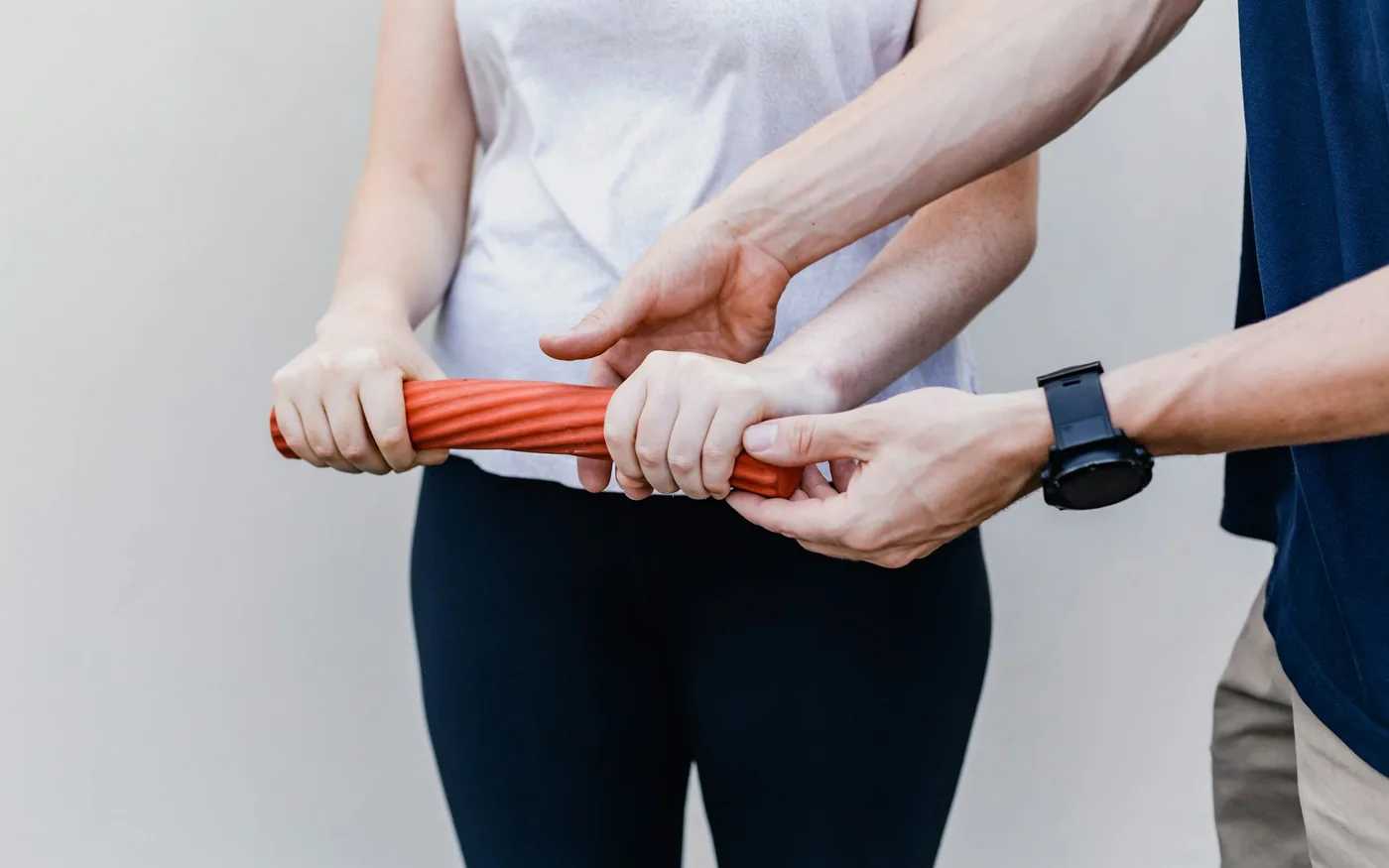
The options, compared
Frozen shoulder attracts a long list of treatments, partly because it lasts long enough for people to try most of them.
| Option | Best phase | What it offers | Drawback |
|---|---|---|---|
| Physiotherapy and exercise | All phases | The foundation; restores range in the frozen phase | Slow; needs daily consistency |
| Acupuncture with physio | All phases | Better pain relief and range than physio alone | Moderate-to-low certainty evidence |
| Corticosteroid injection | Freezing phase especially | Effective short-term pain relief | Limits on repeats |
| Hydrodilatation | Frozen phase | Stretches the capsule with fluid | Specialist procedure |
| Massage and manual therapy | All phases | Eases the compensating neck and upper back | Does not treat the capsule itself |
| Doing nothing | n/a | It usually resolves eventually | One to three years of it |
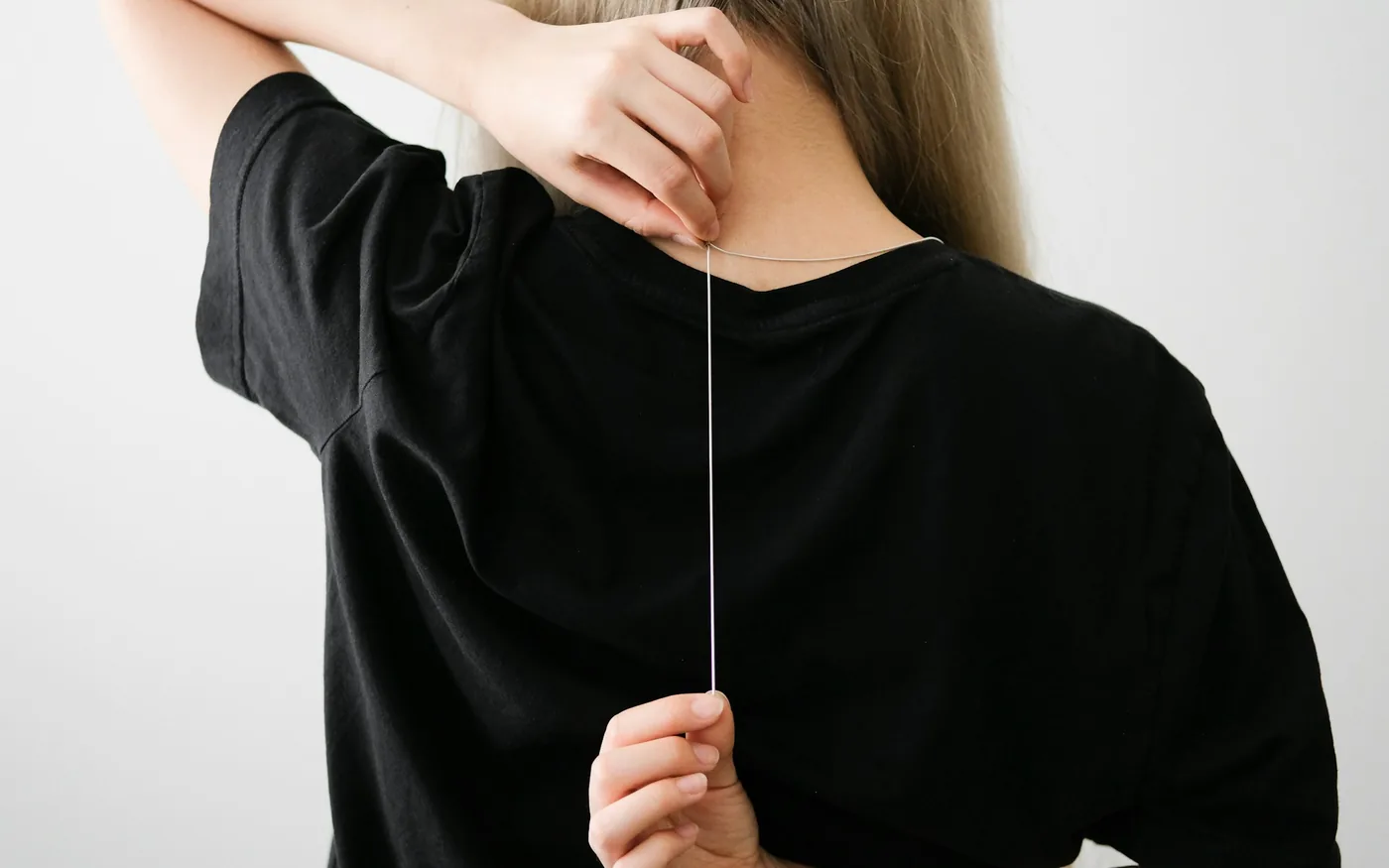
What treatment looks like here
Needling addresses the shoulder itself along with the upper back, neck and the muscles that compensate once the shoulder stops moving properly. Those compensations are often a large part of the day-to-day discomfort.
Hands-on work has a place too, particularly for the neck and upper back tightness that builds over months of guarding — see massage for neck and shoulder pain for what that involves.
Sessions run weekly at first, then space out. Given the length of the condition, we would rather plan a sustainable rhythm than an intensive burst that stops.
What helps at home
- Match the effort to the phase. Gentle pendulum movements while it is painful; more range work once it is mainly stiff.
- Little and often. Five minutes several times a day beats one long session.
- Support the arm at night. A pillow under the elbow when lying on your back, or hugging one when on your side.
- Keep using it within comfort. Total avoidance accelerates stiffening.
- Warmth before movement. A shower or heat pack makes the exercises considerably easier.

Why the shoulder freezes at all
The capsule surrounding the shoulder joint thickens and contracts, which physically limits how far the joint can travel. That is why it does not respond like ordinary muscular stiffness: the restriction is structural rather than a matter of tight muscles that can simply be released.
It often begins after a period of reduced use — an injury, surgery elsewhere, or an arm kept still for a few weeks. In many cases there is no identifiable trigger at all, which people find frustrating but is genuinely common.
Living with the night pain
Night pain is the symptom people find hardest, and it is worth addressing directly rather than treating as something to endure. It disrupts sleep, and poor sleep amplifies pain, which is a loop worth breaking.
Positioning helps more than people expect. So does treating the sleep problem as its own issue — our piece on acupuncture for sleep and insomnia covers that side.

One differential worth checking before settling on this: if the pain is pinpoint on the very top of the shoulder rather than deep and diffuse, and someone else can still move the arm freely, AC joint pain is the more likely explanation and behaves quite differently.
When to see a doctor
See your doctor if the shoulder froze after an injury or fall, if you cannot move it at all, if there is fever or the joint is hot and swollen, or if you have not had blood sugar and thyroid function checked recently — frozen shoulder is notably more common in diabetes and thyroid disease, and an unexplained case is worth mentioning to your doctor.
Sudden loss of shoulder movement after trauma is a different problem and needs imaging rather than needles.

Booking a session in Beverly
Acupuncture is $75 a session and massage is $45 for 30 minutes, $75 for 60 and $105 for 90 — all on our published rates page.
Read more about acupuncture at our Beverly practice, browse all our articles, or get in touch to book an appointment. If the shoulder stiffened after a collision rather than on its own, our guide to whiplash is the more relevant one.
Frequently asked questions
How long does frozen shoulder last?
Longer than almost anyone wants to hear: often one to three years from start to full resolution, running through three phases. It does generally resolve, but slowly. Treatment aims at making the course shorter and considerably less painful.
Does acupuncture help frozen shoulder?
The evidence is moderate-to-low certainty, and it is strongest for acupuncture combined with physiotherapy rather than on its own. A 2024 review of 13 studies found combined treatment produced greater pain reduction and better range of motion than physiotherapy alone.
Should I push through the pain when stretching?
Not in the painful freezing phase. Aggressive stretching then tends to inflame things further. Gentle movement within a comfortable range is better. In the later stiff phase, more assertive work is usually both tolerated and needed.
Why does it hurt so much at night?
Night pain is one of the defining features and one of the hardest to live with. Lying down loads the shoulder differently and there is no distraction from it. Supporting the arm on a pillow often helps more than painkillers do.
Is it linked to anything else?
It is notably more common in people with diabetes and in thyroid conditions. If you have an unexplained frozen shoulder and have not had those checked recently, it is worth mentioning to your doctor.
This article is general information, not medical advice. Acupuncture is intended to work alongside the care of your doctor, not to replace it. Please speak to a clinician about any new, severe or changing symptom.