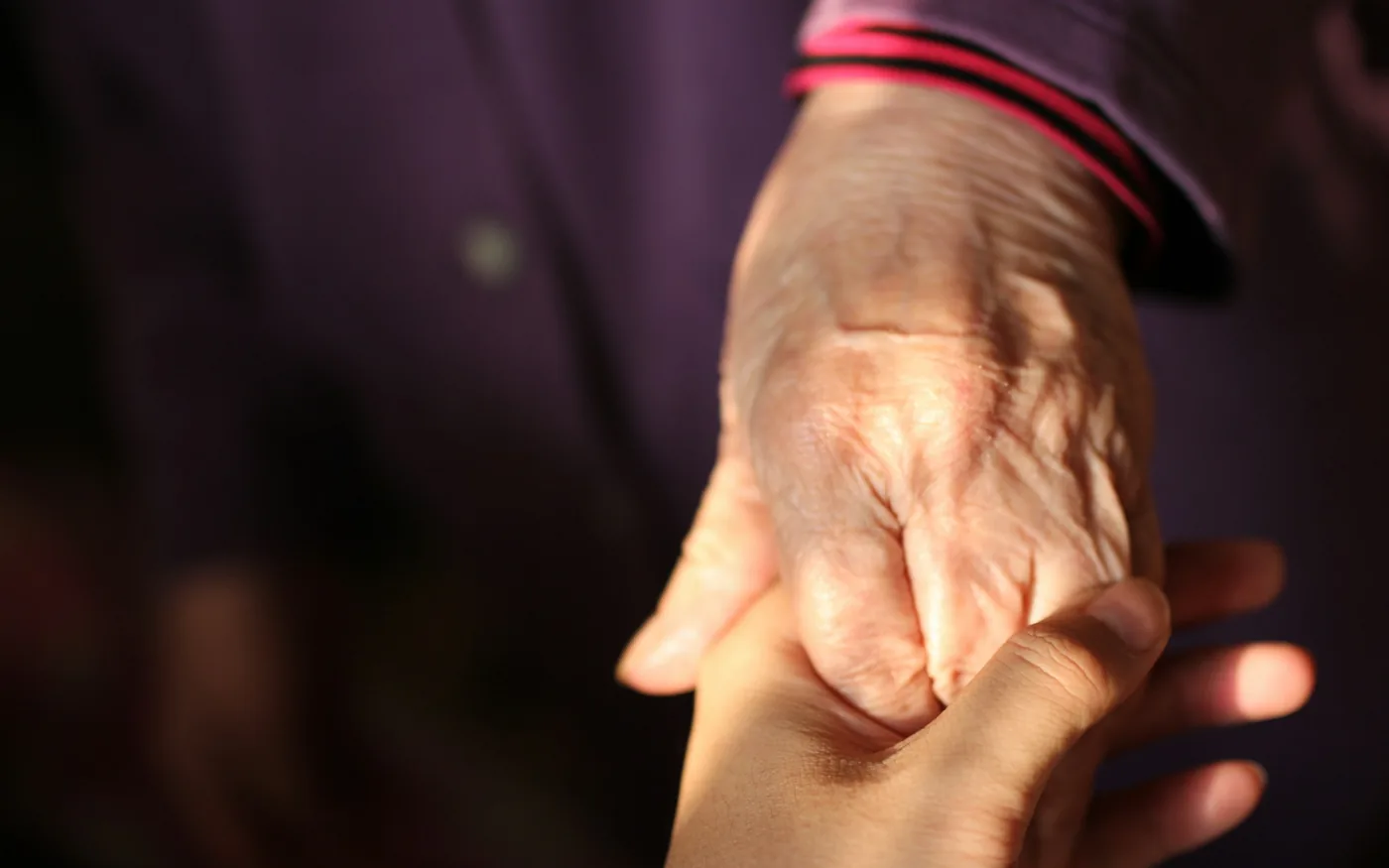
It usually starts with a jar lid. Then keys, then taps, then anything that needs a firm pinch — and the pain sits squarely at the base of the thumb rather than in the fingers.
That joint takes enormous loads for its size. A firm pinch can put several times that force through the joint at the thumb base, which is why it wears before most others.
Osteoarthritis or rheumatoid?
Worth settling early, because the two are managed completely differently and one of them needs specialist medical treatment.
| Osteoarthritis | Rheumatoid arthritis | |
|---|---|---|
| Pattern | Often one hand worse than the other | Usually symmetrical, both hands |
| Joints | Thumb base and the joints nearest the nails | Knuckles and wrists |
| Morning stiffness | Under 30 minutes | Over an hour |
| Swelling | Firm, bony | Soft, warm, puffy |
| Elsewhere | Confined to joints | Fatigue and systemic symptoms are common |
| Next step | Hand therapy and self-management | See a doctor; blood tests and specialist care |

It is worth knowing what is happening at that joint, because it explains why the advice below is about load rather than rest. The joint at the thumb base is a saddle shape, built for range rather than stability, and it depends on ligaments and small muscles to hold it together under pinch. As those loosen with time the joint shifts slightly under load, and the cartilage wears where it was not designed to take the pressure.
That is also why the base of the thumb can look squared off or more prominent than it used to. It is a change in the joint position, not swelling.
The best supported thing is not a treatment
It is a splint and a change of habits, and it is worth saying plainly that this outperforms anything offered in our treatment room.
A properly fitted orthosis for the thumb base — fitted by a hand therapist, not bought blind online — reduces pain and improves function in thumb base osteoarthritis. Combined with joint protection technique, it is the first-line approach for good reason.
The American Society of Hand Therapists is the professional body for this work if you want to understand what a hand therapist actually does.
Joint protection, which is mostly about tools
The phrase sounds clinical and the practice is not. It comes down to noticing which everyday movements put a hard pinch through the thumb, and finding another way to do the same thing.
| Instead of | Try | Why |
|---|---|---|
| Twisting a jar lid | A jar opener or grip mat | Removes the pinch entirely |
| Pinching a key | A key turner or larger fob | Spreads the load across the hand |
| Round tap handles | Lever taps | Uses the forearm rather than the thumb |
| Thin pens | A thicker barrel or grip | Less pinch force to hold the same pen |
| Carrying bags by the handles | Over the forearm or on the shoulder | Takes the load off the thumb |
| Wringing out cloths | Pressing instead | Wringing is the single worst movement for this joint |
Movement, kept short of pain
Complete rest is not the answer here any more than it is for shin splints. The muscles that stabilise the thumb weaken if unused, and a less stable joint is a more painful one.
Gentle range of movement daily, and careful strengthening once the pain settles — but genuinely short of pain, not through it. This is one of the places where a hand therapist earns their fee, because the progressions are specific.
A note on when to wear a splint, since it is the question people ask next. Most guidance points at wearing it for activities that provoke the joint and overnight if the pain disturbs sleep, rather than continuously through the day. The point is unloading the joint at the moments that hurt it, not immobilising the hand.
Where acupuncture fits
Acupuncture is conditionally recommended for hand osteoarthritis in US rheumatology guidance — the same guidance discussed in acupuncture for knee and joint pain. That is a real endorsement, and a measured one.
It may help with pain. It does not change the joint, restore cartilage, or replace the orthosis. Used alongside hand therapy rather than instead of it, it is a reasonable addition.
Injections and surgery exist for the thumb base and are genuinely useful for some people, but they sit after the conservative measures rather than instead of them. Most people get a long way with an orthosis, adapted tools and time.
When to see a doctor
See a doctor for symmetrical swelling in both hands, for morning stiffness lasting over an hour, for a hot and red joint, for fever alongside joint pain, or for hand symptoms that come with numbness and tingling — the last of those may be carpal tunnel syndrome or a pinched nerve in the neck rather than arthritis at all.
And if the pain sits higher, on the thumb side of the wrist rather than at the joint itself, de Quervain’s tenosynovitis is the more likely explanation. It has a ten-second self-test worth doing before assuming arthritis.
And a finger that catches or clicks as it bends, rather than simply aching, is trigger finger — a mechanical problem with a very different and rather more effective treatment.
Booking a session in Beverly
Acupuncture is $75 a session; massage is $45 for 30 minutes, $75 for 60 and $105 for 90. Everything is on our rates page.
See also knee and joint pain and tennis elbow if the problem is further up the arm, browse all our articles, or get in touch.
Frequently asked questions
Why does the base of my thumb hurt when I grip?
The joint at the base of the thumb takes very high loads whenever you pinch or grip, which is why it is one of the commonest sites of osteoarthritis in the hand. Jar lids, keys and taps are the usual things people notice first.
How do I know it is not rheumatoid arthritis?
Osteoarthritis is typically asymmetrical, affects the thumb base and the joints nearest the fingertips, and comes with stiffness lasting under half an hour. Rheumatoid tends to be symmetrical, involves the knuckles and wrists, brings morning stiffness lasting over an hour, and often has systemic symptoms. Blood tests settle it.
What is the most effective thing I can do?
For thumb base arthritis, a properly fitted orthosis plus joint protection habits is the best supported first-line approach. That is hand therapy territory, and it does more than anything else on this page.
Does acupuncture help hand arthritis?
It is conditionally recommended for hand osteoarthritis in US rheumatology guidance, which is a genuine but measured endorsement. It can help with pain; it does not change the joint.
Should I stop using my hand?
No. Complete rest weakens the muscles that stabilise the joint. The aim is changing how you load it rather than avoiding load altogether — different tools, different technique, same activity.
This article is general information, not medical advice. Acupuncture is intended to work alongside the care of your doctor, not to replace it. Please speak to a clinician about any new, severe or changing symptom.