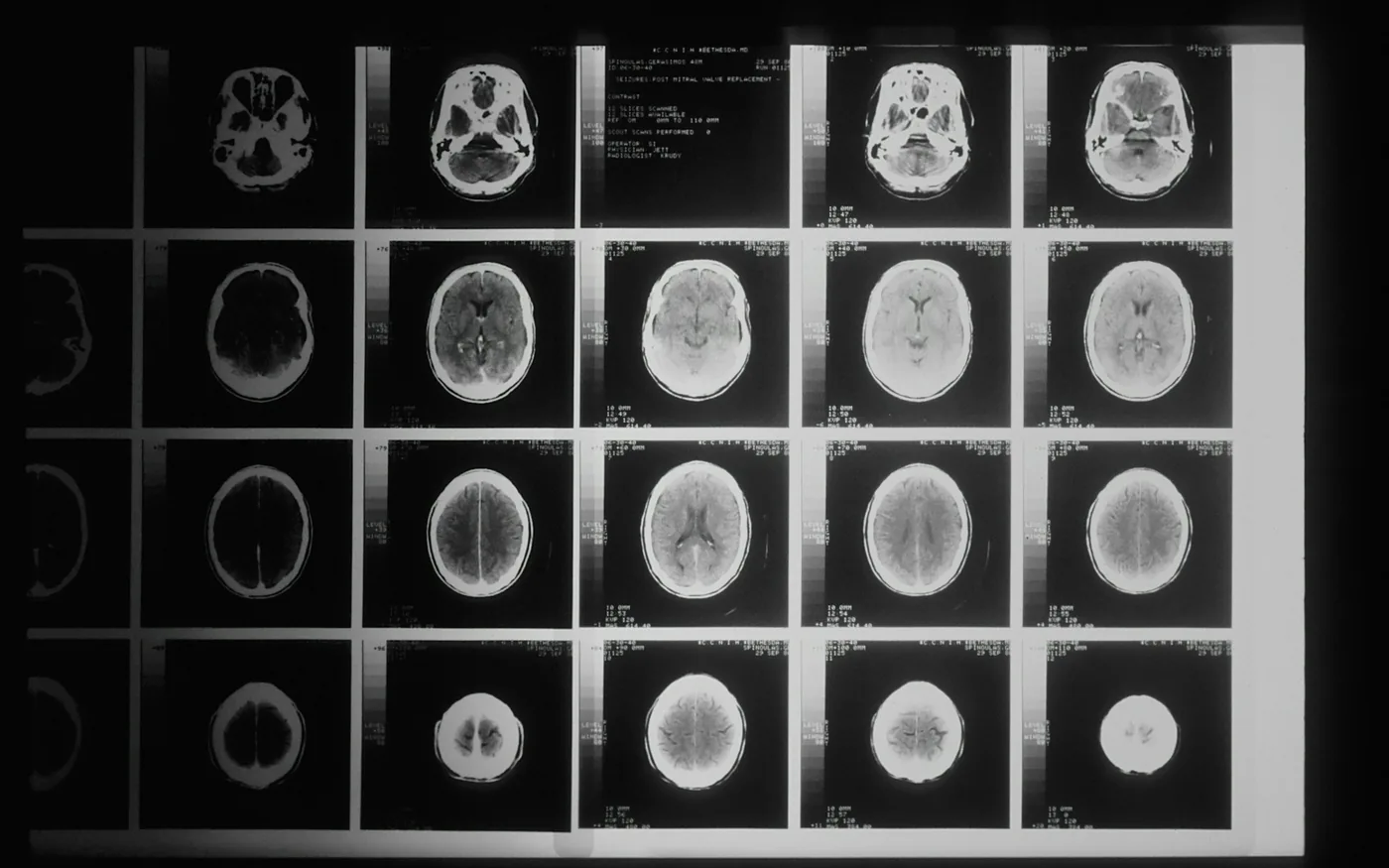
A scan says you have a torn meniscus. It sounds like something that needs fixing, and for a long time it was routinely fixed.
Then the trials arrived, and they are worth knowing about before anyone books you a theatre slot.
Two quite different problems, one name
Start here, because almost everything that follows depends on which of the two you actually have, and the names give no clue at all.
Almost all of the confusion comes from using one term for two situations that behave differently.
| Traumatic tear | Degenerative tear | |
|---|---|---|
| Typical age | Younger, often athletic | Forties onwards |
| How it started | A specific twist or impact | Gradually, often no injury |
| Swelling | Often within hours | Mild or intermittent |
| Locking | Can be genuine | Usually catching rather than locking |
| Best understood as | An injury | Part of the same process as knee osteoarthritis |
| Surgery | Sometimes appropriate | Usually not |
What the trials found
This is one of the clearest bodies of evidence in orthopaedics and one of the least well known outside it.
Randomised trials compared keyhole surgery for degenerative meniscal tears against structured exercise therapy, and against placebo surgery — an operation in which the incisions were made and the procedure simulated but the meniscus was not trimmed.
Surgery did not outperform either comparison. Not in pain, not in function, not at one year. Several national guidelines now advise against routine arthroscopy for degenerative tears in the absence of locking.
OHSU and other academic centres publish patient-facing material on this shift if you want to read further before a consultation.

What that finding does not mean
Two things need saying, because a result like this is easy to overread in both directions at once.
It does not mean surgery never helps anyone, or that surgeons were being cavalier. It means that for one specific and very common presentation — a degenerative tear, in an older knee, without mechanical locking — the operation did not add anything over the conservative alternative.
And it does not mean your pain is imaginary or that nothing can be done. It means the thing that helps is the less dramatic option, which is a genuinely good outcome rather than a consolation prize.
Why the scan is not the answer
Meniscal tears are common findings in knees that do not hurt. Imaging studies of people with no symptoms whatsoever find them regularly, and the proportion climbs steadily with age.
Which means a tear on a scan and pain in a knee can coexist without one causing the other. It is the same point made at greater length in why pain persists after healing, and it applies here as clearly as anywhere on this site.
None of that makes imaging pointless. It rules things out, and it identifies the patterns that genuinely need surgery. It just is not a verdict on its own.
The genuine exception
Everything above has a boundary, and this is it.
There is one presentation where the argument above does not apply, and it is worth being clear about.
If your knee physically locks — gets stuck part-way and will not straighten, requiring wiggling or time to release — that suggests a fragment caught in the joint, and it is a surgical question. True locking is not the same as pain on straightening, or a knee that feels stiff, and the distinction matters.
What the exercise actually is
Worth spelling out, because “just do physio” is not a plan and the trials used structured programmes rather than vague encouragement.
| Element | Why | Starting point |
|---|---|---|
| Quadriceps strength | The main shock absorber for the joint | Within a comfortable range of bend |
| Hip abductors | Control how the knee tracks under load | Side-lying raises, then banded work |
| Graded walking | Builds tolerance without provoking | Add time before adding terrain |
| Step-downs | Control under load | Low step, slow, no wobble |
| Consistency | Twelve weeks is the usual trial length | Short daily beats occasional hard |

Twelve weeks is the usual figure before judging it, which is roughly the length the trials ran their exercise arms for.
Where acupuncture and massage fit
In the same supporting role as everywhere else on this site. Acupuncture is conditionally recommended for knee osteoarthritis in US rheumatology guidance, and a degenerative meniscal tear usually sits within that same picture.
What it does is reduce pain enough to make the strengthening tolerable. What it does not do is repair a meniscus, and neither does anything else short of surgery — which, per the trials, mostly does not help either.
When to see a doctor
See a doctor for a knee that locks and will not straighten, for a knee that gives way, for a large swelling appearing within hours of an injury, for a hot and red joint with fever, or for pain that has not improved after twelve weeks of consistent strengthening.

Booking a session in Beverly
Acupuncture is $75 a session and massage is $45 for 30 minutes, $75 for 60 and $105 for 90 — all on our rates page.
See also acupuncture for knee and joint pain, runner’s knee and IT band syndrome. Browse all our articles or get in touch.
Frequently asked questions
Does a meniscal tear need surgery?
Usually not. For degenerative tears in middle-aged and older knees without true locking, several high-quality trials found keyhole surgery no better than structured exercise, and no better than placebo surgery. Guidelines have shifted accordingly.
My MRI shows a tear. Is that what is causing my pain?
Not necessarily. Meniscal tears are found frequently on scans of people with no knee pain at all, and the proportion rises with age. A scan describes structure; it does not identify the source of symptoms on its own.
When is surgery genuinely indicated?
When the knee physically locks or catches so that it will not straighten, which suggests a fragment caught in the joint. Also for younger patients with acute traumatic tears, and for certain tear patterns. Those are real situations, and they are a minority.
What is the difference between a traumatic and a degenerative tear?
A traumatic tear follows a specific twisting injury, often in a younger knee, usually with swelling within hours. A degenerative tear appears gradually with age and is better understood as part of the same process as early osteoarthritis.
So what actually helps?
Progressive strengthening of the quadriceps and hip, graded loading, and time. That is what the trials compared surgery against, and it is what performed just as well.
This article is general information, not medical advice. Acupuncture is intended to work alongside the care of your doctor, not to replace it. Please speak to a clinician about any new, severe or changing symptom.