
Booking a massage should not require knowing the vocabulary, but menus are written as though it does. Here is what the names actually mean, and how to work out which one you want.
The headline: the real difference between deep tissue and a relaxation massage is purpose, not simply how hard someone presses.
The two people usually mean
| Swedish / relaxation | Deep tissue | |
|---|---|---|
| Aim | Settle the whole system | Address one specific area |
| Coverage | Whole body, evenly | Narrow, with time spent in one place |
| Pace | Flowing and continuous | Slow, with pauses |
| Pressure | Light to medium | Firm, but never past what you can breathe through |
| Afterwards | Loose, often sleepy | Possibly sore for a day, then looser |
| Book it when | You are wound up, tired, or want an hour to yourself | One area has been complaining for weeks |
The pressure question
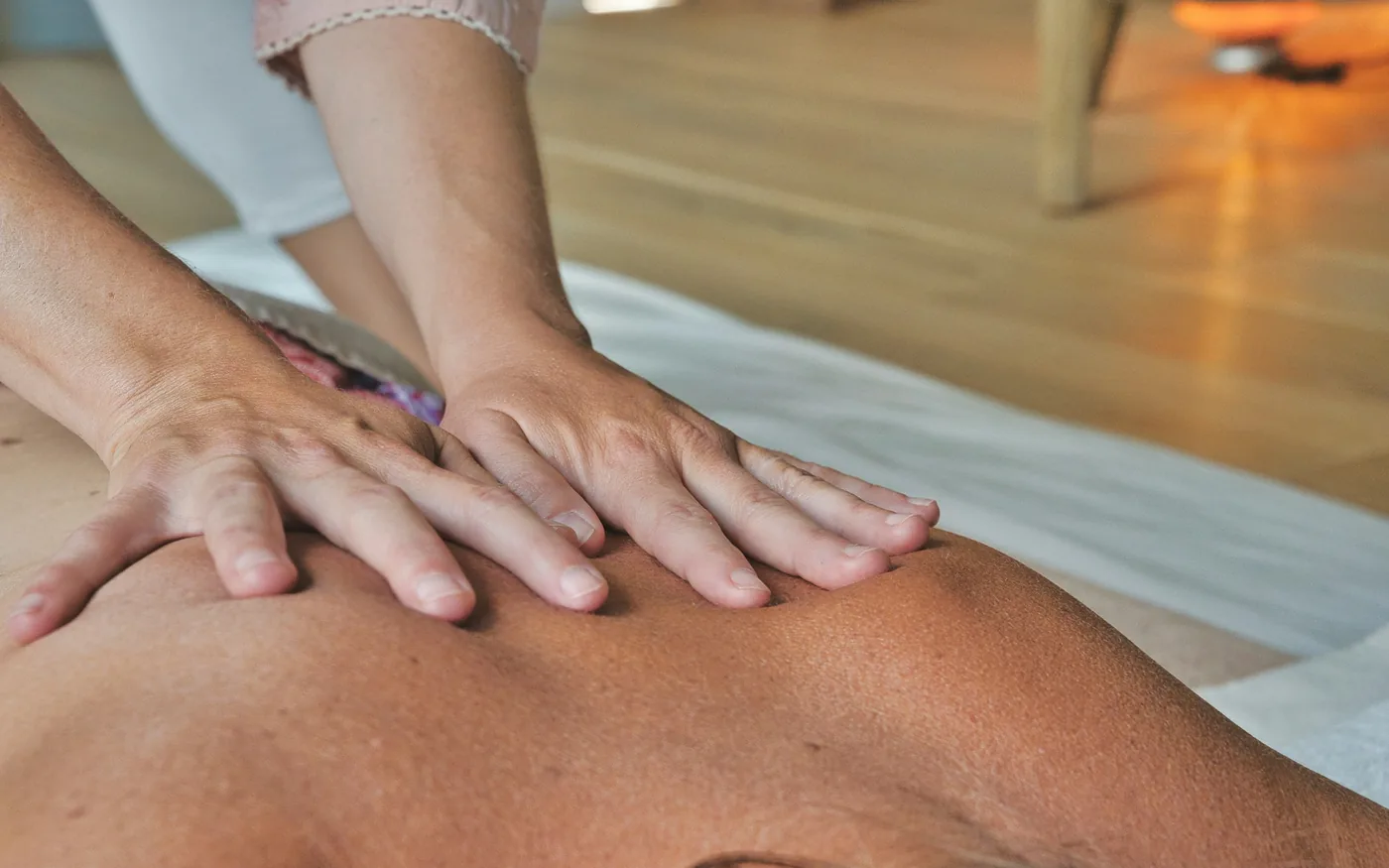
More people have a bad massage experience over pressure than over anything else, and almost all of it is preventable by saying one sentence.
A workable rule: the pressure should sit at about seven out of ten — noticeable, on the edge of uncomfortable, and something you can breathe normally through. If you are holding your breath, clenching, or waiting for it to end, it has gone past useful.
The second thing worth knowing is that depth is not achieved by force. A therapist working well sinks in slowly and waits for tissue to give, rather than pushing through it. Work that feels like it is being applied to you rather than met by you is usually going too fast, not too deep.
Therapists cannot feel what you feel. “A bit lighter there” is not a complaint, it is information, and it makes the next fifty minutes better.
The other styles you will see named
| Style | What it involves | Honest note on evidence |
|---|---|---|
| Trigger point | Sustained pressure on tight bands within a muscle | Reasonable short-term evidence for muscular pain |
| Sports massage | Brisker work around training and events | Helps soreness and perceived recovery, not performance |
| Craniosacral | Very light contact at head, spine and sacrum | Evidence is limited; people find it deeply relaxing |
| Reflexology | Thumb pressure on the feet and hands, clothed | Relaxation is well attested; the mapping claims are not |
| Reiki | Light or no contact, energy-based | No evidence beyond relaxation, and we will not claim more |
| Ayurvedic marma | Pressure at specific points, from Indian tradition | Traditional rather than trial-supported |
Two of those deserve a note. Reflexology is the one people book when being undressed is the part they would rather skip — you stay clothed and the work is on the feet and hands. And sports massage is widely oversold: the evidence supports it for soreness and how recovered you feel, not for making you faster or stronger.

If you want to check a therapist’s credentials rather than take a menu at face value, Associated Bodywork & Massage Professionals is a reasonable starting point for what the qualifications mean.
How it works here
Lynn does not work from a fixed routine with a name on it. She incorporates deep tissue, craniosacral therapy, reflexology, reiki and Ayurvedic marma points into a session based on what you have come in with that day.
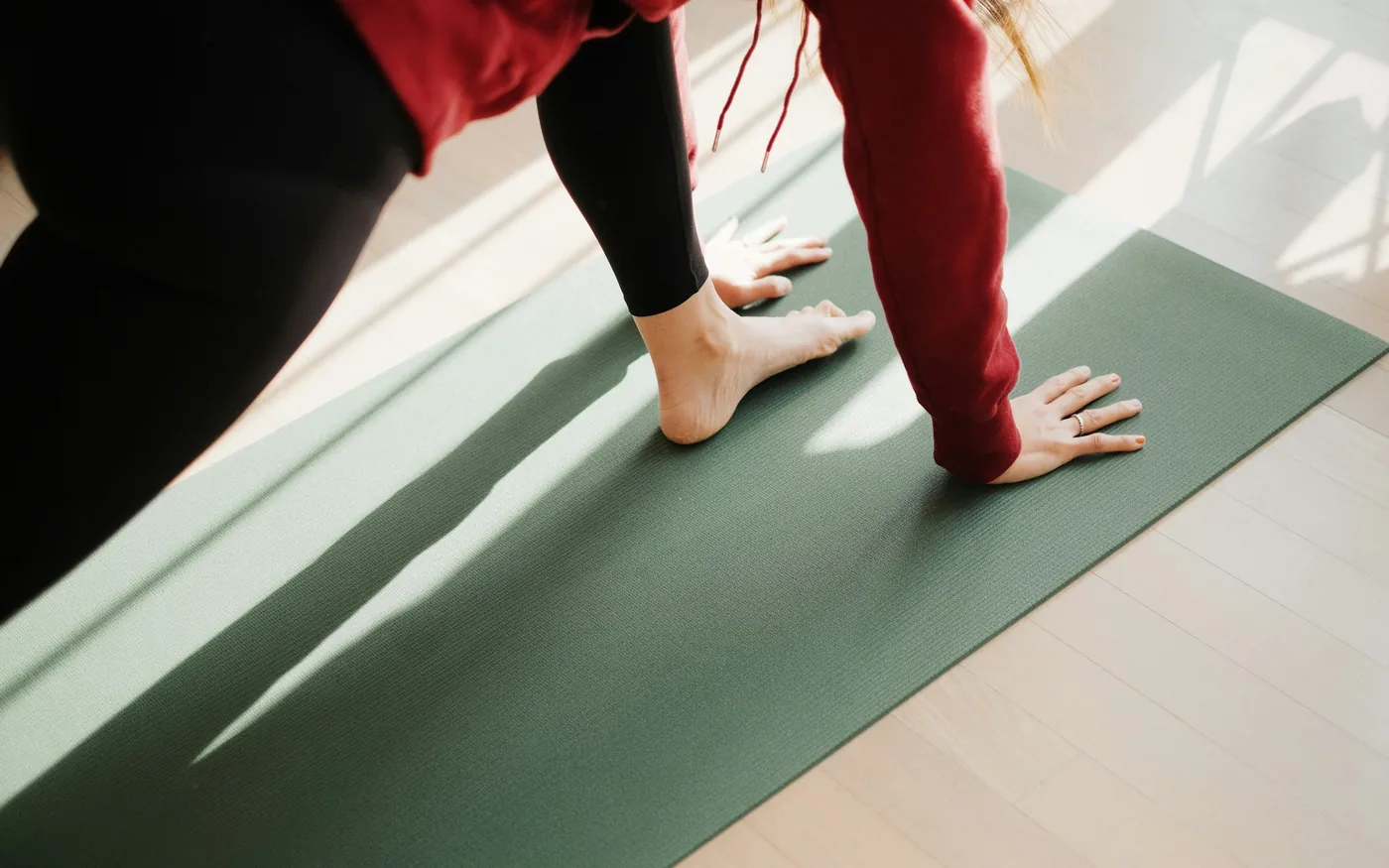
She trained at The Swedish Institute for Health and Massage in New York, and as a certified yoga instructor she includes stretching in her work and teaches techniques to carry on with at home. That last part matters more than it sounds — what you do between sessions is most of the result.
How often, and does it have to be regular?
For a specific complaint, a run of weekly or fortnightly sessions while it settles, then whatever spacing holds the gain. For general tension and stress, monthly is what most people settle into, and that is a preference rather than a prescription.
Nothing here requires a commitment up front. There are no packages to buy, which means the honest answer to “how many will I need?” can be “let us see after this one” without anybody losing money on it.
Choosing a length
- 30 minutes ($45) — one area that needs attention. Calves, or a neck and shoulders.
- 60 minutes ($75) — a full session and the most common choice.
- 90 minutes ($105) — unhurried, with time for more than one area.
- Reflexology ($65) — feet and hands, fully clothed, if being undressed is the part you would rather skip.
Booking in Beverly
If you are not sure which of the above you want, say what is bothering you when you book rather than picking a style name. That is more useful information than any label on a menu.
All rates are on our rates page, and massage runs Monday, Tuesday, Wednesday and Friday 7am to 3pm and Saturday 8am to noon.
If it is your first time, what happens at a first massage covers draping and what you keep on. For a specific complaint, massage for neck and shoulder pain and massage and recovery for active people go further, and acupuncture or massage: which do you need compares the two by complaint. Otherwise browse all our articles or get in touch.
Frequently asked questions
What is the difference between deep tissue and Swedish massage?
Purpose, more than pressure. Swedish or relaxation massage covers the whole body with long flowing strokes and aims to settle the nervous system. Deep tissue is slower and narrower, working specific areas at greater depth to address a particular complaint.
Does deep tissue massage have to hurt?
No. Depth and pain are not the same thing. Useful deep work sits at a pressure you can breathe through and would rate about seven out of ten. If you are bracing or holding your breath, it is too much, and saying so improves the session.
Will I be sore afterwards?
After deep tissue, mild soreness for a day or two is normal, much like the day after unfamiliar exercise. After a relaxation session it is unusual. Soreness that is severe or lasts beyond about three days is worth mentioning.
Which length should I book?
Thirty minutes suits one area that needs attention. Sixty is a full session and the most common choice. Ninety gives time for more than one area without rushing either.
What styles are offered here?
Lynn incorporates several modalities into a session rather than working from a fixed routine, including deep tissue, craniosacral therapy, reflexology, reiki and Ayurvedic marma points. As a certified yoga instructor she also includes stretching and teaches techniques to use at home.
This article is general information, not medical advice. Acupuncture is intended to work alongside the care of your doctor, not to replace it. Please speak to a clinician about any new, severe or changing symptom.