This question comes up in the treatment room often enough that it deserves a straight answer, so here is one — with the obvious bias declared at the top. We are an acupuncture practice. Read accordingly.
The short version: same needle, different reasoning, and a very different amount of training behind the hand holding it.
What is actually the same
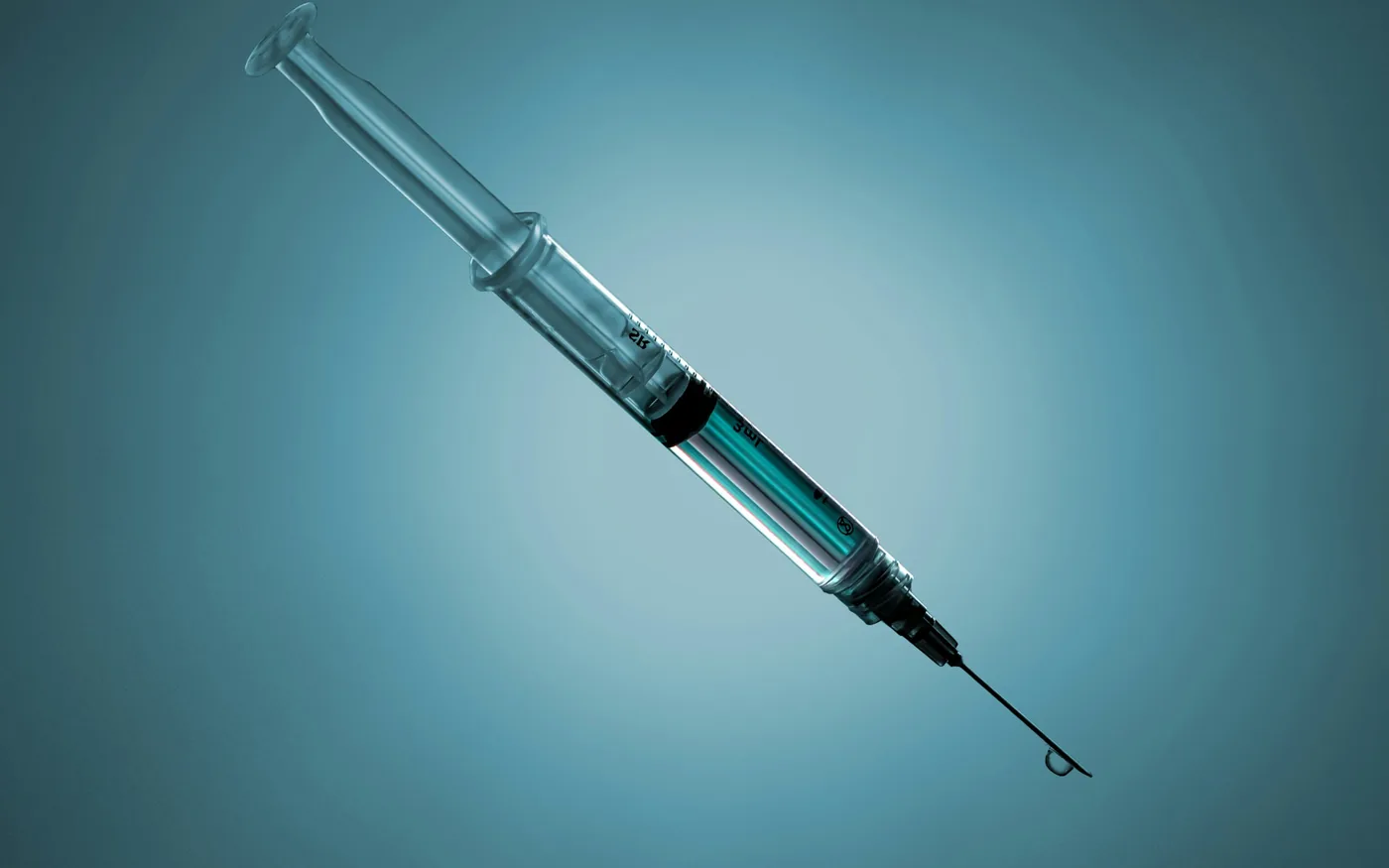
More than people expect. Both use a filiform needle — solid, hair-fine, nothing like the hollow needle used for injections. Both are single-use and sterile. Both are inserted through the skin into muscle, and both can produce a heavy, aching sensation at the site.
There is also real overlap in where the needle goes. A good many classical acupuncture points sit on or near the same spots that trigger point maps identify, which is not a coincidence and is worth being honest about.
Two different explanations of the same act
Dry needling grew out of Western pain research in the twentieth century. Its reasoning is mechanical: a muscle develops a taut, irritable band, the needle disrupts it, the band releases. Everything follows from the muscle in front of you.
Acupuncture reasons from a map instead. Points sit along named channels, they have traditional functions, and a point selected for a shoulder complaint may well be on the leg. Whether you find that framework persuasive or not, it is what determines where the needle goes.
The practical consequence is that the two disciplines can arrive at the same spot for entirely unrelated reasons — and diverge completely on the next one.
What is different
| Dry needling | Acupuncture | |
|---|---|---|
| Framework | Western myofascial trigger point theory | A traditional map of points and channels |
| Target | A taut band within a specific muscle | Selected points, often away from the painful area |
| Technique | Repeated insertion seeking a twitch response | Needles inserted and retained, typically 20–30 minutes |
| Sensation | Brief, sharp, cramp-like | Duller, heavier, low grade |
| Session length | A few minutes within a longer appointment | The appointment itself |
| Usual scope | Musculoskeletal pain | Musculoskeletal pain plus wider complaints |
| Performed by | Physical therapists, chiropractors | Licensed acupuncturists (Lic.Ac.) |
The training gap
This is the part most people have never been told, and it is the one worth knowing before you book either.
Massachusetts acupuncture licensure requires a graduate-level programme — three to four years, thousands of supervised hours — followed by national board examinations. The letters Lic.Ac. after a name mean all of that has been done and is being maintained through continuing education.
Dry needling certification is a post-graduate add-on to an existing qualification, typically measured in days of coursework rather than years. The clinician is already highly trained in their own field. The needling component specifically is short.
Whether it sits inside a physical therapist’s scope of practice at all differs by state, and the Federation of State Boards of Physical Therapy tracks how the rules differ. It is a fair question to ask whoever is about to needle you.

Which fits which problem
| Your situation | Probably better suited to | Why |
|---|---|---|
| Already in a course of physio | Dry needling | It is a few minutes inside a session you are having anyway |
| One stubborn knot, nothing else | Either | Both address it; convenience decides |
| Pain in more than one place | Acupuncture | A whole-session approach rather than a spot treatment |
| Migraine, sleep, digestion, stress | Acupuncture | Outside what dry needling sets out to do |
| You want to keep needles in and rest | Acupuncture | Retention is the format |
| You dislike the twitch sensation | Acupuncture | It is not something acupuncture aims for |
That last point is worth taking seriously rather than treating as false modesty. Dry needling is typically a few minutes inside a longer rehabilitation appointment, alongside the exercise prescription that is doing most of the work. Pulling it out of that context and travelling for it separately makes very little sense.

A note on the evidence
Comparing the two head to head is harder than it sounds, because they have mostly been studied for different things and against different comparators.
Dry needling has reasonable short-term evidence for myofascial pain, and the trials are mostly small and short. Acupuncture has a much larger literature simply because it has been studied for longer and across more conditions — which is not the same as being better for a muscular knot.
We write about where the evidence sits for each complaint individually rather than in the abstract; how acupuncture works sets out the mechanism without overstating it.
Booking in Beverly
We offer acupuncture, not dry needling. If dry needling is what you want, a physical therapy practice is the right place to ask, and we would rather say so than talk you into the wrong appointment.
Acupuncture here is $75 a session, published on our rates page. If you have never had it, what acupuncture actually feels like and what to expect afterwards between them cover most first-visit questions, and choosing a licensed acupuncturist on the North Shore lists what to ask any practice.
Otherwise browse all our articles or get in touch.
Frequently asked questions
Is dry needling just acupuncture with a different name?
They use the same tool and overlap in where the needle goes, but they come from different traditions. Dry needling is built on Western trigger point theory and targets tight bands within a muscle. Acupuncture selects points from a traditional map of the body, and is usually applied to a wider range of complaints.
Does dry needling hurt more?
Often, yes. Dry needling frequently aims to produce a local twitch response, which feels like a brief involuntary cramp. Acupuncture needles are typically left in place while you rest, and the sensation is duller and lower grade.
Who is allowed to perform each one?
Acupuncture in Massachusetts requires a licensed acupuncturist, which means a graduate-level programme and national board exams. Dry needling is usually performed by physical therapists or chiropractors, and whether it falls within their scope of practice varies from state to state.
How much training does each involve?
This is the largest practical difference. Acupuncture licensure runs to thousands of hours over three years or more. Dry needling is typically a post-graduate certification measured in days rather than years, added to an existing clinical qualification.
Which one should I book?
For a single muscular knot in a course of rehab you are already having, dry needling within that session is sensible. For an ongoing or wider-ranging problem, or where you want the needling to be the treatment rather than an add-on, acupuncture is the better fit.
This article is general information, not medical advice. Acupuncture is intended to work alongside the care of your doctor, not to replace it. Please speak to a clinician about any new, severe or changing symptom.