Numbness, tingling, pins and needles, or a burning that is worse at night — usually starting in the toes and slowly working upward. Peripheral neuropathy is common, and it is the condition on this site where getting the diagnosis right matters most.
So this article spends more time on what comes before treatment than on treatment itself. That is deliberate.
Finding the cause comes first
Several causes of neuropathy are treatable, and treating the cause does far more than managing the symptom. That is why blood work comes before anything else.
| Cause | How common | Why it matters |
|---|---|---|
| Diabetes | The commonest in the US | Glucose control slows progression; nothing else substitutes |
| Vitamin B12 deficiency | Not rare | Correctable, and worth finding early |
| Chemotherapy | Common in cancer care | Often improves after treatment ends, sometimes not |
| Thyroid disease | Uncommon | Treatable once identified |
| Alcohol | Under-reported | Progression depends on intake |
| No cause found | A sizeable minority | Management becomes symptom-led |
Diabetes deserves the emphasis it gets in that table. For diabetic neuropathy, glucose control is not one option among several — it is the intervention that changes how the condition progresses, and nothing on this page substitutes for it.
The advice that matters most, and it is free
If you read nothing else here, read this. A foot that cannot feel properly cannot tell you it has been hurt.
A stone in a shoe, a blister from a new pair, a small cut — things that would normally announce themselves within minutes go unnoticed for days. That is how minor injuries become serious ones, and it is why daily foot checks are standard advice for anyone with reduced sensation.
- Look at both feet every day, including the soles and between the toes. Use a mirror if bending is hard.
- Check inside your shoes before putting them on.
- Test water temperature with a hand or elbow, not a foot.
- Do not walk barefoot outdoors, and be careful indoors too.
- Report anything that is not healing rather than waiting to see.
The American Diabetes Association publishes detailed foot-care guidance, and it applies whether or not diabetes is your cause.
Where acupuncture honestly fits
Narrowly, and as an addition rather than a replacement.
There are trials suggesting acupuncture may reduce symptoms in diabetic peripheral neuropathy and in neuropathy following chemotherapy. They are mostly small, they vary a great deal in method, and the overall evidence is best described as promising rather than established.
What it does not do is regenerate nerves or alter the underlying condition. Anybody presenting it as a cure for neuropathy is making a claim the evidence does not support, and we are not going to be that practice.
| If your situation is | Reasonable expectation |
|---|---|
| Diabetic neuropathy, glucose well controlled | Possible symptom relief alongside your existing care |
| Diabetic neuropathy, glucose uncontrolled | Address that first; it does more than we can |
| After chemotherapy | Worth discussing with your oncology team first |
| B12 or thyroid cause not yet corrected | Correct it first |
| No cause identified | Symptom management is the goal, modestly stated |
| Sudden or one-sided symptoms | Urgent medical assessment, not treatment here |
A practical point about needling numb feet
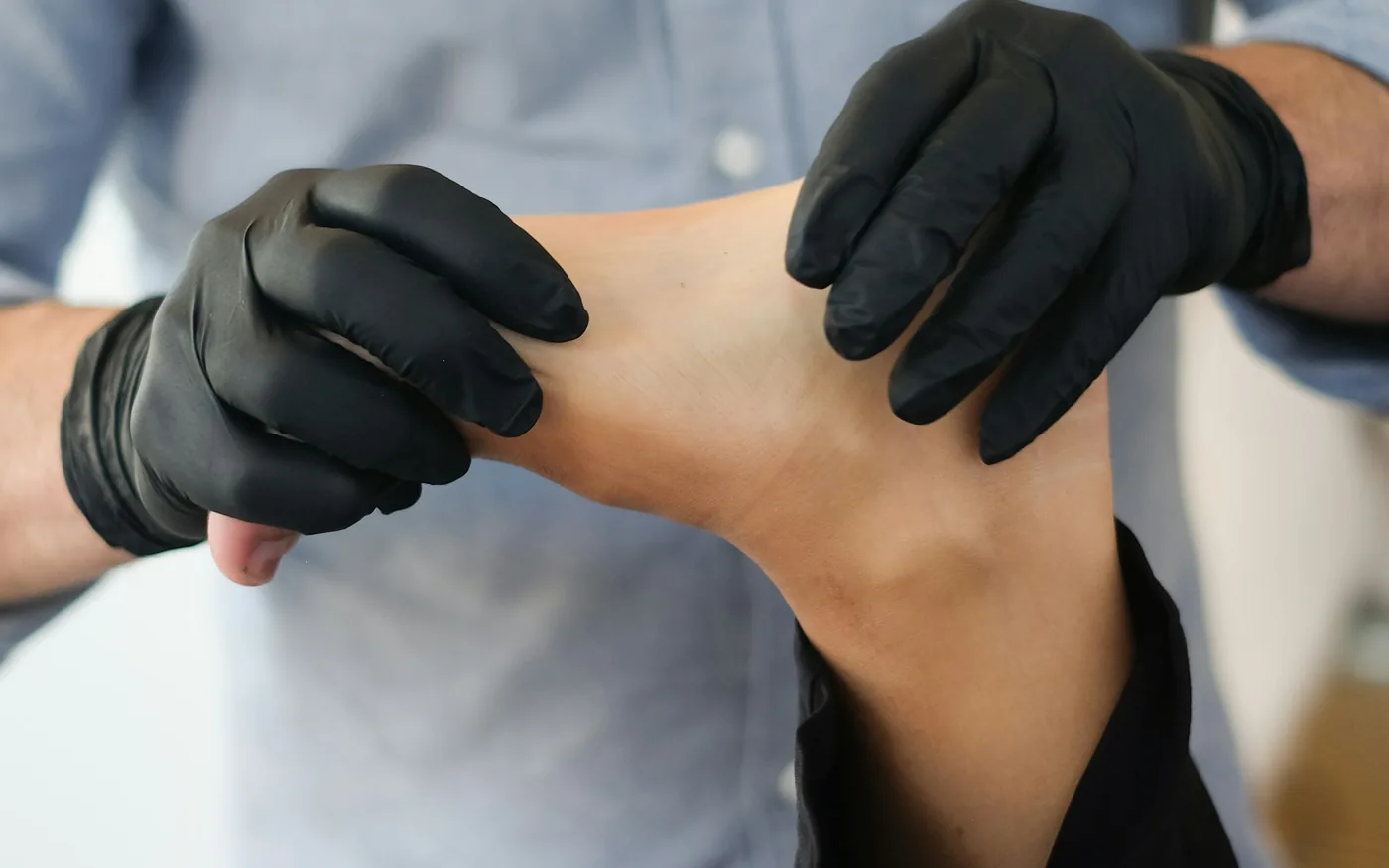
This is worth knowing before you book anywhere. Reduced sensation means you may not feel a needle as clearly, and neuropathy often travels with poorer circulation and slower healing.
That changes the approach: fewer points on the affected foot, more attention to the leg above it, and scrupulous care about the skin. A practitioner who does not ask about your circulation and your blood sugar before needling your feet is not asking enough.
What people actually report helping
Worth setting out, because the list is longer than the list of treatments and most of it costs nothing.
Regular walking, within whatever range is comfortable, comes up more than anything else — it helps circulation, balance and sleep at once. Shoes with room across the toes matter more than people expect. Keeping feet warm at night helps some people and not others, and is worth trying because it is free.
Sleep is the one worth chasing hardest. Burning that is worse at night wrecks sleep, and poor sleep lowers pain tolerance the next day, which is a loop rather than two separate problems. If that is the pattern, acupuncture for sleep and insomnia may be the more useful conversation.
Balance, which people forget to mention
Sensation from the feet is a large part of how you stay upright in the dark or on uneven ground. When it fades, balance goes with it, and the risk of a fall rises well before anybody thinks to raise it.
Ask about balance work. It is one of the few things that reliably helps, and it is rarely offered unprompted.
Booking in Beverly
Acupuncture is $75 a session; every rate is on our rates page. If you are considering a course, how many acupuncture sessions people usually need explains how we set a review point rather than an open-ended commitment.
See also plantar fasciitis if the pain is in the heel rather than diffuse, sciatica if it runs down one leg from the back, or browse all our articles. Otherwise get in touch.
Frequently asked questions
Can acupuncture cure peripheral neuropathy?
No, and anyone saying otherwise is overselling. Acupuncture does not regenerate damaged nerves or address the underlying cause. Some trials suggest it may ease symptoms such as burning and tingling in diabetic and chemotherapy-related neuropathy, but the studies are small and the evidence is not conclusive.
What causes peripheral neuropathy?
Diabetes is the commonest cause in the United States. Others include chemotherapy, vitamin B12 deficiency, thyroid disease, alcohol, certain medications and autoimmune conditions. In a meaningful minority no cause is ever identified.
Why does it start in the feet?
The longest nerves in the body are usually affected first, which is why symptoms typically begin in the toes and work upward, and only later involve the hands. Clinicians call the resulting pattern a stocking and glove distribution.
What is the single most important thing to do?
Check your feet every day. A foot that cannot feel cannot report a blister, a stone or a cut, and small injuries become serious ones quietly. This matters more than any treatment discussed here.
When should I see a doctor urgently?
Sudden onset, rapidly worsening weakness, symptoms on one side only, or any change in bladder or bowel control needs urgent assessment rather than an acupuncture appointment.
This article is general information, not medical advice. Acupuncture is intended to work alongside the care of your doctor, not to replace it. Please speak to a clinician about any new, severe or changing symptom.