
Sciatica gets lumped in with back pain, and the two are related, but they behave differently enough to be worth separating. The pain runs rather than sits, it often hurts more in the leg than the back, and the things that aggravate it are not the same.
Here is what acupuncture can reasonably offer, and the symptoms that mean seeing a doctor before booking anything.

What sciatica actually is
The sciatic nerve is the largest in the body. It forms in the low back, passes through the buttock and runs down the back of the leg. Sciatica is what happens when it is irritated or compressed anywhere along that route.
The compression is usually at the spine — a bulging disc, or narrowing of the space the nerve root exits through. Sometimes it is lower, where the nerve passes close to the deep gluteal muscles.
| Sciatica | Ordinary low back pain | |
|---|---|---|
| Where | Buttock and down one leg | Across the low back |
| Quality | Sharp, burning, electrical | Dull, aching, tight |
| Side | Almost always one leg | Often both sides |
| Worse with | Sitting, coughing, bending forward | Standing still, lifting |
| Better with | Walking, lying flat | Movement, warmth |
| Other symptoms | Pins and needles, numbness in the leg | Usually none |
If your pain stays in the low back, our guide to acupuncture for low back pain is the more relevant one. If it sits on the bony point of the hip and is worst lying on that side, it is more likely gluteal tendinopathy than sciatica at all.
What the evidence supports
Reviews of acupuncture for sciatica are reasonably positive. Meta-analyses report reduced leg pain intensity and improved function compared with controls, with the effect holding across comparisons including sham acupuncture and standard care.
Some reviews find acupuncture at least as effective as conventional conservative care — anti-inflammatories and physiotherapy — over the short and medium term, with few adverse events. The usual caveat applies: trial quality is variable and the findings should be read with that in mind.
For a plain description of sciatica itself and the conventional options, the American Academy of Orthopaedic Surgeons’ patient guide to sciatica is a good reference.
Where treatment is actually aimed
This surprises people. The calf may be where it screams, but the calf is rarely where anything useful happens.
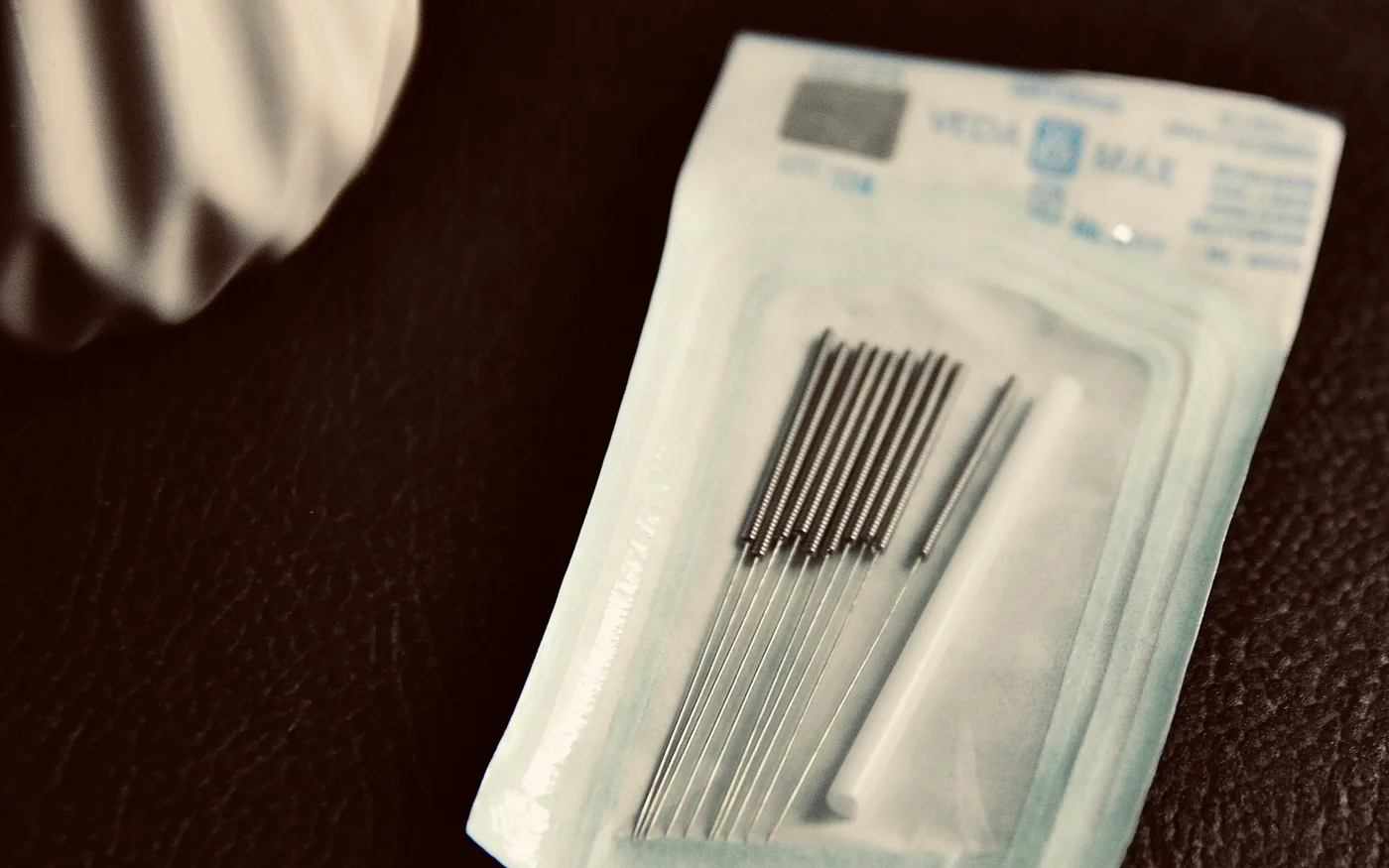
Treatment concentrates on the low back and the deep gluteal muscles the nerve travels through, along with points on the leg and foot well away from the painful area. The aim is to reduce the muscular guarding and irritation around the nerve rather than to needle the pain itself.
Sessions typically run weekly for four to six weeks, with an honest review at the end. If nothing has shifted by then, we will say so.
How long a course, and what to expect
| Stage | Schedule | What to look for |
|---|---|---|
| Sessions 1–2 | Weekly | Pain travelling less far down the leg |
| Sessions 3–4 | Weekly | Shorter flares, easier sitting |
| Sessions 5–6 | Weekly | Enough of a pattern to judge it honestly |
| Beyond six | Fortnightly or as needed | Holding the gain |
That last point is worth knowing, because people often miss it. Sciatica tends to improve by shortening its range before it improves by hurting less.

What makes it worse, and what helps
Sciatica has unusually consistent aggravators, and most of them are modifiable.
- Long sitting. Driving and desk work are the two classic offenders. Break it up every thirty to forty minutes.
- A wallet in the back pocket. Genuinely a factor, and an easy one to fix.
- Soft, low seating. A firmer chair with the hips slightly above the knees is usually better tolerated.
- Bending and twisting together. Particularly first thing, when discs are most hydrated.
- Prolonged rest. Comfortable for a day, counterproductive after that.

Between appointments
- Walk daily. Short and frequent beats one long walk. Most people tolerate walking better than sitting.
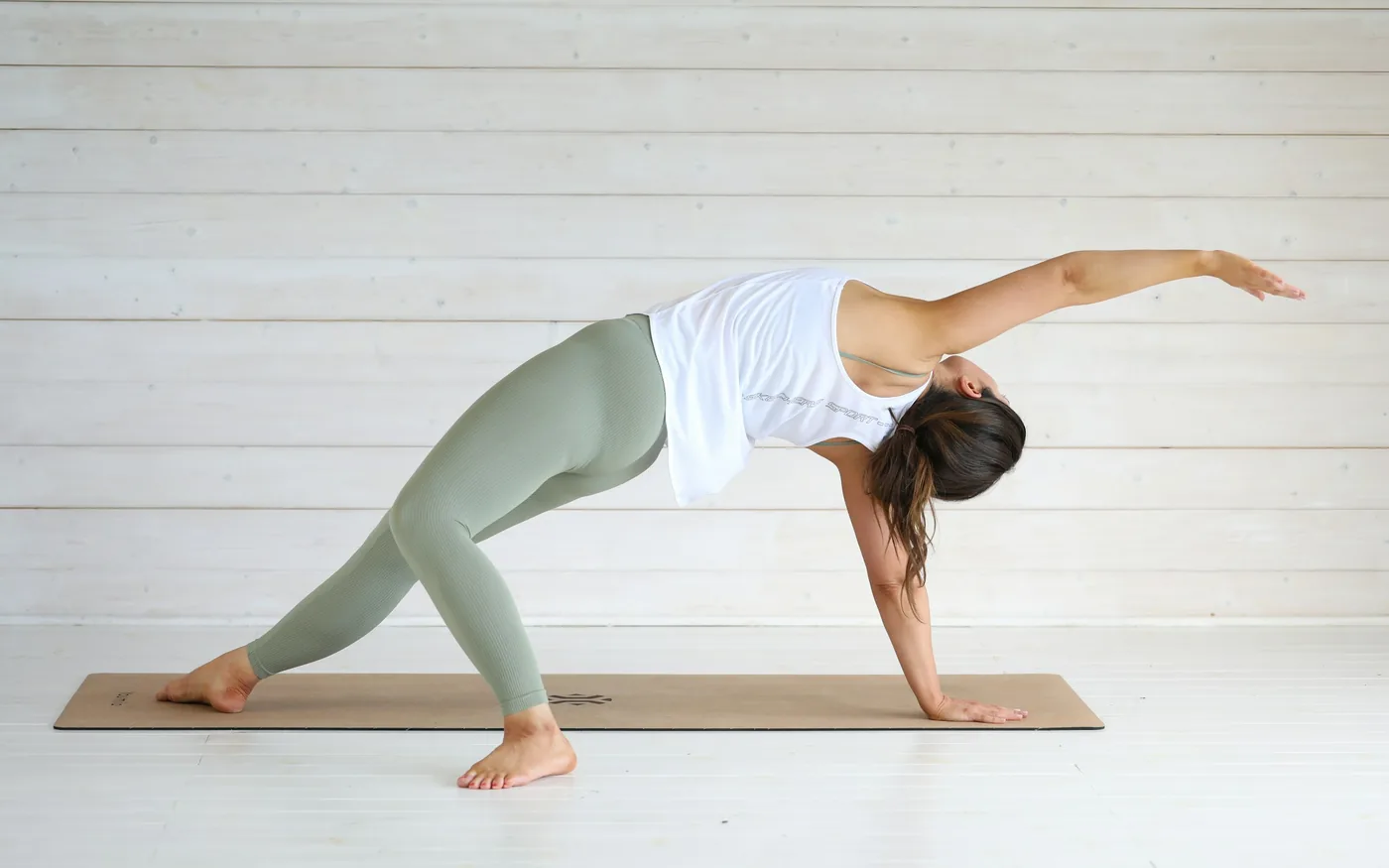
- Stretch the hip, not the hamstring. Aggressive hamstring stretching can pull on an already irritated nerve. Gluteal and hip work is usually better tolerated.
- Lie flat when it flares. Twenty minutes on your back with the knees bent takes pressure off.
- Use warmth on the muscles, not on the leg where sensation may be altered.
- Note what preceded a flare. The pattern is usually a long drive or a heavy lift two days earlier.
And if symptoms affect both legs, arrive after a predictable walking distance and ease as soon as you sit or lean forward, that pattern is lumbar spinal stenosis rather than sciatica, and it is managed differently.
And pain sitting squarely in the middle of the buttock, with no clean nerve pattern down the leg, is often labelled piriformis syndrome — a diagnosis of exclusion rather than a finding.
One differential worth ruling out first: pain concentrated at the sit bone that is worst on sitting, with no tingling running into the foot, is more likely high hamstring tendinopathy than sciatica, and it wants the opposite of stretching.
Sciatica that has outlasted the usual timeline is worth reading about differently. Why pain persists after the injury has healed covers what changes in the nervous system when leg pain stays long after the disc has settled, and why more imaging rarely answers it.
When to see a doctor first
Some of this genuinely cannot wait, and it matters more with sciatica than with ordinary back pain.
Seek urgent medical care the same day for numbness around the groin, buttocks or inner thighs; any difficulty controlling your bladder or bowels; or weakness in both legs. These can indicate cauda equina syndrome, which is a surgical emergency.
See your doctor before booking for progressive weakness in one leg, a foot that drags or catches, sciatica following a fall or accident, fever alongside the pain, or a history of cancer.
Booking a session in Beverly
Acupuncture is $75 a session, published with everything else on our rates page. Appointments run Tuesday, Wednesday and Friday 9am to 6pm and Saturday 8am to 2pm.
Where muscular tightness around the hip is a large part of the picture, hands-on massage work alongside acupuncture often works better than either alone — our comparison of acupuncture and massage explains when to use which. Otherwise get in touch to book an appointment.
Frequently asked questions
Is sciatica the same as back pain?
No, though they often travel together. Sciatica is pain following the sciatic nerve — from the low back through the buttock and down the back of the leg, sometimes to the foot. It is usually described as sharp, burning or electrical rather than the dull ache of ordinary low back pain.
Why does treatment focus on my hip rather than my leg?
Because the leg is usually where the pain is felt, not where it starts. The source is generally the lumbar spine or the deep gluteal muscles the nerve passes through. Treating the calf where you feel it would miss the point entirely.
How long does sciatica take to settle?
Most acute episodes improve substantially within six weeks with sensible management. Treatment is about making that period shorter and less miserable. Pain lasting beyond three months is treated as chronic and usually needs a longer course.
Should I rest or keep moving?
Keep moving, within reason. Prolonged bed rest makes sciatica worse rather than better. Gentle walking is generally well tolerated even when sitting is not.
When is sciatica an emergency?
Numbness around the groin or inner thighs, difficulty controlling your bladder or bowels, or weakness in both legs needs urgent medical attention the same day, not an acupuncture appointment. These are rare but serious.
This article is general information, not medical advice. Acupuncture is intended to work alongside the care of your doctor, not to replace it. Please speak to a clinician about any new, severe or changing symptom.