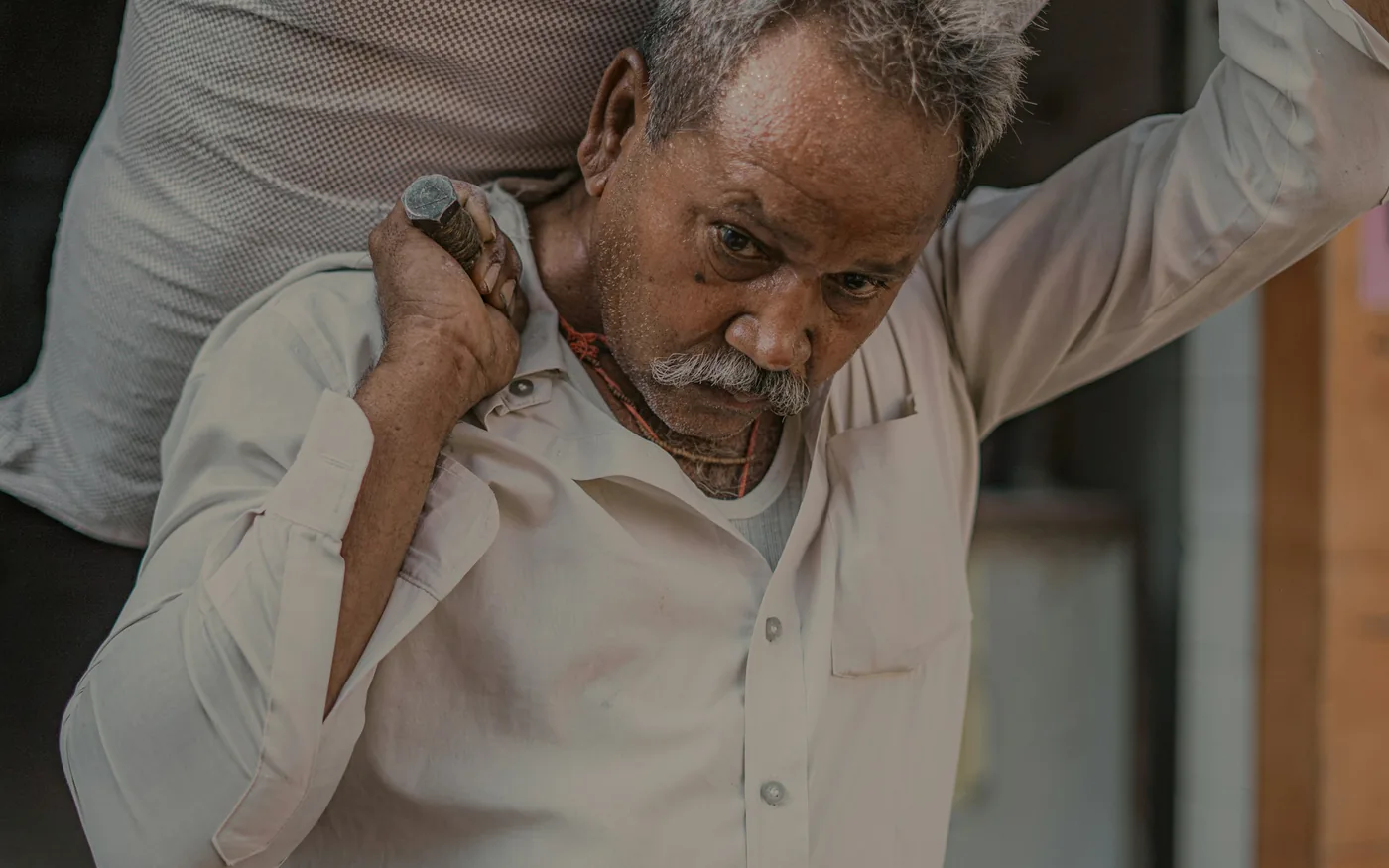
Few phrases in a scan report cause more unnecessary worry than “degenerative changes of the cervical spine”. It reads like a verdict.
For most people over fifty it is closer to a description of having a neck.

What the words actually mean
Discs lose water and height with age. The small joints at the back of the neck wear, and the body lays down extra bone at the edges. Collectively that is cervical spondylosis.
It is normal in the way that grey hair is normal — more common each decade, present in the great majority of people eventually, and not in itself a disease.
| The finding | How common after 50 | What it predicts |
|---|---|---|
| Disc height loss | Very common | Little about symptoms |
| Bone spurs | Very common | Little on its own |
| Facet joint wear | Common | Weakly associated with pain |
| Foraminal narrowing | Common | Matters if there are arm symptoms — see pinched nerve |
| Cord compression | Uncommon | Matters, and has its own signs |
The scan problem, again
This is the third time this has come up on the site, which is itself informative.
This site has made this point about knees and about persistent pain generally, and the neck is where it applies most strongly of all.
Imaging studies of people with no neck pain whatsoever find degenerative changes in the large majority once past middle age. The changes and the symptoms are both common; that does not make one the cause of the other.
None of which makes imaging useless. It rules out the things that need ruling out, and it matters a great deal when there are arm or cord symptoms. It just is not an explanation of an aching neck on its own.
What is more likely producing the ache
If the bony changes are not doing much of the work, something else is. These are the contributors that are actually modifiable.
| Contributor | How much it matters | What to do |
|---|---|---|
| Sustained positions | A great deal | Break them up; fix the screen height |
| Reduced movement | A great deal | Daily range work, within comfort |
| Muscular guarding | Considerable | Movement, warmth, hands-on work |
| Poor sleep | More than people expect | Pillow height first, then the sleep itself |
| Deconditioning | Considerable | Gentle strengthening of neck and upper back |
| The bony changes themselves | Less than the report implies | Nothing, and that is fine |

The one red flag worth memorising
Almost everything about an arthritic neck is a comfort problem. One thing is not, and it is under-recognised.
New clumsiness with the hands — fumbling buttons, dropping things, handwriting deteriorating — or a change in walking or balance can indicate pressure on the spinal cord itself rather than on a single nerve. That is cervical myelopathy, and it needs prompt assessment rather than a course of anything.
It often develops slowly enough to be attributed to age. If both hands have become clumsy over months, say so to a doctor explicitly.
What actually helps an arthritic neck
The unglamorous list, in rough order of how much difference it makes.
- Keep it moving. Range of movement daily, within comfort. A neck that is guarded stiffens further.
- Strengthen it. Gentle resistance work for the neck and upper back improves tolerance.
- Break up sustained positions. The single biggest daily contributor for most people — see desk setup and neck pain.
- Sort the sleeping position. A pillow that keeps the neck neutral makes mornings noticeably better.
- Expect fluctuation. Good months and bad months are the norm and do not indicate deterioration.
The nights and mornings pattern
Worth a note because it is the complaint people mention most and the one with the simplest lever.
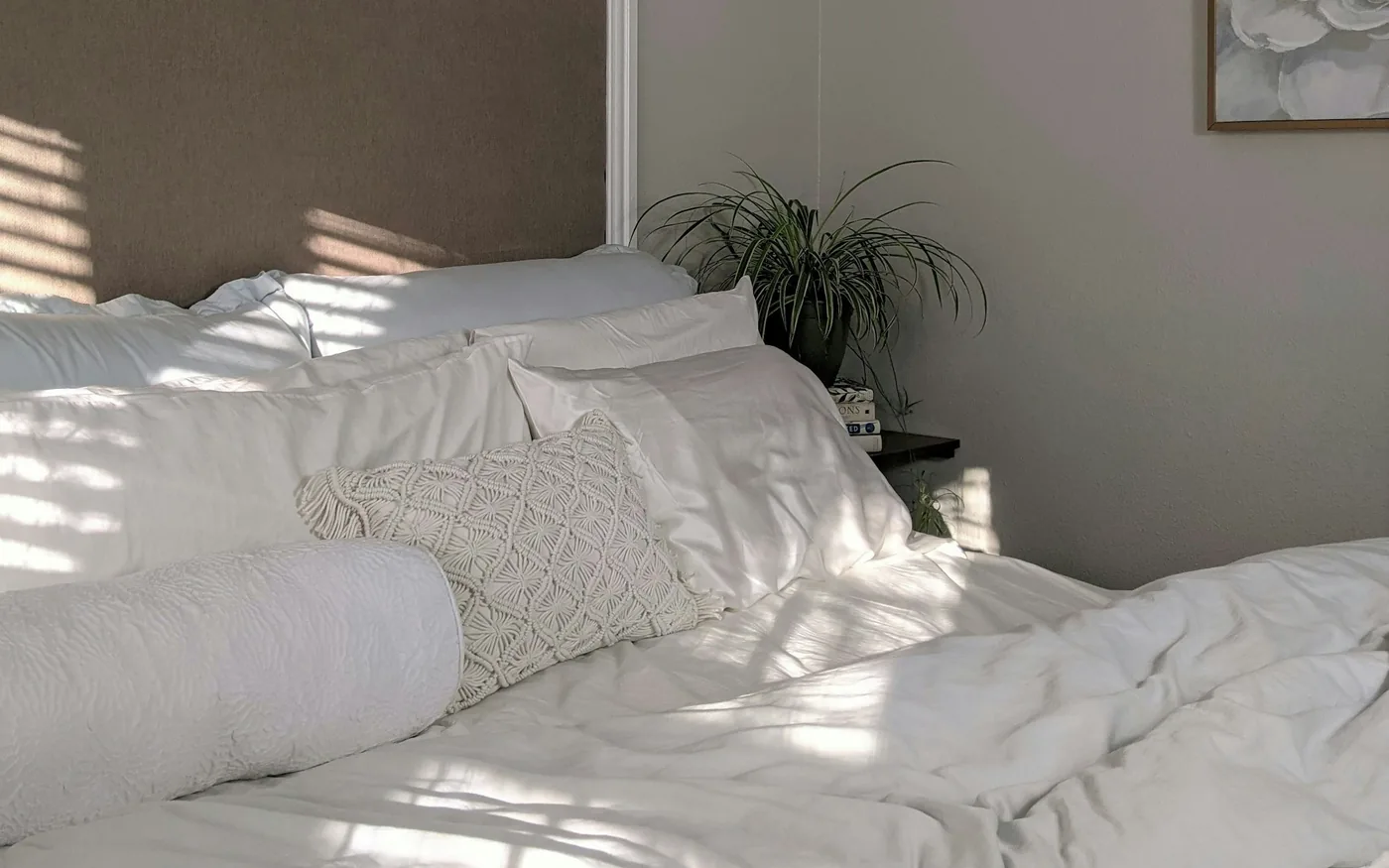
An arthritic neck is often stiffest first thing, easing over the first hour. That pattern follows a night in one position, and pillow height does more about it than anything else. Side sleepers generally need more height than they think; stomach sleeping holds the neck turned for hours and is the position worth changing.
Waking with an acutely stiff neck is a different and more dramatic problem, and it settles within weeks.
Where acupuncture and massage fit
Reasonably, for the pain and the muscular guarding, and not at all for the bony changes.
That distinction is worth holding onto: the aim is comfort and movement, and the movement is what maintains function over years. Treatment that lets you keep doing the daily range work is doing something useful.
Northwell Health publishes patient material on spine conditions if you want a fuller clinical reference.
When to see a doctor
See a doctor promptly for new clumsiness in both hands, for a change in walking or balance, for any bladder or bowel change, for progressive weakness in an arm, for neck pain with fever or unexplained weight loss, or for pain following a fall or collision.
Booking a session in Beverly
Acupuncture is $75 a session and massage is $45 for 30 minutes, $75 for 60 and $105 for 90 — all on our rates page.
See also massage for neck and shoulder pain, headache from the neck and a pinched nerve in the neck. Browse all our articles or get in touch.
Frequently asked questions
What is cervical spondylosis?
The medical term for age-related change in the neck — discs losing height, small joints wearing, bone spurs forming. It is extremely common with age and in most people causes no symptoms whatsoever.
My scan says degenerative changes. Is that serious?
Usually not. Those findings are near-universal after fifty and correlate poorly with whether someone has neck pain. A report describing degenerative change is describing a spine that has aged, which all spines do.
So why does my neck hurt?
Often because of how it is being used rather than how it looks. Sustained positions, reduced movement, muscular guarding and sleep all contribute, and all of them are more modifiable than the bony changes are.
What is the red flag?
New clumsiness with the hands — struggling with buttons, dropping things — or a change in walking and balance. Those can indicate pressure on the spinal cord rather than an ordinary arthritic neck, and they need prompt assessment.
Does acupuncture help?
It is a reasonable adjunct for neck pain, used alongside keeping the neck moving. It does not reverse degenerative change, and nothing does — but the change is generally not what is producing the symptoms anyway.
This article is general information, not medical advice. Acupuncture is intended to work alongside the care of your doctor, not to replace it. Please speak to a clinician about any new, severe or changing symptom.