It is the first question almost everyone asks, and it deserves a straight answer rather than a reassuring one. Acupuncture is not usually painful — but “not usually painful” is not the same as “you will feel nothing”, and being told the latter tends to make people trust the rest less.
Here is an honest description of what you will actually feel, from the practitioners who would be treating you.
The needles are not what you are picturing
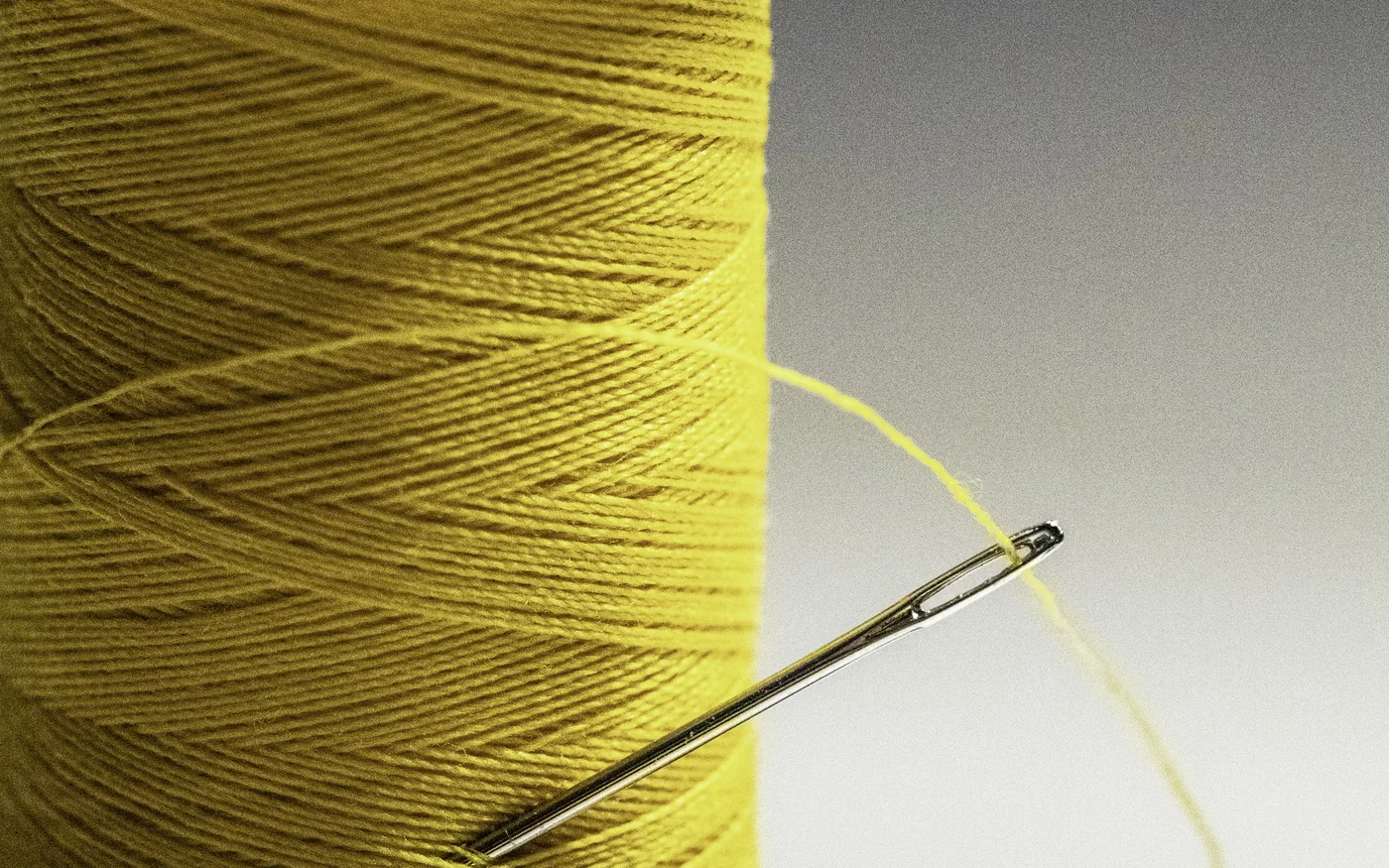
Most people picture the needle used to take blood. That is a hollow tube with a cutting bevel, designed to carry fluid. An acupuncture needle is solid, flexible, and roughly the thickness of a human hair.
| Needle type | Approximate diameter | What it is for | Typical sensation |
|---|---|---|---|
| Acupuncture needle | 0.16–0.30 mm | Solid, inserted between tissue | Often nothing; sometimes a brief tap |
| Insulin needle | 0.23–0.33 mm | Hollow, delivers fluid | A distinct sting |
| Blood draw needle | 0.8–0.9 mm | Hollow, wide bore for flow | A clear sharp scratch |
| Sewing needle | 0.6–1.0 mm | For comparison only | Would be very noticeable |
What you will actually feel
Sensation varies by point, by person, and by day. This is the realistic range.
| Moment | What people commonly report | Should it hurt? |
|---|---|---|
| Insertion | Nothing at all, or a brief tap like a fingernail | No — and it lasts under a second if felt |
| Needle in place | Heaviness, warmth, dull ache, faint spreading | No — tolerable, and it fades |
| During the rest period | Usually nothing; often deep drowsiness | No |
| Withdrawal | Almost always nothing | No |
| Afterwards | Occasional mild ache at a point, tiredness | Mild only, and short-lived |
That heavy, slightly aching feeling has a name in the tradition — de qi — and it is generally taken as a sign the point has been engaged. Some people find it oddly satisfying. Nobody should find it sharp.
What happens at a first appointment

The first visit is longer than the ones after it, and most of it is talking rather than needling.
- The conversation. Vanessa will take a full history — what brought you in, your general health, sleep, digestion, energy, medication, and what you are hoping for.
- Examination. This usually includes taking the pulse at both wrists and looking at the tongue, both traditional diagnostic methods.
- Getting comfortable. You will lie on a treatment table. Many points are on the arms and lower legs, so extensive undressing is often unnecessary.
- Needling. Somewhere between six and fifteen needles is typical, placed one at a time.
- Resting. The needles stay in for twenty to thirty minutes in a quiet room. Falling asleep is common and entirely fine.
- Afterwards. Needles are removed quickly and painlessly, and you get a moment to sit up slowly.

How to prepare
- Eat something light an hour or so before. Arriving hungry is the most common cause of light-headedness.
- Wear loose clothing that moves above the elbow and knee.
- Skip alcohol beforehand, and heavy exercise for a few hours afterwards.
- Bring a list of your medications, particularly blood thinners.
- Say if you are nervous. It genuinely changes how a first session is handled — fewer needles, more warning, shallower insertion.

Safety, and who should take extra care
Acupuncture performed by a trained, licensed practitioner has a good safety record. Serious adverse events are rare; the common ones are minor bruising, a spot of bleeding, or brief light-headedness. the Cleveland Clinic’s overview of acupuncture and its risks gives a good general summary.
Tell your practitioner before treatment if you are pregnant, take anticoagulants, have a pacemaker or other implanted electrical device, have a bleeding disorder, or have a compromised immune system. None of these automatically rule treatment out, but each changes how it is delivered.
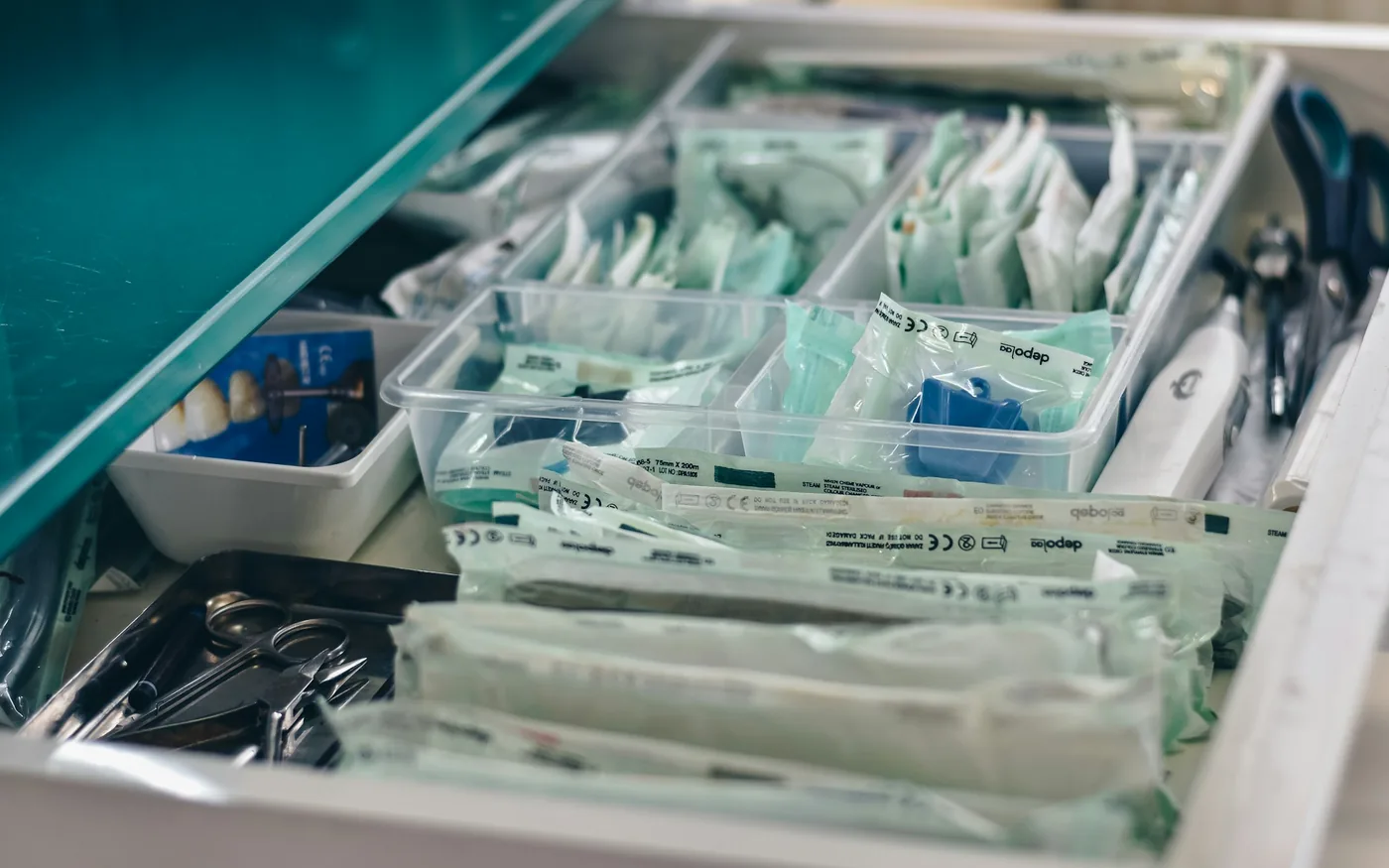
Needles here are single-use, sterile and individually sealed, opened in front of you and disposed of straight into a sharps container.
If you are still hesitant

Say so when you book. A first session can be deliberately conservative — a handful of needles in the least sensitive points, shallow insertion, and a stop the moment you want one. Nobody is going to talk you into more than you are comfortable with, and there is no advantage to pushing.
It is also worth knowing that the point of the first appointment is as much the conversation as the treatment. If you decide partway through that it is not for you, that is a perfectly reasonable outcome.
The question people ask next is what happens once you leave. what to expect in the day after a session covers the bruising, the drowsiness and the rare risks worth naming.
Booking a first session in Beverly
A session is $75, with the full list on our published rates for acupuncture and massage in Beverly. Acupuncture runs Tuesday, Wednesday and Friday from 9am to 6pm and Saturday from 8am to 2pm, by appointment only.
You can read more about what acupuncture treatment involves at our Cabot Street practice, or request a first appointment in Beverly, MA. If you have a particular complaint in mind, we have written in more depth about acupuncture for ongoing low back pain, acupuncture for anxiety and everyday stress, and acupuncture for migraines and tension headaches.
Frequently asked questions
Does acupuncture hurt?
For most people, no. Acupuncture needles are roughly the thickness of a human hair and nothing like the hollow needles used for injections. Some points are felt more than others, and a brief sensation on insertion is normal, but sharp or lasting pain is not expected. Tell your practitioner if you feel it — the needle can be adjusted or removed.
How thin is an acupuncture needle really?
A typical acupuncture needle is around 0.16 to 0.30 mm across. A blood-draw needle is roughly 0.8 mm. You could fit several acupuncture needles inside the hollow of one hypodermic needle, which is why the two feel so different.
What is the heavy or aching feeling around the needle?
That sensation has a name — de qi — and it is generally considered a sign the point has been engaged properly. People describe it as heaviness, warmth, dull aching or a faint spreading feeling. It should be tolerable and it usually fades within seconds. It should not be sharp.
Will I bleed or bruise?
A small spot of blood on withdrawal happens occasionally and is not a problem. Minor bruising occurs in a small number of cases, more often in people taking blood thinners. Mention any anticoagulant medication before your first treatment.
Should I eat before an acupuncture appointment?
Yes — have something light an hour or so beforehand. Arriving very hungry makes light-headedness more likely. It is also worth avoiding alcohol beforehand and heavy exercise straight afterwards.
Are the needles reused?
Never. Needles are single-use, sterile and individually packaged, opened in front of you and disposed of in a sharps container immediately afterwards. Reuse is prohibited.
This article is general information, not medical advice. Acupuncture is intended to work alongside the care of your doctor, not to replace it. Please speak to a clinician about any new, severe or changing symptom.