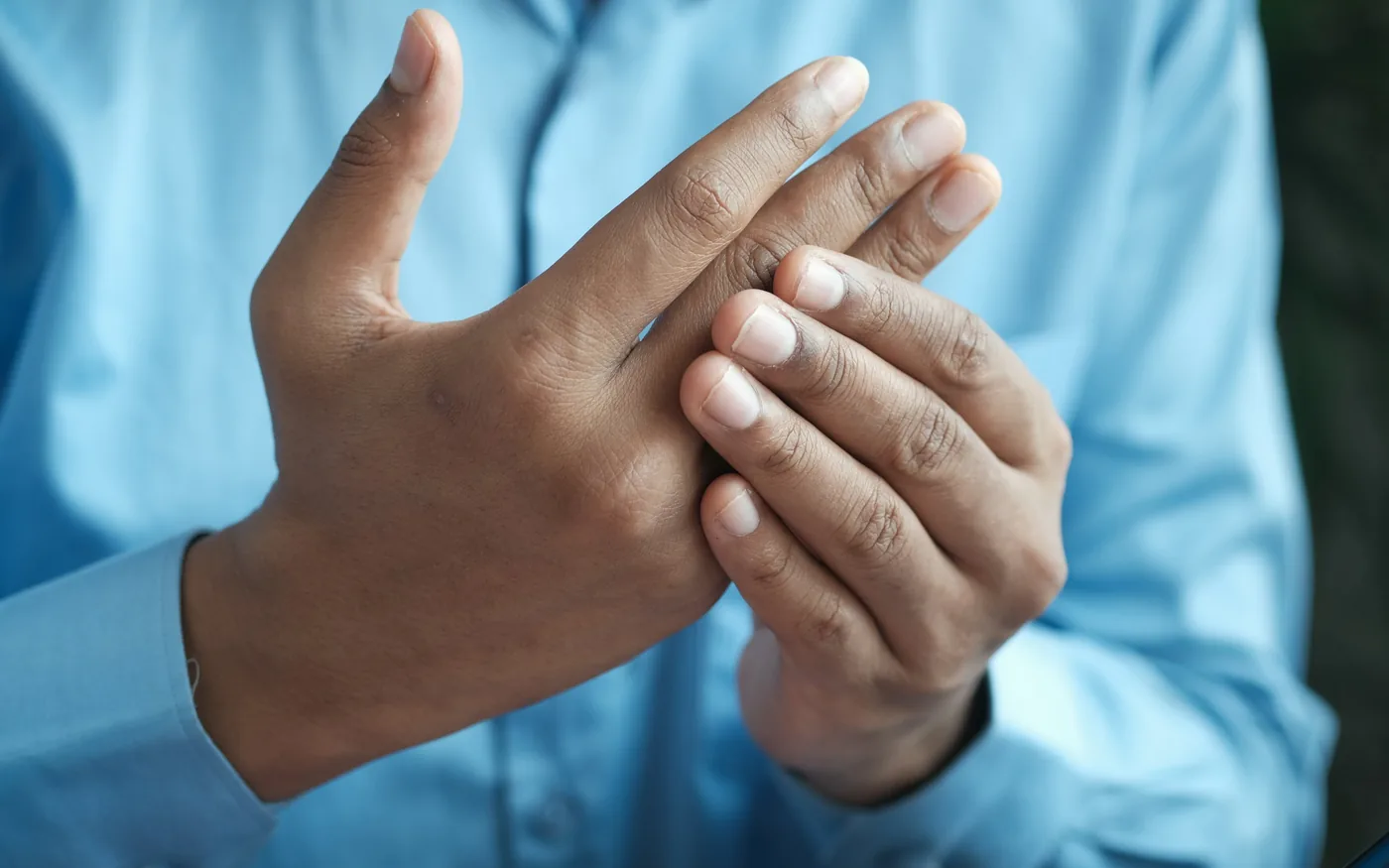
Carpal tunnel syndrome has a symptom pattern people recognise immediately once it is described: numbness and tingling in the thumb, index and middle fingers, worst at night, often waking you needing to shake the hand out.
This post is more cautious than most of ours, because the evidence here is more cautious.
What it actually is
The median nerve passes through a narrow tunnel at the wrist alongside nine tendons. Anything that reduces the space — swelling, fluid retention, thickened tissue — compresses the nerve.
That is a mechanical problem in a confined space, and it matters for expectations: no needle changes the size of the tunnel. Any benefit is symptomatic.
It is also worth knowing the risk factors are mostly not what people assume. Pregnancy, diabetes, thyroid disease and rheumatoid arthritis are stronger associations than office typing. The American Society for Surgery of the Hand has a clear patient explanation.
What the evidence supports
A systematic review and meta-analysis of 16 randomised trials covering 1,025 people found a split result worth understanding.
| Comparison | Finding | Reading |
|---|---|---|
| Acupuncture alone vs night splint | Better for pain; no better for symptom severity or function | Partial benefit only |
| Acupuncture alone vs medication | No advantage on symptom severity or nerve measures | Not a replacement |
| Acupuncture added to treatment | Improved symptoms, function, pain and some nerve measures | This is where it earns its place |
| Certainty of all the above | Low to very low | Promising rather than established |
| Adverse events | Few reported | Low risk if you try it |
So we would not suggest acupuncture instead of a splint. We would suggest it alongside one, if symptoms are persisting.
What to do first
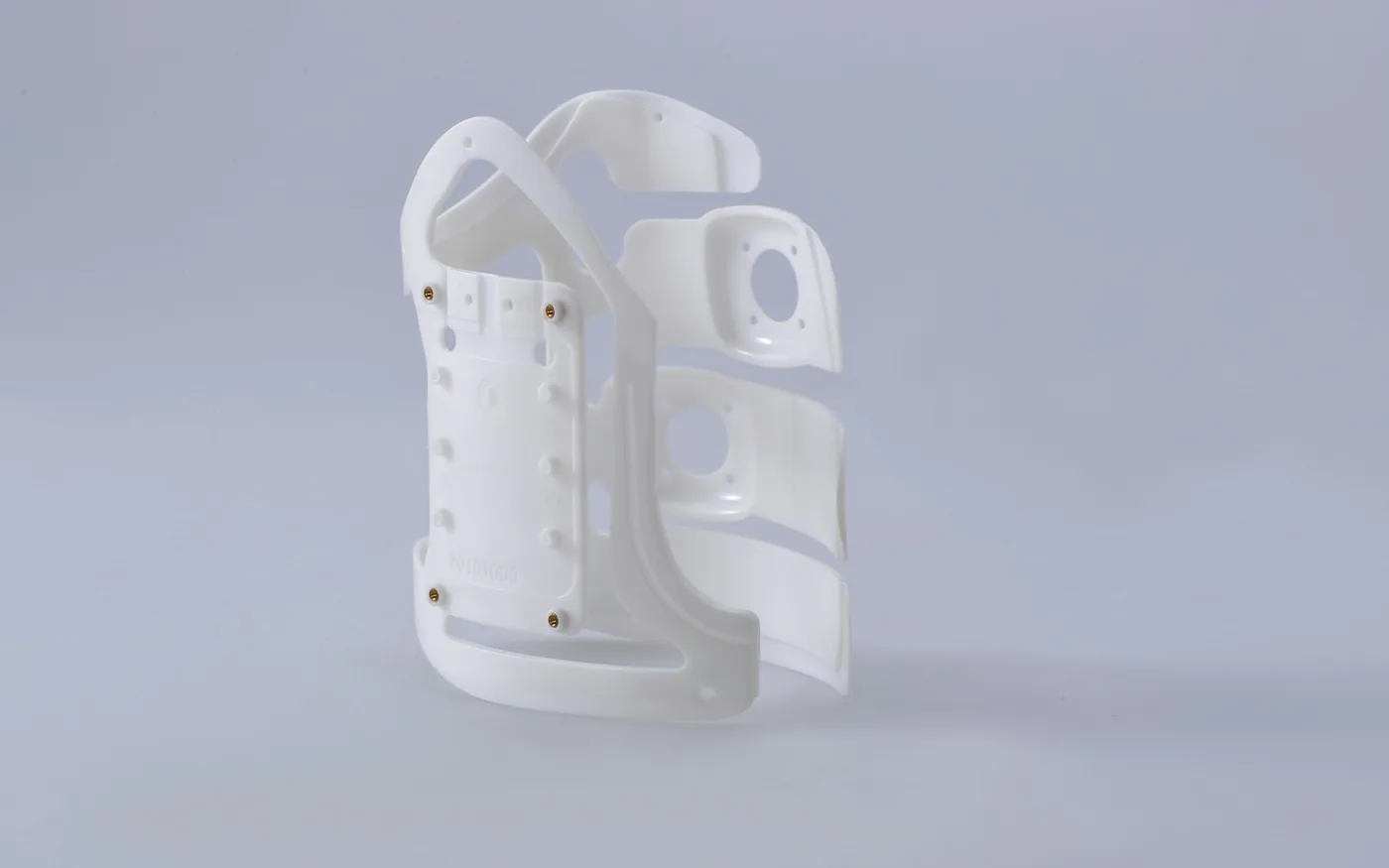
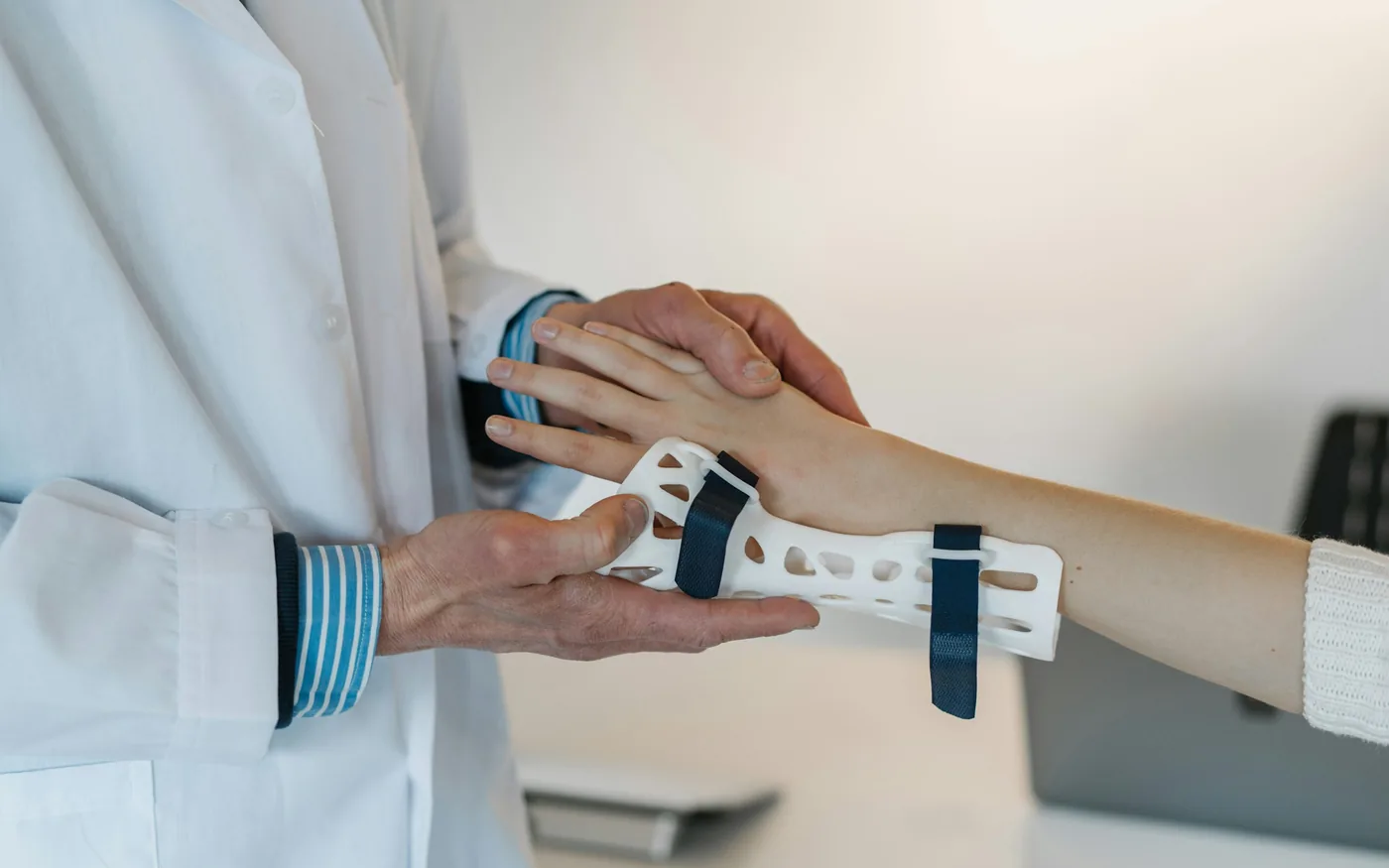
- Try a night splint. Cheap, well supported, and it addresses the night-time wrist flexion that drives the symptoms.
- Check your wrist position. Wrists should be neutral at a keyboard, not bent up. A lower keyboard or a different chair height often does more than any treatment.
- Break up sustained grip. Vibrating tools and heavy repetitive gripping matter more than typing does.
- Mention it to your doctor if you are pregnant, diabetic or have thyroid disease — treating the underlying condition sometimes resolves it.
- Then consider acupuncture as an addition if things are not settling.

Recognising it properly
Several things cause hand numbness, and they are treated differently. The distribution of the symptoms is the clue.
| Where the numbness is | Likely source | Note |
|---|---|---|
| Thumb, index, middle fingers | Median nerve — carpal tunnel | The classic pattern |
| Little and ring fingers | Ulnar nerve, often at the elbow | A different problem |
| Whole hand, plus the arm | Possibly the neck | Nerve root irritation |
| Both hands, with other symptoms | Possibly systemic | Worth blood tests |
| Sudden, one-sided, with weakness | Needs urgent assessment | Not a treatment-room problem |
What a session involves
Needles are placed at the wrist and forearm, and often at points further up the arm and at the neck, since the nerve can be irritated at more than one point along its course.
Sessions run weekly for around six weeks with a review. Track the night waking specifically — it is the symptom that tends to shift first and the one that most affects daily life.
Why the timing of assessment matters
Most musculoskeletal complaints can be given a few months of conservative treatment with little downside. Nerve compression is the exception, and it is worth understanding why.
A nerve under sustained pressure eventually loses function, and that loss does not always reverse once the pressure is relieved. Someone who spends a year trying conservative measures on a severely compressed nerve can end up with permanent numbness or weakness that earlier surgery would have prevented.
So the sensible approach is a defined trial of conservative treatment with a clear review point, rather than an open-ended one. If six weeks of splinting and acupuncture has not shifted things, that is information, and the next step is assessment rather than another six weeks.
When to stop and get it assessed
This matters more here than for a muscular complaint, because prolonged nerve compression can cause damage that does not recover.
- Constant numbness rather than intermittent tingling
- Weakness — dropping things, difficulty with buttons or jar lids
- Visible wasting of the muscle at the base of the thumb
- Symptoms in both hands that are worsening
Any of these warrants prompt medical assessment and probably nerve conduction studies. Continuing with conservative treatment while a nerve is being damaged is the outcome to avoid.
Booking a session in Beverly
Acupuncture is $75 a session, on our published rates page with everything else. Appointments run Tuesday, Wednesday and Friday 9am to 6pm and Saturday 8am to 2pm.
If the whole arm aches and it is worse with the arms held overhead rather than at night, thoracic outlet syndrome is the fourth explanation and the one people reach last.
Related reading: acupuncture for tennis elbow, a pinched nerve in the neck where the symptoms come from the neck rather than the wrist, hand and thumb arthritis if the pain is on gripping rather than tingling, and how acupuncture works if you want the mechanism rather than the condition.
Browse all our articles, or get in touch to talk it through before booking. If the honest answer is that you should see your doctor first, we will say so.
Frequently asked questions
Can acupuncture cure carpal tunnel syndrome?
No. Carpal tunnel syndrome is compression of the median nerve in a confined space, and acupuncture does not change that anatomy. What the evidence supports is symptom relief, most reliably when used alongside other treatment rather than instead of it.
How does it compare with a night splint?
A review of 16 trials and 1,025 people found acupuncture alone better than night splints for pain, but no better for symptom severity or hand function. As an adjunct added to other treatment, it improved symptoms, function, pain and even some electrophysiological measures. Certainty was low to very low throughout.
What should I try first?
A night splint keeping the wrist neutral is cheap, well supported and the usual first step. Check your wrist position at work at the same time. Acupuncture is a reasonable addition if symptoms persist or you want to avoid injection.
When does it need surgery?
Persistent numbness, weakness, or wasting of the muscle at the base of the thumb suggests nerve damage that will not reverse on its own. That needs assessment rather than more conservative treatment — delay is what causes lasting damage.
Is it caused by typing?
Less than popular belief suggests. Strong risk factors include pregnancy, diabetes, thyroid disease, rheumatoid arthritis and obesity, along with heavily repetitive or vibrating tool work. Ordinary office typing is a much weaker association.
This article is general information, not medical advice. Acupuncture is intended to work alongside the care of your doctor, not to replace it. Please speak to a clinician about any new, severe or changing symptom.