Shin splints is a problem of capacity rather than damage: the shin has been asked to absorb more than it can currently tolerate. That framing matters, because it points at the treatment — and the treatment is not rest.
First, though, there is one thing to rule out.
Shin splints or stress fracture?
These need opposite handling, so this is the first question rather than a footnote.
| Shin splints (MTSS) | Tibial stress fracture | |
|---|---|---|
| Tenderness | Diffuse, several centimetres along the inner border | One pinpoint spot you can cover with a fingertip |
| Pain pattern | Eases as you warm up, returns after | Worsens through activity and persists |
| Hopping | Uncomfortable | Sharply painful — a useful warning sign |
| Night pain | Unusual | Can be present |
| What to do | Manage load and build capacity | Get it assessed before loading it |
There is a third possibility worth knowing about. Tightness that builds at a predictable distance and then disappears within minutes of stopping, with very little tenderness to press on, is more likely exertional compartment syndrome than either of these.
Why rest is the wrong answer
It is the intuitive response and it reliably produces the same story: six weeks off, pain gone, back to running, pain back within a fortnight.
The reason is worth understanding, because it changes what you do with the next six weeks.
Bone and muscle adapt to load. Removing load entirely lets that tolerance decay, so you return to the same running with less capacity than you had when it started. The evidence-based approach is load management — reducing activity to a level that provokes no pain during, after, or the day following, and then rebuilding from there.
That threshold is the whole method. It is also why two people with the same diagnosis get very different instructions.
| What you feel | Verdict | What to do next |
|---|---|---|
| Nothing during, after or next day | Under the threshold | Add a little — one variable, one week |
| Mild ache that settles within an hour | At the threshold | Hold here for a week before adding |
| Sore the following morning | Over the threshold | Drop back to the last comfortable level |
| Worsening week on week | Too much for too long | Reduce substantially and rebuild slowly |
| One pinpoint spot, pain on hopping | Not a loading question | Get it assessed |
Building the capacity back
Progressive work on the muscles that attach along the shin and control the foot, plus the hip muscles that decide how the leg lands.
- Soleus. Bent-knee calf raises. The soleus takes an enormous share of running load and is usually the weak link.
- Tibialis posterior. Controlled arch work, because a foot that collapses inward loads the inner shin.
- Hip abductors. The same reasoning as runner’s knee — control at the hip changes what the lower leg absorbs.
- Progressive running. Add one variable at a time — distance, or pace, or surface, never together.
The soleus deserves singling out. It sits underneath the more visible calf muscle, it is worked properly only with the knee bent, and it absorbs a very large share of the force of running. Straight-leg calf raises miss it almost entirely, which is why people who have been doing calf work for months are sometimes still weak exactly where it counts.
Progression is deliberately unglamorous: two sets became three, then the weight went up, then single-leg. Written down, week by week, because memory flatters us on this.
The National Athletic Trainers’ Association publishes guidance on managing overuse injuries in athletes if you want the fuller picture.
The usual contributors
Almost everyone who arrives with shin splints can point to at least two of these, and usually three. Recognising which ones apply to you is most of the plan, because the ones you can change are the ones worth changing first.

- A jump in mileage. The classic is a new training plan or a return after a break at the old volume.
- Hard surfaces. Consistent pavement running concentrates the load.
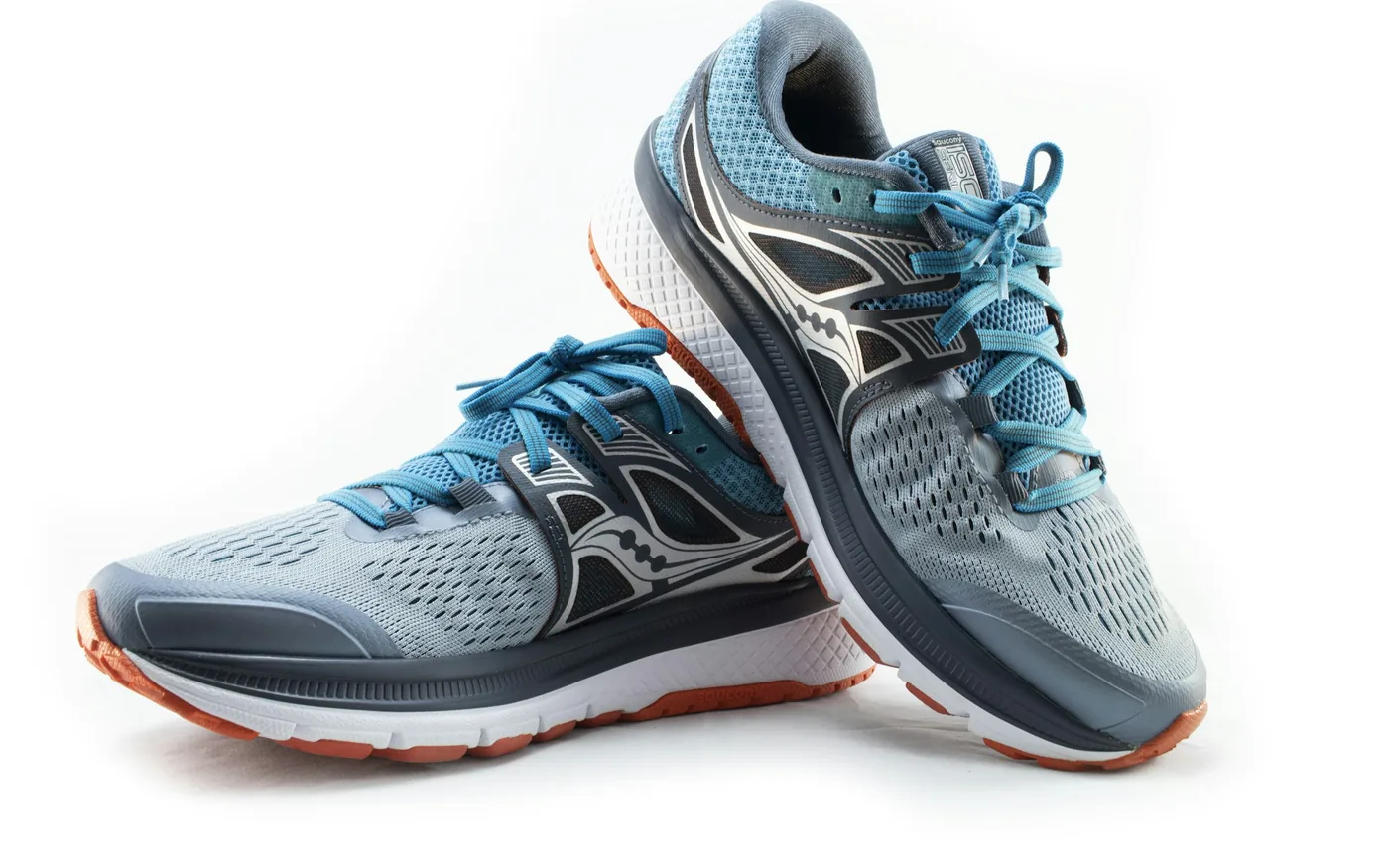
- Worn or newly changed shoes. Both feature; a sudden change of drop is as much a factor as wear.
- Running on a camber. The same side of the road every day tilts the load.
- Doing all the above at once, which is how most people actually arrive here.
Where treatment fits
Honestly: as a comfort measure. There is no strong condition-specific trial evidence for acupuncture in shin splints, and we are not going to imply otherwise.
What it can do is ease the calf tightness that almost always accompanies it, which makes the calf strengthening more tolerable. Massage of the calf is often the more useful of the two here.
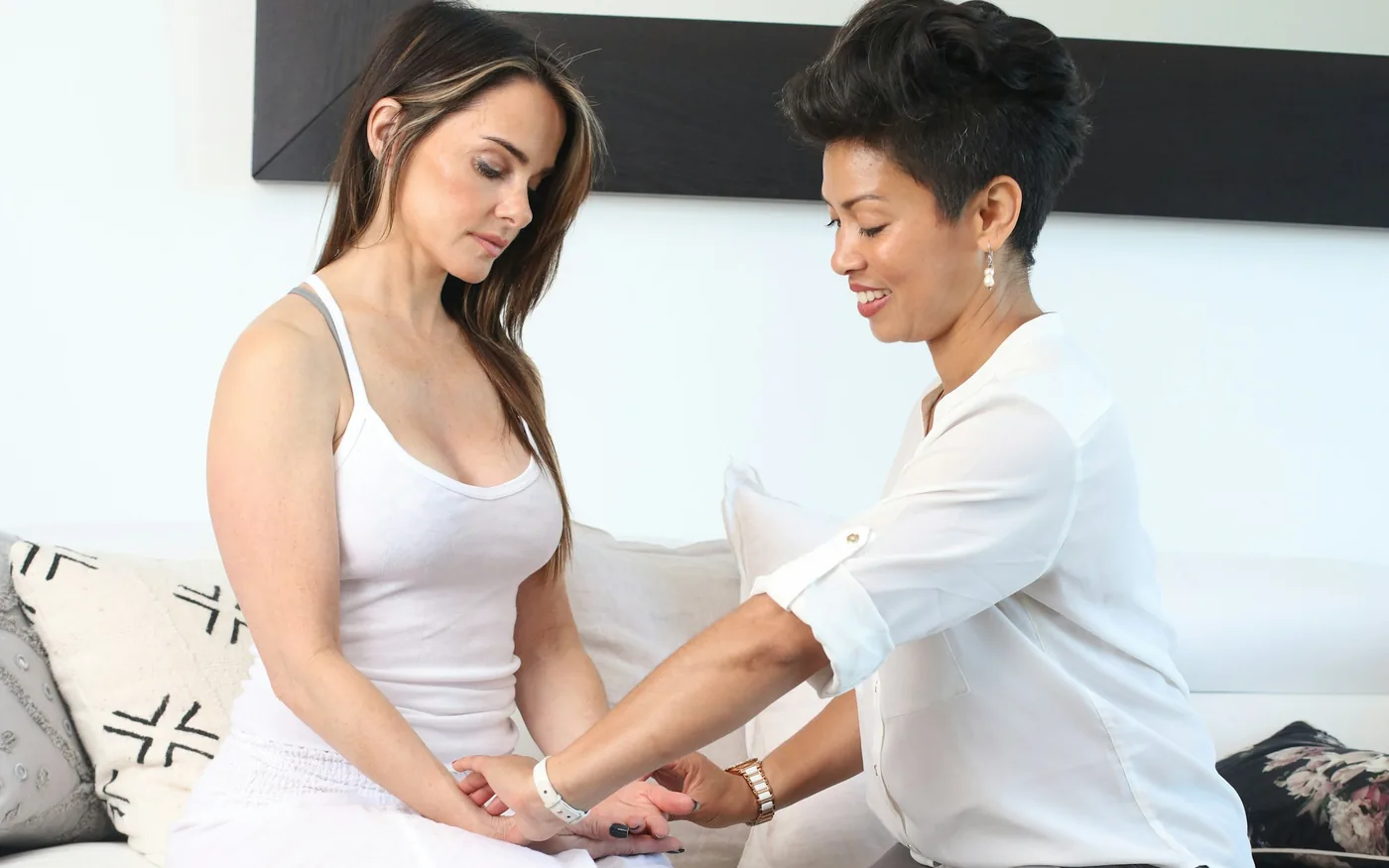
Two practical notes. Calf work is best done after a run rather than before, so it is not competing with the session itself. And thirty minutes of focused calf massage is often better value than an hour spread across the whole body when the shins are the problem.
When to see a doctor
Seek assessment for pinpoint bone tenderness, pain that wakes you at night, pain on hopping on that leg, any visible swelling or deformity, or shin pain that has not improved after six weeks of sensible load management.
Booking a session in Beverly
Massage is $45 for 30 minutes, $75 for 60 and $105 for 90, and acupuncture is $75 — all on our rates page. For calves, thirty focused minutes is usually the sensible booking.
See also Achilles tendinopathy and recovery for active people, browse all our articles, or get in touch.
Frequently asked questions
How do I know it is not a stress fracture?
The most useful clue is how the tenderness spreads. Shin splints gives diffuse soreness along several centimetres of the inner shin border. A stress fracture is usually one pinpoint spot you can cover with a fingertip, often with night pain and pain on hopping. If it is focal, get it assessed rather than loaded.
Should I rest completely?
No, and this is the most common mistake. Complete rest lets the bone and muscle lose the tolerance they had, and the pain returns as soon as you resume. The aim is reducing activity to a level that provokes no pain during, after, or the following day.
What causes it?
Almost always doing too much too soon. Repeated loading exceeds what the shin can currently tolerate. Risk factors include a rapid increase in mileage, running on hard surfaces, worn or newly changed shoes, and a foot that rolls in substantially.
How long does it take?
A few weeks for a mild case caught early; several months if it has been ignored for a season. The timeline depends far more on consistency with load management than on any treatment.
Does acupuncture help?
There is no strong condition-specific evidence. It can ease the calf tightness that usually accompanies it, which makes the strengthening more comfortable. The load management is what resolves it.
This article is general information, not medical advice. Acupuncture is intended to work alongside the care of your doctor, not to replace it. Please speak to a clinician about any new, severe or changing symptom.