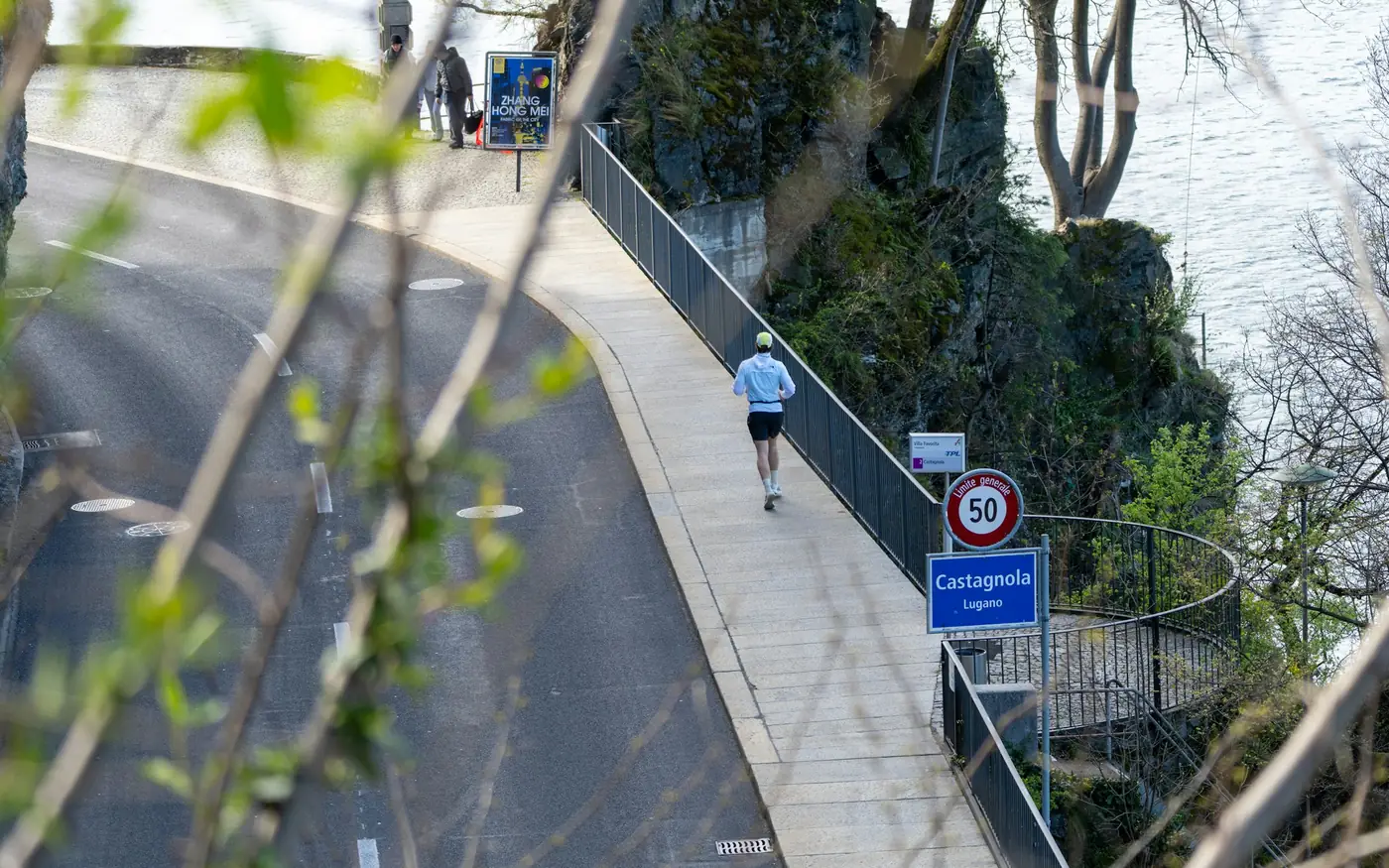
It is the most precisely described complaint on this site. The leg feels fine for the first mile and a half. Then it tightens, builds, and by two and a half miles you have to stop. Five minutes later you feel entirely normal and slightly foolish.
That description is close to diagnostic, and it is why this condition is worth separating from shin splints.

Three shin problems, told apart
These get confused constantly, and the differences are behavioural rather than anatomical.
| Compartment syndrome | Shin splints | Stress fracture | |
|---|---|---|---|
| Sensation | Tightness, fullness, cramping | Aching along the bone | Sharp, focal |
| Tenderness to press | Little or none | Diffuse along the inner border | One pinpoint spot |
| During activity | Builds steadily | Often warms up and eases | Worsens and persists |
| On stopping | Gone within minutes | Aches afterwards | Still hurts |
| Timing | Predictable distance every time | Related to overall load | Progressive over weeks |
| Read more | This page | Shin splints | Get it assessed |
What is happening
The muscles of the lower leg sit in compartments wrapped in a tough sheet of connective tissue. During exercise muscle swells and the pressure inside those compartments rises, which is normal.
In some people it rises far enough to interfere with blood flow and nerve function within the compartment, and that produces the tightness, the occasional numbness and the foot that starts to slap. Stop exercising and the pressure falls back within minutes, which is exactly what people describe.
Which compartment, and why it matters
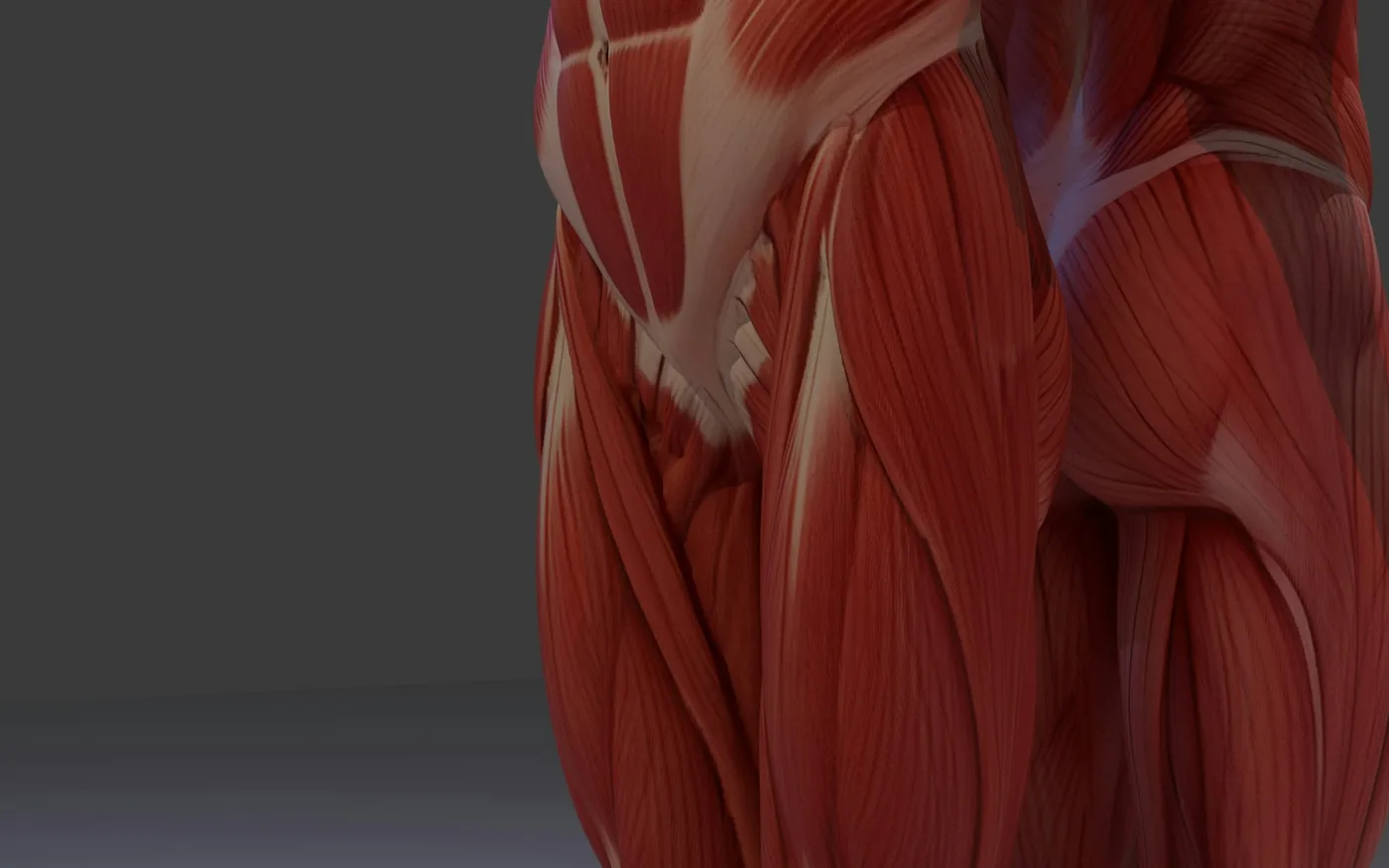
The lower leg has four compartments, and the two that commonly cause trouble behave slightly differently.
The front compartment is the classic. Tightness across the front of the shin, sometimes with the foot starting to slap or catch as the muscles that lift it tire. This is the presentation that responds best to both gait work and, where needed, surgery.
The deep back compartment produces tightness lower and deeper, more towards the inner calf, and it is both harder to identify and less reliably helped by release. Worth knowing before anybody offers an operation.
A note on diagnosis
The formal test involves measuring the pressure inside the compartment with a needle, before and after exercise. It is invasive, and its thresholds have been questioned in recent years.
Which means the history matters more here than in most conditions. If you can describe the distance at which it starts and how quickly it resolves, you have given a clinician most of what they need. It is worth writing that down before an appointment.
Brigham and Women’s Hospital publishes patient material on lower limb sports conditions if you want a fuller clinical reference.

What can be tried first
Conservative measures are worth a proper attempt before anybody discusses an operation, and a fair attempt means months rather than a fortnight.
| Approach | What it involves | Realistic expectation |
|---|---|---|
| Reduce the running volume | Stay below the distance that provokes it | Symptom control rather than cure |
| Change the surface | Softer, more varied ground | Modest, worth trying |
| Gait retraining | Altering how the foot lands, coached properly | Has helped some runners with anterior symptoms |
| Cross-training | Cycling, swimming, rowing | Protects fitness meanwhile |
| Calf and lower leg strength | General robustness | Sensible, not curative |
| Surgical release | Opening the compartment | Effective for some compartments, less for others |
Keeping fitness in the meantime
Worth its own note, because the instinct is to stop everything and that is neither necessary nor helpful.
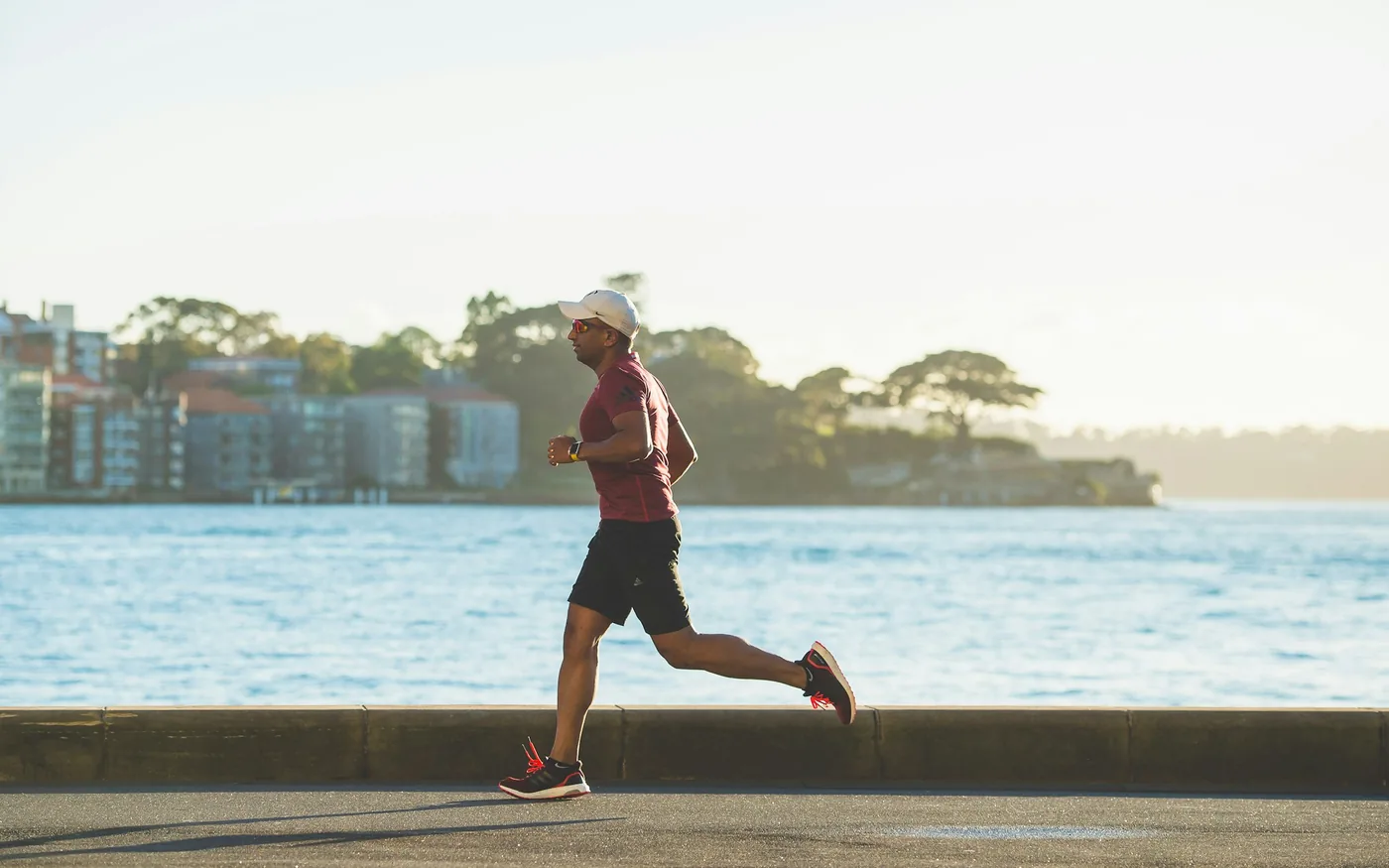
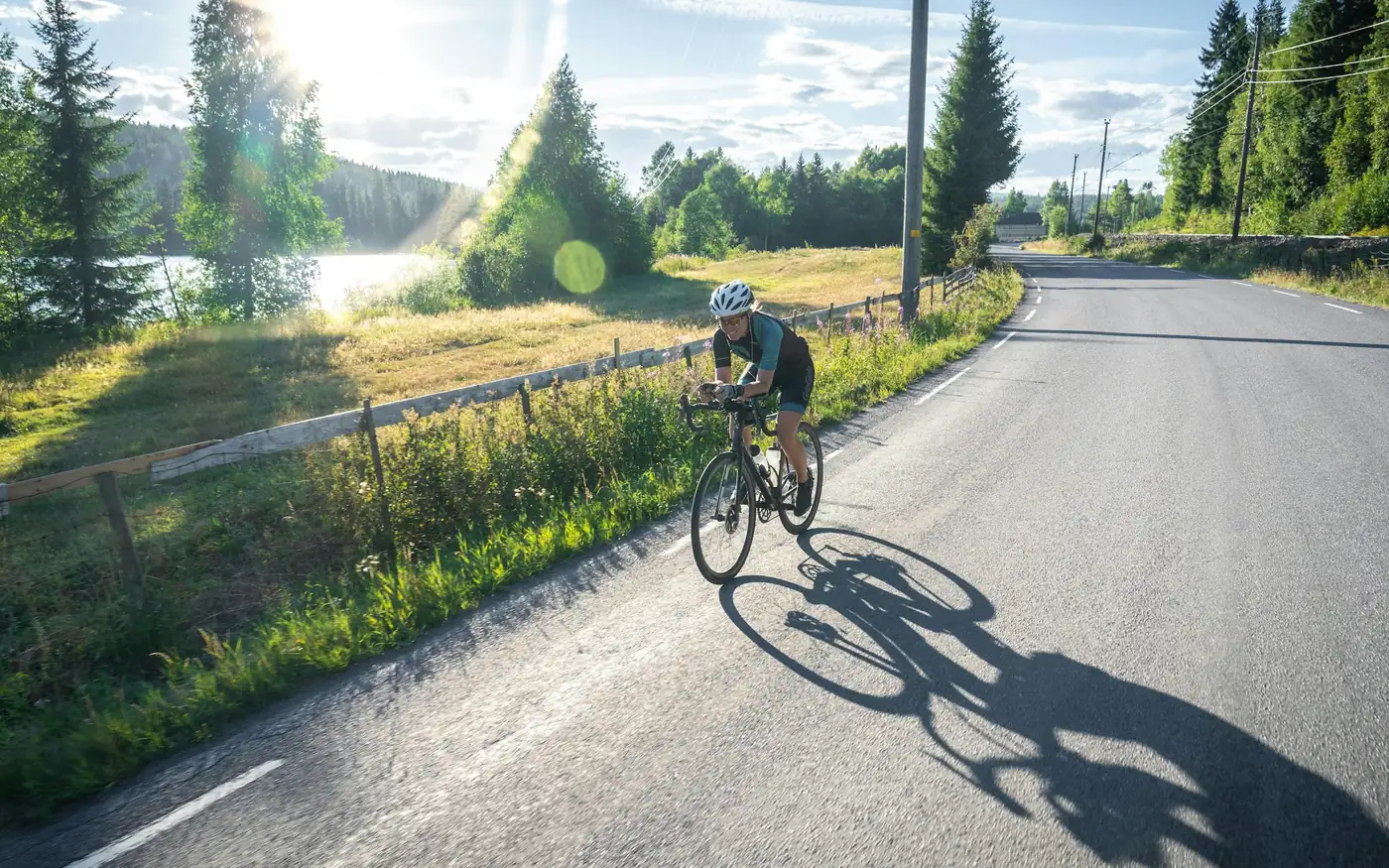
The pressure rises with the specific muscle work of running. Cycling, swimming and rowing generally do not provoke it, which means aerobic fitness can be maintained while the running load is reduced. That matters both physically and for the mood of a runner told to stop.
The same reasoning appears in shin splints and jumper’s knee: reduce the provoking load rather than all load.
Where treatment fits
Honestly, at the edges. Nothing done in a treatment room lowers the pressure inside a muscle compartment during exercise, and we are not going to suggest otherwise.
What hands-on work and needling can do is ease the calf and lower leg tightness that tends to accumulate around it, which is comfort rather than treatment. If that is what you want, it is a reasonable thing to book. If you want the problem solved, the conversation is with a sports medicine clinician.
When to see a doctor
See a doctor for leg pain that does not settle with rest, for numbness or a foot that drags, for a leg that is swollen, hot or discoloured, or for calf pain that comes on with walking rather than running — the last of those can be circulatory and needs a different assessment.
Pain that persists after stopping, rather than resolving within minutes, points away from this and towards shin splints or a stress fracture.
Booking a session in Beverly
Acupuncture is $75 a session and massage is $45 for 30 minutes, $75 for 60 and $105 for 90 — all on our rates page. For calves, thirty focused minutes is usually the sensible booking.
See also Achilles tendinopathy and recovery work for active people. Browse all our articles or get in touch.
Frequently asked questions
What does exertional compartment syndrome feel like?
A building tightness, fullness or cramping in the lower leg that starts at a fairly predictable point in a run, gets worse the longer you continue, and then settles within minutes of stopping. Some people also get temporary numbness or a foot that slaps.
How is it different from shin splints?
Shin splints produce diffuse tenderness along the inner shin bone that you can press on, and they often warm up during a run. Compartment symptoms are tightness rather than tenderness, they build rather than warm up, and they disappear at rest.
Why does it stop so quickly when I stop?
Because the problem is pressure inside a compartment of muscle that rises with exercise and falls again at rest. Once the muscle stops working the pressure drops, and the symptoms go with it.
Can it be treated without surgery?
Sometimes. Reducing running volume, changing surfaces, and in some cases altering how the foot lands have all helped people. Surgery to release the compartment is effective for some presentations and less reliable for others.
Does acupuncture help?
Not with the underlying pressure, which is a mechanical problem. It can ease the calf tightness that tends to accompany it, and we would describe that as comfort rather than treatment.
This article is general information, not medical advice. Acupuncture is intended to work alongside the care of your doctor, not to replace it. Please speak to a clinician about any new, severe or changing symptom.