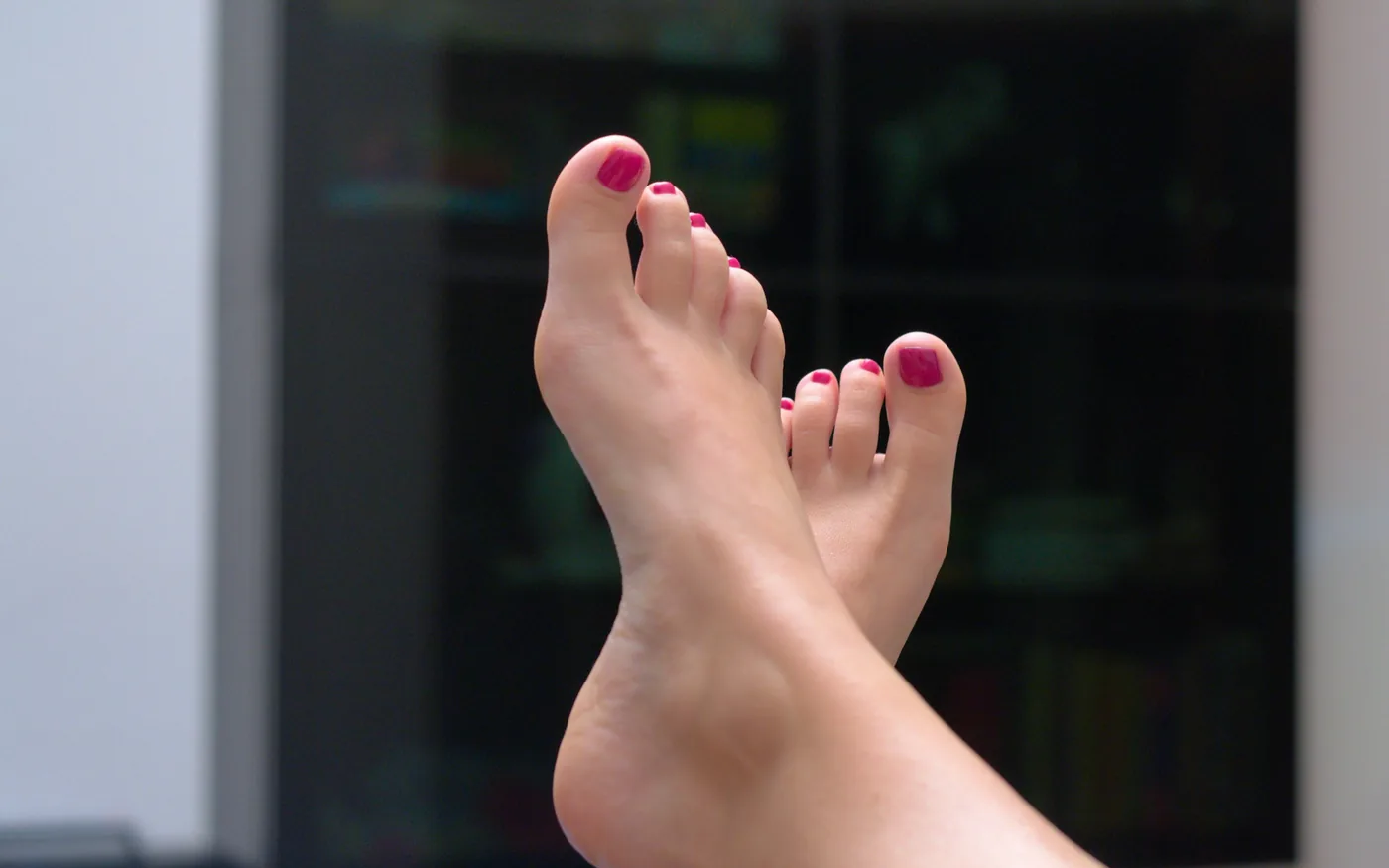
Almost everyone describes it the same way: it feels like there is a pebble in the shoe, or a sock bunched under the ball of the foot. They take the shoe off, find nothing, and put it back on.
That description is so consistent it is nearly diagnostic.
What it actually is
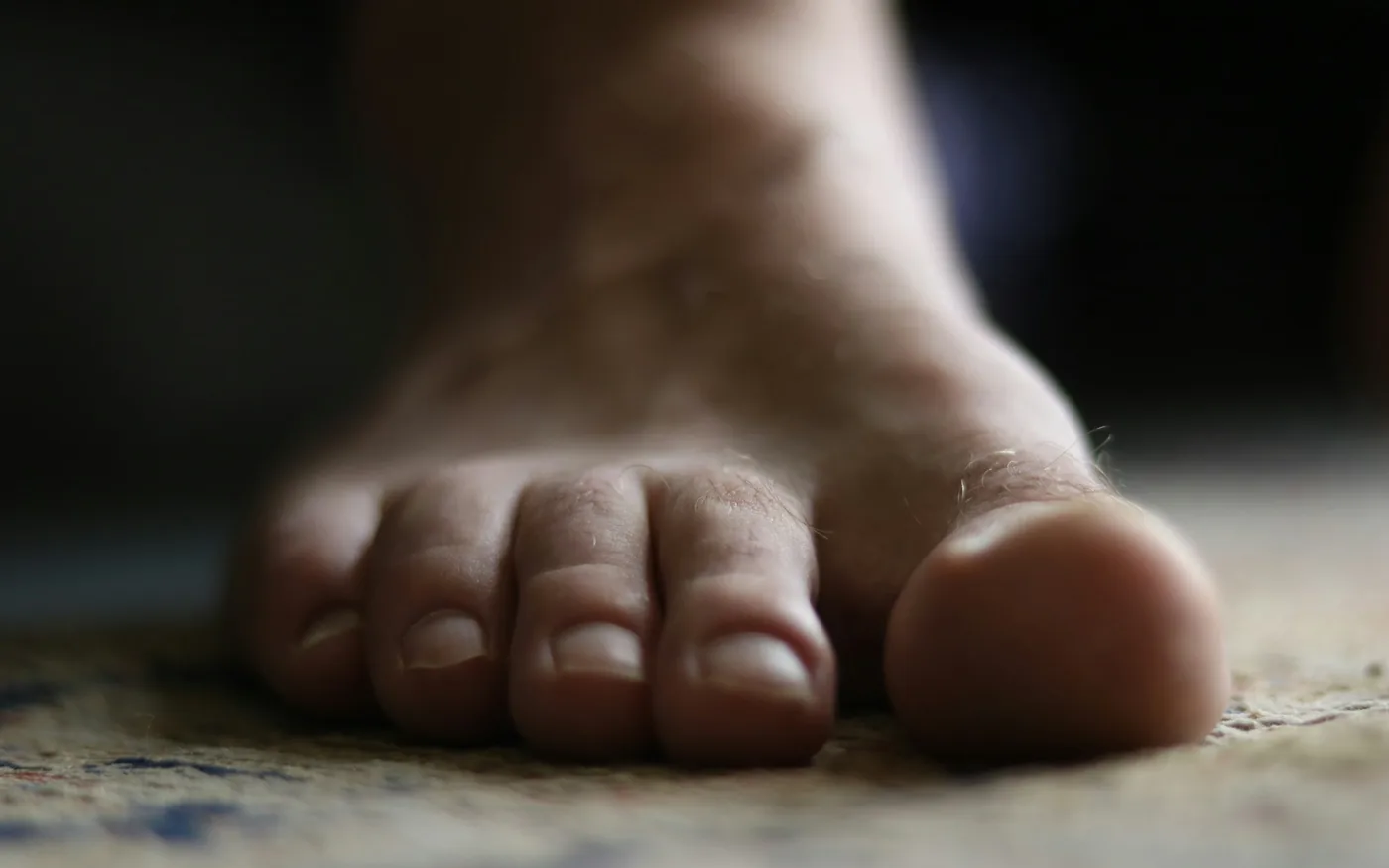
A nerve runs between each pair of long bones in the forefoot. Squeeze those bones together often enough — which is what a narrow shoe does with every step — and the tissue around one of those nerves thickens and becomes irritable.
It is usually the nerve between the third and fourth toes, sometimes the second and third. Despite the name it is not a tumour, and there is nothing sinister about it.
Telling it apart from other forefoot pain
| Morton’s neuroma | Metatarsalgia | Stress fracture | |
|---|---|---|---|
| Pain | Burning, sharp, shooting into toes | Diffuse ache under the ball | Focal, over one bone |
| Numbness | Yes, in adjacent toes | No | No |
| Tenderness | Between the bones | Under the bone ends | On the shaft of one bone |
| Shoes off | Marked relief | Some relief | Little difference |
| Swelling | Usually none | Sometimes | Often, on the top of the foot |
| What to do | Change footwear first | Load management | Get it assessed |
Why it usually starts
Rarely one thing. Usually a shoe that was always a bit narrow, plus a period of more walking or standing than usual.
- Narrow or pointed shoes, which squeeze the bones together with every step.
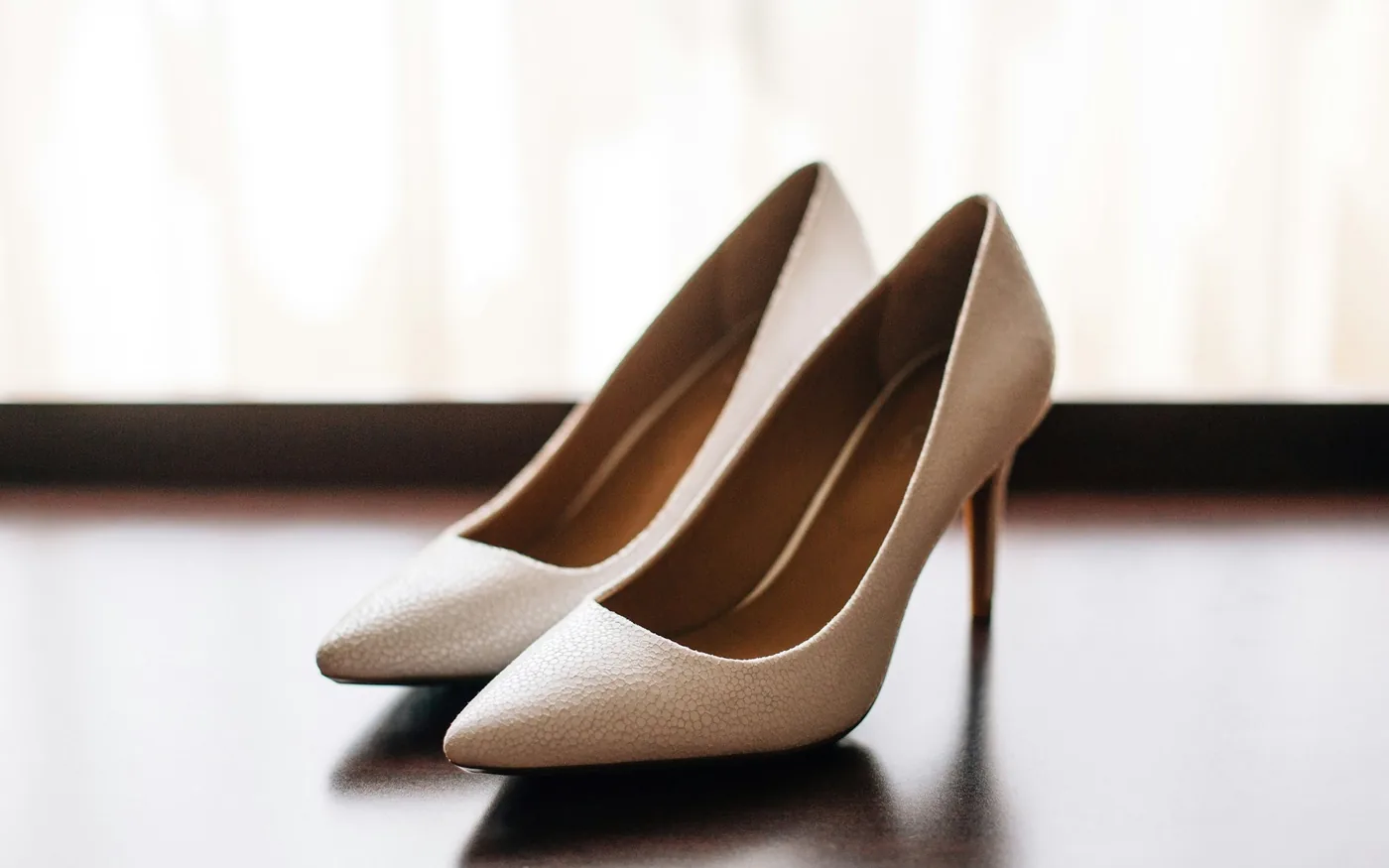
- Raised heels, which tip the load forward onto exactly the wrong part of the foot.
- A jump in walking or standing — a new job, a holiday, a fitness push.
- Thin-soled shoes on hard floors, which removes the cushioning without changing the hours.
- A foot that has widened, which happens with age and after pregnancy, in shoes bought for the old width.
The shoe is the treatment
This is unusual enough to state plainly. For most people with Morton’s neuroma, footwear change is not a supporting measure — it is the main intervention.
| Feature | What to look for | Why |
|---|---|---|
| Toe box | Wide, letting toes spread | This is the one that matters most |
| Heel height | Low, ideally under an inch | Height shifts load forward onto the forefoot |
| Sole | Some stiffness through the forefoot | Reduces how much the foot bends at the sore point |
| Fit | Room at the end when standing | Feet lengthen under load |
| Fastening | Laces or straps rather than slip-on | A slip-on has to grip somewhere, usually the forefoot |
The pad, and where it goes
Once the shoes are sorted, this is the next thing to try, and it costs a few dollars.
A metatarsal pad is cheap and it works, but only if it is in the right place — and the intuitive place is wrong.
It goes behind the metatarsal heads, just before the ball of the foot, so it lifts and spreads the bones. Put it directly under the painful spot and it presses on exactly what you were trying to unload.
Position it by feel: the pad should sit just behind where the tenderness is, not on it. It is worth moving it a few millimetres at a time over a few days.
What else helps
- Take the shoe off and rub it when it flares. It is not just comfort — it genuinely decompresses the area.
- Reduce the standing hours where you can, particularly on hard floors.
- Avoid narrow shoes entirely for a few weeks rather than saving them for special occasions.
- Give it time. Footwear changes take weeks to show, not days.
- Injection or surgery if conservative measures genuinely fail — a conversation with a foot specialist.
The American College of Foot and Ankle Surgeons publishes patient information on forefoot conditions if you want to read further before that conversation.
Give the combination a fair trial before concluding it has failed. Two or three months of genuinely different footwear is the usual benchmark, and most people who say it did not work kept one pair of the old shoes for occasions.
Where acupuncture and massage fit
Modestly. There is no strong condition-specific evidence for acupuncture in Morton’s neuroma, and we would rather you spent the first $75 on shoes.
If the footwear is already sorted and the foot is still irritable, treatment may ease the pain and the calf and foot tightness that tends to build alongside it. That is the same honest positioning as plantar fasciitis, where the free measures also outperform the paid ones.
When to see a doctor
See a doctor for pinpoint tenderness over one bone, particularly after increasing walking or running; for a hot, red or swollen forefoot; for numbness spreading beyond two toes, which suggests a different problem such as peripheral neuropathy; or for pain that has not improved after two to three months of genuinely different footwear.
Booking a session in Beverly
Acupuncture is $75 a session, massage is $45 for 30 minutes, $75 for 60 and $105 for 90, and reflexology is $65 — all on our rates page.
If the pain is at the big toe joint and the toe has stiffened rather than drifted, a stiff big toe is the one to read — and its footwear advice is the opposite of a bunion’s.
See also plantar fasciitis for heel rather than forefoot pain, Achilles tendinopathy, and shin splints. Browse all our articles or get in touch.
Frequently asked questions
What does Morton’s neuroma feel like?
Burning or sharp pain in the ball of the foot, usually between the third and fourth toes, often with numbness or tingling in the two toes either side. Most people describe standing on a pebble, a folded sock, or a bunched seam.
Why does taking my shoe off help so much?
Because the shoe is doing most of the compressing. Removing it and rubbing the foot relieves the pressure on the irritated nerve directly, and that pattern of relief is characteristic enough to be diagnostically useful.
What shoes should I wear?
A wide toe box and a low heel. The toe box matters most — the toes need room to spread rather than being squeezed together, which is exactly what crowds the nerve. This does more than any treatment discussed here.
Where does a metatarsal pad go?
Behind the metatarsal heads, not underneath them. Placed correctly it spreads the bones slightly and takes pressure off the nerve; placed under the ball of the foot it can make things worse.
Is it really a tumour?
No. The name is misleading. It is a thickening of the tissue around a nerve from chronic irritation, not a growth in any worrying sense.
This article is general information, not medical advice. Acupuncture is intended to work alongside the care of your doctor, not to replace it. Please speak to a clinician about any new, severe or changing symptom.