
This is the second article on this site written knowing it will send most readers elsewhere. The first was acupuncture for tinnitus, and this one follows the same principle: what helps you matters more than what fills our diary.
The single most useful thing we can tell you is that the commonest cause of vertigo is treated by a manoeuvre that takes a few minutes and works remarkably well.

First: which kind of dizzy?
Three quite different experiences get called dizziness, and sorting yours does more than any other step.
| What it feels like | Called | Points towards |
|---|---|---|
| The room spins | Vertigo | The inner ear, most often |
| About to faint | Lightheadedness | Blood pressure, medication, dehydration |
| Off balance on your feet | Unsteadiness | Balance systems, vision, sometimes the neck |
| Spinning on standing up | Often orthostatic | Blood pressure — see your doctor |
| Floating or detached | Non-specific dizziness | Various, including anxiety |
BPPV, and why it matters most
If your vertigo is brief, intense, and triggered by moving your head — rolling over in bed is the classic — then benign paroxysmal positional vertigo is the likeliest explanation.
Small crystals that normally sit in one part of the inner ear have moved into a canal where they do not belong, so head movement produces a signal that does not match what your eyes report. Hence the spinning.
It is treated by moving them back, with a sequence of head positions called a repositioning manoeuvre — the Epley being the best known. Performed by someone trained, it is strikingly effective, often in one or two sessions.
We do not do this, and it is worth being blunt: if you have BPPV, a clinician who performs repositioning manoeuvres will help you far more than we can. The Vestibular Disorders Association is a good starting point for understanding the condition.
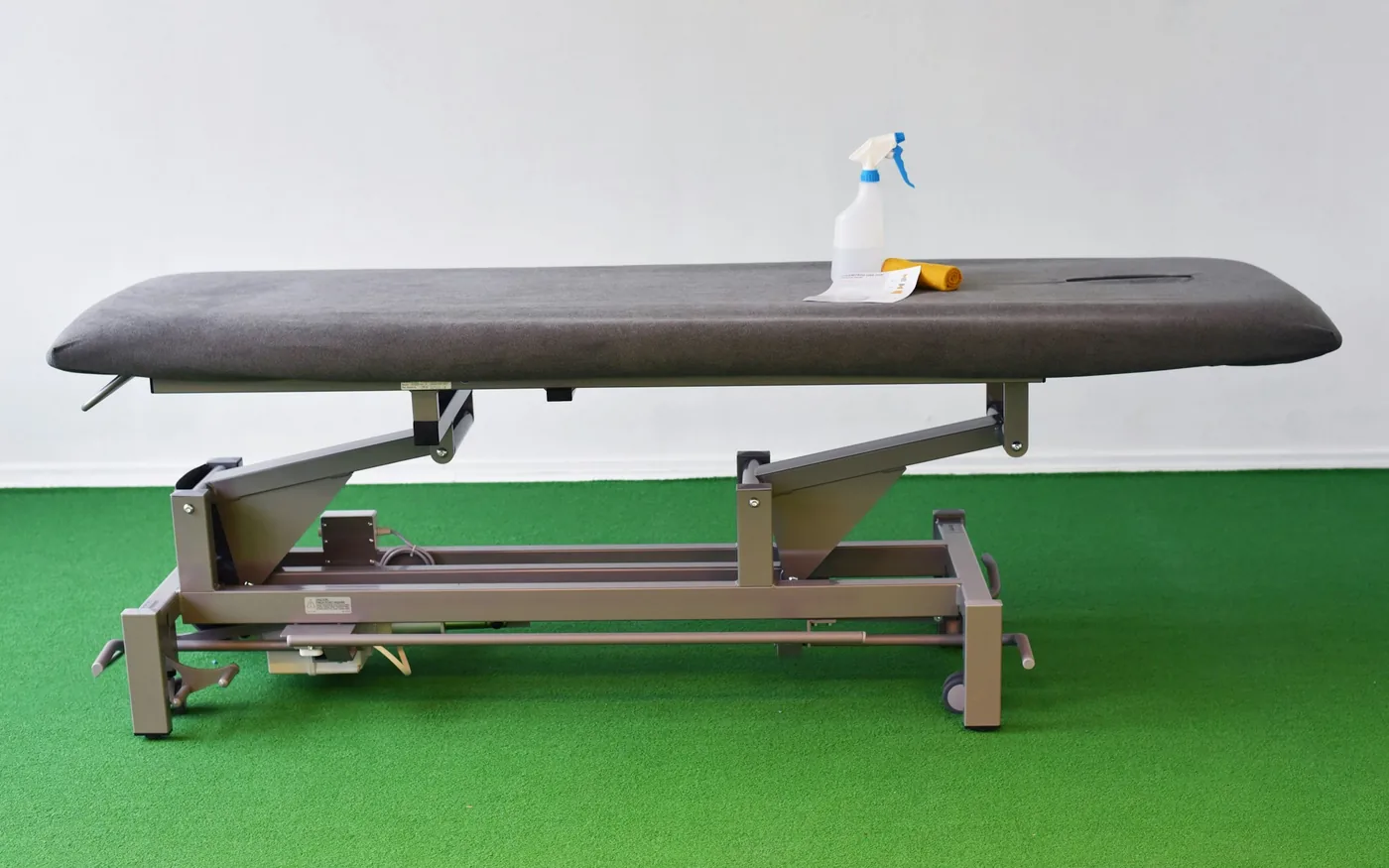
One practical detail worth knowing before you go: the diagnosis is usually made by deliberately provoking the vertigo in a controlled position, which is unpleasant for about thirty seconds and tells the clinician exactly which canal is involved. Knowing that is coming makes it easier to sit through.
It can also recur, particularly in older adults, and a recurrence is not a sign the first treatment failed. It is the same problem happening again, and the same manoeuvre generally works again.
The other common causes
| Pattern | Suggests | What to do |
|---|---|---|
| Seconds of spinning on head movement | BPPV | Repositioning manoeuvre |
| Days of severe vertigo, no hearing change | Vestibular neuritis | See a doctor; vestibular rehab afterwards |
| Attacks of hours, with hearing loss and tinnitus | Possible Ménière’s | See an ENT specialist |
| Vertigo with headache and light sensitivity | Vestibular migraine | See a doctor; often underdiagnosed |
| Unsteadiness with neck pain, no spinning | Possibly cervicogenic | After other causes are excluded |
| Sudden, with neurological symptoms | Possible stroke | Emergency assessment |

Red flags, plainly
Most dizziness is not dangerous. A small proportion of it very much is, and the features that separate the two are worth knowing by heart rather than looking up at the time.
Call emergency services for sudden dizziness accompanied by double vision, slurred speech, facial droop, weakness or numbness down one side, a severe headache unlike any before, or an inability to walk unaided.
See a doctor promptly for new hearing loss with vertigo, vertigo after a head injury, vertigo with a fever and stiff neck, or a first severe episode that lasts more than a few minutes.
The narrow exception
Cervicogenic dizziness is a recognised but genuinely contested diagnosis. It describes unsteadiness — not spinning — associated with neck pain and provoked by neck movement, in someone whose other causes have been excluded.
It is diagnosed by exclusion, which is exactly the right order: inner ear and neurological causes first, neck last. Where it genuinely applies, treating the neck is reasonable, and the mechanism overlaps with headache referred from the upper neck.
What we will not do is tell someone with positional spinning that their neck is the problem. That is how people spend months not getting a manoeuvre that would have worked in a week.

What helps afterwards
This part is routinely skipped, and it is often the difference between feeling recovered and feeling wary for months.
Even once the cause is treated, confidence and balance often lag behind. Vestibular rehabilitation — structured balance and gaze exercises — is the evidence-based answer to that, and it is worth asking about rather than waiting it out.
Avoiding movement feels sensible and works against you, in much the same way described in why pain persists after healing. The system recalibrates through use.

So should you book with us?
If you have positional vertigo, no. See someone who performs repositioning manoeuvres, and come back to us for something else.
If your causes have been investigated, the answer was neck-related unsteadiness, and you also have ongoing neck and shoulder tension worth addressing, then a conversation is reasonable. Acupuncture is $75 and everything is on our rates page.

Booking in Beverly
We are appointment-only, and if the honest answer is that you should see someone else first, we will say so on the phone rather than after you have paid.
Browse all our articles, or get in touch.
Frequently asked questions
What is the commonest cause of vertigo?
Benign paroxysmal positional vertigo, usually shortened to BPPV. It produces brief, intense spinning triggered by a change in head position — rolling over in bed, lying down, or looking up — typically lasting under a minute.
How is BPPV treated?
With a repositioning manoeuvre, most commonly the Epley, performed by a trained clinician. It is highly effective and often works in one or two treatments. Nothing offered in an acupuncture clinic compares, and we would rather say so.
Is dizziness the same as vertigo?
No, and the distinction guides everything else. Vertigo is a false sense of movement, usually spinning. Lightheadedness is feeling about to faint. Unsteadiness is feeling off balance while upright. They have different causes.
Can neck problems cause dizziness?
Cervicogenic dizziness is a recognised but contested diagnosis, made only after other causes have been excluded. It presents as unsteadiness associated with neck pain and neck movement rather than true spinning. It is the one presentation where neck treatment has a plausible role.
When is dizziness an emergency?
Sudden vertigo with double vision, slurred speech, facial droop, weakness or numbness on one side, a severe new headache, or an inability to walk unaided needs emergency assessment. Those can indicate a stroke.
This article is general information, not medical advice. Acupuncture is intended to work alongside the care of your doctor, not to replace it. Please speak to a clinician about any new, severe or changing symptom.