
You woke up and your neck will only turn one way. It hurts sharply at the end of that movement, your shoulder feels involved, and reversing the car is out of the question.
It is one of the most common things anybody walks into a treatment room with, and one of the most reliably self-limiting. That said, there are things worth doing today and things worth not doing.
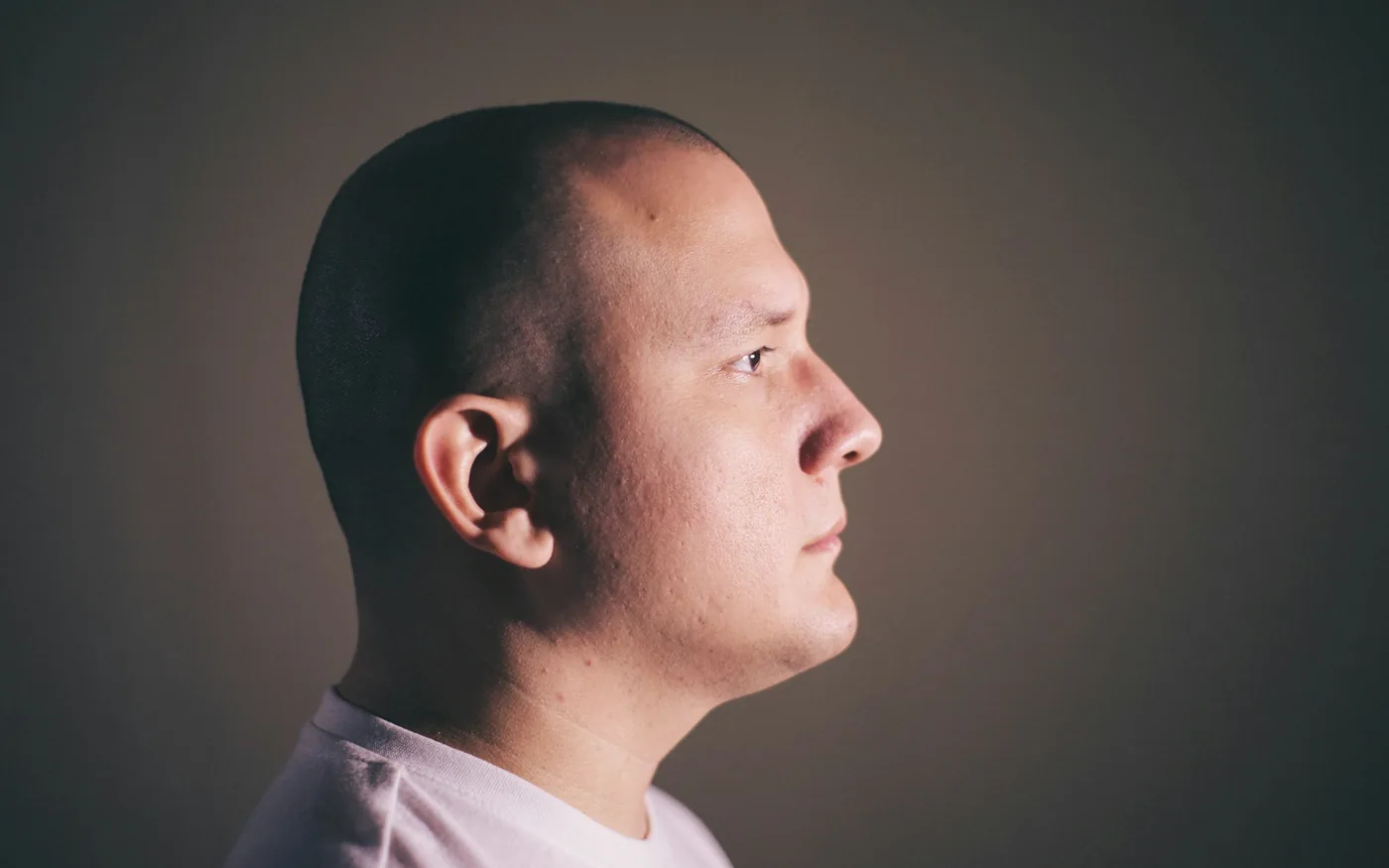
What has actually happened
The sleeping position gets the blame, and it is usually only the trigger. A small joint at the back of the neck, or the tissue around it, becomes irritated. The muscles around it then guard hard — which is a protective reflex, not damage — and it is that guarding you feel as the lock.
Which explains the pattern people describe: it hurts to turn one way, the other way feels nearly normal, and it is at its worst first thing.
What to do today
| Do | Why | Do not |
|---|---|---|
| Keep it moving gently | Movement restores range faster than rest | Wear a collar or hold it rigid |
| Use warmth | Encourages guarding muscles to release | Assume ice is always right |
| Take simple painkillers | Makes the gentle movement possible | Rely on them instead of moving |
| Carry on with the day | Normal activity is protective | Go to bed with it |
| Stretch to the edge of comfort | Gains come back gradually | Force it, or have it forced |
| Expect days, not weeks | Most settle inside two weeks | Panic on day two |

The one thing that needs urgent care
Almost every stiff neck is musculoskeletal. One pattern is not, and it is worth knowing by heart rather than looking up at three in the morning.
A stiff neck with fever, severe headache, dislike of bright light, a rash, drowsiness or confusion needs emergency assessment. That combination can indicate meningitis.
The distinguishing feature is worth knowing: an ordinary wry neck restricts turning and is painful at one side. Meningitis classically restricts bending the chin towards the chest, and arrives with the systemic symptoms above.
The American Association of Neurological Surgeons publishes patient material on neck conditions if you want a fuller reference.

Other things it might be
Four patterns are worth separating out, because each has a different article and a different answer.
- Symptoms travelling into the arm with tingling in specific fingers points at a pinched nerve in the neck rather than a simple spasm.
- Pain following a collision is whiplash, which has its own timeline and management.
- Headache starting at the base of the skull and always on the same side may be referred from the upper neck.
- Recurring monthly rather than a one-off suggests something maintaining it, usually a workstation — see desk setup and neck pain.
What the first fortnight usually looks like
Knowing the shape of it stops the ordinary course of events feeling like a setback.
| When | What is typical | What would not be |
|---|---|---|
| Day 1–2 | Worst. Movement sharply limited one way | Fever, headache, light sensitivity |
| Day 3–5 | Range starting to return, still sore | Getting steadily worse |
| Week 1–2 | Most movement back, occasional catches | No change at all from day one |
| After 2 weeks | Usually settled | Persisting or spreading into the arm |
| Any point | Improving overall | Weakness, numbness, or trouble walking |
The pillow question
Worth addressing, though it is less decisive than people hope. The aim is a neutral neck: not propped up at an angle, not dropped down.
Side sleepers generally need more height, to fill the gap between shoulder and head. Back sleepers need less. Stomach sleeping keeps the neck turned to one side for hours and is the one position genuinely worth trying to change.
Firmness matters far less than height, and an expensive pillow at the wrong height is still the wrong height.

Where treatment fits, which is unusually well
A short section, and a rare one on this site.
We spend a good deal of this site explaining where hands-on work does less than people hope. This is one of the cases where it does rather well, and it would be strange not to say so.
The problem is protective muscular guarding around an irritated joint. Gentle massage and needling address that guarding directly, and easing it is often what lets the movement come back sooner.
The important word is gentle. An acutely irritable neck does not want aggressive work, and anyone reaching for forceful technique on day two is not reading the situation.

When to see a doctor
Seek emergency care for stiff neck with fever, severe headache, light sensitivity, rash or confusion. See a doctor for neck pain after a fall or collision, for weakness or numbness in the arms or legs, for any change in walking or bladder control, or for a stiff neck that has not improved at all after two weeks.

Booking a session in Beverly
Massage is $45 for 30 minutes, $75 for 60 and $105 for 90, and acupuncture is $75 — all on our rates page. For an acute stiff neck, thirty focused minutes is usually the sensible booking.
If pain sits lower, around the ribs and front of the chest, costochondritis and rib pain covers it — with the caveat that chest pain is assessed medically first, always.
See also massage for neck and shoulder pain for the longer-standing version. Browse all our articles or get in touch.
Frequently asked questions
Why did I wake up with a stiff neck?
The sleeping position is usually the trigger rather than the whole cause. A small joint or muscle in the neck becomes irritated, the surrounding muscles guard hard to protect it, and that guarding is what locks the movement. It is more dramatic than it is serious.
How long does it take to settle?
Most cases improve substantially within a few days and resolve within one to two weeks. If it is not improving at all after two weeks, or is getting worse, that is worth an appointment.
Should I use heat or ice?
Heat, generally. The problem is muscular guarding rather than inflammation from an injury, and warmth encourages the guarding to let go. Ice is not harmful if you prefer it, but heat suits this better.
Should I keep it still?
No. Gentle movement within comfort is what restores the range. Collars and deliberate stillness prolong it, which is why they have fallen out of favour.
When is a stiff neck an emergency?
A stiff neck with fever, severe headache, sensitivity to light, a rash, or confusion needs emergency assessment. So does neck pain after significant trauma, or neck pain with weakness or numbness in the arms or legs.
This article is general information, not medical advice. Acupuncture is intended to work alongside the care of your doctor, not to replace it. Please speak to a clinician about any new, severe or changing symptom.