146 Cabot Street, Beverly, MA 01915 978.524.4888 View Hours Get Directions

Category: Acupuncture & Wellness

Guides to acupuncture, massage and reflexology written by our practice at 146 Cabot Street, Beverly, MA. Every article listed newest first.

  • Massage and Recovery for Active People: What It Does and Does Not Do

    Massage and Recovery for Active People: What It Does and Does Not Do

    Recovery is the part of training most people under-plan and over-market to themselves. Massage has a genuine role in it, and a narrower one than the industry around it suggests.

    Here is what the research actually found, which is useful precisely because it is not a blanket endorsement.

    Delayed onset muscle soreness peaks a day or two after hard training
    Soreness peaks a day or two after unaccustomed work.

    What massage does, and what it does not

    A meta-analysis pooling 29 studies and just over a thousand participants found massage produced small but statistically real improvements in flexibility and in delayed onset muscle soreness.

    The same analysis found no evidence that massage improves strength, jump performance, sprint performance, endurance or fatigue.

    OutcomeEffect of massagePractical reading
    Muscle sorenessSmall but real improvementThe main reason to book
    FlexibilitySmall but real improvementUseful alongside your own mobility work
    Perceived recoveryConsistently reportedFeeling recovered has training value of its own
    StrengthNo evidence of benefitDo not book expecting this
    Sprint and jumpNo evidence of benefitAs above
    EnduranceNo evidence of benefitAs above
    Massage makes the days after hard training more comfortable. It does not make you faster.

    That is not a criticism. Being less sore means training again sooner and with better quality, and consistency is what actually produces adaptation. The American College of Sports Medicine publishes position stands on recovery and training load if you want to go deeper.

    Worth saying plainly, because the industry around recovery is not always straight about it: feeling recovered and being recovered are different things, and massage is better evidenced for the first.

    Timing it properly

    When you book matters as much as whether you do.

    WhenWhat suitsWhy
    Day after hard trainingModerate to deep workSoreness is peaking; this is the best-supported window
    Mid training block60 minutes, generalKeeps accumulated tightness in check
    Week before competitionLighter work onlyTime to recover from the massage itself
    24 hours before racingAvoid deep work entirelyCan leave legs feeling flat
    Day after competitionLight flushing workComfort rather than repair
    Off-season90 minutes, whole bodyThe right moment for long-standing restrictions
    The one firm rule: nothing deep immediately before an event you care about.
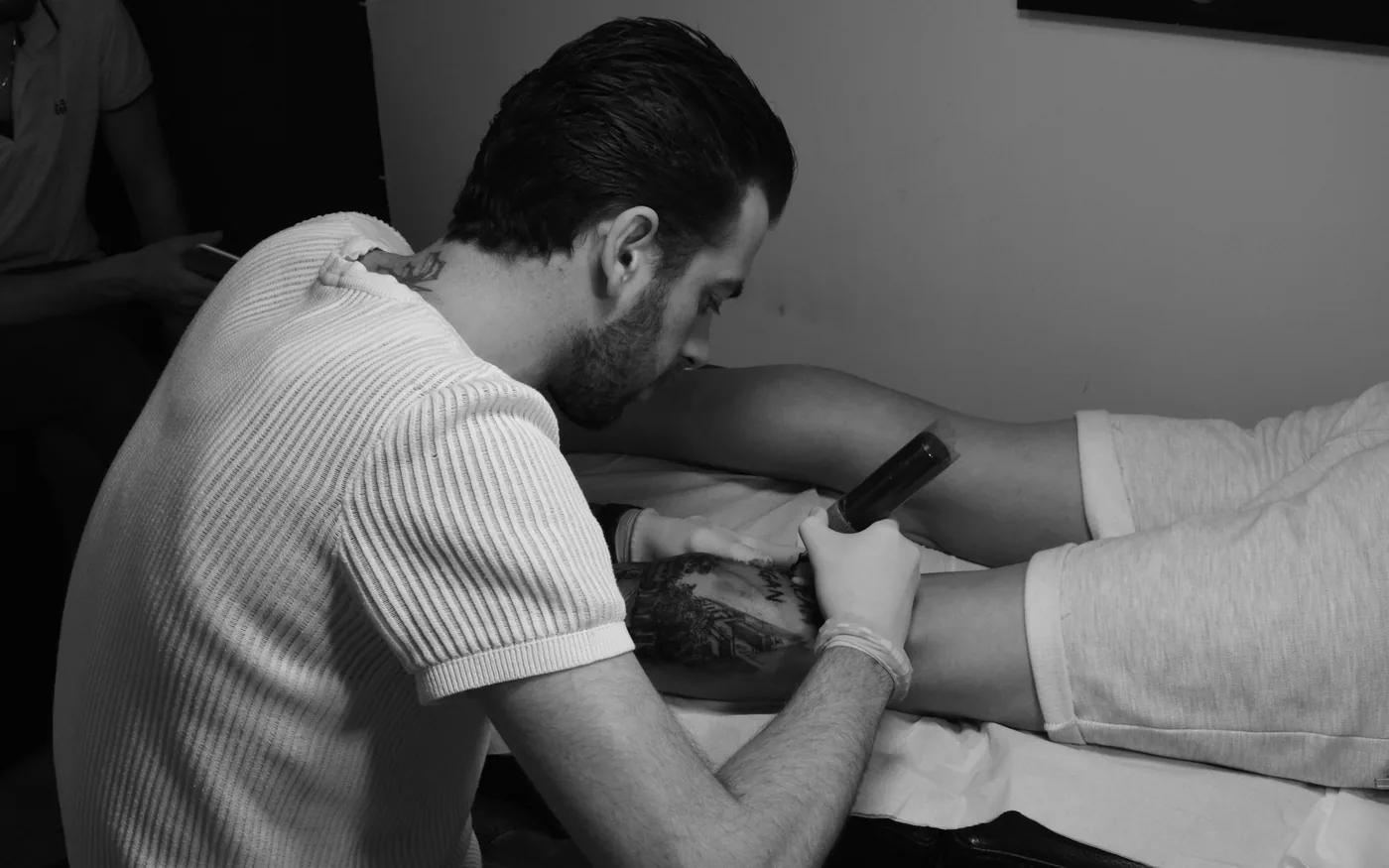
    Focused work on the legs after heavy training loads
    Focused work on the legs after heavy training loads.

    Where acupuncture fits for active people

    Massage is the obvious choice for general training load. Acupuncture tends to come in for something more specific: the niggle that has outlasted a rest week.

    A persistent Achilles grumble, a hip that only complains at mile eight, a shoulder that has not been right since a heavy block — these are musculoskeletal pain problems rather than recovery problems, and the general pain evidence applies to them.

    Being straight about this: there is very little sports-specific trial evidence for acupuncture. What exists is the wider literature on musculoskeletal pain, which is reasonable but was not gathered on athletes. Treat it as a sensible option rather than a proven one.
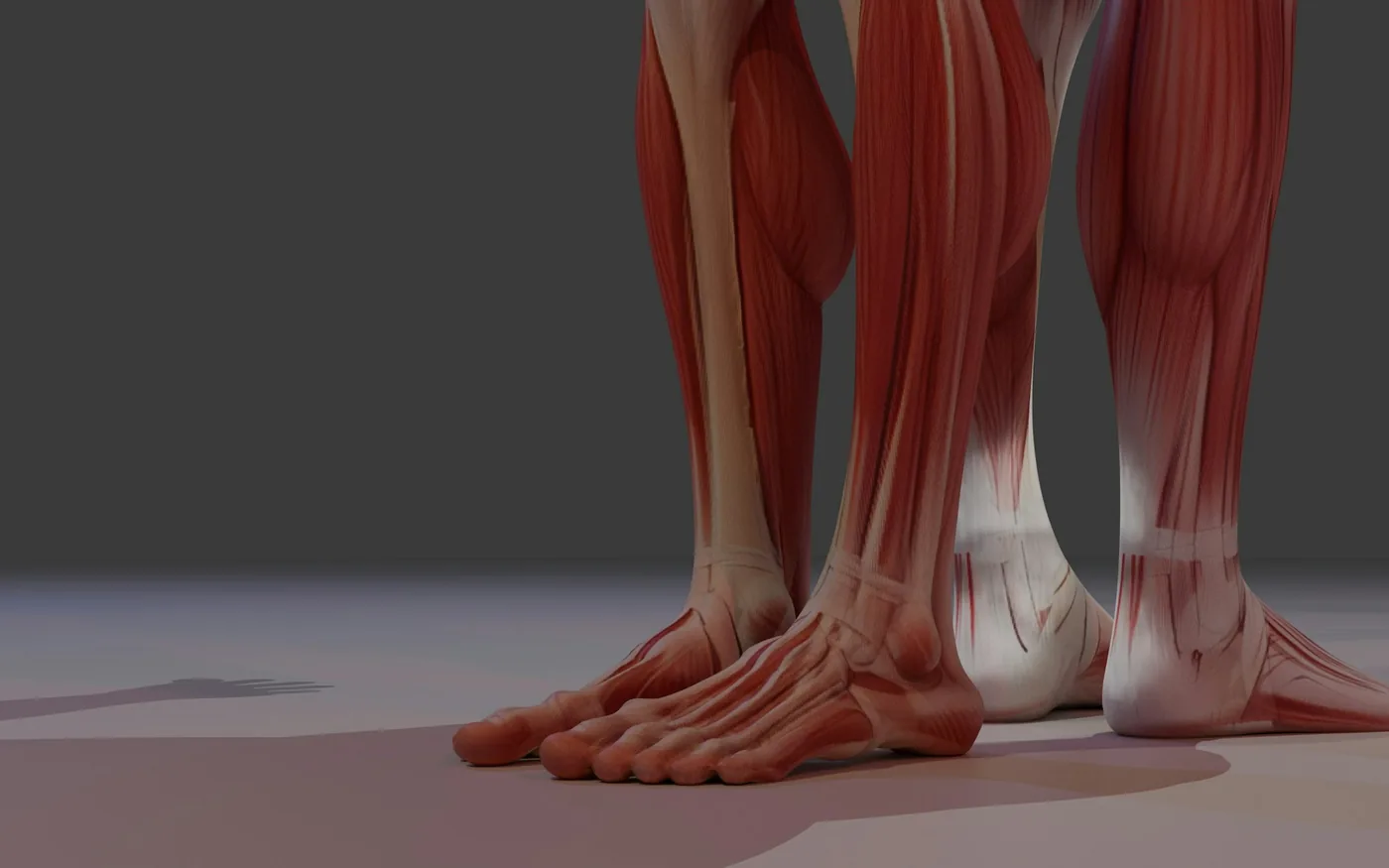
    Acupuncture is used for the persistent niggles that outlast a rest week
    Acupuncture is used for the niggles that outlast a rest week.

    Load is usually the real problem

    Most people who arrive asking about recovery have a planning problem rather than a recovery problem. Soreness that will not clear, performance that has stalled and sleep that has got worse usually point at training volume that climbed too fast.

    No amount of massage compensates for a jump in weekly load that the body has not been given time to absorb.
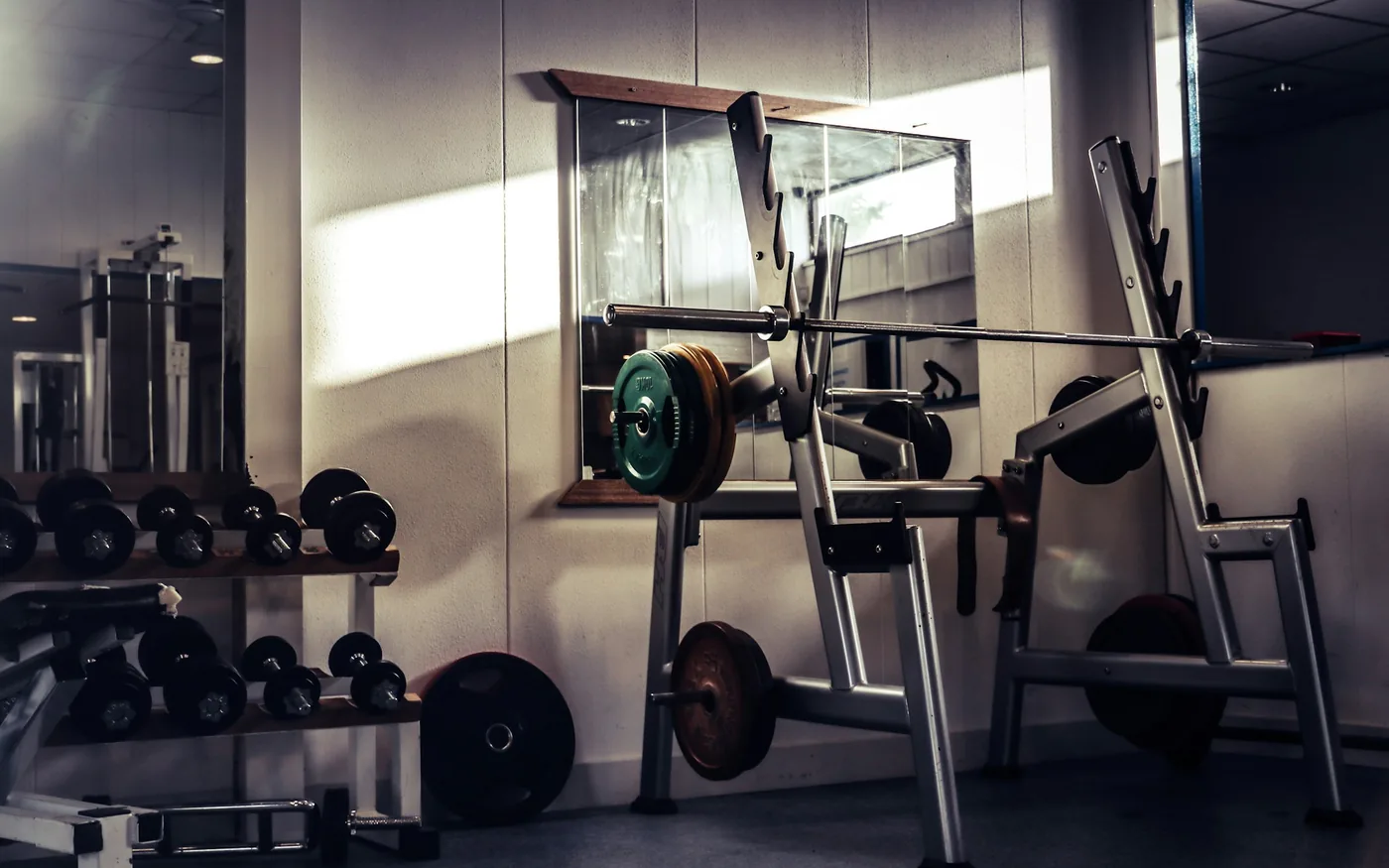
    Recovery has to be planned alongside training load, not bolted on
    Recovery has to be planned alongside training load, not bolted on afterwards.

    Soreness or injury?

    Worth being able to tell apart, because they need opposite responses.

    • Soreness arrives 12 to 48 hours later, is spread across the muscle belly, affects both sides roughly equally, and eases as you warm up.
    • Injury tends to arrive during or immediately after activity, localises to one spot you can point at, is often one-sided, and gets worse rather than better as you continue.

    Sharp, localised, one-sided pain should be assessed rather than massaged.

    What actually matters most for recovery

    In order, and massage is not at the top.

    1. Sleep. Nothing else comes close. Seven to nine hours does more for recovery than every intervention below combined.
    2. Eating enough. Particularly protein and total calories. Under-fuelling is the most common cause of stalled recovery we hear about.
    3. Managing load. Most soreness problems are planning problems. Large jumps in volume produce large amounts of soreness.
    4. Easy movement. A gentle walk or spin the day after beats complete rest.
    5. Massage. Genuinely useful, and fifth.
    Sleep remains the single most effective recovery intervention there is
    Sleep remains the single most effective recovery intervention there is.

    Between appointments

    A foam roller reproduces some of the effect at a fraction of the cost, and the evidence for it is broadly similar to that for massage — useful for soreness and range of motion, not for performance. Five to ten minutes on the areas that took the load is enough.

    Lynn is also a certified yoga instructor, so stretching and home mobility work are usually built into a session rather than left for you to research afterwards.
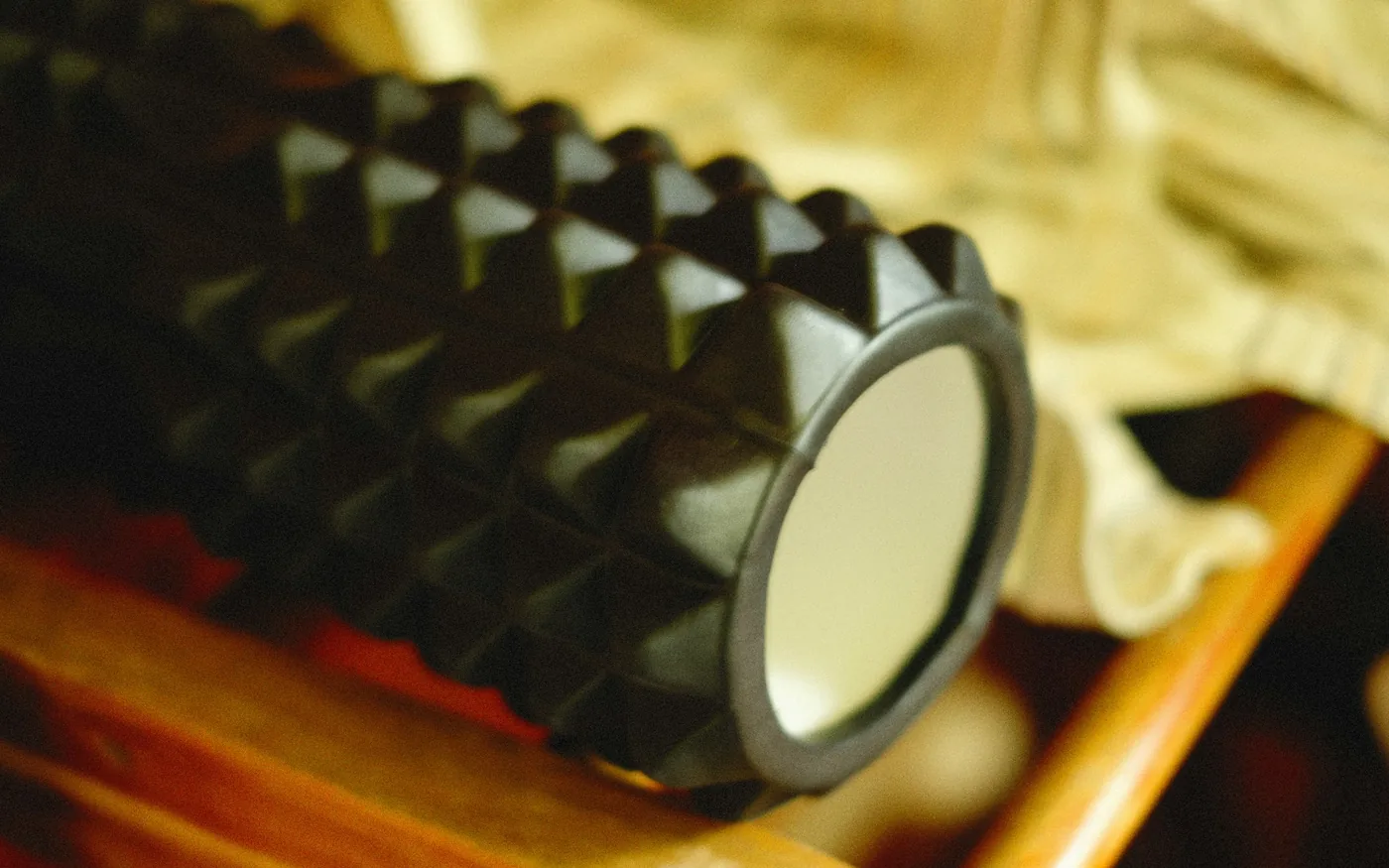
    Self-massage tools between appointments extend the benefit
    Self-massage between appointments extends the benefit.

    Booking a session in Beverly

    Massage is $45 for 30 minutes, $75 for 60 and $105 for 90, with reflexology at $65 — all on our published rates page. Sessions run Monday, Tuesday, Wednesday and Friday from 7am to 3pm and Saturday 8am to noon, which suits training before or after work.

    Read more about therapeutic massage at our Beverly practice, massage for neck and shoulder pain, or if this is your first time, what to expect from a first massage. Otherwise get in touch to book an appointment.


    Frequently asked questions

    Does massage improve athletic performance?

    No, and the evidence on this is reasonably clear. A meta-analysis of 29 studies found small but real improvements in flexibility and soreness, and no evidence of improvement in strength, jumping, sprinting, endurance or fatigue. It helps you feel better, which is worth having, but it is not an ergogenic aid.

    When should I book relative to training?

    For soreness, within a day or two after the hard session. Avoid deep work in the 24 hours before a race or competition — it can leave you feeling flat. Light flushing work is fine at any point.

    How long should the session be?

    Thirty minutes for one specific area, sixty for legs and back after general training load, ninety if you want whole-body work. Longer sessions do appear to produce more benefit for soreness.

    Is soreness the same as injury?

    No. Delayed onset muscle soreness comes on 12 to 48 hours after unaccustomed work, affects the muscle belly generally and eases with gentle movement. Pain that is sharp, localised to one point, or present during the activity itself is a different matter and should be assessed.

    Can acupuncture help with training niggles?

    It is commonly used for the persistent musculoskeletal complaints that outlast a rest week. The evidence there comes from the general pain literature rather than from sports-specific trials, so treat it as a reasonable option rather than a proven one.

    This article is general information, not medical advice. Acupuncture is intended to work alongside the care of your doctor, not to replace it. Please speak to a clinician about any new, severe or changing symptom.
  • How Does Acupuncture Actually Work?

    How Does Acupuncture Actually Work?

    There are two answers to this, and pretending they are the same answer does nobody any favours. One comes from a tradition roughly two thousand years old. The other comes from neuroscience departments over the last fifty years.

    Both are worth knowing, and the gap between them is worth being honest about.

    The needle activates sensory nerve fibres in the skin and muscle
    The needle activates sensory nerve fibres in skin and muscle.

    The traditional explanation

    The classical framework describes channels — meridians — through which qi circulates, with points along them where that circulation can be influenced. Illness is understood as disruption to the flow, and needling as a way to restore it.

    It is worth being straightforward: meridians are not anatomical structures. You cannot dissect one out. What they are is an organising system, refined over a very long period of careful clinical observation, that tells a practitioner where to needle for a given presentation.

    That system still works as a clinical map. It is simply not a claim about anatomy, and the practitioners we would trust do not present it as one.

    The traditional meridian framework predates the modern research by centuries
    The traditional framework predates the modern research by centuries.

    What the research has found

    The physiological picture is genuinely well studied, and it is more interesting than the sceptical version suggests.

    StepWhat happensEvidence
    1. InsertionThe needle activates small sensory fibres in skin and muscleWell established
    2. Local responseAdenosine is released at the needle site, a non-opioid painkillerDemonstrated experimentally
    3. Spinal cordThe signal reaches the dorsal horn and modulates incoming pain signalsWell described
    4. BrainEndorphins and related opioid peptides are releasedBlocking opioid receptors reduces the effect
    5. Descending controlSerotonin pathways from the brainstem dampen pain signallingSupported
    6. Wider effectsChanges in autonomic and immune activityActive area, less settled
    The naloxone finding is the sharpest piece: block the opioid receptors and much of the analgesia disappears.

    If you want to read about how pain signalling itself works, rather than a practice’s summary of it, the NIH neurological institute’s overview of pain describes the pathways this all acts on.

    Two frameworks, side by side

    It helps to see where the two accounts agree, where they diverge, and where neither has an answer.

    QuestionTraditional accountPhysiological account
    Why this point?It lies on the relevant channelIt has a particular density of nerve endings and tissue characteristics
    What does the needle do?Regulates the flow of qiActivates sensory fibres and triggers neurochemical release
    Why the heavy feeling?Arrival of qi at the pointRecruitment of deeper sensory fibres
    Why retain the needles?Time for the effect to take holdSustained afferent signalling
    Why does it vary by person?Different underlying patternsIndividual differences in pain processing
    These are two descriptions of the same procedure, not two competing procedures.
    Signals travel to the spinal cord and brain, where pain is modulated
    Signals travel to the spinal cord and brain, where pain is modulated.

    The honest gaps

    Three things are not settled, and any page that skips them is selling rather than explaining.

    • There is no unified theory. Different models explain different clinical applications. Nobody has one account covering pain, nausea and allergic rhinitis at once.
    • Sham needling often works. Sometimes nearly as well. That suggests a meaningful part of the effect is not specific to where the needle goes.
    • The evidence varies enormously by condition. Strong for migraine prevention, weak for menopausal hot flashes. It is not one treatment with one success rate.
    Mechanism research continues; there is no single unified theory
    Mechanism research continues; there is no single unified theory.

    What “energy” does and does not mean here

    Qi is usually translated as energy, and that translation causes more confusion than it resolves. It carries a New Age connotation in English that the original term does not have.

    A closer reading is something like functional capacity — the body doing what it should, in the right place, at the right rate. Describing digestion as weak in that framework is a statement about function rather than about an invisible force.

    Nothing about acupuncture requires believing in a field physics has not found. It requires a practitioner who knows the map, and a body that responds to being needled.

    Why the gaps matter less than they sound

    Not knowing precisely how something works is a normal state of affairs in medicine. Aspirin was in use for decades before its mechanism was understood, and general anaesthesia is still not fully explained.

    The clinically useful question is not “how does it work” but “does it help with this, in people like me”. That question gets answered separately for every condition, which is why we have written about them separately — migraine, low back pain, knee osteoarthritis, seasonal allergies, jaw pain and carpal tunnel syndrome each have their own evidence picture, and they are not the same picture.

    What this means in the treatment room

    A practitioner trained in the traditional system uses it to decide where to needle, while understanding the physiological account of what the needle then does. The two are not in competition in practice, whatever they look like on paper.

    It also explains why the intake conversation is so long. The traditional framework is highly individualised: two people with the same diagnosis may be treated quite differently based on sleep, digestion, temperature and pulse.

    Point location is precise, though how much precision matters is debated
    Point location is precise, though how much precision matters is genuinely debated.

    Booking a session in Beverly

    Acupuncture is $75 a session, published with everything else on our rates page. If the practical questions are what you are really after, what a first session actually feels like covers those.

    Read more about acupuncture at our Cabot Street practice, how to choose a licensed practitioner, or get in touch to book an appointment.

    Needles are retained while you rest, typically twenty to thirty minutes
    Needles are retained while you rest, typically twenty to thirty minutes.

    Frequently asked questions

    Do meridians physically exist?

    Not as anatomical structures that can be dissected out, no. Meridians are the organising framework of a traditional system, and they remain clinically useful for deciding where to needle. That is a different claim from saying they are vessels you could find under a microscope.

    What does modern research say happens?

    Needling activates sensory nerve fibres in skin and muscle. That signal reaches the spinal cord and brain and triggers the release of the body’s own opioid-like chemicals, including endorphins. Non-opioid mechanisms are involved too, including adenosine released locally at the needle site.

    How do we know endorphins are involved?

    Because blocking them blocks the effect. Naloxone, which occupies opioid receptors, reduces acupuncture analgesia. That is reasonably strong evidence that the opioid system is part of the pathway.

    If sham acupuncture also works, does point location matter?

    This is the genuinely open question. Sham needling often produces a real effect, which suggests some of the benefit is not point-specific. For some conditions acupuncture still beats sham; for others it does not. Honest practitioners hold both facts at once.

    Does it matter that the mechanism is not settled?

    Less than people assume. Plenty of accepted treatments worked before anyone could explain them. What matters clinically is whether it helps for your condition, which is a question the trials answer separately for each one.

    This article is general information, not medical advice. Acupuncture is intended to work alongside the care of your doctor, not to replace it. Please speak to a clinician about any new, severe or changing symptom.

  • Acupuncture for Knee and Joint Pain: What the Guidelines Say

    Acupuncture for Knee and Joint Pain: What the Guidelines Say

    Joint pain is worth its own page because of a distinction that matters: for knee osteoarthritis, acupuncture is not merely tolerated by mainstream guidance, it is actively named in it.

    That is unusual, and it comes with conditions worth understanding.

    Stairs are usually the first everyday task knee osteoarthritis affects
    Stairs are usually the first everyday task knee osteoarthritis affects.

    What the guidelines actually say

    The 2019 clinical practice guideline from the American College of Rheumatology and the Arthritis Foundation conditionally recommends acupuncture for osteoarthritis of the knee, hip and hand. The greatest number of studies showing benefit are for the knee.

    “Conditionally” is doing real work in that sentence. It means the evidence supports it as a reasonable option for some patients, not that everyone with a sore knee should have it.

    ComparisonFindingWhat it means
    vs no treatmentAcupuncture clearly better (10 studies, 2,413 people)A real improvement in pain
    vs sham acupunctureAcupuncture better (9 studies, 2,376 people)Passes the harder test, but by a smaller margin
    Gap between the twoThe no-treatment gap is largerPart of the benefit is non-specific
    Guideline positionConditionally recommended, knee / hip / handA legitimate option, not a first-line one
    MechanismNot fully understoodBeing unsure how is not the same as unsure whether
    Both comparisons favour acupuncture. The honest detail is that the margin over sham is the narrower one.

    For background on osteoarthritis itself, the NIH institute for arthritis and musculoskeletal diseases publishes plain-language guidance.

    What it can and cannot do

    Being clear about this saves disappointment.

    • It does not regrow cartilage. Osteoarthritis involves structural change that no needle reverses.
    • It does not replace exercise. Movement and weight management are the foundation and are more strongly recommended than anything else on the list.
    • It may reduce pain and stiffness, which for many people is the difference between managing the stairs and avoiding them.
    • It is low risk, which matters when the alternative is long-term anti-inflammatories.
    Needles placed around the knee joint during a session
    Needles placed around the knee joint during a session.

    What actually helps most

    We would rather be straight about the ordering here, because acupuncture is not the top of this list.

    1. Movement, consistently. The single best-supported treatment for osteoarthritis. Walking, swimming, cycling — whatever you will keep doing.
    2. Strength around the joint. Stronger quadriceps protect a knee more reliably than anything passive.
    3. Weight management where relevant. Each pound off is several off the knee with every step.
    4. Acupuncture, as a conditionally recommended addition for pain.
    5. Hands-on work for the muscular tightness that builds around a painful joint.
    Low-impact movement remains the best-supported treatment for osteoarthritis
    Low-impact movement remains the best-supported treatment.

    Why movement is the foundation

    It seems counterintuitive to load a joint that hurts, and it is the single most important thing to get right.

    Cartilage has no blood supply of its own. It is fed by joint fluid moving in and out as the joint is loaded and unloaded, which means a joint that stops moving stops being nourished. Resting an arthritic knee makes it stiffer, weaker and more painful over months, not less.

    That is why every serious guideline puts movement first, and why we would rather you left an appointment with a walking habit than with a booking for six more.

    What a session involves

    Needles are placed around the affected joint and at points further away, often on the opposite limb. Sessions run about an hour, with the needles retained for twenty to thirty minutes.

    For hand osteoarthritis the points are naturally smaller and more precise; for hip, the work is largely in the surrounding gluteal and thigh muscles rather than the joint itself, which sits too deep to needle directly.

    Hand and hip osteoarthritis are also covered by the guideline recommendation
    Hand and hip osteoarthritis are covered by the same guideline recommendation.

    How it compares with the other options

    Osteoarthritis has a long menu of treatments and no cure. This is roughly how the common ones sit next to each other.

    OptionStrength of recommendationMain drawback
    Exercise and movementStrongly recommendedRequires consistency; nothing works if you stop
    Weight managementStrongly recommended where relevantSlow, and hard
    Topical anti-inflammatoriesRecommendedModest effect; skin irritation
    AcupunctureConditionally recommendedNeeds a course; benefit fades without top-ups
    Oral anti-inflammatoriesRecommended with cautionStomach, kidney and cardiac risks long term
    Joint injectionConditionalTemporary; limits on how often
    Joint replacementFor advanced diseaseSurgery, with a recovery period
    Acupuncture sits in the middle of this list, which is a fair place for it — a legitimate option, not a first move.

    Its practical appeal is the risk profile. For someone who cannot take anti-inflammatories long term, a conditionally recommended option with few adverse effects is worth considering.

    The aim is a joint that limits you less, not a cured joint
    The aim is a joint that limits you less, not a cured joint.

    Measuring whether it is working

    Joint pain fluctuates with weather, activity and sleep, which makes a general impression unreliable. Pick something concrete and measurable before you start:

    • How many stairs before it complains
    • How far you can walk comfortably
    • How long the morning stiffness lasts
    • How many days a week you take pain relief

    Six weeks of that either shows a trend or it does not.

    Strengthening the muscles around the joint protects it better than rest
    Strengthening the muscles around a joint protects it better than resting it.

    When to see a doctor

    Please seek medical assessment for a joint that is hot, swollen and red, particularly with fever; for a joint that gives way or locks; for pain following an injury; or for sudden severe joint pain in a single joint, which can indicate gout or infection rather than osteoarthritis.

    Booking a session in Beverly

    Acupuncture is $75 a session, listed with everything else on our published rates page, Tuesday, Wednesday and Friday 9am to 6pm and Saturday 8am to 2pm.

    If your pain has a seasonal pattern, does cold weather really make joint pain worse looks at what the research actually found, and at the part of winter you can change.

    If a scan has found a meniscal tear alongside the wear, that changes less than it sounds — what the trials found about meniscal tears sets out why surgery did not outperform exercise for the degenerative kind.

    The same guidance covers the hand, and the first-line management there is different enough to be worth its own article — arthritis at the base of the thumb turns on a splint and adapted tools rather than an exercise programme.

    Read more about acupuncture at our Beverly practice, or get in touch to book an appointment. If the joint pain sits alongside general muscular tightness, our guide to recovery work for active people may also be useful. For pain at the hip rather than the knee, see pain on the outside of the hip; for the foot, plantar fasciitis.


    Frequently asked questions

    Is acupuncture recommended for arthritis?

    Conditionally, yes. The 2019 American College of Rheumatology and Arthritis Foundation guideline conditionally recommends acupuncture for osteoarthritis of the knee, hip or hand. Conditional means it is a reasonable option for some patients rather than something everyone should have.

    Does it work better for the knee than other joints?

    The knee has the largest body of evidence behind it, largely because it has been studied most. Hip and hand are included in the guideline recommendation but rest on less data.

    Will it repair the joint?

    No, and nobody should tell you otherwise. Osteoarthritis involves structural change to cartilage that acupuncture does not reverse. The realistic aim is less pain and better function in a joint that has already changed.

    How does it compare with exercise?

    Exercise and weight management remain the foundation of osteoarthritis treatment and are more strongly recommended than anything else. Acupuncture is an addition to that, not a substitute for it.

    How many sessions?

    Six weekly sessions with a review is the usual starting point. Track something concrete — stairs, walking distance, how the joint feels first thing — rather than a general sense of whether it is better.

    This article is general information, not medical advice. Acupuncture is intended to work alongside the care of your doctor, not to replace it. Please speak to a clinician about any new, severe or changing symptom.

  • Acupuncture for Sciatica: Radiating Leg Pain and What Helps

    Acupuncture for Sciatica: Radiating Leg Pain and What Helps

    Sciatica gets lumped in with back pain, and the two are related, but they behave differently enough to be worth separating. The pain runs rather than sits, it often hurts more in the leg than the back, and the things that aggravate it are not the same.

    Here is what acupuncture can reasonably offer, and the symptoms that mean seeing a doctor before booking anything.

    Standing and walking often ease sciatic pain that sitting makes worse
    Standing and walking often ease what sitting makes worse.

    What sciatica actually is

    The sciatic nerve is the largest in the body. It forms in the low back, passes through the buttock and runs down the back of the leg. Sciatica is what happens when it is irritated or compressed anywhere along that route.

    The compression is usually at the spine — a bulging disc, or narrowing of the space the nerve root exits through. Sometimes it is lower, where the nerve passes close to the deep gluteal muscles.

    SciaticaOrdinary low back pain
    WhereButtock and down one legAcross the low back
    QualitySharp, burning, electricalDull, aching, tight
    SideAlmost always one legOften both sides
    Worse withSitting, coughing, bending forwardStanding still, lifting
    Better withWalking, lying flatMovement, warmth
    Other symptomsPins and needles, numbness in the legUsually none
    Many people have both at once, which is why the distinction is worth making explicitly.

    If your pain stays in the low back, our guide to acupuncture for low back pain is the more relevant one. If it sits on the bony point of the hip and is worst lying on that side, it is more likely gluteal tendinopathy than sciatica at all.

    What the evidence supports

    Reviews of acupuncture for sciatica are reasonably positive. Meta-analyses report reduced leg pain intensity and improved function compared with controls, with the effect holding across comparisons including sham acupuncture and standard care.

    Some reviews find acupuncture at least as effective as conventional conservative care — anti-inflammatories and physiotherapy — over the short and medium term, with few adverse events. The usual caveat applies: trial quality is variable and the findings should be read with that in mind.

    For a plain description of sciatica itself and the conventional options, the American Academy of Orthopaedic Surgeons’ patient guide to sciatica is a good reference.

    Needles placed around the hip and gluteal muscles rather than the leg alone
    Needles are placed around the hip and gluteal muscles rather than the leg alone.

    Where treatment is actually aimed

    This surprises people. The calf may be where it screams, but the calf is rarely where anything useful happens.

    Treatment concentrates on the low back and the deep gluteal muscles the nerve travels through, along with points on the leg and foot well away from the painful area. The aim is to reduce the muscular guarding and irritation around the nerve rather than to needle the pain itself.

    Sessions typically run weekly for four to six weeks, with an honest review at the end. If nothing has shifted by then, we will say so.

    How long a course, and what to expect

    StageScheduleWhat to look for
    Sessions 1–2WeeklyPain travelling less far down the leg
    Sessions 3–4WeeklyShorter flares, easier sitting
    Sessions 5–6WeeklyEnough of a pattern to judge it honestly
    Beyond sixFortnightly or as neededHolding the gain
    Pain retreating up the leg — from calf to thigh to buttock — is usually the first sign of progress, even before the intensity drops.

    That last point is worth knowing, because people often miss it. Sciatica tends to improve by shortening its range before it improves by hurting less.

    Gentle regular walking usually beats rest for sciatic pain
    Gentle regular walking usually beats rest.

    What makes it worse, and what helps

    Sciatica has unusually consistent aggravators, and most of them are modifiable.

    • Long sitting. Driving and desk work are the two classic offenders. Break it up every thirty to forty minutes.
    • A wallet in the back pocket. Genuinely a factor, and an easy one to fix.
    • Soft, low seating. A firmer chair with the hips slightly above the knees is usually better tolerated.
    • Bending and twisting together. Particularly first thing, when discs are most hydrated.
    • Prolonged rest. Comfortable for a day, counterproductive after that.
    Long spells of sitting and driving are the classic sciatica aggravator
    Driving is one of the two classic aggravators.

    Between appointments

    1. Walk daily. Short and frequent beats one long walk. Most people tolerate walking better than sitting.
    2. Stretch the hip, not the hamstring. Aggressive hamstring stretching can pull on an already irritated nerve. Gluteal and hip work is usually better tolerated.
    3. Lie flat when it flares. Twenty minutes on your back with the knees bent takes pressure off.
    4. Use warmth on the muscles, not on the leg where sensation may be altered.
    5. Note what preceded a flare. The pattern is usually a long drive or a heavy lift two days earlier.
    Hip and gluteal stretching used between appointments
    Hip and gluteal stretching is usually better tolerated than aggressive hamstring work.

    And if symptoms affect both legs, arrive after a predictable walking distance and ease as soon as you sit or lean forward, that pattern is lumbar spinal stenosis rather than sciatica, and it is managed differently.

    And pain sitting squarely in the middle of the buttock, with no clean nerve pattern down the leg, is often labelled piriformis syndrome — a diagnosis of exclusion rather than a finding.

    One differential worth ruling out first: pain concentrated at the sit bone that is worst on sitting, with no tingling running into the foot, is more likely high hamstring tendinopathy than sciatica, and it wants the opposite of stretching.

    Sciatica that has outlasted the usual timeline is worth reading about differently. Why pain persists after the injury has healed covers what changes in the nervous system when leg pain stays long after the disc has settled, and why more imaging rarely answers it.

    When to see a doctor first

    Some of this genuinely cannot wait, and it matters more with sciatica than with ordinary back pain.

    Seek urgent medical care the same day for numbness around the groin, buttocks or inner thighs; any difficulty controlling your bladder or bowels; or weakness in both legs. These can indicate cauda equina syndrome, which is a surgical emergency.

    See your doctor before booking for progressive weakness in one leg, a foot that drags or catches, sciatica following a fall or accident, fever alongside the pain, or a history of cancer.

    Radiating pain with weakness or numbness needs assessment before acupuncture
    Radiating pain with weakness or numbness needs assessment before treatment.

    Booking a session in Beverly

    Acupuncture is $75 a session, published with everything else on our rates page. Appointments run Tuesday, Wednesday and Friday 9am to 6pm and Saturday 8am to 2pm.

    Where muscular tightness around the hip is a large part of the picture, hands-on massage work alongside acupuncture often works better than either alone — our comparison of acupuncture and massage explains when to use which. Otherwise get in touch to book an appointment.


    Frequently asked questions

    Is sciatica the same as back pain?

    No, though they often travel together. Sciatica is pain following the sciatic nerve — from the low back through the buttock and down the back of the leg, sometimes to the foot. It is usually described as sharp, burning or electrical rather than the dull ache of ordinary low back pain.

    Why does treatment focus on my hip rather than my leg?

    Because the leg is usually where the pain is felt, not where it starts. The source is generally the lumbar spine or the deep gluteal muscles the nerve passes through. Treating the calf where you feel it would miss the point entirely.

    How long does sciatica take to settle?

    Most acute episodes improve substantially within six weeks with sensible management. Treatment is about making that period shorter and less miserable. Pain lasting beyond three months is treated as chronic and usually needs a longer course.

    Should I rest or keep moving?

    Keep moving, within reason. Prolonged bed rest makes sciatica worse rather than better. Gentle walking is generally well tolerated even when sitting is not.

    When is sciatica an emergency?

    Numbness around the groin or inner thighs, difficulty controlling your bladder or bowels, or weakness in both legs needs urgent medical attention the same day, not an acupuncture appointment. These are rare but serious.

    This article is general information, not medical advice. Acupuncture is intended to work alongside the care of your doctor, not to replace it. Please speak to a clinician about any new, severe or changing symptom.

  • Acupuncture for Seasonal Allergies: What the Research Supports

    Acupuncture for Seasonal Allergies: What the Research Supports

    Seasonal allergies are worth a page of their own for one specific reason: this is one of the few conditions where acupuncture has made it into mainstream clinical guidance rather than sitting outside it.

    Sneezing, congestion and itchy eyes are the classic symptom cluster
    Sneezing, congestion and itchy eyes — the classic cluster.

    What the research found

    A large randomised trial in patients with seasonal allergic rhinitis found acupuncture superior to both sham acupuncture and rescue medication alone. Participants reported lower symptom scores and used less antihistamine.

    That matters because beating sham acupuncture is the harder test, and it is one this treatment does not always pass in other conditions. Acupuncture now appears as an optional treatment in clinical practice guidelines from the American Academy of Otolaryngology.

    The usual caveats apply: not every trial agrees, and the mechanism is not settled. But as evidence in this field goes, this is among the better-supported uses. For background on allergic rhinitis itself, the American Academy of Allergy, Asthma and Immunology publishes patient guidance.

    The New England pollen calendar

    Timing is most of the strategy. Starting treatment in the middle of your worst week is the most common mistake.

    SeasonMain triggerStart treatment
    Late March – MayTree pollen — oak, birch, mapleLate February
    May – early JulyGrass pollenMid April
    Mid August – first frostRagweedLate July
    Damp autumn weeksOutdoor mould sporesEarly September
    Year roundDust mite, pet danderAny time; weaker evidence
    Three to four weeks ahead of your usual trigger is the aim.
    Tree pollen in spring, then grass, then ragweed into the autumn
    Tree pollen in spring, grass in early summer, then ragweed.

    Why timing matters more than it does elsewhere

    For most complaints, when you start treatment is a matter of convenience. For seasonal allergies it is close to the whole strategy.

    The immune response builds over days of exposure, so treatment that starts once you are already streaming is working uphill. Beginning three to four weeks before your usual trigger gives the course time to establish before the pollen count does.

    The practical implication is that you should book in February for a tree pollen problem, and in late July for ragweed. Most people do the opposite, and then conclude it did not work.

    How it fits with what you already take

    Acupuncture sits alongside allergy medication. It does not replace it, and you should not stop an antihistamine to find out whether the acupuncture is working — in the trials, both were in use.

    ApproachWhat it doesHow acupuncture fits
    AntihistaminesBlocks the histamine responseUsed together; many people need them less often
    Steroid nasal sprayReduces nasal inflammationNo interaction; keep using it
    ImmunotherapyRetrains the immune response over yearsDifferent timescale entirely; not competing
    Avoidance measuresReduces exposureComplementary and free
    AcupunctureReduces symptom burden through the seasonBest started before the season
    The realistic goal is a less miserable season and less reliance on medication, not the end of your allergies.
    Acupuncture is used alongside antihistamines, not instead of them
    Used alongside antihistamines, not instead of them.

    What a session involves

    Treatment commonly uses points around the face and sinuses, along with points on the hands, arms and lower legs. The facial points are shallow and finer than people expect.

    If needles near the face sound unappealing, say so when you book — there is more than one way to approach this, and what the needles actually feel like may reassure you first.

    Points around the face and sinuses are commonly used for nasal symptoms
    Points around the face and sinuses, needled shallowly.

    Practical measures that genuinely help

    • Windows shut on high-pollen days, particularly early morning when counts peak.
    • Shower and change after being outdoors — pollen travels indoors on hair and clothing.
    • Dry laundry indoors during your season.
    • Wrap-around sunglasses for itchy eyes.
    • Rinse with saline at the end of the day.
    Keeping windows shut on high-pollen days is a simple practical measure
    Keeping windows shut on high-count mornings is a small measure that helps.

    What a season of treatment looks like

    Allergy treatment is preventive, so it is planned around the calendar rather than booked when you already feel awful.

    PhaseTimingFrequencyPurpose
    Run-up3–4 weeks before your triggerWeeklyBuilding an effect before exposure starts
    Early seasonFirst weeks of symptomsWeeklyWhere reduced medication use tends to show
    PeakWorst two or three weeksWeekly or fortnightlyHolding the line
    TailAs counts dropFortnightly, then stopWinding down
    Next yearSame run-up windowWeeklyMost people find the second season easier to plan
    Six to eight sessions across a season is typical — $450 to $600 at our rate, worth weighing against a season of antihistamines and written-off weekends.

    Keep a rough symptom score through the season, and note how often you reach for medication. Both are more reliable than trying to remember in October how bad August was.

    Realistic expectations

    Acupuncture will not make you non-allergic. Nothing short of immunotherapy attempts that, and it takes years.

    What the trials describe is a reduction in symptom burden and in how much medication people need. A season that is noticeably less miserable, with fewer days written off, is the outcome to aim at. Anyone promising more is not describing the same research.

    If the main complaint is facial pressure and blockage rather than sneezing and itching, sinus pressure and congestion is the more useful article — the evidence there is thinner, and the cheapest measure is one most people have never tried.

    When to see a doctor

    Please seek medical advice for wheezing or shortness of breath, which may indicate asthma alongside the allergy; for symptoms that are not responding to standard treatment; or for any history of severe allergic reaction. Allergy testing is worth having if you do not know what you actually react to.

    Booking a session in Beverly

    Acupuncture is $75 a session, published with everything else on our rates page. Appointments run Tuesday, Wednesday and Friday 9am to 6pm and Saturday 8am to 2pm, by appointment only.

    Book ahead of your season if you can. Read more about acupuncture at our Beverly, MA practice, or get in touch to book an appointment.

    Ragweed season runs into the autumn across New England
    Ragweed season runs into the autumn across New England.

    Frequently asked questions

    Does acupuncture help hay fever?

    The evidence is reasonably good by the standards of this field. A large randomised trial found acupuncture better than both sham acupuncture and rescue medication alone for seasonal allergic rhinitis, and it appears as an option in ENT clinical practice guidelines. It reduces symptoms rather than eliminating them.

    When should I start treatment?

    Before the season rather than during it. Starting three to four weeks ahead of your usual trigger — tree pollen in spring, grass early summer, ragweed late summer into autumn — gives treatment time to build.

    Can I keep taking antihistamines?

    Yes, and you should not stop them to “test” the acupuncture. In the trials acupuncture was used alongside rescue medication. Many people find they reach for antihistamines less often, which is a reasonable thing to aim at.

    How many sessions?

    Weekly through the run-up and into the early part of the season is the usual pattern, so roughly six to eight sessions. Some people then continue fortnightly through the worst weeks.

    Does it work for indoor allergies too?

    Most of the research is on seasonal allergic rhinitis rather than perennial allergies such as dust mite. The evidence is thinner for year-round symptoms, though the treatment approach is similar.

    This article is general information, not medical advice. Acupuncture is intended to work alongside the care of your doctor, not to replace it. Please speak to a clinician about any new, severe or changing symptom.
  • Acupuncture for Digestive Discomfort: Bloating, Indigestion and IBS

    Acupuncture for Digestive Discomfort: Bloating, Indigestion and IBS

    Digestive discomfort is on the list of things people come to us for, and it is an area where acupuncture has better evidence than its reputation suggests — with one important condition attached.

    That condition is diagnosis. Everything below applies to functional digestive complaints, meaning symptoms where investigation has not found a structural cause. Establishing that is a job for your doctor, not for us.

    Eating slowly and at regular times does more than most people expect
    Persistent upper abdominal discomfort with no structural cause is the clearest use case.

    Where the evidence is strongest

    Functional dyspepsia — ongoing indigestion, feeling full too early, discomfort in the upper abdomen — is the best-supported use.

    A recent meta-analysis of 23 randomised controlled trials found that acupuncture probably improves symptoms and quality of life compared with sham acupuncture, at high to moderate certainty. Compared with prokinetic medication, it probably improves quality of life and may improve symptoms.

    ComplaintEvidenceHonest reading
    Functional dyspepsiaModerate to high certainty vs shamThe clearest case for trying it
    IBSPositive reviews, low trial qualityReasonable to try; do not expect certainty
    Bloating with no cause foundLimited direct evidenceOften improves alongside the above
    RefluxLimitedManage medically first
    Structural diseaseNot applicableNot a use for acupuncture
    All of this assumes a diagnosis has already been established.

    Why the gut and stress travel together

    Anyone with a functional digestive complaint has usually noticed that bad weeks and stressful weeks are the same weeks. That is not imagination.

    Imaging studies of acupuncture in functional gastrointestinal disorders show changes in brain regions involved in visceral sensation, pain regulation and emotion. Whatever the mechanism turns out to be, the practical point is that treating the stress and treating the gut are not separate projects.

    In practice that means acupuncture for anxiety and everyday stress is often part of the same course of treatment.

    The gut-brain connection means stress and digestion travel together
    Bad weeks and stressful weeks tend to be the same weeks.

    What functional actually means

    The word does a lot of work in this area and is often misunderstood as “not real”. It means the opposite of imaginary: the symptoms are genuine and measurable in their effect on your life, but investigation has not found a structural cause such as an ulcer, coeliac disease or inflammatory bowel disease.

    That distinction matters because it changes what treatment is appropriate. Structural disease needs medical treatment. Functional complaints are where complementary approaches have something to offer, and where the gut-brain relationship becomes the practical target.

    What a session involves

    Points for digestive complaints are commonly on the abdomen and the lower leg, with others on the hands and wrists. The abdomen is needled shallowly and it is not uncomfortable.

    The first appointment covers more ground than the symptoms themselves: when it is worse, what you eat and at what times, sleep, stress and bowel habit. That history shapes the treatment more than the diagnosis label does.

    Points on the abdomen and lower leg are commonly used for digestive complaints
    Points on the abdomen and lower leg are commonly used.

    What helps between sessions

    Unglamorous, free, and generally more effective than people expect.

    1. Eat at regular times. The gut runs on a rhythm and dislikes surprises.
    2. Slow down. Twenty minutes at the table, not seven at a desk. This single change helps more people than any other on this list.
    3. Stop eating three hours before bed. Particularly for reflux and early fullness.
    4. Keep a food and symptom diary for two weeks before cutting anything out. Guessed triggers are usually wrong.
    5. Walk after meals. Ten minutes is enough to help gastric emptying.

    We would not open with an elimination diet. They are hard to sustain, they narrow nutrition, and they frequently remove the wrong food. If one is genuinely warranted, it is better done with a dietitian than guessed at alone.

    Simple, regular meals rather than an elimination diet
    Eating slowly and at regular times does more than most people expect.

    How to tell whether it is working

    Digestive symptoms swing about a great deal on their own, which makes them unusually easy to misjudge. A fortnight of feeling better proves very little.

    Track thisHowWhy it matters
    Symptom days per weekA tick on a calendarFrequency moves before severity does
    Severity out of tenOnce dailyCatches partial improvement a yes/no would miss
    What you ate, roughlyA line, not a logPatterns emerge that guessing never finds
    Stress that weekOne to fiveThe correlation is usually obvious in hindsight
    SleepHours, approximatelyPoor sleep worsens most functional gut symptoms
    Two weeks of baseline before starting is worth more than any single appointment.

    Six weekly sessions with that diary running gives a fair test. At $75 a session that is $450, and we would rather you knew the figure before starting than discovered it in week five.

    Ginger and peppermint are traditional settling remedies with some support
    Ginger and peppermint are traditional settling remedies with some support behind them.

    What must be checked first

    Please see a doctor before booking, rather than after, if you have any of the following:

    • Unintentional weight loss
    • Blood in your stool, or black stools
    • Difficulty swallowing, or food sticking
    • Persistent vomiting
    • A change in bowel habit lasting more than a few weeks, particularly over the age of 50
    • Anaemia, or a family history of bowel or stomach cancer

    These are the symptoms that need investigation, not complementary treatment. The NIH institute for digestive diseases publishes plain-language guidance on IBS if you want to read further while you arrange that.

    Booking a session in Beverly

    Acupuncture is $75 a session, published in full on our rates page, Tuesday, Wednesday and Friday 9am to 6pm and Saturday 8am to 2pm.

    Read more about acupuncture at our Beverly practice, or get in touch to book an appointment. If stress is the thread running through it, our guide to acupuncture for sleep and insomnia may also be relevant.

    A food and symptom diary is more useful than guessing at triggers
    A food and symptom diary beats guessing at triggers.

    Frequently asked questions

    What digestive problems can acupuncture help with?

    The evidence is strongest for functional dyspepsia — persistent indigestion, early fullness and upper abdominal discomfort with no structural cause found. There is weaker but positive evidence for IBS. It is not a treatment for structural disease.

    Do I need a diagnosis first?

    Yes, and this matters. Functional means everything else has been ruled out. Persistent digestive symptoms should be assessed by a doctor before you assume they are functional — acupuncture is not a substitute for that.

    Can acupuncture help with IBS specifically?

    The reviews are positive but the underlying trial quality is low, so the honest answer is a qualified maybe. Many people with IBS get more from addressing stress and eating patterns, and acupuncture may help most through that route.

    How many sessions?

    Six weekly sessions with a symptom diary kept throughout is the usual approach. Digestive symptoms fluctuate a great deal, so without a diary you will not be able to tell treatment apart from a good fortnight.

    Will I need to change my diet?

    Possibly, but we would not start with an elimination diet. Regular meal times, eating more slowly and not eating late tend to produce more improvement than cutting food groups, and they cost nothing.

    This article is general information, not medical advice. Acupuncture is intended to work alongside the care of your doctor, not to replace it. Please speak to a clinician about any new, severe or changing symptom.

  • Acupuncture for Menopause Symptoms: An Honest Look at the Evidence

    Acupuncture for Menopause Symptoms: An Honest Look at the Evidence

    Acupuncture is offered for menopausal symptoms almost everywhere, usually with more confidence than the research supports. This page sets out where the evidence actually stands, including the part that does not flatter the treatment.

    Hot flashes and night sweats are the symptoms people most want help with
    Hot flashes and night sweats are what people most want help with.

    The evidence, stated properly

    There is a genuine and well-replicated finding here, and it points in two directions at once.

    Against no treatment, women receiving acupuncture report fewer hot flashes, and less severe ones. That is consistent across studies.

    Against sham acupuncture — needling at the wrong points, or shallow non-penetrating needles — the advantage largely disappears. Reviews describe the evidence for menopausal vasomotor symptoms as insufficient or conflicting on that comparison, with a strong placebo response in the trials.

    ComparisonResultReasonable interpretation
    vs no treatmentAcupuncture betterPeople do feel better than if they had done nothing
    vs sham acupunctureNo clear advantageThe benefit may not come from where the needles go
    vs hormone therapyHormone therapy betterHT remains the most effective option for hot flashes
    SafetyGoodLow risk, which is why it stays on the list at all
    A strong placebo response is not the same as no response. But it does change what you can reasonably be promised.

    The Menopause Society reviews non-hormonal options in its guidance and treats acupuncture as a reasonable consideration for women who want a non-drug approach — a measured position rather than an endorsement. Their patient resources are at The Menopause Society.

    So should you try it?

    That is a personal call, and a legitimate one. Here is how we would frame it.

    • It is low risk. The main cost is money and time, not safety.
    • The relief people report is real to them. A placebo response is still a response; it is simply not evidence that the needle placement did it.
    • It is most relevant if hormone therapy is out. Either because it is unsuitable for you medically, or because you would rather not.
    • It should not delay a conversation with your doctor. Particularly if symptoms are severe.

    What we will not do is tell you it is proven for hot flashes, because it is not.

    Talking through which symptoms matter most before treatment starts
    Deciding which symptom matters most is where treatment starts.

    What treatment focuses on

    Menopause is not one symptom, and the ones people most want addressed are not always the vasomotor ones.

    In practice the first appointment is about deciding what matters most to you. For many people it is broken sleep rather than the flashes themselves — and acupuncture for sleep and insomnia has a somewhat better evidence base than the hot flash literature does.

    Anxiety, joint aches and general fatigue are common alongside, and each is treated on its own terms rather than as one undifferentiated complaint.

    Broken sleep is often the symptom that affects daily life most
    Broken sleep is often the symptom that affects daily life most.

    Which symptoms treatment actually targets

    It helps to be specific about what you are hoping will change, because the evidence is not uniform across menopausal symptoms.

    SymptomEvidence for acupunctureWorth knowing
    Hot flashesMixed — not better than shamReal relief reported, uncertain mechanism
    Night sweatsAs aboveOften improves alongside sleep
    Disturbed sleepBetter than for flashesFrequently the most useful target
    Anxiety and low moodReasonable, from the anxiety literatureTreated on its own terms
    Joint achesFrom the pain literatureThe general pain evidence applies
    Vaginal drynessNo good evidenceSee your doctor — effective treatments exist
    If flashes are your only complaint, go in knowing the evidence is genuinely mixed on that specific symptom.

    That last row matters. Some menopausal symptoms have effective medical treatments, and it would be a poor outcome if a course of acupuncture delayed a conversation that would have solved the problem outright.

    Light layers and breathable fabric are small practical measures that help
    Light layers and breathable fabric are small measures that genuinely help.

    What else has good support

    1. Regular exercise. Among the best-supported measures for overall menopausal wellbeing.
    2. Keep the bedroom cool. Genuinely effective for night sweats, and free.
    3. Layered, breathable clothing. Cotton and linen over synthetics.
    4. Watch alcohol, caffeine and spicy food. Common flash triggers, though individual.
    5. Treat the sleep directly. Fixing sleep often improves the tolerability of everything else.
    Regular movement remains one of the best-supported measures
    Regular movement remains one of the best-supported measures.

    Perimenopause can run for years, and symptoms change over that time rather than staying fixed. What helped at one stage may not be what you need eighteen months later, which is a reason to review honestly rather than settle into an indefinite routine.

    How to judge whether it is working

    This matters more here than for almost any other complaint, because menopausal symptoms fluctuate substantially on their own.

    Keep a weekly tally from before you start: roughly how many flashes a day, how severe out of ten, and how many nights were disturbed. Six weeks of that either shows a trend or it does not.

    Tracking frequency and severity weekly is how you judge whether treatment helps
    A weekly tally is the only way to separate treatment from natural variation.

    For the other end of reproductive life, period pain and when it needs investigating takes the same approach to a differently mixed evidence base.

    When to speak to your doctor

    Please see a clinician for any bleeding after menopause, for symptoms severe enough to affect your work or relationships, or before assuming that symptoms in your forties are perimenopausal — thyroid problems and anaemia produce a similar picture and are worth excluding.

    Booking a session in Beverly

    Acupuncture is $75 a session, listed with everything else on our published rates page, Tuesday, Wednesday and Friday 9am to 6pm and Saturday 8am to 2pm.

    Read more about acupuncture at our Cabot Street practice, or get in touch to talk it through before booking. If you would rather start with something hands-on, therapeutic massage and reflexology are both options.


    Frequently asked questions

    Does acupuncture actually work for hot flashes?

    It depends what you compare it with. Against no treatment, women receiving acupuncture consistently report fewer and less intense hot flashes. Against sham acupuncture, the difference largely disappears. That means a real effect is being felt, but a good part of it may not come from the specific needling.

    Is it worth trying anyway?

    That is a reasonable personal decision rather than a scientific one. It is low risk, and the symptom relief people report is real to them even if the mechanism is uncertain. It is most often considered by women who cannot use hormone therapy or would rather not.

    Can acupuncture replace hormone therapy?

    No. Hormone therapy remains the most effective treatment for vasomotor symptoms, and that decision belongs with your doctor. Acupuncture is a complementary option, most relevant when hormone therapy is unsuitable or unwanted.

    How many sessions before I know?

    Six weekly sessions is the usual block, with a symptom diary kept from before you start. Track frequency and severity weekly — menopausal symptoms fluctuate a lot on their own, and without a baseline you cannot separate treatment from natural variation.

    What else helps?

    Regular exercise, keeping the bedroom cool, layered breathable clothing, limiting alcohol and caffeine, and addressing sleep directly all have reasonable support. None are exciting, and all are worth doing alongside whatever else you choose.

    This article is general information, not medical advice. Acupuncture is intended to work alongside the care of your doctor, not to replace it. Please speak to a clinician about any new, severe or changing symptom.

  • Acupuncture for Sleep and Insomnia: What the Trials Actually Found

    Acupuncture for Sleep and Insomnia: What the Trials Actually Found

    Insomnia is one of the more common reasons people try acupuncture, and it is also an area where the research says something more interesting than a simple yes or no.

    Here is what the trials found, including the part most pages leave out.

    Waking at three in the morning and not getting back to sleep
    The 3am waking is the pattern people describe most often.

    What the evidence shows — and the catch

    Reviews of acupuncture for chronic insomnia are reasonably encouraging. Trials report longer sleep, fewer awakenings and better sleep quality, alongside improvements in the anxiety and fatigue that usually travel with poor sleep. Safety is consistently good.

    The catch is worth understanding. When researchers compare acupuncture with sham acupuncture, the improvement in subjective sleep quality holds up, and so do sleep efficiency and time spent awake after first falling asleep. But total sleep time measured objectively shows no significant difference.

    Measurevs sham acupunctureWhat it means for you
    Subjective sleep qualityImprovedPeople report sleeping better, consistently
    Sleep efficiencyImprovedLess of the night spent awake in bed
    Wake after sleep onsetImprovedFewer or shorter middle-of-the-night wakings
    Total sleep timeNo clear differenceYou may not sleep more hours
    SafetyGoodNo dependency, few adverse effects
    Some reviews also report higher melatonin and lower cortisol, which is a plausible mechanism rather than a settled one.

    The honest summary: acupuncture more reliably changes how restorative your nights feel than how many hours you clock. For most people with insomnia that is the complaint anyway.

    What to try first

    We would rather say this plainly than have you spend money in the wrong order. The best-evidenced treatment for chronic insomnia is not acupuncture — it is CBT-I, a structured psychological programme that outperforms sleeping tablets over the long term.

    If you have not looked into it, ask your doctor. The Sleep Foundation’s overview of insomnia is a reasonable starting point. Acupuncture sits alongside CBT-I comfortably; it is not a replacement for it.

    Protecting the hour before bed is the change that helps most
    Protecting the hour before bed is the single highest yield change.

    What a session involves

    Treatment for sleep tends to use fewer needles than treatment for a musculoskeletal complaint, and points are often on the lower legs, ankles, hands and scalp — areas that need little undressing.

    Needles stay in for twenty to thirty minutes in a quiet room. A good number of people fall asleep on the table, which is not the point of the exercise but is not a bad sign either. If the needles are what is putting you off, what an acupuncture needle actually feels like covers it honestly.

    Points on the lower leg and ankle commonly used in treatment for sleep
    Points on the lower leg and ankle are commonly used for sleep.

    What a course looks like

    Sleep is one of the quicker complaints to give you a signal, which makes a short defined block sensible.

    StageScheduleWhat to watch for
    Sessions 1–2WeeklyFalling asleep faster, or waking less often
    Sessions 3–4WeeklyNights that feel more restorative, less daytime fog
    Sessions 5–6WeeklyA clear enough pattern in the diary to judge it
    After sixMonthly or as neededHolding the gain, or stopping if there is nothing to hold
    Six sessions at $75 is $450. If the diary shows nothing by then, we will say so rather than book a seventh.
    Sleep quality is usually the first thing people notice improving
    Waking rested is the outcome people are actually after.

    What helps between sessions

    1. Fix the wake time, not the bedtime. Getting up at the same hour every day, weekends included, anchors the whole rhythm.
    2. Get daylight early. Twenty minutes outdoors in the morning does more for the body clock than anything you can do at night.
    3. Leave the bed if you are awake. Twenty minutes of lying there frustrated teaches your brain that bed is where you worry. Get up, sit somewhere dim, go back when sleepy.
    4. Stop caffeine after midday. Its half-life is around five hours, longer as you get older.
    5. Watch the nightcap. Alcohol gets you to sleep faster and wrecks the second half of the night.
    A settled evening routine supports the work done in the treatment room
    A settled evening routine supports what happens in the treatment room.

    None of these are exotic, and none of them cost anything. They are also the measures most people skip because they sound too ordinary to matter.

    Keep a sleep diary

    Four things, ten seconds a day: what time you went to bed, roughly how long it took to fall asleep, how many times you woke, and what time you got up.

    Start it two weeks before your first session if you can. Insomnia distorts memory of itself — people routinely underestimate how much they slept — and a diary is the only way to tell whether treatment is doing anything.

    A simple sleep diary makes progress obvious rather than guessed at
    A diary is the only reliable way to judge the result.

    One cause worth excluding before treating this as ordinary insomnia: an urge to move the legs that builds when you lie still and eases when you get up is restless legs syndrome, and it has its own blood test worth asking for.

    When to see a doctor first

    Please get assessed before booking if you snore heavily and wake unrefreshed, or if anyone has seen you stop breathing in your sleep — that pattern suggests sleep apnoea, which needs diagnosis and treats nothing like ordinary insomnia. The same applies to insomnia alongside low mood, or sleep problems that began abruptly without an obvious cause.

    Booking a session in Beverly

    Acupuncture is $75 a session, published with everything else on our rates page. Appointments run Tuesday, Wednesday and Friday 9am to 6pm and Saturday 8am to 2pm.

    Where anxiety is driving the sleeplessness — and it often is — our piece on acupuncture for anxiety and everyday stress covers the overlap, and where unrefreshing sleep comes with widespread pain, see acupuncture for fibromyalgia. Otherwise read more about acupuncture at our Beverly practice or get in touch to book an appointment.


    Frequently asked questions

    How quickly does acupuncture help with sleep?

    Sleep is often the first thing people notice changing, sometimes after two or three sessions. Usually it is falling asleep faster or waking less rather than sleeping dramatically longer — which matches what the trials find.

    Is acupuncture better than sleeping tablets?

    They are not really competing. Acupuncture has a good safety profile and no dependency risk, which is its main practical advantage. But the best-evidenced treatment for chronic insomnia is CBT-I, a structured psychological therapy, and that should be the first thing you consider.

    What is CBT-I and should I try it first?

    Cognitive behavioural therapy for insomnia is the recommended first line treatment for chronic insomnia in most clinical guidance. It outperforms sleeping tablets long term. If you have not tried it, it is worth asking your doctor about — acupuncture works perfectly well alongside it.

    How many sessions will I need?

    Weekly for four to six weeks is the usual starting point, with an honest review at the end. Keep a simple sleep diary from before you start, because memory of how you slept three weeks ago is close to worthless.

    Can acupuncture help if my insomnia is caused by pain?

    Often, yes, and that is one of the clearer cases for it — treating the pain that wakes you can do more for sleep than treating the sleep directly. If pain is the driver, see our guides on back pain and on neck and shoulder pain.

    This article is general information, not medical advice. Acupuncture is intended to work alongside the care of your doctor, not to replace it. Please speak to a clinician about any new, severe or changing symptom.
  • Your First Massage: What to Expect, and What You Can Keep On

    Your First Massage: What to Expect, and What You Can Keep On

    Almost everybody has the same questions before a first massage, and almost nobody asks them, because they feel awkward. They are not awkward at all — they are the practical details that decide whether you spend the hour relaxing or quietly worrying.

    So here they are, answered plainly.

    Professional draping keeps you covered apart from the area being worked
    Professional draping: covered throughout, apart from the area being worked on.

    What comes off, and what does not

    The standard phrase is “undress to your level of comfort”, and it means exactly that. There is no correct answer and no expectation.

    You keep onHow commonEffect on the session
    NothingVery commonFull access for oil-based work on back and legs
    UnderwearVery commonNo practical limitation for most work
    Underwear and a topCommonLimits back work; therapist adapts
    Loose clothing throughoutLess commonFine — the session becomes clothed work, no oil
    Shoes and socks only removedCommonThis is reflexology, a good option if undressing is the barrier
    Whatever you choose, you are covered by a sheet the entire time apart from the area being worked on.

    The therapist leaves the room while you get on the table and under the sheet, and knocks before coming back in.

    How draping actually works

    This is the part people worry about most and understand least.

    • You are under a sheet, and often a blanket, for the whole session.
    • Only the area being worked on is uncovered — one leg, or the back, and it is re-covered before moving on.
    • When you turn over, the therapist holds the sheet up and looks away so you stay covered as you move.
    • Areas that are never uncovered stay that way. This is not negotiable and you never have to raise it.

    Professional draping is a standard of practice, not a favour. The National Certification Board for Therapeutic Massage and Bodywork sets ethical standards that practitioners work to.

    Lying face down in the cradle, covered by a sheet throughout
    You stay covered as you turn; only the working area is uncovered.

    What happens, in order

    1. The conversation. Lynn asks what hurts, what makes it worse, how you sleep, and what you do all day. Mention any injuries, surgery, pregnancy or medication — blood thinners in particular.
    2. Agreeing the plan. What you want from the hour: whole-body relaxation, or focused work on one area.
    3. Getting on the table. The therapist steps out; you undress to your comfort level and get under the sheet, face down to start unless told otherwise.
    4. The work. Usually starting broad and warming the tissue before anything deeper.
    5. Turning over. Roughly halfway, with the sheet held for you.
    6. Finishing. You are left to get up slowly and dress in private. Take a minute; standing up fast after an hour face-down is how people get dizzy.
    The therapist talks through what hurts before anything starts
    The session starts with a conversation about what hurts.

    Nothing about the sequence is a test, and there is no etiquette you can get wrong. Therapists do this every day and have seen every degree of nervousness.

    How to ask for what you want

    The single most useful thing you can do is speak up. Therapists genuinely prefer it — guessing is harder than being told.

    IfSayWhy it matters
    Pressure is too much“Could you ease off a little”Pain makes muscles guard, undoing the work
    Pressure is too light“You can go deeper here”Therapists start conservative by default
    You are cold“Could I have the blanket”Cold muscles do not release
    A position hurts“This is uncomfortable”There is almost always another position
    You would rather not talk“I might just be quiet”Entirely normal, never rude
    An area is off limits“Please skip my feet”No explanation needed
    None of these are difficult requests. All of them make the session work better.
    Pressure is agreed before the session and adjusted whenever you say so
    Pressure is agreed at the start and adjusted whenever you say so.

    Practical details

    • Arrive a few minutes early so you are not starting out of breath.
    • Eat lightly beforehand. Not a large meal, but not on an empty stomach either.
    • Wear something easy to get in and out of.
    • Choose the length deliberately. 30 minutes for one area, 60 for neck, shoulders and back, 90 for whole-body work.
    • Drink water afterwards and keep the rest of the day gentle.
    Drinking water afterwards and taking the rest of the day gently
    Water afterwards, and a gentle rest of the day.

    Choosing how long to book

    Length is the decision first-timers most often get wrong, usually by booking thirty minutes and then wishing they had longer.

    Thirty minutes is genuinely useful for one specific area — a single stiff shoulder, or the low back. It is not enough for whole-body work, and the session will feel rushed if you ask for both.

    Sixty minutes covers neck, shoulders and back properly, and is the right default for a first visit. Ninety suits whole-body work, or a neck problem with a lower back component that needs attention in the same session.

    Low light and a quiet room are part of what makes it work
    Low light and a quiet room are part of why it works.

    When to check with a doctor first

    Speak to a clinician before booking if you have a fever or infection, a recent fracture or surgery, deep vein thrombosis or a history of it, uncontrolled high blood pressure, or pain radiating down a limb with numbness or weakness. Mention pregnancy and any blood-thinning medication when you book.

    Booking a first massage in Beverly

    Massage is $45 for 30 minutes, $75 for 60 and $105 for 90, with reflexology at $65 — all on our published rates page. Sessions run Monday, Tuesday, Wednesday and Friday from 7am to 3pm and Saturday 8am to noon.

    Read more about therapeutic massage at our Beverly practice, massage for neck and shoulder pain specifically, or how deep tissue and Swedish massage differ if you are still deciding what to ask for. Otherwise get in touch to book a first appointment.


    Frequently asked questions

    Do I have to take all my clothes off for a massage?

    No. The phrase therapists use is “undress to your level of comfort”, and it is meant literally. Many people keep underwear on. Some keep more on than that, and a useful session is still possible — tell the therapist and they will work around it.

    What is draping?

    You are covered by a sheet throughout, and only the area being worked on is uncovered. When you turn over, the therapist holds the sheet so you stay covered the whole time. It is standard professional practice, not a courtesy extended on request.

    Should I talk during a massage?

    Whatever you prefer. Some people chat, others say nothing for an hour. Neither is wrong. The only thing you should always speak up about is pressure, temperature or an uncomfortable position.

    What if the pressure is too much?

    Say so immediately — that sentence is genuinely welcome. Pain makes muscles guard, which works directly against the treatment. “Could you ease off a little” is all it takes.

    How will I feel afterwards?

    Usually relaxed, sometimes a little drowsy. Mild soreness the next day is common after deeper work and settles within a day or two. Drink water and avoid a heavy gym session straight afterwards.

    This article is general information, not medical advice. Acupuncture is intended to work alongside the care of your doctor, not to replace it. Please speak to a clinician about any new, severe or changing symptom.
  • What Does Acupuncture Cost in Massachusetts?

    What Does Acupuncture Cost in Massachusetts?

    Cost is the question people most often want answered before they ring, and the one most practices are vaguest about. Here are real numbers, what insurance in Massachusetts actually covers, and how to work out a course total before committing to one.

    Coverage varies by plan, so check yours before booking
    Coverage varies by plan, so it is worth checking before you book.

    What a session typically costs

    Paying cash, acupuncture in Massachusetts generally runs $75 to $150 a session. Many practices charge more for the first visit, because it includes a longer consultation.

    Typical Massachusetts rangeAt this practice
    First session$100–$200$75
    Follow-up session$75–$150$75
    Course of six$525–$1,000$450
    Packages sold up frontCommonNone
    Added chargesSometimes, for cupping or herbsNone
    Our rate is the same for the first appointment as for every one after it, even though the first runs longer.

    Every figure we charge is published on our rates page rather than quoted on request: massage is $45 for 30 minutes, $75 for 60 and $105 for 90, and reflexology is $65.

    What insurance covers

    This is where it gets specific to Massachusetts, and where assumptions cost people money.

    CoverWhat it includesWatch out for
    Medicare Part BChronic low back pain only — up to 12 sessions in 90 days, plus 8 more if improving, capped at 20 a yearNo other condition is covered
    MassHealthAdded acupuncture coverage in January 2022 across Standard, CarePlus and CommonHealthVisit limits and terms can change
    Private plansMassachusetts has a partial mandate; many plans include a set number of visits a yearVaries by employer as well as insurer
    HSA / FSAAcupuncture is normally an eligible expenseKeep receipts; confirm with your administrator
    Confirm with your own plan before booking — none of this is a guarantee of your specific coverage.

    The current federal rules are set out on the Medicare page for acupuncture coverage. The chronic low back pain restriction is the part people most often miss: if you are hoping Medicare will cover treatment for migraine or anxiety, it will not.

    Keeping receipts for an HSA or FSA claim
    Keep receipts if you intend to claim through an HSA or FSA.

    Working out what a course will cost

    The per-session price is the less useful number. What matters is the total for enough treatment to know whether it is working.

    PlanSessionsTotal hereWhen it fits
    Trial1$75You want to see how you find it first
    Short course4 weekly$300A recent problem, or testing the approach
    Standard course6 weekly$450The usual starting point, with a review at the end
    Extended8 weekly$600Long-standing pain, or migraine prevention specifically
    MaintenanceMonthly$75 a visitHolding a gain once things have settled
    Six sessions is the point at which most reviews suggest judging the result honestly.
    A six-session course spread across six weeks
    A six-session course spread across six weeks.

    What drives the price up elsewhere

    If you are comparing practices, the headline session price is often not the number you will actually pay. Four things move it.

    • A premium first visit. Common, and it can add $50 to $100 to the first appointment because the consultation runs longer.
    • Add-ons billed separately. Cupping, moxibustion or herbal formulas are sometimes charged on top of the session.
    • Practitioner seniority. Some larger clinics price by who you see, which also means you may not see the same person twice.
    • Location overheads. Boston rates run meaningfully higher than North Shore ones for the same treatment.

    None of these are improper — they just need to be in the comparison. A $60 session with a $120 first visit and $25 of cupping each time is not cheaper than a flat $75.

    Paying at the desk, with nothing added afterwards
    Paid at the desk, with nothing added afterwards.

    Why we do not sell packages

    Prepaid blocks look like a saving. What they actually do is move the risk onto you — you pay for ten sessions before anyone knows whether two will help.

    That creates an awkward incentive. A practice holding your money for ten sessions has a reason not to tell you at session six that this is not working. We would rather be able to say it.

    If six sessions have produced nothing, that is genuinely useful information, and the right response is a referral back to your doctor or a different approach — not another block.

    Every rate we charge is published rather than quoted on request
    Every rate published, nothing added at the end.
    Asking what a course will cost before you commit to one
    Asking what a full course will cost, before starting one.

    Questions worth asking anywhere

    1. Is the first session priced differently? Many practices charge more for it.
    2. Is anything added on the day? Cupping, herbs and moxibustion are sometimes billed separately.
    3. How many sessions before we review? A practice unwilling to name a number is asking for open-ended commitment.
    4. What happens if it is not helping? The answer tells you a great deal.
    5. Do you bill insurance directly, or do I claim? This changes your cash flow even when you are covered.

    More on what to look for in our guide to choosing a licensed acupuncturist on the North Shore. If you are travelling in, we have written separately for Danvers, Salem, Peabody, Ipswich, Marblehead and Gloucester — and for Beverly Farms and Prides Crossing, which are part of Beverly itself.

    A note on what cheap can cost

    Price is a fair thing to compare, but it is not the only cost. A cheaper session with a different practitioner each visit means somebody rereading your notes at the start of every appointment, and a course of treatment that never quite builds.

    That is not an argument for paying more. It is an argument for comparing the whole arrangement rather than the number.

    Booking in Beverly

    Acupuncture is $75 a session, Tuesday, Wednesday and Friday from 9am to 6pm and Saturday 8am to 2pm. Read more about acupuncture at our Beverly practice, compare it with therapeutic massage if you are unsure which you need, or get in touch to book an appointment.



    Frequently asked questions

    How much does acupuncture cost in Massachusetts?

    Typically $75 to $150 a session paying cash, with first visits often priced higher because they include a longer consultation. Our rate is $75 for every session, including the first, which sits at the lower end of that range.

    Does Medicare cover acupuncture?

    Only for chronic low back pain. Medicare Part B covers up to 12 sessions in 90 days, with an additional 8 if you are improving, capped at 20 in a year. It does not cover acupuncture for any other condition. Check the current rules before assuming coverage.

    Does MassHealth cover acupuncture?

    MassHealth added acupuncture coverage in January 2022 across MassHealth Standard, CarePlus and CommonHealth. Terms and any visit limits can change, so confirm with MassHealth directly before booking.

    Can I use an HSA or FSA for acupuncture?

    Generally yes — acupuncture is normally an eligible medical expense for both. Keep your receipts, and check with your plan administrator, since rules differ between providers.

    Is a package deal cheaper?

    It can look cheaper and often is not, because it moves the risk to you: you pay up front for sessions you may not need. We do not sell packages. If treatment is not working by the sixth session we would rather tell you than have you already paid for ten.

    This article is general information, not medical advice. Acupuncture is intended to work alongside the care of your doctor, not to replace it. Please speak to a clinician about any new, severe or changing symptom.