146 Cabot Street, Beverly, MA 01915 978.524.4888 View Hours Get Directions

Category: Acupuncture & Wellness

Guides to acupuncture, massage and reflexology written by our practice at 146 Cabot Street, Beverly, MA. Every article listed newest first.

  • How Many Acupuncture Sessions Will I Actually Need?

    How Many Acupuncture Sessions Will I Actually Need?

    It is the question everybody wants answered before booking, and the one most practices answer vaguely. So: for most ongoing complaints, a course of about six sessions with a review at the end.

    That is the shape. What follows is what moves it, and how to tell whether it is working — which is the more useful skill.

    Weekly sessions early on, spaced out as things improve
    Weekly sessions early on, spaced out as things improve.

    The first appointment is not like the rest

    It runs longer, and most of the extra time is conversation rather than needles — what the problem is, how long it has been going on, what you have already tried, what else is happening.

    That matters for counting sessions, because the first one is partly an assessment. If you are trying to judge whether this is working, start the clock at session two.

    A first appointment runs longer because of the questions that come first
    A first appointment runs longer because of the questions that come first.

    It varies by what you have come in with

    ComplaintTypical courseNotes
    Migraine prevention8–12 over 8–12 weeksTrials generally used courses in this range
    Ongoing low back pain6–8Review at six is a fair checkpoint
    Nausea1–2, timedOften around a specific event
    Frozen shoulderLonger, alongside exerciseThe condition itself runs in phases over months
    Anxiety and stress6, then reassessOften continued by choice rather than need
    Menopause symptoms6–8Judged on frequency, not intensity alone
    Digestive discomfort6–8Slower to show change than musculoskeletal pain
    Ranges, not promises. A problem you have had for ten years will not behave like one from last month.

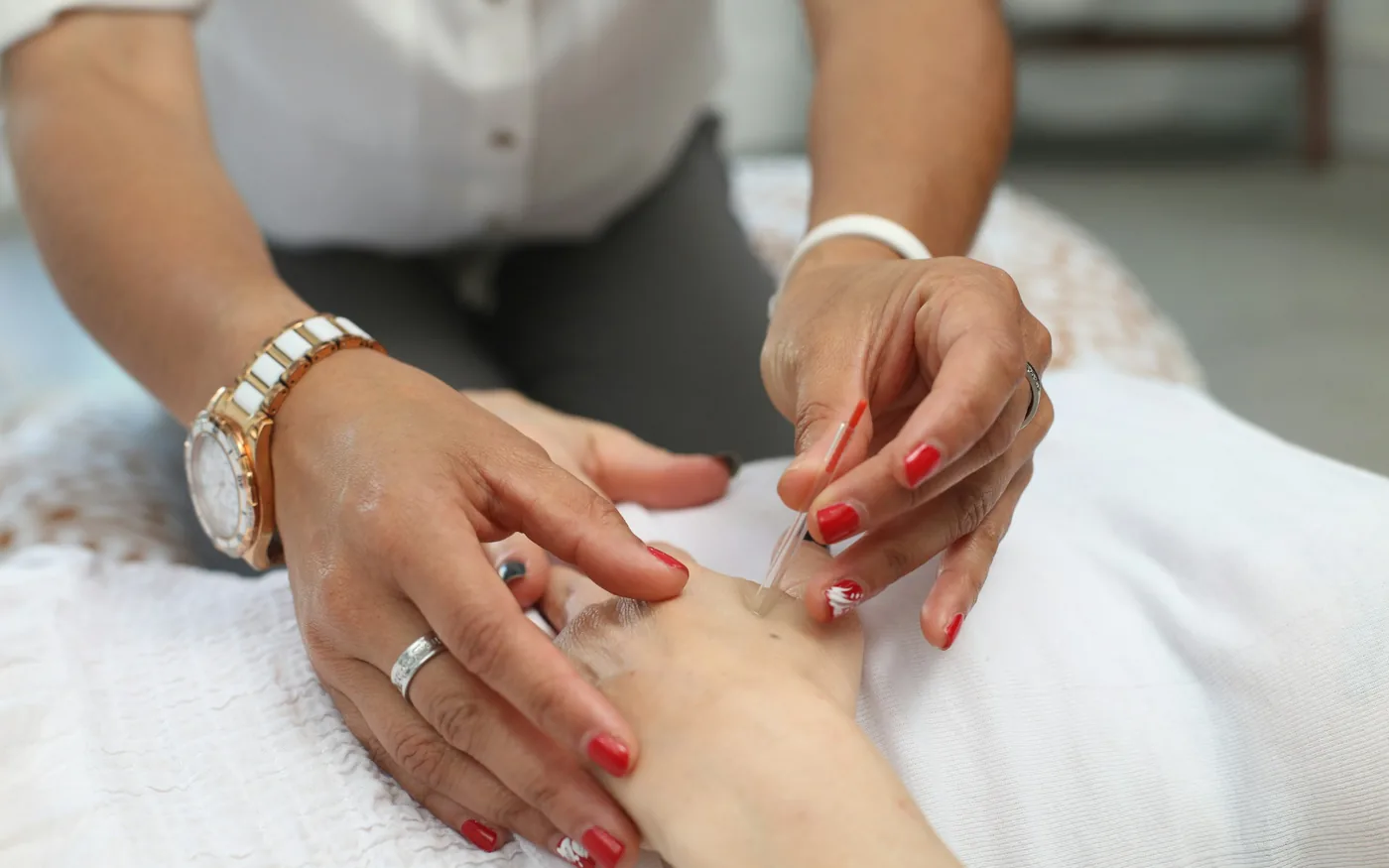
    A session itself runs roughly forty-five minutes to an hour, most of which is spent lying still with the needles in place. That is worth knowing when you are working out what a weekly course actually costs you in time.
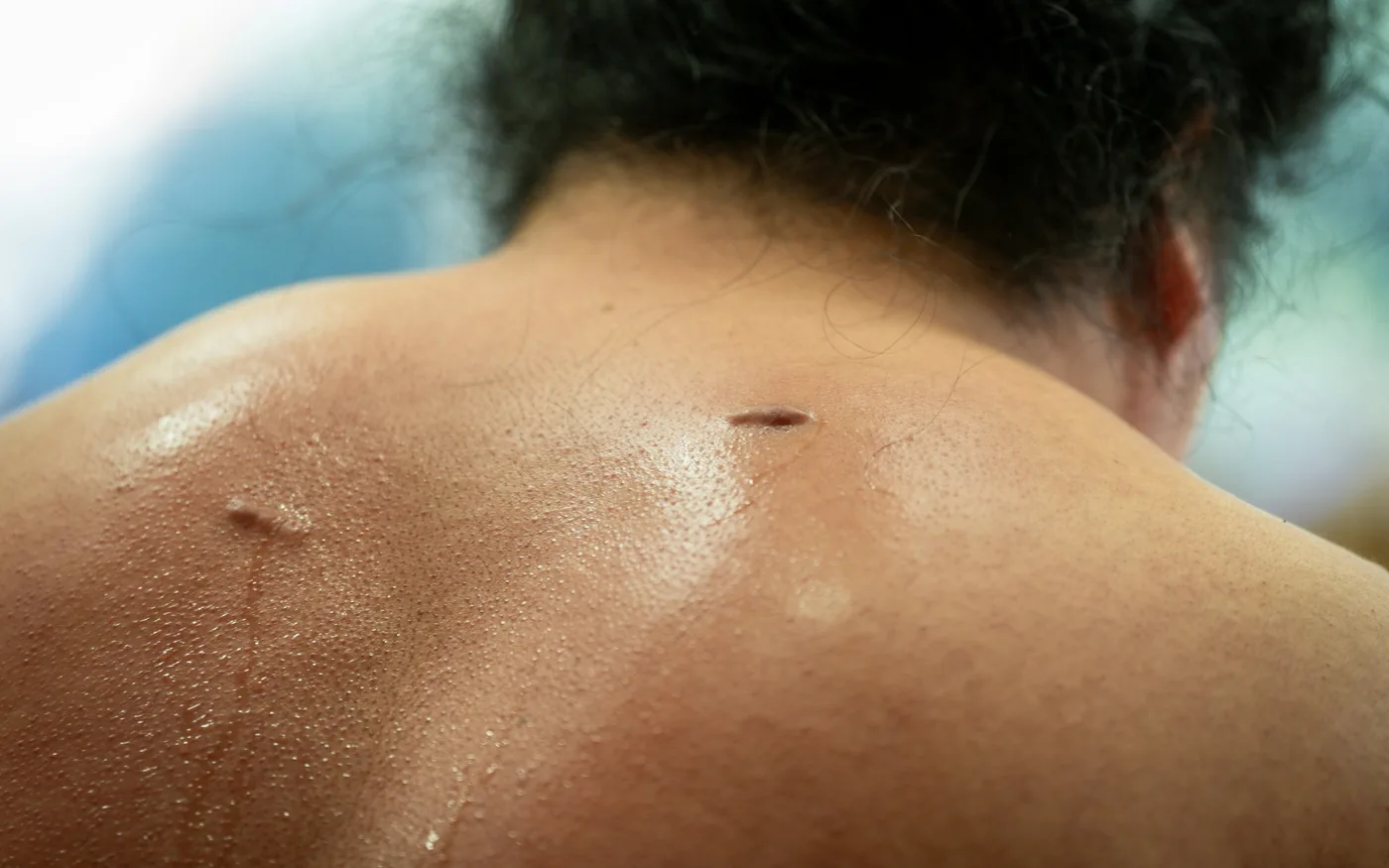
    A typical session runs forty-five minutes to an hour
    A typical session runs forty-five minutes to an hour.

    Ranges like these are roughly what you will find in patient guidance from academic health systems too — Penn Medicine is one that publishes on integrative treatment courses if you want a second view that is not ours.

    What lengthens a course

    1. How long you have had it. The single biggest factor. Years of a problem rarely resolve in weeks.
    2. Whether the cause is still there. A desk setup or a training error that has not changed will keep re-supplying the problem.
    3. How many things are going on. Pain plus poor sleep plus stress is three threads, not one.
    4. Spacing. Six sessions across six months is not the same treatment as six across six weeks.

    Writing down what changed is more useful than a general impression
    Writing down what changed is more useful than a general impression.

    The spacing point is the one people get wrong most often, usually for good practical reasons. Six sessions taken fortnightly because of work is a reasonable compromise; six taken whenever a gap appears in the diary is not really a course at all, and it makes the review impossible to interpret.

    Decide what you are measuring, before you start

    This is the part that makes the difference, and almost nobody does it.

    “Do I feel better?” is a hard question to answer honestly six weeks later, because memory smooths things out. A specific measure does not have that problem.

    Instead ofMeasure
    “Is my back better?”Days per week with pain above a 5/10
    “Are the headaches better?”Headache days per month, and painkillers taken
    “Am I sleeping better?”Times you wake, and how long to get back to sleep
    “Is the shoulder better?”One movement you could not do; how far you get now
    “Am I less stressed?”Something concrete you have started doing again
    Write the number down before session one. It takes two minutes and makes the review honest.

    Whatever you pick, write it down before session one. Two minutes of honesty at the start is what makes the review at the end mean something.

    The review, and permission to stop

    At around session six, three outcomes are possible, and all three are fine.

    • Clearly better. Space the sessions out and see whether it holds.
    • Somewhat better. Continue, but say what you are still measuring and when you will next check.
    • No change at all. Stop, or change the approach substantially. A seventh identical session is not the one.

    That third option is the one worth insisting on. A practice that cannot name the point at which it would tell you to stop is asking for an open-ended commitment, which is one of the questions in what to ask any acupuncture practice on the North Shore.

    A review at session six decides whether to continue, change or stop
    A review at session six decides whether to continue, change or stop.

    What it costs to find out

    Worth stating plainly, because the arithmetic is usually what people are really asking about when they ask about numbers at all.

    Acupuncture is $75 a session here, so a course of six is $450, and you know that before you start rather than after. There are no packages to buy up front and nothing is added at the end.

    Whether insurance covers any of it is a separate question, and what acupuncture costs in Massachusetts works through Medicare, MassHealth and using an HSA or FSA.
    Some people settle into occasional maintenance sessions, many do not need them
    Some people settle into occasional maintenance sessions, many do not need them.

    Booking in Beverly

    Acupuncture runs Tuesday, Wednesday and Friday 9am to 6pm and Saturday 8am to 2pm, and all rates are on our rates page.

    If you have not had acupuncture before, what a first session feels like and what to expect afterwards cover the rest. For a specific complaint, rotator cuff shoulder pain, fibromyalgia and peripheral neuropathy each set out their own timelines, or browse all our articles.


    Frequently asked questions

    How many acupuncture sessions will I need?

    For most ongoing complaints, a course of about six with a review at the end is the usual shape. Some things need fewer, some need longer, and a few respond in one or two. The number matters less than agreeing in advance when you will stop and take stock.

    How soon should I notice something?

    For pain complaints, most people who are going to respond notice some change within four to six sessions. That change may be shorter flare-ups or better sleep rather than less pain, which is why it is worth deciding in advance what you are measuring.

    How often should the sessions be?

    Weekly at first is typical, because a course works better concentrated than spread thin. As things improve the gap widens — fortnightly, then monthly, then as needed.

    What if it is not working?

    Then stop, or change the approach. If six sessions have produced no change at all in a chronic problem, a seventh identical session is unlikely to be the one. We would rather say so than sell you a course you do not need.

    Do I need maintenance sessions forever?

    Most people do not. Some choose an occasional session because they find it useful, which is a preference rather than a clinical requirement, and nobody here will imply otherwise.

    This article is general information, not medical advice. Acupuncture is intended to work alongside the care of your doctor, not to replace it. Please speak to a clinician about any new, severe or changing symptom.

  • Peripheral Neuropathy: What Helps, and What Comes First

    Peripheral Neuropathy: What Helps, and What Comes First

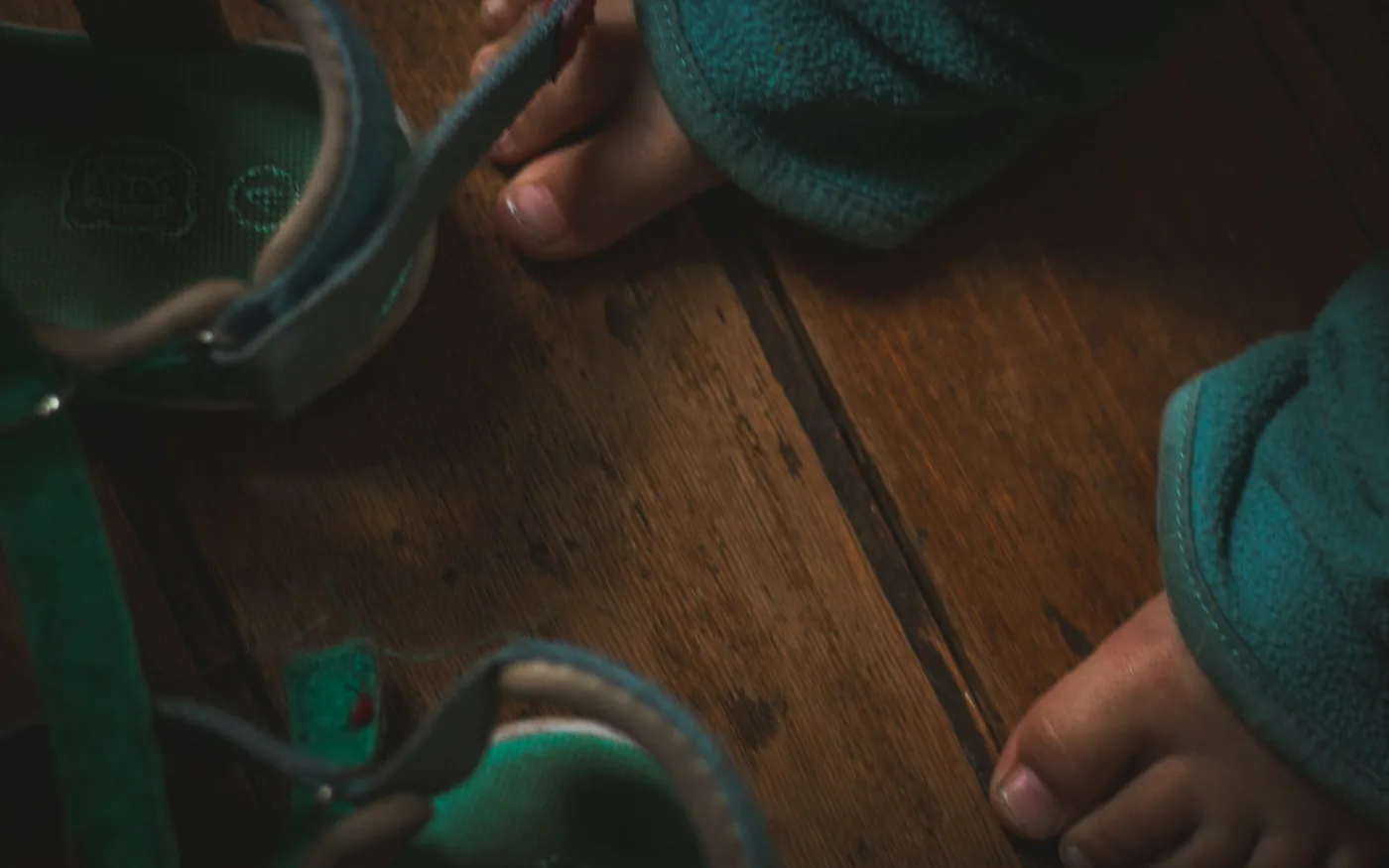
    Numbness, tingling, pins and needles, or a burning that is worse at night — usually starting in the toes and slowly working upward. Peripheral neuropathy is common, and it is the condition on this site where getting the diagnosis right matters most.

    So this article spends more time on what comes before treatment than on treatment itself. That is deliberate.

    Numbness, tingling and burning are the characteristic symptoms
    Numbness, tingling and burning are the characteristic symptoms.

    Finding the cause comes first

    Several causes of neuropathy are treatable, and treating the cause does far more than managing the symptom. That is why blood work comes before anything else.

    Blood tests look for treatable causes such as B12 deficiency or thyroid disease
    Blood tests look for treatable causes such as B12 deficiency or thyroid disease.
    CauseHow commonWhy it matters
    DiabetesThe commonest in the USGlucose control slows progression; nothing else substitutes
    Vitamin B12 deficiencyNot rareCorrectable, and worth finding early
    ChemotherapyCommon in cancer careOften improves after treatment ends, sometimes not
    Thyroid diseaseUncommonTreatable once identified
    AlcoholUnder-reportedProgression depends on intake
    No cause foundA sizeable minorityManagement becomes symptom-led
    If you have not had blood work, that is the appointment to make first — not this one.

    Diabetes deserves the emphasis it gets in that table. For diabetic neuropathy, glucose control is not one option among several — it is the intervention that changes how the condition progresses, and nothing on this page substitutes for it.

    Diabetes is the commonest cause of peripheral neuropathy
    Diabetes is the commonest cause of peripheral neuropathy.

    The advice that matters most, and it is free

    If you read nothing else here, read this. A foot that cannot feel properly cannot tell you it has been hurt.

    A stone in a shoe, a blister from a new pair, a small cut — things that would normally announce themselves within minutes go unnoticed for days. That is how minor injuries become serious ones, and it is why daily foot checks are standard advice for anyone with reduced sensation.

    • Look at both feet every day, including the soles and between the toes. Use a mirror if bending is hard.
    • Check inside your shoes before putting them on.
    • Test water temperature with a hand or elbow, not a foot.
    • Do not walk barefoot outdoors, and be careful indoors too.
    • Report anything that is not healing rather than waiting to see.

    The American Diabetes Association publishes detailed foot-care guidance, and it applies whether or not diabetes is your cause.

    Daily foot checks matter because a numb foot cannot report an injury
    Daily foot checks matter because a numb foot cannot report an injury.

    Where acupuncture honestly fits

    Narrowly, and as an addition rather than a replacement.

    There are trials suggesting acupuncture may reduce symptoms in diabetic peripheral neuropathy and in neuropathy following chemotherapy. They are mostly small, they vary a great deal in method, and the overall evidence is best described as promising rather than established.

    What it does not do is regenerate nerves or alter the underlying condition. Anybody presenting it as a cure for neuropathy is making a claim the evidence does not support, and we are not going to be that practice.

    If your situation isReasonable expectation
    Diabetic neuropathy, glucose well controlledPossible symptom relief alongside your existing care
    Diabetic neuropathy, glucose uncontrolledAddress that first; it does more than we can
    After chemotherapyWorth discussing with your oncology team first
    B12 or thyroid cause not yet correctedCorrect it first
    No cause identifiedSymptom management is the goal, modestly stated
    Sudden or one-sided symptomsUrgent medical assessment, not treatment here
    The honest summary: an adjunct for symptoms, in a condition where the underlying cause does most of the work.

    A practical point about needling numb feet

    This is worth knowing before you book anywhere. Reduced sensation means you may not feel a needle as clearly, and neuropathy often travels with poorer circulation and slower healing.

    That changes the approach: fewer points on the affected foot, more attention to the leg above it, and scrupulous care about the skin. A practitioner who does not ask about your circulation and your blood sugar before needling your feet is not asking enough.

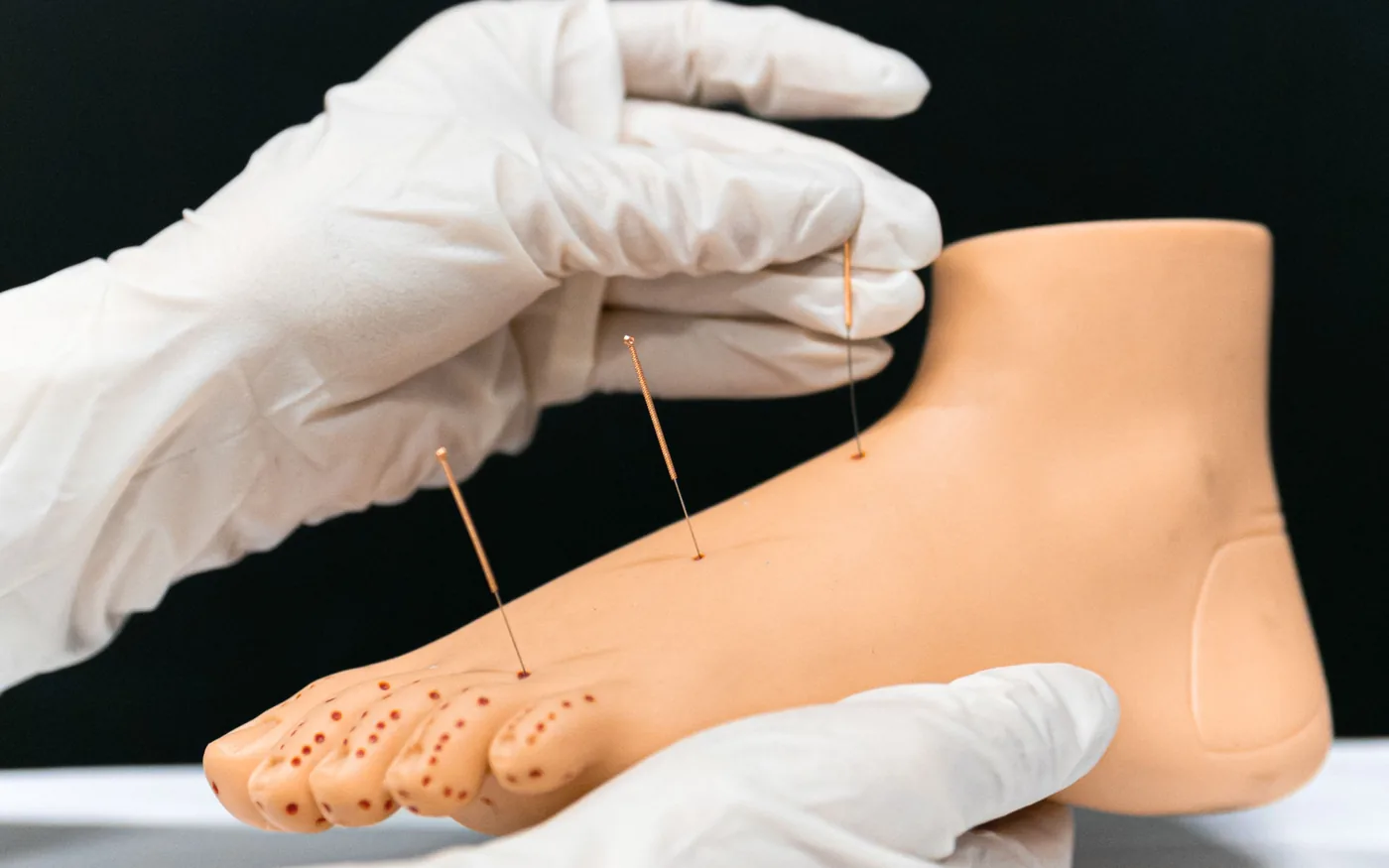
    Needling a foot with reduced sensation calls for extra care
    Needling a foot with reduced sensation calls for extra care.

    What people actually report helping

    Worth setting out, because the list is longer than the list of treatments and most of it costs nothing.

    Regular walking, within whatever range is comfortable, comes up more than anything else — it helps circulation, balance and sleep at once. Shoes with room across the toes matter more than people expect. Keeping feet warm at night helps some people and not others, and is worth trying because it is free.

    Sleep is the one worth chasing hardest. Burning that is worse at night wrecks sleep, and poor sleep lowers pain tolerance the next day, which is a loop rather than two separate problems. If that is the pattern, acupuncture for sleep and insomnia may be the more useful conversation.

    Balance, which people forget to mention

    Sensation from the feet is a large part of how you stay upright in the dark or on uneven ground. When it fades, balance goes with it, and the risk of a fall rises well before anybody thinks to raise it.

    Ask about balance work. It is one of the few things that reliably helps, and it is rarely offered unprompted.

    Reduced sensation affects balance as much as comfort
    Reduced sensation affects balance as much as comfort.

    Booking in Beverly

    Acupuncture is $75 a session; every rate is on our rates page. If you are considering a course, how many acupuncture sessions people usually need explains how we set a review point rather than an open-ended commitment.

    See also plantar fasciitis if the pain is in the heel rather than diffuse, sciatica if it runs down one leg from the back, or browse all our articles. Otherwise get in touch.


    Frequently asked questions

    Can acupuncture cure peripheral neuropathy?

    No, and anyone saying otherwise is overselling. Acupuncture does not regenerate damaged nerves or address the underlying cause. Some trials suggest it may ease symptoms such as burning and tingling in diabetic and chemotherapy-related neuropathy, but the studies are small and the evidence is not conclusive.

    What causes peripheral neuropathy?

    Diabetes is the commonest cause in the United States. Others include chemotherapy, vitamin B12 deficiency, thyroid disease, alcohol, certain medications and autoimmune conditions. In a meaningful minority no cause is ever identified.

    Why does it start in the feet?

    The longest nerves in the body are usually affected first, which is why symptoms typically begin in the toes and work upward, and only later involve the hands. Clinicians call the resulting pattern a stocking and glove distribution.

    What is the single most important thing to do?

    Check your feet every day. A foot that cannot feel cannot report a blister, a stone or a cut, and small injuries become serious ones quietly. This matters more than any treatment discussed here.

    When should I see a doctor urgently?

    Sudden onset, rapidly worsening weakness, symptoms on one side only, or any change in bladder or bowel control needs urgent assessment rather than an acupuncture appointment.

    This article is general information, not medical advice. Acupuncture is intended to work alongside the care of your doctor, not to replace it. Please speak to a clinician about any new, severe or changing symptom.

  • Deep Tissue vs Swedish Massage: Which Should You Book?

    Deep Tissue vs Swedish Massage: Which Should You Book?

    Booking a massage should not require knowing the vocabulary, but menus are written as though it does. Here is what the names actually mean, and how to work out which one you want.

    The headline: the real difference between deep tissue and a relaxation massage is purpose, not simply how hard someone presses.

    Relaxation massage uses long, flowing strokes at a lighter pressure
    Relaxation massage uses long, flowing strokes at a lighter pressure.

    The two people usually mean

    Swedish / relaxationDeep tissue
    AimSettle the whole systemAddress one specific area
    CoverageWhole body, evenlyNarrow, with time spent in one place
    PaceFlowing and continuousSlow, with pauses
    PressureLight to mediumFirm, but never past what you can breathe through
    AfterwardsLoose, often sleepyPossibly sore for a day, then looser
    Book it whenYou are wound up, tired, or want an hour to yourselfOne area has been complaining for weeks
    Neither is the advanced version of the other. They are answers to different questions.
    Deep tissue work is slower and more focused than a full-body session
    Deep tissue work is slower and more focused than a full-body session.

    The pressure question

    More people have a bad massage experience over pressure than over anything else, and almost all of it is preventable by saying one sentence.

    A workable rule: the pressure should sit at about seven out of ten — noticeable, on the edge of uncomfortable, and something you can breathe normally through. If you are holding your breath, clenching, or waiting for it to end, it has gone past useful.

    The second thing worth knowing is that depth is not achieved by force. A therapist working well sinks in slowly and waits for tissue to give, rather than pushing through it. Work that feels like it is being applied to you rather than met by you is usually going too fast, not too deep.

    Therapists cannot feel what you feel. “A bit lighter there” is not a complaint, it is information, and it makes the next fifty minutes better.

    Saying what pressure you want is the single most useful thing you can do
    Saying what pressure you want is the single most useful thing you can do.

    The other styles you will see named

    StyleWhat it involvesHonest note on evidence
    Trigger pointSustained pressure on tight bands within a muscleReasonable short-term evidence for muscular pain
    Sports massageBrisker work around training and eventsHelps soreness and perceived recovery, not performance
    CraniosacralVery light contact at head, spine and sacrumEvidence is limited; people find it deeply relaxing
    ReflexologyThumb pressure on the feet and hands, clothedRelaxation is well attested; the mapping claims are not
    ReikiLight or no contact, energy-basedNo evidence beyond relaxation, and we will not claim more
    Ayurvedic marmaPressure at specific points, from Indian traditionTraditional rather than trial-supported
    Where the evidence for something is thin we say so. That is not a reason to avoid it if you enjoy it.
    Craniosacral therapy uses very light contact at the head and spine
    Craniosacral therapy uses very light contact at the head and spine.

    Two of those deserve a note. Reflexology is the one people book when being undressed is the part they would rather skip — you stay clothed and the work is on the feet and hands. And sports massage is widely oversold: the evidence supports it for soreness and how recovered you feel, not for making you faster or stronger.

    Reflexology works on the feet and hands, and you stay clothed
    Reflexology works on the feet and hands, and you stay clothed.

    If you want to check a therapist’s credentials rather than take a menu at face value, Associated Bodywork & Massage Professionals is a reasonable starting point for what the qualifications mean.

    How it works here

    Lynn does not work from a fixed routine with a name on it. She incorporates deep tissue, craniosacral therapy, reflexology, reiki and Ayurvedic marma points into a session based on what you have come in with that day.

    She trained at The Swedish Institute for Health and Massage in New York, and as a certified yoga instructor she includes stretching in her work and teaches techniques to carry on with at home. That last part matters more than it sounds — what you do between sessions is most of the result.

    Stretches you can carry on with at home are part of a session here
    Stretches you can carry on with at home are part of a session here.

    How often, and does it have to be regular?

    For a specific complaint, a run of weekly or fortnightly sessions while it settles, then whatever spacing holds the gain. For general tension and stress, monthly is what most people settle into, and that is a preference rather than a prescription.

    Nothing here requires a commitment up front. There are no packages to buy, which means the honest answer to “how many will I need?” can be “let us see after this one” without anybody losing money on it.

    Choosing a length

    1. 30 minutes ($45) — one area that needs attention. Calves, or a neck and shoulders.
    2. 60 minutes ($75) — a full session and the most common choice.
    3. 90 minutes ($105) — unhurried, with time for more than one area.
    4. Reflexology ($65) — feet and hands, fully clothed, if being undressed is the part you would rather skip.

    Booking in Beverly

    If you are not sure which of the above you want, say what is bothering you when you book rather than picking a style name. That is more useful information than any label on a menu.

    All rates are on our rates page, and massage runs Monday, Tuesday, Wednesday and Friday 7am to 3pm and Saturday 8am to noon.

    If it is your first time, what happens at a first massage covers draping and what you keep on. For a specific complaint, massage for neck and shoulder pain and massage and recovery for active people go further, and acupuncture or massage: which do you need compares the two by complaint. Otherwise browse all our articles or get in touch.


    Frequently asked questions

    What is the difference between deep tissue and Swedish massage?

    Purpose, more than pressure. Swedish or relaxation massage covers the whole body with long flowing strokes and aims to settle the nervous system. Deep tissue is slower and narrower, working specific areas at greater depth to address a particular complaint.

    Does deep tissue massage have to hurt?

    No. Depth and pain are not the same thing. Useful deep work sits at a pressure you can breathe through and would rate about seven out of ten. If you are bracing or holding your breath, it is too much, and saying so improves the session.

    Will I be sore afterwards?

    After deep tissue, mild soreness for a day or two is normal, much like the day after unfamiliar exercise. After a relaxation session it is unusual. Soreness that is severe or lasts beyond about three days is worth mentioning.

    Which length should I book?

    Thirty minutes suits one area that needs attention. Sixty is a full session and the most common choice. Ninety gives time for more than one area without rushing either.

    What styles are offered here?

    Lynn incorporates several modalities into a session rather than working from a fixed routine, including deep tissue, craniosacral therapy, reflexology, reiki and Ayurvedic marma points. As a certified yoga instructor she also includes stretching and teaches techniques to use at home.

    This article is general information, not medical advice. Acupuncture is intended to work alongside the care of your doctor, not to replace it. Please speak to a clinician about any new, severe or changing symptom.
  • Acupuncture Side Effects and What to Expect Afterwards

    Acupuncture Side Effects and What to Expect Afterwards

    Most articles about acupuncture side effects are written either to reassure or to alarm. This one is meant to be neither: here is what commonly happens, here is what rarely happens, and here is what to say before a first session.

    Drowsiness after a session is common and usually passes within a few hours
    Drowsiness after a session is common and usually passes within a few hours.

    Why there are so few of them

    It is worth starting with the reason the list below is short. An acupuncture needle is solid and hair-fine — nothing is injected, nothing is drawn out, and several would fit inside the hollow of a needle used to take blood.

    That is most of the explanation for why the effects people report are minor ones. There is no substance to react to, and very little tissue displaced.

    Needles are far finer than the ones used for injections
    Needles are far finer than the ones used for injections.

    The common, minor things

    These are the ones you might actually notice, and none of them signal a problem.

    EffectHow commonHow long
    Small bruise at a needle siteThe commonest of allA few days, like any bruise
    A pinprick of bleeding on withdrawalFairly commonSeconds
    Soreness at the siteCommonHours to a day
    Drowsiness afterwardsCommonA few hours
    Feeling lightheadedUncommonMinutes, lying down
    A brief flare in symptomsA minorityA day or two
    None of these need treatment. Tell your practitioner anyway — it changes what they do next time.

    The temporary flare deserves comment, because it is the one that worries people. A day or two of feeling slightly more aware of the problem after a session is reported by a minority and typically settles. What is not normal is a flare that is severe, or one that arrives reliably after every appointment — that is a signal to change the approach, not to grit your teeth through six more.

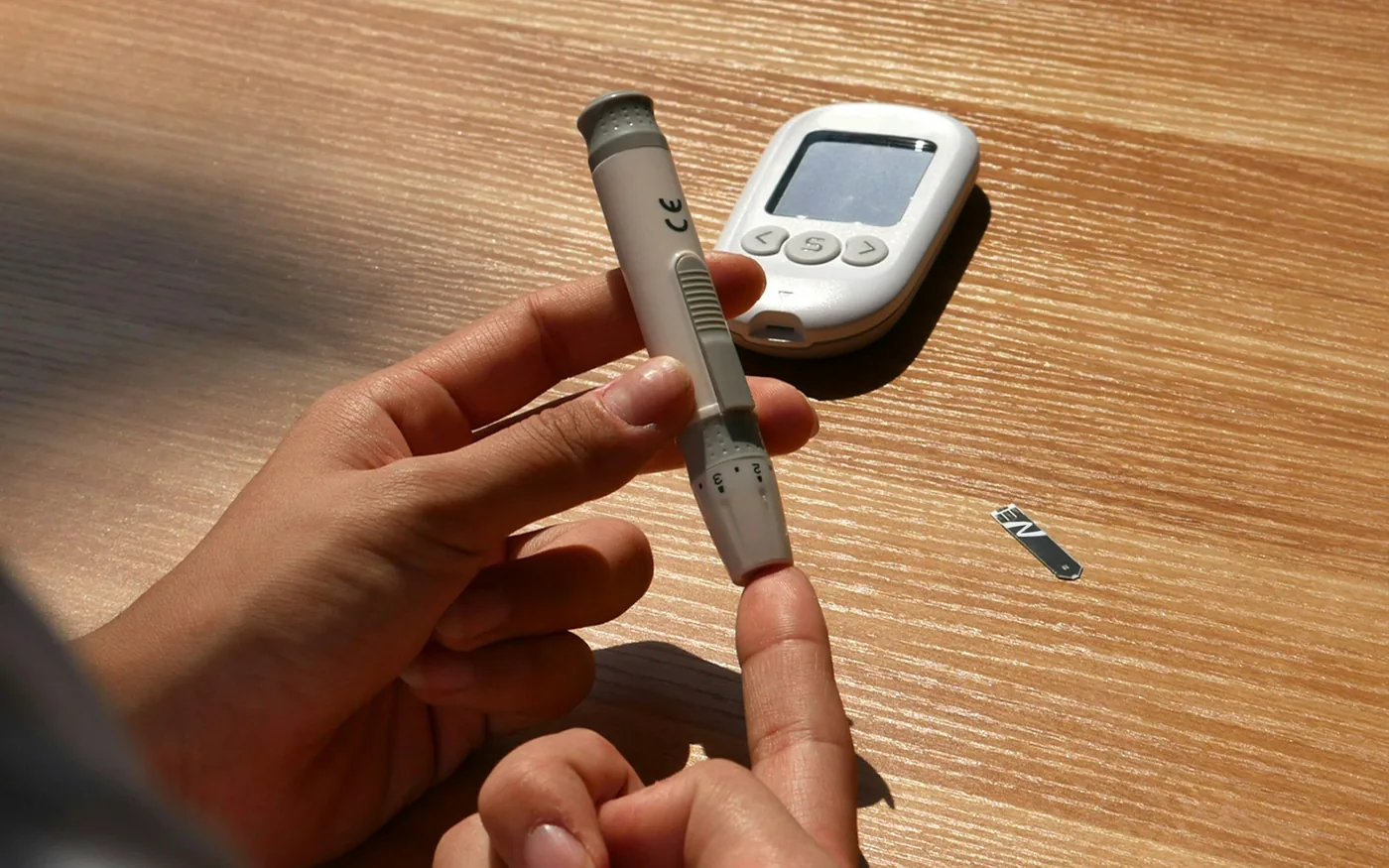
    Bruising is worth a sentence of its own. Fine needles still pass near small blood vessels, and some people mark more easily than others. If you bruise readily in general, expect to bruise occasionally here, and say so beforehand.

    A small bruise at a needle site is the commonest minor effect
    A small bruise at a needle site is the commonest minor effect.

    The rare, serious ones

    Naming these is not scaremongering. It is the reason licensure exists, and the reason the question “who is doing this?” matters more than any other question on this page.

    • Pneumothorax — a punctured lung, from needling too deeply over the chest or upper back. Rare, and specifically what anatomical training exists to prevent.
    • Infection — very rare with single-use sterile needles, which is precisely why reuse is not a thing that happens.
    • A retained or broken needle — rare, and why needles are counted in and counted out.
    • Fainting — uncommon, more likely at a first session or on an empty stomach, and the reason you are treated lying down.

    Acupuncture needles in the United States are regulated by the Food and Drug Administration as Class II medical devices, with sterility and single use part of that standard.

    Needles are sterile, single-use and disposed of after one treatment
    Needles are sterile, single-use and disposed of after one treatment.

    What to say before your first session

    None of the following rules treatment out. All of them change how it is done, which is why they are asked.

    Tell us if youWhat changes
    Take blood thinnersFewer needles, gentler technique, longer pressure after
    Have a bleeding disorderThe same, discussed case by case
    Are or might be pregnantCertain points are avoided throughout
    Have a pacemaker or implantNo electroacupuncture
    Have lymphoedemaThe affected limb is not needled
    Faint during medical proceduresEat beforehand; we go slower and check on you more
    Bring a list of medications to a first appointment. It is quicker than remembering.

    What none of this covers

    One honest limitation. Everything above concerns treatment performed by a licensed practitioner using single-use needles. Almost all of the serious case reports in the literature involve either reused equipment or someone needling well beyond their training, which is a different risk profile entirely.

    So the safety question and the licensing question are not two separate questions. They are the same one, and what a Massachusetts Lic.Ac. actually requires sets out how to check.

    One variant deserves a separate mention: semi-permanent ear studs and seeds left in place for days carry a different risk profile from a needle inserted and removed in one session. Acupuncture for weight loss covers that, along with why we do not offer it.

    Aftercare, which is genuinely simple

    1. Drink some water and eat something if you have come on an empty stomach.
    2. Do not book a maximal workout straight afterwards. A walk is fine.
    3. Give the day a bit of slack if you know you tend to feel drowsy.
    4. Leave a bruise alone. It behaves like any other bruise.
    5. Note what changed, and when. It is far more useful at the next appointment than a general impression.
    Water and an unhurried rest of the day are the whole of the aftercare
    Water and an unhurried rest of the day are the whole of the aftercare.

    When to call someone

    Rare things are still worth knowing the signs of, so here is the short list rather than a vague instruction to seek help.

    Call your doctor for breathlessness or chest pain after treatment; for a needle site that becomes hot, spreading or discharging; for a fever afterwards; or for any symptom that worries you and is not settling.

    Call us for anything that felt wrong in the session itself. We would rather hear about it.

    Tell your practitioner about blood thinners, pregnancy or a pacemaker before treatment
    Tell your practitioner about blood thinners, pregnancy or a pacemaker before treatment.

    Booking in Beverly

    Acupuncture is $75 a session and is given by a licensed acupuncturist; every rate is on our rates page.

    If this is your first time, what acupuncture actually feels like covers the sensation itself, how acupuncture differs from dry needling covers who is qualified to do what, and choosing a licensed acupuncturist on the North Shore sets out what the licence requires. Otherwise get in touch.


    Frequently asked questions

    Is acupuncture safe?

    When performed by a licensed practitioner using sterile single-use needles, serious adverse events are rare. Minor effects such as a small bruise, brief soreness or drowsiness are common and settle on their own. Rarity is not the same as impossibility, which is why who performs it matters.

    Why do I feel tired after acupuncture?

    Post-treatment drowsiness is one of the commonest reactions and usually passes within a few hours. It is not a sign anything has gone wrong. If you tend to feel it, avoid booking immediately before something demanding.

    Can acupuncture make symptoms worse before better?

    A temporary flare in the day or two after a session happens to a minority of people and typically settles. A flare that is severe, or that keeps happening after every session, is worth raising rather than pushing through.

    What should I tell my practitioner beforehand?

    Blood thinners or a bleeding disorder, pregnancy, a pacemaker or implanted device, lymphoedema, a suppressed immune system, and any history of fainting during medical procedures. None of these necessarily rule out treatment; they change how it is done.

    Are the needles reused?

    No. Acupuncture needles are single-use, sterile and disposed of after one treatment. In the United States they are regulated as Class II medical devices, and single use is part of that standard.

    This article is general information, not medical advice. Acupuncture is intended to work alongside the care of your doctor, not to replace it. Please speak to a clinician about any new, severe or changing symptom.
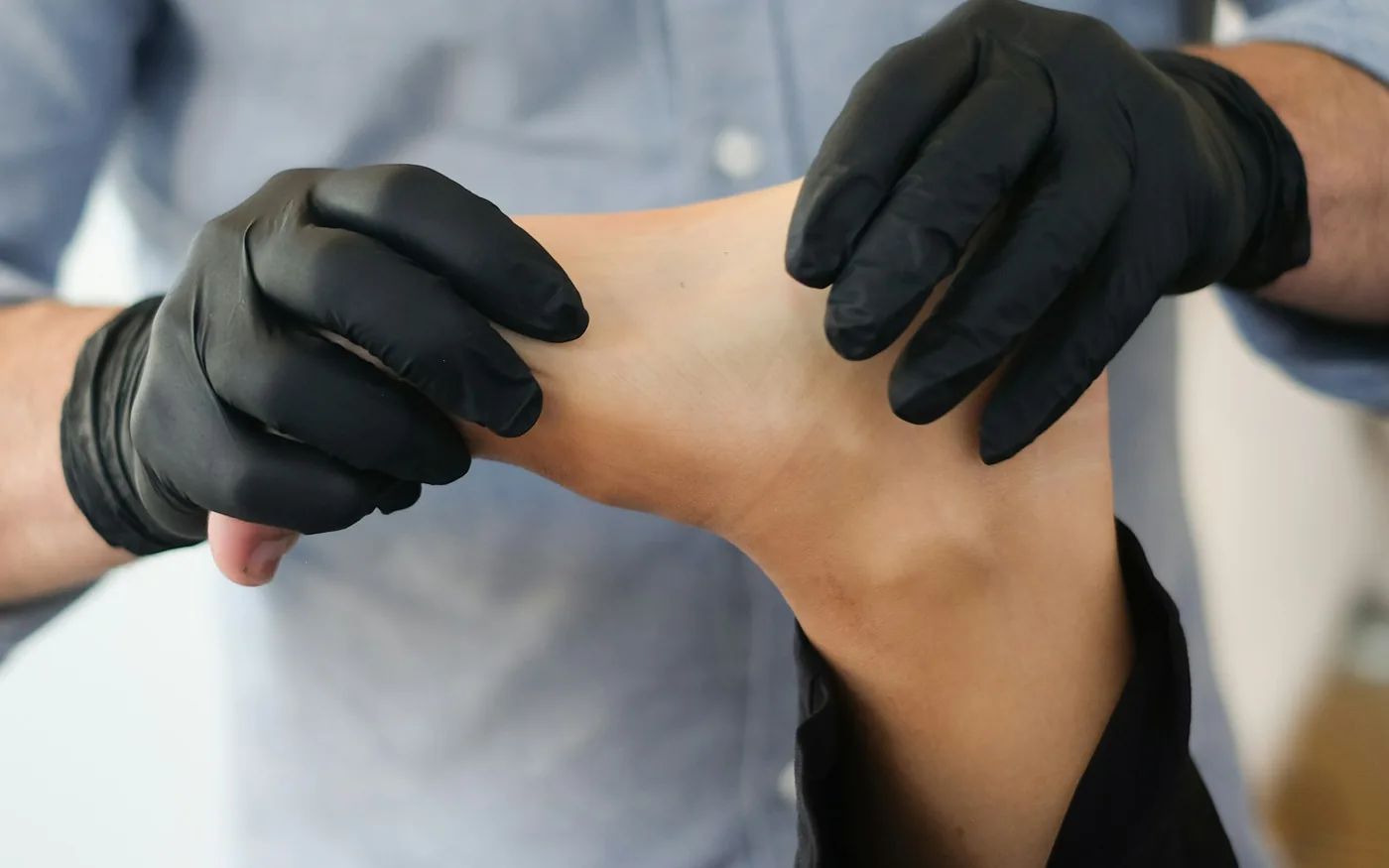
  • Dry Needling vs Acupuncture: The Honest Difference

    Dry Needling vs Acupuncture: The Honest Difference

    This question comes up in the treatment room often enough that it deserves a straight answer, so here is one — with the obvious bias declared at the top. We are an acupuncture practice. Read accordingly.

    The short version: same needle, different reasoning, and a very different amount of training behind the hand holding it.

    Both use the same thin, solid, single-use filiform needle
    Both use the same thin, solid, single-use filiform needle.

    What is actually the same

    More than people expect. Both use a filiform needle — solid, hair-fine, nothing like the hollow needle used for injections. Both are single-use and sterile. Both are inserted through the skin into muscle, and both can produce a heavy, aching sensation at the site.

    There is also real overlap in where the needle goes. A good many classical acupuncture points sit on or near the same spots that trigger point maps identify, which is not a coincidence and is worth being honest about.

    Two different explanations of the same act

    Dry needling grew out of Western pain research in the twentieth century. Its reasoning is mechanical: a muscle develops a taut, irritable band, the needle disrupts it, the band releases. Everything follows from the muscle in front of you.

    Acupuncture reasons from a map instead. Points sit along named channels, they have traditional functions, and a point selected for a shoulder complaint may well be on the leg. Whether you find that framework persuasive or not, it is what determines where the needle goes.

    The practical consequence is that the two disciplines can arrive at the same spot for entirely unrelated reasons — and diverge completely on the next one.

    Dry needling targets tight bands of muscle known as trigger points
    Acupuncture selects points from a traditional map of the body.

    What is different

    Dry needlingAcupuncture
    FrameworkWestern myofascial trigger point theoryA traditional map of points and channels
    TargetA taut band within a specific muscleSelected points, often away from the painful area
    TechniqueRepeated insertion seeking a twitch responseNeedles inserted and retained, typically 20–30 minutes
    SensationBrief, sharp, cramp-likeDuller, heavier, low grade
    Session lengthA few minutes within a longer appointmentThe appointment itself
    Usual scopeMusculoskeletal painMusculoskeletal pain plus wider complaints
    Performed byPhysical therapists, chiropractorsLicensed acupuncturists (Lic.Ac.)
    Neither column is a verdict. They are different tools built for overlapping but not identical jobs.
    Acupuncture selects points from a traditional map of the body
    Dry needling targets tight bands of muscle known as trigger points.

    The training gap

    This is the part most people have never been told, and it is the one worth knowing before you book either.

    Massachusetts acupuncture licensure requires a graduate-level programme — three to four years, thousands of supervised hours — followed by national board examinations. The letters Lic.Ac. after a name mean all of that has been done and is being maintained through continuing education.

    Dry needling certification is a post-graduate add-on to an existing qualification, typically measured in days of coursework rather than years. The clinician is already highly trained in their own field. The needling component specifically is short.

    Whether it sits inside a physical therapist’s scope of practice at all differs by state, and the Federation of State Boards of Physical Therapy tracks how the rules differ. It is a fair question to ask whoever is about to needle you.

    Massachusetts acupuncture licensure requires a graduate programme and board exams
    Massachusetts acupuncture licensure requires a graduate programme and board exams.

    Which fits which problem

    Your situationProbably better suited toWhy
    Already in a course of physioDry needlingIt is a few minutes inside a session you are having anyway
    One stubborn knot, nothing elseEitherBoth address it; convenience decides
    Pain in more than one placeAcupunctureA whole-session approach rather than a spot treatment
    Migraine, sleep, digestion, stressAcupunctureOutside what dry needling sets out to do
    You want to keep needles in and restAcupunctureRetention is the format
    You dislike the twitch sensationAcupunctureIt is not something acupuncture aims for
    If you are already seeing a physical therapist who offers it, there is no reason to travel for the same few minutes.

    That last point is worth taking seriously rather than treating as false modesty. Dry needling is typically a few minutes inside a longer rehabilitation appointment, alongside the exercise prescription that is doing most of the work. Pulling it out of that context and travelling for it separately makes very little sense.

    Dry needling is most often performed by physical therapists within a rehab session
    Dry needling is most often performed by physical therapists within a rehab session.

    A note on the evidence

    Comparing the two head to head is harder than it sounds, because they have mostly been studied for different things and against different comparators.

    Dry needling has reasonable short-term evidence for myofascial pain, and the trials are mostly small and short. Acupuncture has a much larger literature simply because it has been studied for longer and across more conditions — which is not the same as being better for a muscular knot.

    We write about where the evidence sits for each complaint individually rather than in the abstract; how acupuncture works sets out the mechanism without overstating it.

    Acupuncture needles are usually left in place while you rest
    Acupuncture needles are usually left in place while you rest.

    Booking in Beverly

    We offer acupuncture, not dry needling. If dry needling is what you want, a physical therapy practice is the right place to ask, and we would rather say so than talk you into the wrong appointment.

    Acupuncture here is $75 a session, published on our rates page. If you have never had it, what acupuncture actually feels like and what to expect afterwards between them cover most first-visit questions, and choosing a licensed acupuncturist on the North Shore lists what to ask any practice.

    Otherwise browse all our articles or get in touch.


    Frequently asked questions

    Is dry needling just acupuncture with a different name?

    They use the same tool and overlap in where the needle goes, but they come from different traditions. Dry needling is built on Western trigger point theory and targets tight bands within a muscle. Acupuncture selects points from a traditional map of the body, and is usually applied to a wider range of complaints.

    Does dry needling hurt more?

    Often, yes. Dry needling frequently aims to produce a local twitch response, which feels like a brief involuntary cramp. Acupuncture needles are typically left in place while you rest, and the sensation is duller and lower grade.

    Who is allowed to perform each one?

    Acupuncture in Massachusetts requires a licensed acupuncturist, which means a graduate-level programme and national board exams. Dry needling is usually performed by physical therapists or chiropractors, and whether it falls within their scope of practice varies from state to state.

    How much training does each involve?

    This is the largest practical difference. Acupuncture licensure runs to thousands of hours over three years or more. Dry needling is typically a post-graduate certification measured in days rather than years, added to an existing clinical qualification.

    Which one should I book?

    For a single muscular knot in a course of rehab you are already having, dry needling within that session is sensible. For an ongoing or wider-ranging problem, or where you want the needling to be the treatment rather than an add-on, acupuncture is the better fit.

    This article is general information, not medical advice. Acupuncture is intended to work alongside the care of your doctor, not to replace it. Please speak to a clinician about any new, severe or changing symptom.
  • Acupuncture for Ipswich, MA: Two Stops Down the Line

    Acupuncture for Ipswich, MA: Two Stops Down the Line

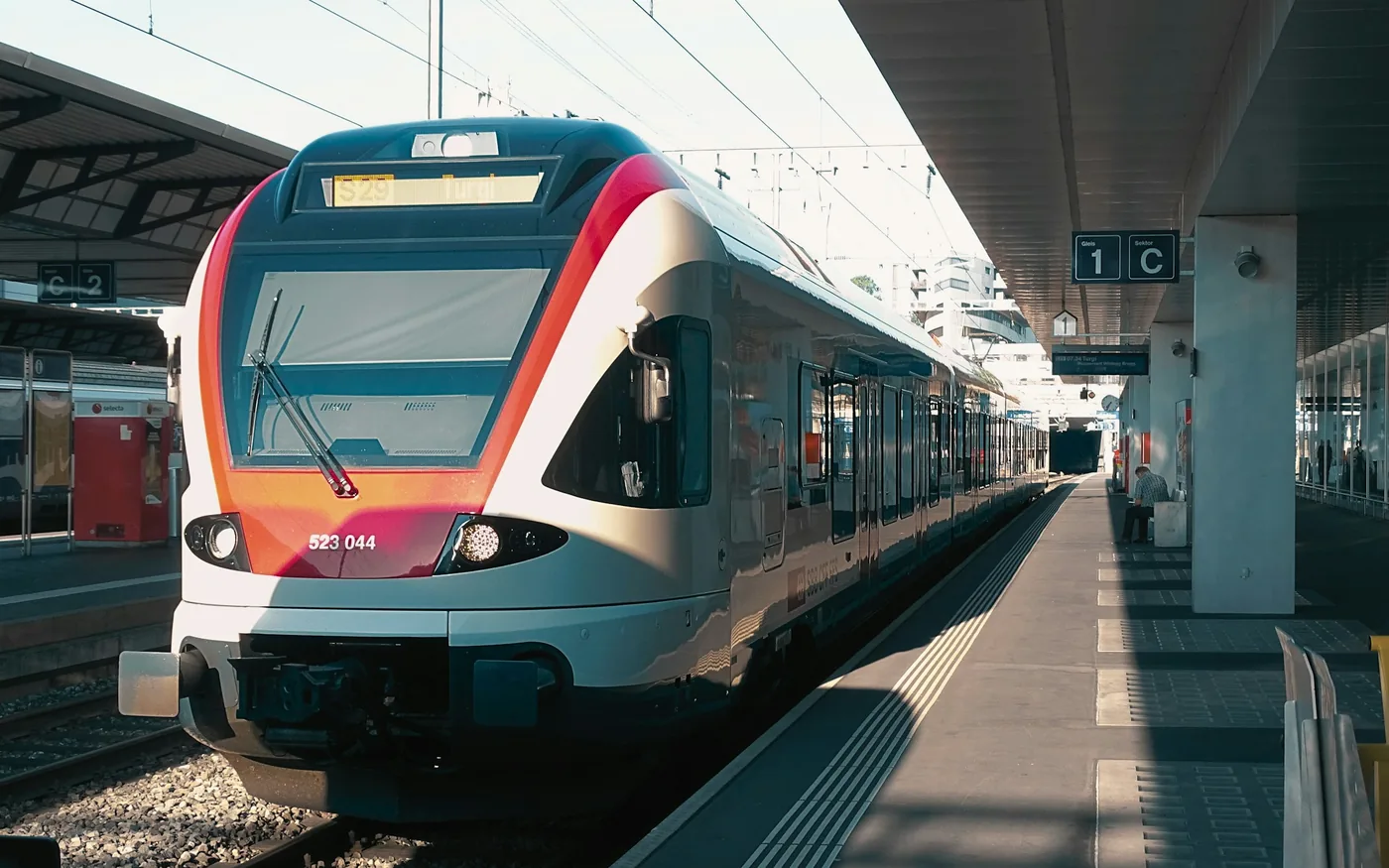
    Ipswich is the furthest of the North Shore towns we have written for, and that changes the sensible advice. When the journey is twenty-five minutes rather than ten, how you arrange a course of appointments matters more than which practice you choose.

    Ipswich sits two stops from Beverly Depot on the Newburyport branch
    Ipswich sits two stops from Beverly Depot on the Newburyport branch.

    Getting here

    Unusually for the outer North Shore, the train is genuinely competitive here — Ipswich and Beverly sit on the same branch.

    OptionTimeNotes
    Commuter railTwo stopsIpswich → Hamilton/Wenham → North Beverly → Beverly Depot; a short walk at this end
    Route 1A by car20–25 minutesThe direct route through Hamilton and Wenham
    Route 133 then 1A25 minutesAlternative from the west of the town
    From Essex or Rowley25–30 minutesAdd roughly five minutes either way
    Off-peak train frequency is the limiting factor rather than the journey itself, so pick an appointment that fits a service.

    One stop down that same line, acupuncture for Hamilton and Wenham describes the easier version of this journey — close enough that the timetable stops mattering.

    Parking at this end is straightforward — street parking on Cabot Street and municipal parking a short walk away. The region’s heritage organisation, Essex Heritage, covers the towns along this stretch if you are making a day of it.

    Twenty to twenty-five minutes by road down Route 1A
    Twenty to twenty-five minutes by road down Route 1A.

    Planning a course when you are travelling

    This is the practical difference between Ipswich and the closer towns, and it is worth thinking about before the first appointment rather than in week four.

    Travelling further makes a planned course of appointments more sensible
    Travelling further makes a planned course of appointments more sensible.
    1. Pick one regular slot and hold it for six weeks. Booking week to week is how courses quietly stop.
    2. Consider Saturday mornings. They suit people travelling in and they fill up first.
    3. Book two treatments in one trip if you want both — acupuncture and massage back to back rather than on separate journeys.
    4. Say you are travelling when you book. It changes what we suggest, including sometimes suggesting you go somewhere closer.

    That last one is genuine. For a one-off massage we would rather you booked near home than drove half an hour.

    One more thing worth building into the plan: the appointments that get missed are almost always the ones booked for a weekday evening in winter, when the drive back down 1A in the dark stops appealing. Morning slots survive the season better.

    Some people book acupuncture and massage on the same trip
    Some people book acupuncture and massage on the same trip.

    What people come for

    Nothing about the complaints differs by town. What differs is that people who have made a journey tend to arrive with a problem they have already lived with for a while, rather than something that started last week.

    The usual list, each with its own guide:

    If you are unsure which treatment fits, our comparison of acupuncture and massage works through it by complaint, or browse everything we have written.

    An unhurried session with the same practitioner each visit
    An unhurried session with the same practitioner each visit.

    Is it worth the journey?

    An honest answer needs the comparison spelled out, because for some of these the sensible advice is to stay local.

    What you wantTravel from Ipswich?Why
    A one-off relaxation massageProbably notBook near home; the journey is most of the benefit lost
    A course of acupunctureOften yesContinuity with one practitioner is what makes a course work
    A longstanding problemYesWorth choosing the practice rather than the postcode
    Deep tissue work on a specific areaWorth a tripNinety minutes justifies the drive
    Something urgent this afternoonNoWe are appointment-only; call and we will say so plainly
    The distinction is between a single treatment and a course. Courses reward continuity; single sessions do not.

    It is also worth saying that most people from Ipswich arrive having tried somewhere closer first. There is nothing wrong with that order of operations, and if the nearer option is working, stay with it.

    A small practice, since 1998

    Two practitioners, by appointment only. You see the same person each visit, appointments are not stacked back to back, and there is time in the session to say what has changed.

    We have been at 146 Cabot Street since 1998, which for a small practice mostly means that people who came for one thing years ago come back for another. It is not a large operation and does not try to be.

    A first acupuncture visit runs a little longer than the ones that follow, because there are questions to work through before anything happens — what the problem is, what you have already tried, what else is going on. If you have never had acupuncture, what acupuncture actually feels like answers the question most people are too polite to ask, and how acupuncture works covers the mechanism without the mysticism.

    The questions worth asking any practice — including this one — are set out in our guide to choosing a licensed acupuncturist on the North Shore.

    Saturday mornings suit people travelling in from the outer towns
    Saturday mornings suit people travelling in from the outer towns.

    Booking from Ipswich

    Acupuncture runs Tuesday, Wednesday and Friday 9am to 6pm and Saturday 8am to 2pm. Massage runs Monday, Tuesday, Wednesday and Friday 7am to 3pm and Saturday 8am to noon.

    TreatmentRateWorth the trip for
    Acupuncture$75 per sessionA course of six to eight, where continuity matters
    Massage, 30 minutes$45Best combined with something else on the same visit
    Massage, 60 minutes$75A full session that justifies the journey on its own
    Massage, 90 minutes$105Unhurried work on a longstanding problem
    Reflexology$65Often booked alongside a first acupuncture visit
    Every rate is published. Nothing is added at the end, and there is no package you have to buy.

    All rates are on our rates page, and what acupuncture costs in Massachusetts covers insurance if that is the deciding factor. Otherwise get in touch to book from Ipswich.


    Frequently asked questions

    How far is Beverly from Ipswich?

    Twenty to twenty-five minutes by road down Route 1A. By train it is two stops on the Newburyport branch — Ipswich to Hamilton/Wenham to North Beverly, then Beverly Depot, which is a short walk from the practice.

    Is the train actually practical?

    For a planned appointment, yes. Off-peak frequency is the limiting factor rather than journey time, so check the timetable and pick an appointment that fits a train rather than the other way round.

    Is it worth travelling that far?

    For a single massage, probably not — book closer to home. For a course of acupuncture where continuity matters, plenty of people from Ipswich decide it is. That is a judgement only you can make.

    Can I book two treatments in one visit?

    Yes, and people travelling further often do. Say so when you book so the times can be arranged back to back rather than with an hour in between.

    What does it cost?

    Acupuncture is $75 a session. Massage is $45 for 30 minutes, $75 for 60 and $105 for 90, and reflexology is $65. Every rate is published and nothing is added at the end.

    This article is general information, not medical advice. Acupuncture is intended to work alongside the care of your doctor, not to replace it. Please speak to a clinician about any new, severe or changing symptom.
  • Shin Splints: Load Management, Not Rest

    Shin Splints: Load Management, Not Rest

    Shin splints is a problem of capacity rather than damage: the shin has been asked to absorb more than it can currently tolerate. That framing matters, because it points at the treatment — and the treatment is not rest.

    First, though, there is one thing to rule out.

    Diffuse tenderness suggests shin splints; one pinpoint spot may be a stress fracture
    Diffuse tenderness suggests shin splints; one pinpoint spot may be a stress fracture.

    Shin splints or stress fracture?

    These need opposite handling, so this is the first question rather than a footnote.

    Shin splints (MTSS)Tibial stress fracture
    TendernessDiffuse, several centimetres along the inner borderOne pinpoint spot you can cover with a fingertip
    Pain patternEases as you warm up, returns afterWorsens through activity and persists
    HoppingUncomfortableSharply painful — a useful warning sign
    Night painUnusualCan be present
    What to doManage load and build capacityGet it assessed before loading it
    If your finger finds one exact spot rather than a stretch of shin, stop reading and get it looked at.

    There is a third possibility worth knowing about. Tightness that builds at a predictable distance and then disappears within minutes of stopping, with very little tenderness to press on, is more likely exertional compartment syndrome than either of these.

    Why rest is the wrong answer

    It is the intuitive response and it reliably produces the same story: six weeks off, pain gone, back to running, pain back within a fortnight.

    The reason is worth understanding, because it changes what you do with the next six weeks.

    Bone and muscle adapt to load. Removing load entirely lets that tolerance decay, so you return to the same running with less capacity than you had when it started. The evidence-based approach is load management — reducing activity to a level that provokes no pain during, after, or the day following, and then rebuilding from there.

    That threshold is the whole method. It is also why two people with the same diagnosis get very different instructions.

    What you feelVerdictWhat to do next
    Nothing during, after or next dayUnder the thresholdAdd a little — one variable, one week
    Mild ache that settles within an hourAt the thresholdHold here for a week before adding
    Sore the following morningOver the thresholdDrop back to the last comfortable level
    Worsening week on weekToo much for too longReduce substantially and rebuild slowly
    One pinpoint spot, pain on hoppingNot a loading questionGet it assessed
    The morning after is the honest test — how it felt during the run tells you very little.
    Doing too much too soon is the single commonest cause
    Doing too much too soon is the single commonest cause.

    Building the capacity back

    Progressive work on the muscles that attach along the shin and control the foot, plus the hip muscles that decide how the leg lands.

    • Soleus. Bent-knee calf raises. The soleus takes an enormous share of running load and is usually the weak link.
    • Tibialis posterior. Controlled arch work, because a foot that collapses inward loads the inner shin.
    • Hip abductors. The same reasoning as runner’s knee — control at the hip changes what the lower leg absorbs.
    • Progressive running. Add one variable at a time — distance, or pace, or surface, never together.

    The soleus deserves singling out. It sits underneath the more visible calf muscle, it is worked properly only with the knee bent, and it absorbs a very large share of the force of running. Straight-leg calf raises miss it almost entirely, which is why people who have been doing calf work for months are sometimes still weak exactly where it counts.

    Progression is deliberately unglamorous: two sets became three, then the weight went up, then single-leg. Written down, week by week, because memory flatters us on this.

    The National Athletic Trainers’ Association publishes guidance on managing overuse injuries in athletes if you want the fuller picture.

    Progressive calf and soleus work builds the capacity the shin lacks
    Progressive calf and soleus work builds the capacity the shin lacks.

    The usual contributors

    Almost everyone who arrives with shin splints can point to at least two of these, and usually three. Recognising which ones apply to you is most of the plan, because the ones you can change are the ones worth changing first.

    Softer, varied surfaces reduce the repetitive load while it settles
    Softer, varied surfaces reduce the repetitive load while it settles.
    1. A jump in mileage. The classic is a new training plan or a return after a break at the old volume.
    2. Hard surfaces. Consistent pavement running concentrates the load.
    3. Worn or newly changed shoes. Both feature; a sudden change of drop is as much a factor as wear.
    4. Running on a camber. The same side of the road every day tilts the load.
    5. Doing all the above at once, which is how most people actually arrive here.
    Worn shoes and sudden changes of footwear both feature in the history
    Worn shoes and sudden changes of footwear both feature in the history.

    Where treatment fits

    Honestly: as a comfort measure. There is no strong condition-specific trial evidence for acupuncture in shin splints, and we are not going to imply otherwise.

    What it can do is ease the calf tightness that almost always accompanies it, which makes the calf strengthening more tolerable. Massage of the calf is often the more useful of the two here.

    Needling addresses the calf and the muscles attaching along the shin
    Needling addresses the calf and the muscles attaching along the shin.

    Two practical notes. Calf work is best done after a run rather than before, so it is not competing with the session itself. And thirty minutes of focused calf massage is often better value than an hour spread across the whole body when the shins are the problem.

    When to see a doctor

    Seek assessment for pinpoint bone tenderness, pain that wakes you at night, pain on hopping on that leg, any visible swelling or deformity, or shin pain that has not improved after six weeks of sensible load management.

    Booking a session in Beverly

    Massage is $45 for 30 minutes, $75 for 60 and $105 for 90, and acupuncture is $75 — all on our rates page. For calves, thirty focused minutes is usually the sensible booking.

    See also Achilles tendinopathy and recovery for active people, browse all our articles, or get in touch.


    Frequently asked questions

    How do I know it is not a stress fracture?

    The most useful clue is how the tenderness spreads. Shin splints gives diffuse soreness along several centimetres of the inner shin border. A stress fracture is usually one pinpoint spot you can cover with a fingertip, often with night pain and pain on hopping. If it is focal, get it assessed rather than loaded.

    Should I rest completely?

    No, and this is the most common mistake. Complete rest lets the bone and muscle lose the tolerance they had, and the pain returns as soon as you resume. The aim is reducing activity to a level that provokes no pain during, after, or the following day.

    What causes it?

    Almost always doing too much too soon. Repeated loading exceeds what the shin can currently tolerate. Risk factors include a rapid increase in mileage, running on hard surfaces, worn or newly changed shoes, and a foot that rolls in substantially.

    How long does it take?

    A few weeks for a mild case caught early; several months if it has been ignored for a season. The timeline depends far more on consistency with load management than on any treatment.

    Does acupuncture help?

    There is no strong condition-specific evidence. It can ease the calf tightness that usually accompanies it, which makes the strengthening more comfortable. The load management is what resolves it.

    This article is general information, not medical advice. Acupuncture is intended to work alongside the care of your doctor, not to replace it. Please speak to a clinician about any new, severe or changing symptom.

  • Runner’s Knee: Why the Fix Is Usually at the Hip

    Runner’s Knee: Why the Fix Is Usually at the Hip

    Pain around the front of the knee in someone who is otherwise healthy and active is one of the most common complaints in sport, and one of the most consistently mistreated — because people treat the knee.

    Going down stairs is usually worse than going up
    Going down stairs is usually worse than going up.

    Recognising it

    Patellofemoral pain has a recognisable pattern, and it is worth checking it fits before following any of the advice below.

    FeaturePatellofemoral painWhat it is not
    WhereAround or behind the kneecapDeep in the joint line, or at the side
    StairsDown worse than upLocking or giving way
    SittingAches after a long spell with the knee bentConstant pain at rest
    SwellingLittle or noneA visibly swollen, hot joint
    WhoOften younger and activeSee knee osteoarthritis if over 50 with stiffness
    ImagingTypically unremarkableStructural change on a scan
    Locking, giving way, or a knee that swells needs assessment rather than a loading programme.

    That fourth row is worth dwelling on. The ache that arrives after a long film or a long drive — the so-called theatre sign — is characteristic enough to be worth mentioning when you describe the problem to anyone.

    Aching after long periods sitting with the knee bent is characteristic
    Aching after long periods sitting with the knee bent is characteristic.

    Why the hip matters

    This is the part that surprises people, and it is the best-supported thing on the page.

    The kneecap runs in a groove at the end of the thigh bone. If the thigh rotates inward when you land — because the hip muscles are not controlling it — the groove moves relative to the kneecap, and the load concentrates.

    A systematic review and meta-analysis of 14 trials and 673 participants found that hip and knee strengthening reduced pain more than knee strengthening alone. That is why a programme built only around quadriceps work often stalls.

    It also explains a pattern people notice and cannot account for: the knee hurts, nothing about the knee seems wrong, and every stretch and rub aimed at the knee changes nothing. The knee is where the symptom lands. The control is further up.

    None of which means the quadriceps are irrelevant — they matter, and a programme should include them. The point is that they are half the job, and the half that gets skipped is usually the one that changes the outcome.

    The Hospital for Special Surgery publishes patient-facing material on anterior knee pain if you want to read further.

    Hip strengthening alongside knee work outperforms knee work alone
    Hip strengthening alongside knee work beats knee work alone.

    What the programme looks like

    ElementWhyRough starting point
    Hip abductionStops the thigh collapsing inwardSide-lying leg raises, then banded walks
    Glute bridgesHip extension strengthTwo-leg, then single-leg
    Step-downsControl of the knee under loadLow step, slow, watching the knee stay over the foot
    Quadriceps workCapacity at the joint itselfWithin a pain-free range of bend
    CadenceShorter, quicker stride cuts patellofemoral loadAround 5% faster than your habit
    Consistency beats intensity. Short daily work outperforms occasional hard sessions.
    Controlled step-downs retrain how the knee tracks under load
    Controlled step-downs retrain how the knee tracks under load.

    What recovery actually looks like

    Two things surprise people about the timeline. The first is that it is slower than they expect — strength takes weeks to change, not days. The second is that the pain often lags behind the improvement, so the knee is already better before it feels better.

    Twelve weeks of consistent work is the usual quoted figure for a well-established case. Most people notice something within four to six, and the useful measure is not how the knee feels on any given day but what you can now do without provoking it.

    The commonest reason a programme fails is not that the exercises were wrong. It is that they were done for three weeks and then quietly abandoned once the pain eased, at which point the capacity that was being built stops being built.

    What to change while it settles

    1. Cut the downhill. Descending loads the kneecap hardest, and it is the easiest thing to remove.
    2. Shorten the stride slightly. A modest increase in cadence reduces load per step without running slower.
    3. Break up long sitting. Straighten the leg periodically rather than holding it bent for hours.
    4. Reduce deep knee bend in the gym for a few weeks — deep squats and leg extensions especially.
    5. Judge it by the next morning, not by how it feels during the run.
    A slightly quicker, shorter stride reduces load through the kneecap
    A slightly quicker, shorter stride reduces load through the kneecap.

    Where treatment fits

    The same honest place as every other loading problem on this site. Needling around the quadriceps, the outside of the thigh and the hip can reduce the muscular tension that builds around a painful knee, and make the exercises tolerable.

    It does not change how the kneecap tracks. The strengthening does. If a practice tells you otherwise, they are selling.

    Where that is genuinely useful is early on, when the knee is irritable enough that step-downs are unpleasant and the programme keeps getting postponed. Making the first fortnight tolerable is a real contribution, provided nobody pretends it is the cure.

    Massage of the quadriceps and the outside of the thigh does much the same job, and for some people is the more comfortable choice — our comparison of acupuncture and massage works through how to decide between them.

    Needling addresses the quadriceps and hip muscles as well as the knee
    Needling addresses the quadriceps and hip muscles as well as the knee.

    When to see a doctor

    Seek assessment for a knee that locks, gives way or swells; for pain after a specific twisting injury; for a knee that is hot and red; or for pain that has not improved after twelve weeks of consistent strengthening.

    Booking a session in Beverly

    Acupuncture is $75 a session and massage is $45 for 30 minutes, $75 for 60 and $105 for 90 — all on our rates page.

    If the pain is on the outside of the knee rather than around the kneecap, IT band syndrome is the likelier explanation, and the programme differs. If you can cover the sore spot with one fingertip at the bottom of the kneecap, that is jumper’s knee instead.

    See also shin splints, Achilles tendinopathy and recovery work for active people, browse all our articles, or get in touch.


    Frequently asked questions

    Is this the same as knee arthritis?

    No, and the distinction matters. Patellofemoral pain is felt around or behind the kneecap, usually in active people, with no structural damage on imaging. Osteoarthritis is degenerative change in the joint itself, more common with age, and is covered separately.

    Why would my hip cause knee pain?

    Weak hip abductors let the thigh rotate inward when you land or squat, which changes how the kneecap tracks in its groove. A meta-analysis of 14 trials found hip and knee strengthening reduced pain more than knee strengthening alone.

    What is the “theatre sign”?

    Aching after sitting for a long time with the knee bent, so it is stiff and sore when you stand. It is characteristic enough to be worth mentioning when you describe the problem.

    Do I have to stop running?

    Usually not entirely. Reduce volume, avoid downhill and deep-knee loading for a few weeks, and keep running at a level that does not provoke pain during, after, or the next morning.

    Where does acupuncture come in?

    For pain relief while you do the strengthening, which is what actually resolves it. Needling around the quadriceps and hip can reduce the muscular tension that builds up, but the exercise is the treatment.

    This article is general information, not medical advice. Acupuncture is intended to work alongside the care of your doctor, not to replace it. Please speak to a clinician about any new, severe or changing symptom.
  • Achilles Tendinopathy: Why the Standard Exercise Suits Only Half of Cases

    Achilles Tendinopathy: Why the Standard Exercise Suits Only Half of Cases

    Almost everyone with Achilles pain is eventually told to do heel drops off a step. For about half of them that is exactly right. For the other half it is the reason they are not getting better.

    Mid-portion pain sits a few centimetres above the heel bone; insertional pain sits on it
    Mid-portion pain sits above the heel bone; insertional pain sits on it.

    Two problems, one tendon

    Where the pain sits changes the treatment, and it is the first thing worth establishing.

    Mid-portionInsertional
    Where it hurts2–6 cm above the heel bone, in the cordRight at the back of the heel bone
    Squeeze testTender pinching the tendon itselfTender pressing on the bone junction
    Worse withPush-off, hills, speed workUphill running, stiff-backed shoes, stretching the calf
    Heel drops below the stepAppropriate — the standard protocolOften makes it worse
    Better loadingFull-range eccentric heel dropsHeel raises kept to flat ground, no dorsiflexion
    OutlookOften much better by around 12 weeksTraditionally slower
    Studies working into dorsiflexion for insertional cases reported roughly 30% satisfaction; one that avoided it reported 67%.

    That single difference explains a great deal of stalled progress. If heel drops have been making things worse rather than better, it is worth checking which type you have before concluding the exercise does not work.

    What to do for each

    Mid-portion. Full-range heel raises and slow lowers off the edge of a step, letting the heel drop below the toes. Both straight-legged and with a bent knee, so the deeper calf muscle gets loaded too. Slow, controlled, daily.

    Insertional. The same idea, but keep the heel at or above floor level. No dropping below the step, and go easy on calf stretching, which compresses the same junction. A small heel lift in the shoe reduces that compression while it settles.

    For both: some discomfort during loading is acceptable, provided it settles within twenty-four hours and is not worse the next morning. That morning check is the most reliable guide you have — more reliable than how the tendon feels during the exercise itself, which is often misleading in both directions.

    Heel drops off a step suit mid-portion tendinopathy and can aggravate insertional
    Heel drops off a step suit mid-portion and can aggravate insertional.

    A twelve-week shape

    Tendon rehabilitation is dull and it is the treatment. This is roughly how a course runs, and what to watch at each stage.

    WeeksWhat you are doingWhat to watch
    1–2Settle the irritation; reduce hills and speed, keep walkingMorning stiffness starting to shorten
    2–6Daily loading, appropriate to your typeDiscomfort during, settled within 24 hours
    6–10Add load rather than repetitions; reintroduce easy runningNo increase in next-morning symptoms
    10–12Return to hills and speed, one variable at a timeThe tendon tolerating a full week of it
    BeyondKeep two loading sessions a week goingRecurrence is common in people who stop
    That last row matters more than any of the others. Most recurrences are people who stopped the exercises once the pain went.
    Needling addresses the calf complex rather than the tendon itself
    Needling addresses the calf complex rather than the tendon itself.

    What usually caused it

    Almost always load, not damage. Tendinopathy is a tissue that has been asked for more than it was prepared for, which is a more hopeful framing than it sounds: capacity can be rebuilt.

    • A jump in running volume — the classic is adding distance and hills in the same fortnight.
    • New speed work after a period of steady miles.
    • A change of shoe, particularly to a lower drop.
    • Returning after a layoff at the volume you stopped at.
    • Hill repeats, which load the insertion particularly hard.

    Working out which applies matters, because unchanged load means it comes back. The American Orthopaedic Foot and Ankle Society publishes patient guidance on Achilles problems and when they need assessment.

    Sudden increases in running volume are the most common trigger
    Sudden increases in running volume are the most common trigger.

    Why “tendinitis” is the wrong word here too

    The old name was Achilles tendinitis, implying inflammation. As with tennis elbow, tissue studies largely overturned that: what is found is a disorganised, degenerative tendon rather than an inflamed one.

    The practical consequence is the same. Anti-inflammatory approaches target something that is largely not present, which is why rest, ice and tablets so often disappoint. Loading the tendon is what prompts it to reorganise, which is also why the treatment feels counterintuitive: you improve it by using it, carefully.

    Where treatment fits

    The same honest answer as tennis elbow, plantar fasciitis and gluteal tendinopathy: the loading programme is the treatment, and needling or hands-on work is there to make it tolerable.

    Treatment concentrates on the calf complex rather than the tendon itself, because a tight, weak calf is doing most of the damage. Massage of the calf is often more useful here than work on the tendon, and direct pressure on an irritated insertion is usually counterproductive.

    Say which type you have when you book, or describe where it hurts and we will work it out. It changes what we do.

    A small heel lift reduces compression at the tendon insertion
    A small heel lift reduces compression at the tendon insertion.

    A loading programme only works if it actually happens, and most of them quietly stop around week four — why rehab exercises get abandoned is about fixing that specifically.

    If the trouble started with a rolled ankle rather than a gradual build-up, ankle sprain recovery is the more useful article — the rehabilitation differs, and the part that prevents a recurrence differs again.

    When to see a doctor

    Seek urgent assessment if you felt a sudden snap or a sensation of being kicked in the back of the ankle, or cannot push off at all — that can indicate a rupture. Also see a doctor for swelling with redness and warmth, pain that is constant including at rest, or Achilles pain while taking a fluoroquinolone antibiotic, which is associated with tendon problems.

    Tendons remodel over months; walking is usually well tolerated throughout
    Tendons remodel over months; walking is usually well tolerated throughout.

    Booking a session in Beverly

    Acupuncture is $75 a session and massage is $45 for 30 minutes, $75 for 60 and $105 for 90, on our rates page. For a calf and Achilles, thirty focused minutes is often the sensible booking.

    See also recovery work for active people, browse all our articles, or get in touch.


    Frequently asked questions

    Where exactly does it hurt?

    That question decides the treatment. Pain two to six centimetres above the heel bone, in the cord of the tendon itself, is mid-portion. Pain right where the tendon meets the heel bone is insertional. They respond to different loading.

    Why does the standard heel-drop exercise not always work?

    Because dropping the heel below the step compresses the tendon against the heel bone. That is fine for mid-portion tendinopathy and unhelpful for insertional. One study avoiding dorsiflexion reported 67% satisfaction against roughly 30% in studies that worked into it.

    How long does it take?

    Months. Mid-portion cases often improve substantially within about twelve weeks of consistent loading. Insertional cases are traditionally slower. Tendons remodel on their own timescale and there is no shortcut.

    Should I stop running?

    Usually reduce rather than stop. Complete rest de-loads the tendon and it returns weaker. Cutting volume and hills, and keeping walking, is generally better tolerated than stopping altogether.

    Does acupuncture help?

    There is no strong condition-specific trial evidence. What applies is the general musculoskeletal pain literature, so treat it as a reasonable adjunct for pain while you do the loading work, not as a treatment for the tendon.

    This article is general information, not medical advice. Acupuncture is intended to work alongside the care of your doctor, not to replace it. Please speak to a clinician about any new, severe or changing symptom.
  • Rotator Cuff Shoulder Pain: Why It Is Not Frozen Shoulder

    Rotator Cuff Shoulder Pain: Why It Is Not Frozen Shoulder

    Two shoulder problems account for most of what walks through the door, they are confused constantly, and they want opposite handling. Getting the distinction right matters more than the treatment you then choose.

    The painful arc: it hurts through the middle of the range, then eases
    The painful arc: it hurts through the middle of the range, then eases.

    Telling them apart

    One simple question separates them most of the time: can someone else move your shoulder through its range?

    Rotator cuff / subacromial painFrozen shoulder
    Passive rangeLargely preserved — painful but movableGenuinely lost, in every direction
    Typical patternPainful arc lifting out to the sideCannot reach behind the back or overhead at all
    OnsetOften after overhead work or a change in trainingOften no trigger at all
    CourseWeeks to months with rehabilitationOne to three years through three phases
    First-line treatmentProgressive cuff and scapular strengtheningPain relief first, range work later
    Wrong moveResting it completelyAggressive stretching while it is still painful
    If passive range is lost, read our guide to frozen shoulder instead – the advice on this page could make it worse.

    What the evidence supports

    Exercise, clearly and consistently. Systematic reviews find exercise produces statistically and clinically meaningful reductions in pain and improvements in function for rotator-cuff-related shoulder pain.

    Two details are worth knowing. Scapular stabilising work — training the muscles that control the shoulder blade rather than only the cuff itself — has moderate support of its own. And supervised programmes were not better than home programmes, which means the deciding factor is whether you do it, not who watches.

    Manual therapy augments exercise rather than replacing it. Physiopedia’s clinician-facing summary of rotator cuff tendinopathy sets out the rehabilitation approach in more detail.

    Progressive cuff and scapular strengthening is the first-line treatment
    Progressive cuff and scapular strengthening is the first-line treatment.

    What a scan does and does not tell you

    Imaging is less decisive here than people expect, and it is worth knowing before a report unsettles you.

    Rotator cuff tears are common in people with no shoulder pain at all, and become more common with age. A scan reporting a partial tear in a fifty-year-old shoulder may be describing something that has been there for years and is not what hurts.

    That is why the decision to operate rests on function and on how the shoulder responds to rehabilitation, rather than on the report alone.

    Where we fit

    The same place we fit for every tendon problem on this site: making the loading programme tolerable, and easing the compensating tension that builds around a painful shoulder.

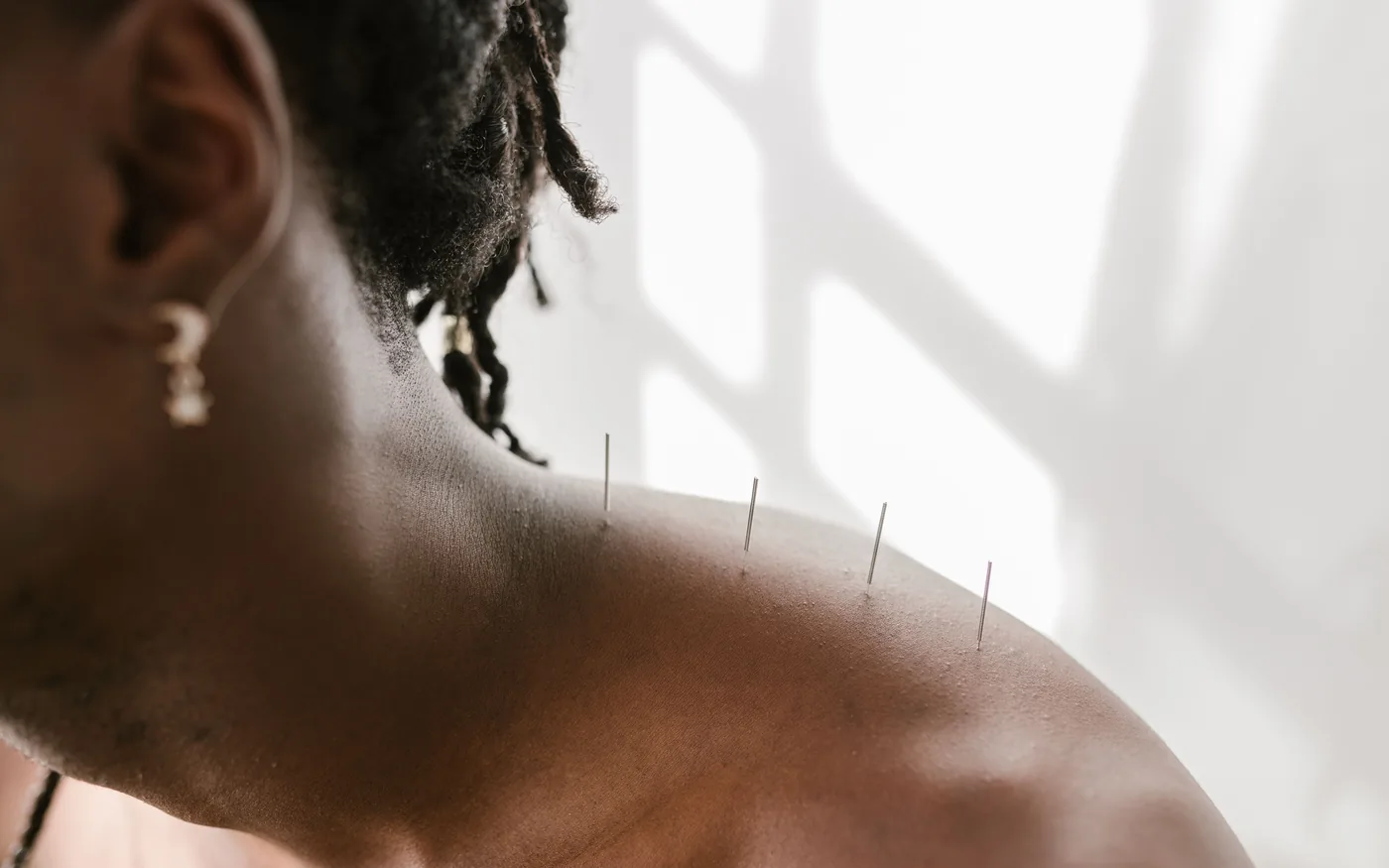
    Needling addresses the cuff, the muscles around the shoulder blade, and the neck, which is very often involved by the time someone books. Hands-on work helps the upper back tightness that comes from months of guarding — see massage for neck and shoulder pain.

    What we would not tell you is that needles fix the tendon. They do not. The strengthening does, and if you only have the time or money for one of the two, do the exercises.

    Needling addresses the cuff, the shoulder blade muscles and the neck
    Needling addresses the cuff, the shoulder blade muscles and the neck.

    What the exercises actually are

    Not a full programme — that should be set for your shoulder — but the shape of one, so you know whether what you have been given is reasonable.

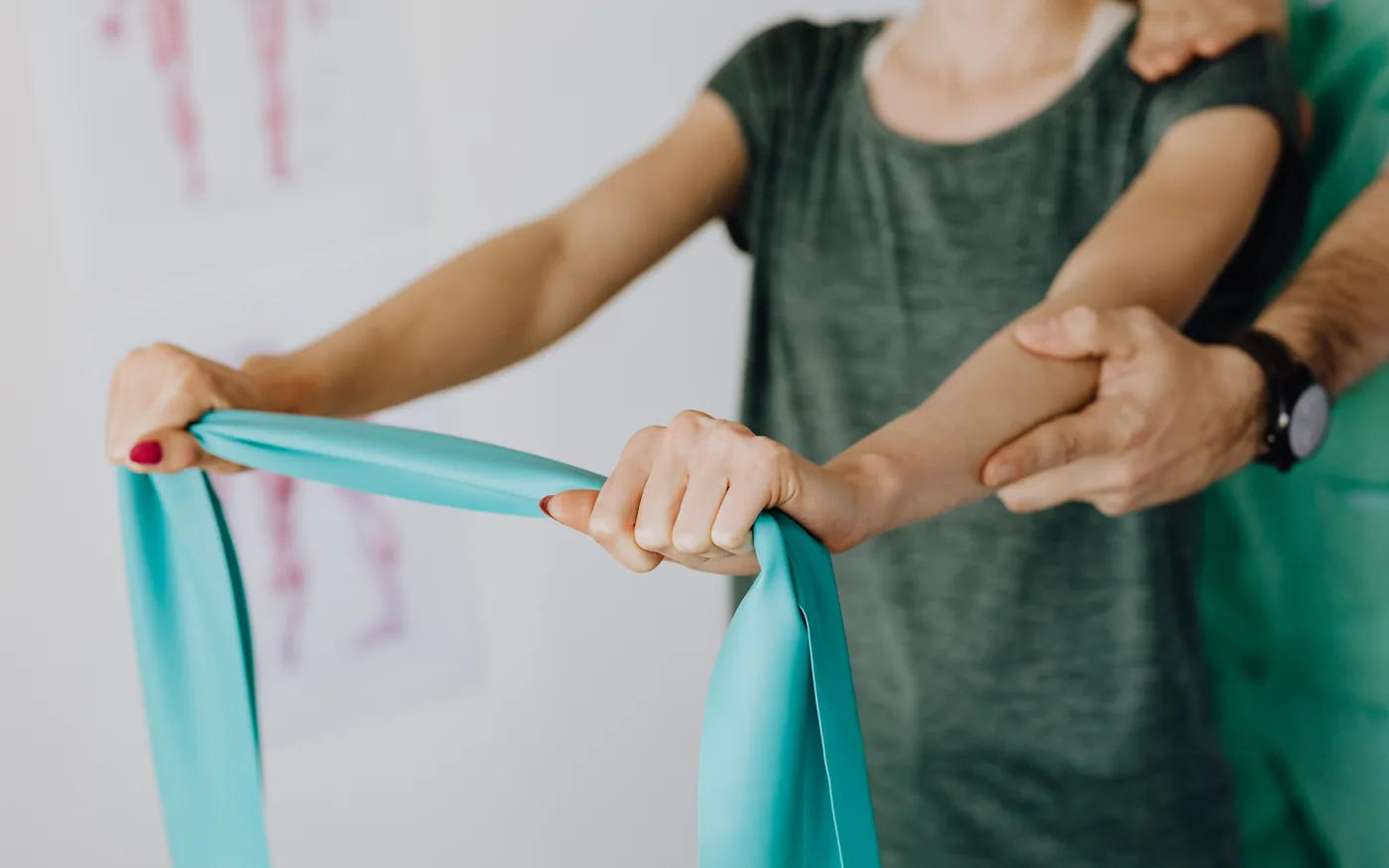
    ElementWhat it targetsRough starting point
    External rotationThe cuff tendons themselvesElbow at your side, band pulling outwards, slow
    Internal rotationThe opposing cuff musclesSame position, pulling inwards
    Scapular retractionThe muscles controlling the shoulder bladeRows, kept below shoulder height at first
    Serratus workShoulder blade stability overheadWall slides, only into a pain-free range
    Progressive loadingThe tendon’s capacityAdd resistance weekly, not repetitions endlessly
    Reviews found supervised programmes no better than home ones, so the deciding factor is consistency rather than supervision.

    Working into mild discomfort is usually acceptable if it settles within a day. Sharp pain, or pain that is worse the following morning, means the load was too high rather than that the exercise is wrong.

    Returning to overhead sport is staged rather than all at once
    Returning to overhead sport is staged rather than all at once.

    What to change while it settles

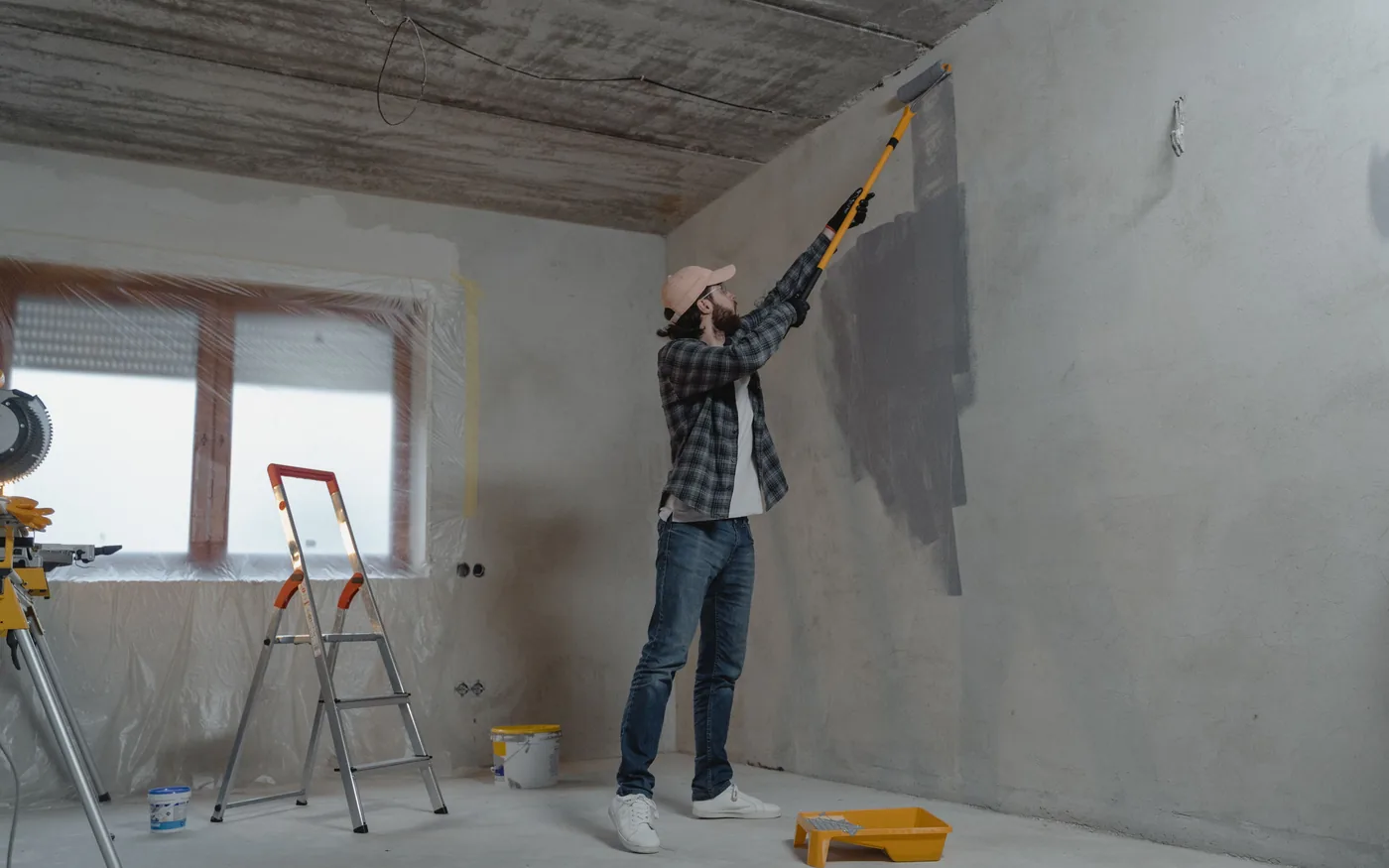
    1. Reduce sustained overhead work rather than stopping using the arm. Painting a ceiling over a weekend is the classic way people arrive here in the first place.

    2. Bring the work down. Lower the shelf, raise the platform, move the monitor.
    3. Sleep with a pillow under the affected arm when on your back, or hug one when on your side.
    4. Keep moving within comfort. Total rest is how a cuff problem becomes a stiff shoulder.
    5. Expect six to twelve weeks of consistent work before judging it. Shoulders are slower than most people are told, and stopping at week three is the commonest reason a programme appears not to work.
    Sustained overhead work is a common cause and the thing to modify
    Sustained overhead work is a common cause and the thing to modify.

    When to see a doctor

    Seek assessment for shoulder pain after a fall, especially if you cannot lift the arm at all; for sudden weakness rather than pain-limited weakness; for a shoulder that looks visibly deformed; for fever with a hot, swollen joint; or for pain that has not improved at all after twelve weeks of appropriate rehabilitation.

    Night pain lying on the affected side is a defining feature
    Night pain lying on the affected side is a defining feature.

    Booking a session in Beverly

    Acupuncture is $75 a session and massage is $45 for 30 minutes, $75 for 60 and $105 for 90 — all on our rates page.

    This is the commonest complaint we see from the sailing towns, and acupuncture for Marblehead covers the practical side of travelling in for a course of appointments.

    Browse all our articles, compare with frozen shoulder if you are unsure which you have, or get in touch to book.


    Frequently asked questions

    How do I know if it is rotator cuff pain or frozen shoulder?

    The quickest test is whether someone else can move it. With rotator cuff pain, passive movement is largely preserved — it hurts, but the shoulder can be lifted. With frozen shoulder the range is genuinely lost, and someone else lifting your arm cannot get past the restriction either.

    What is a painful arc?

    Pain that appears partway through lifting the arm out to the side, roughly between 60 and 120 degrees, and then eases as you go higher. It is characteristic of the cuff tendons being compressed under the bony arch above them.

    What actually treats it?

    Progressive strengthening of the cuff and the muscles that control the shoulder blade. Reviews consistently find exercise reduces pain and improves function, and that supervised programmes are no better than a well-explained home programme you actually do. Conservative treatment is usually given six to twelve weeks.

    Does a tear mean I need surgery?

    Not necessarily. Partial and even some full-thickness tears are managed well without surgery, and imaging finds tears in plenty of people with no pain at all. The decision rests on function and response to rehabilitation, not the scan alone.

    Where does acupuncture fit?

    As an adjunct for pain, so that the strengthening is tolerable. The exercise is what changes the tendon. Anyone offering needling as the treatment for a cuff problem is overselling it.

    This article is general information, not medical advice. Acupuncture is intended to work alongside the care of your doctor, not to replace it. Please speak to a clinician about any new, severe or changing symptom.