146 Cabot Street, Beverly, MA 01915 978.524.4888 View Hours Get Directions

Category: Acupuncture & Wellness

Guides to acupuncture, massage and reflexology written by our practice at 146 Cabot Street, Beverly, MA. Every article listed newest first.

  • Acupuncture for Beverly Farms and Prides Crossing

    Acupuncture for Beverly Farms and Prides Crossing

    Every local page on this site so far has had to make some kind of case for the journey — the timetable from Ipswich, the bridge from Marblehead, the coast road from Manchester.

    This one does not, because Beverly Farms and Prides Crossing are Beverly. The practice is ten minutes away down the same road.

    Ten minutes down Hale Street and Route 127
    Ten minutes down Hale Street and Route 127.

    Getting here

    FromTimeNotes
    Beverly Farms village10 minutesHale Street and Route 127 straight in
    Prides Crossing8–10 minutesThe same road, slightly closer
    West Beach area10–12 minutesAdd a couple of minutes
    By commuter railTwo stopsBeverly Farms to Prides Crossing to Montserrat to Beverly Depot
    Montserrat5 minutesBarely a journey at all
    Parking is street parking on Cabot Street plus municipal parking a short walk away, and it is rarely a problem outside peak hours.

    The City of Beverly publishes parking and local travel information for the whole city, these neighbourhoods included.

    Beverly Farms and Prides Crossing each have their own station
    Beverly Farms and Prides Crossing each have their own station.

    Five stations in one city

    A local detail that surprises people who have not looked at the map properly, and one that quietly explains why so many of the other pages on this site keep mentioning Beverly Depot.

    Beverly has five commuter rail stations. Beverly Depot and North Beverly sit on the Newburyport branch; Montserrat, Prides Crossing and Beverly Farms sit on the Rockport branch, which divides from the other at the Depot.

    It is why the Gloucester page can describe Beverly as a junction, and why the Manchester page can point out that most of that journey happens inside Beverly. From here you are on the inside of all of it.
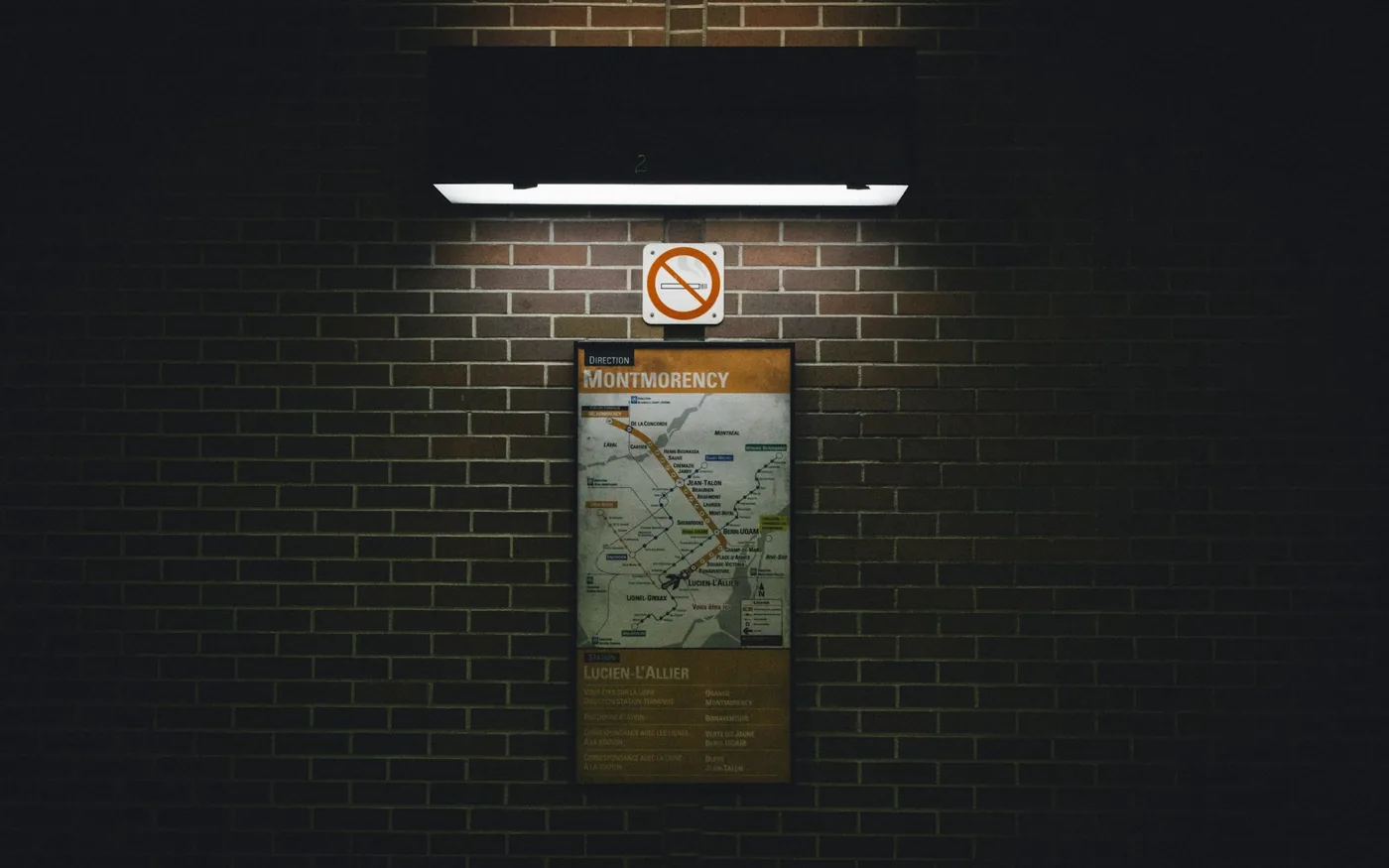
    Five commuter rail stations sit within the city of Beverly
    Five commuter rail stations sit within the city of Beverly.

    Which changes the only thing that matters

    Having written eight of these local pages now, one thing has become obvious: the recurring theme is not distance at all. It is friction, which is a different quantity and a more useful one to think about.

    Courses of treatment fail far more often through abandonment than through ineffectiveness. Appointments four, five and six get rearranged, then postponed, then dropped — usually just before the point at which you would have known whether it was working. That is the same problem described in why rehab exercises get abandoned in week four, and it has the same solution.

    From ten minutes away, holding one regular slot for six weeks is a genuinely small commitment. Which makes the review at the end mean something, and how many sessions people usually need explains why that review is the entire point.
    Being close to home is the strongest predictor of finishing a course
    Being close to home is the strongest predictor of finishing a course.

    Which treatment, and how long a session

    With the journey out of the equation entirely, the only real question is what you actually want an appointment for.

    What you wantUsually suitsLength and rate
    One area that has been complainingMassage30 minutes, $45
    Neck, shoulders and back togetherMassage60 minutes, $75
    Unhurried work on something longstandingMassage90 minutes, $105
    An ongoing or wider-ranging complaintAcupuncture$75, usually a course of six
    To stay fully clothedReflexology$65
    Genuinely not sureSay so when you bookWe will tell you, including if it is neither
    From ten minutes away it costs almost nothing to try one and switch, which is a real advantage worth using.

    What people come in with

    The full range, and no particular local skew worth inventing one for. The other town pages on this site each note a pattern — sailing shoulders, riding backs, dock work — but a residential neighbourhood ten minutes away simply sends us everything, in roughly the proportions the whole city does.

    If you are unsure which treatment fits, our comparison of acupuncture and massage works through it complaint by complaint, and choosing a licensed acupuncturist on the North Shore sets out what to ask any practice.

    Prides Crossing sits between Beverly Farms and Montserrat
    Prides Crossing sits between Beverly Farms and Montserrat.

    Being local cuts both ways

    One thing worth saying plainly on a page written for people who live ten minutes away.

    Proximity is a good reason to try somewhere and a poor reason to stay. If six sessions have not shifted anything, being nearby does not make a seventh more likely to work, and we would rather tell you that than keep the slot filled. The questions worth asking any practice, including this one, are in choosing a licensed acupuncturist on the North Shore.

    It also means we are a reasonable place to ask a question without booking anything. If what you describe on the phone sounds like something a doctor should look at first, we will say so — several articles here exist mainly to point people elsewhere.

    A small practice, since 1998

    Two practitioners, by appointment only. You see the same person each visit, appointments are not stacked back to back, and there is time to say what has changed since the last one.

    We have been at 146 Cabot Street since 1998, which for a neighbourhood ten minutes away probably means you have driven past us a great many times without particularly noticing. That is fairly typical of small practices on a main street.

    The same practitioner each visit, by appointment only
    The same practitioner each visit, by appointment only.

    Booking from Beverly Farms

    Acupuncture runs Tuesday, Wednesday and Friday 9am to 6pm and Saturday 8am to 2pm. Massage runs Monday, Tuesday, Wednesday and Friday 7am to 3pm and Saturday 8am to noon.

    All rates are on our rates page, and what acupuncture costs in Massachusetts covers insurance. Otherwise get in touch to book.


    Frequently asked questions

    How far is the practice from Beverly Farms?

    About ten minutes by car down Hale Street and Route 127, or two stops on the Rockport branch to Beverly Depot, which is a short walk from 146 Cabot Street.

    Are Beverly Farms and Prides Crossing separate towns?

    No. Both are neighbourhoods of Beverly, each with its own commuter rail stop. They have a distinct village character, but administratively they are part of the same city as the practice.

    How many rail stations does Beverly have?

    Five — Beverly Depot, North Beverly on the Newburyport branch, and Montserrat, Prides Crossing and Beverly Farms on the Rockport branch. It is unusually well served for a city its size.

    Is it worth taking the train for a ten-minute drive?

    Usually not, unless you are already travelling. The rail option matters more for the towns further out; from here most people simply drive.

    What does it cost?

    Acupuncture is $75 a session, massage is $45 for 30 minutes, $75 for 60 and $105 for 90, and reflexology is $65. Every rate is published and nothing is added at the end.

    This article is general information, not medical advice. Acupuncture is intended to work alongside the care of your doctor, not to replace it. Please speak to a clinician about any new, severe or changing symptom.

  • A Stiff Big Toe: Why the Fix Is a Stiffer Shoe

    A Stiff Big Toe: Why the Fix Is a Stiffer Shoe

    This site now has three articles about pain at the base of the big toe. Bunions drift sideways, gout arrives overnight and red, and this one stiffens.

    It also has the opposite footwear advice to the other two, which is worth getting right.

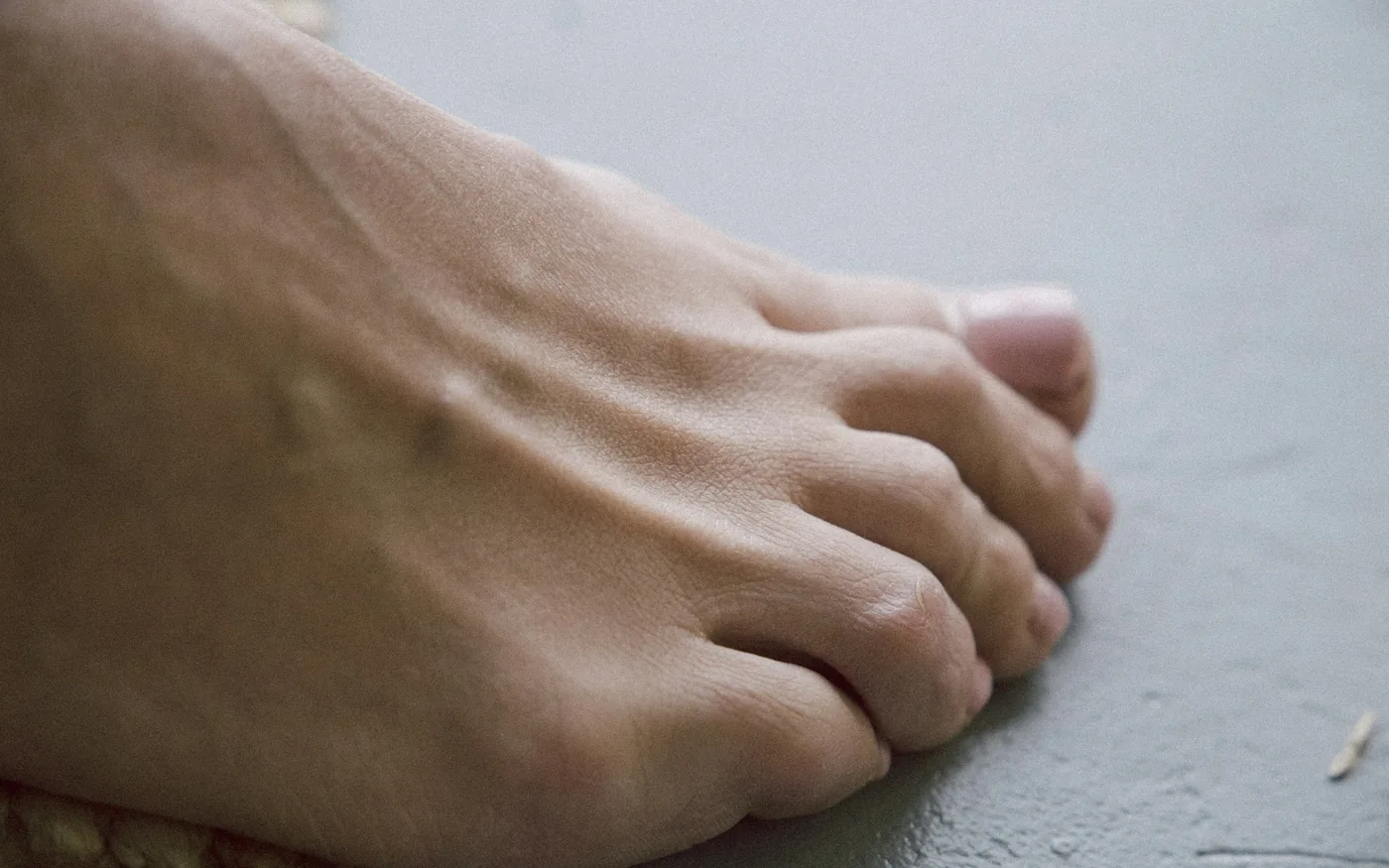
    The pain arrives at the moment the toe bends to push off
    The pain arrives at the moment the toe bends to push off.

    The three big toe problems

    Hallux rigidusBunionGout
    OnsetGradual, over yearsGradual, over yearsHours, often overnight
    The bumpOn top of the jointOn the inner sideNone — the joint swells
    Toe directionStraightDrifts towards the second toeUnchanged
    MovementMarkedly stiff upwardUsually preservedToo painful to test
    Worst whenPushing off, going uphillIn narrow shoesAt rest, acutely
    Footwear answerStiff soleWide toe boxNot a footwear problem
    That last row is the practical point of this article. The two gradual problems want opposite things from a shoe.

    Why bending is the problem

    Every step asks the big toe joint to bend upward as the heel lifts. In a healthy foot that is around sixty degrees of movement, and it happens thousands of times a day without notice.

    When the joint surface has worn and a ridge of bone has formed on top, that upward bend is exactly the movement that jams the joint. Hence the pain at push-off, the pain going uphill, and the pain in any position that forces the toe up.

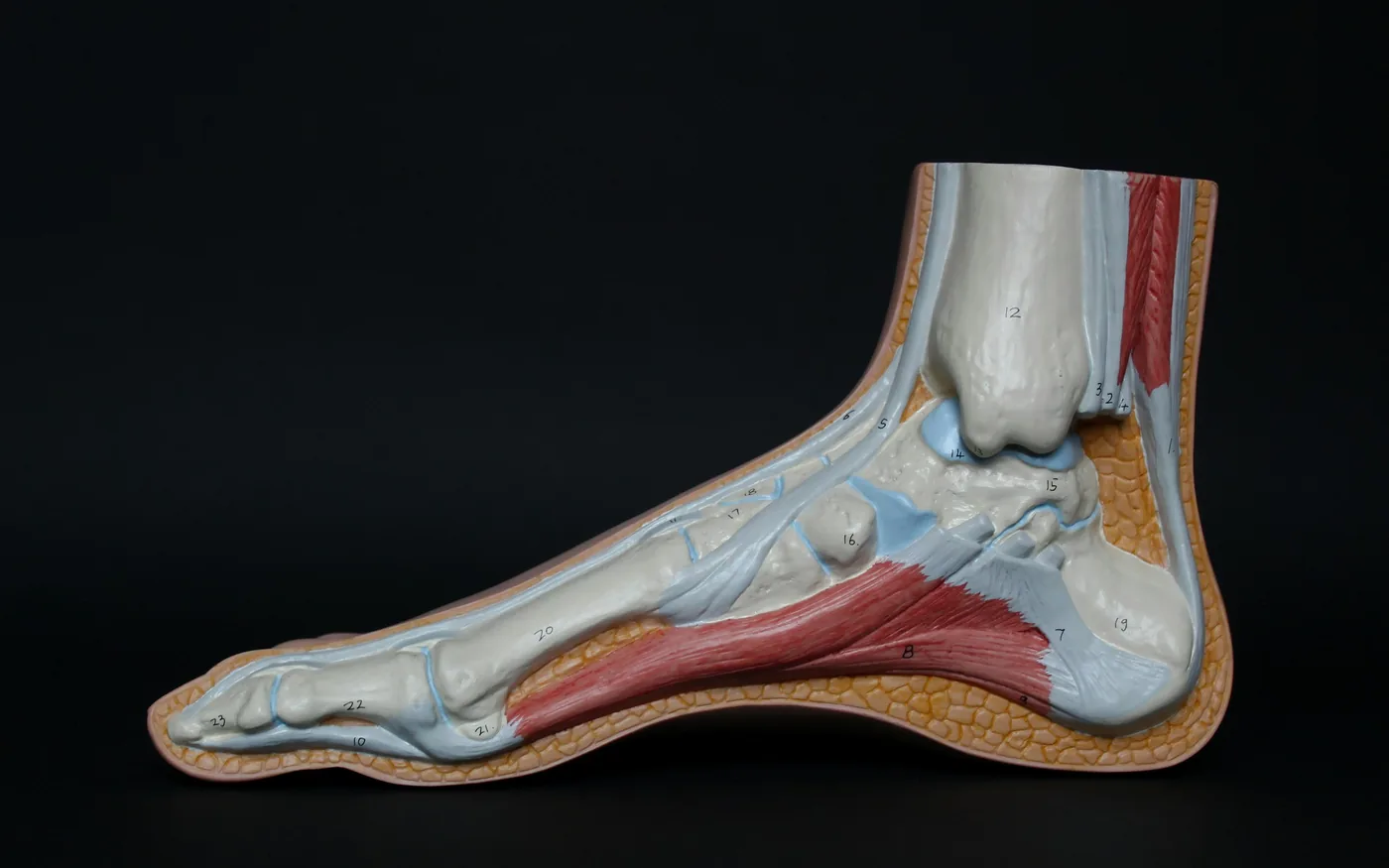
    The bony bump sits on top of the joint rather than at the side
    The bony bump sits on top of the joint rather than at the side.

    The stiff sole, and why it works

    If the pain comes from bending the joint, the useful intervention is a shoe that does the bending for you.

    A stiff sole limits how far the joint has to move. A rocker shape — a sole curved upward at the front — goes further, rolling the foot through the step so the toe barely bends at all. Together they are the most effective conservative measure available for this condition.

    It is a genuinely different requirement from a bunion, where width is everything and sole stiffness is largely irrelevant. Buying the wrong one of those is a common and understandable mistake.

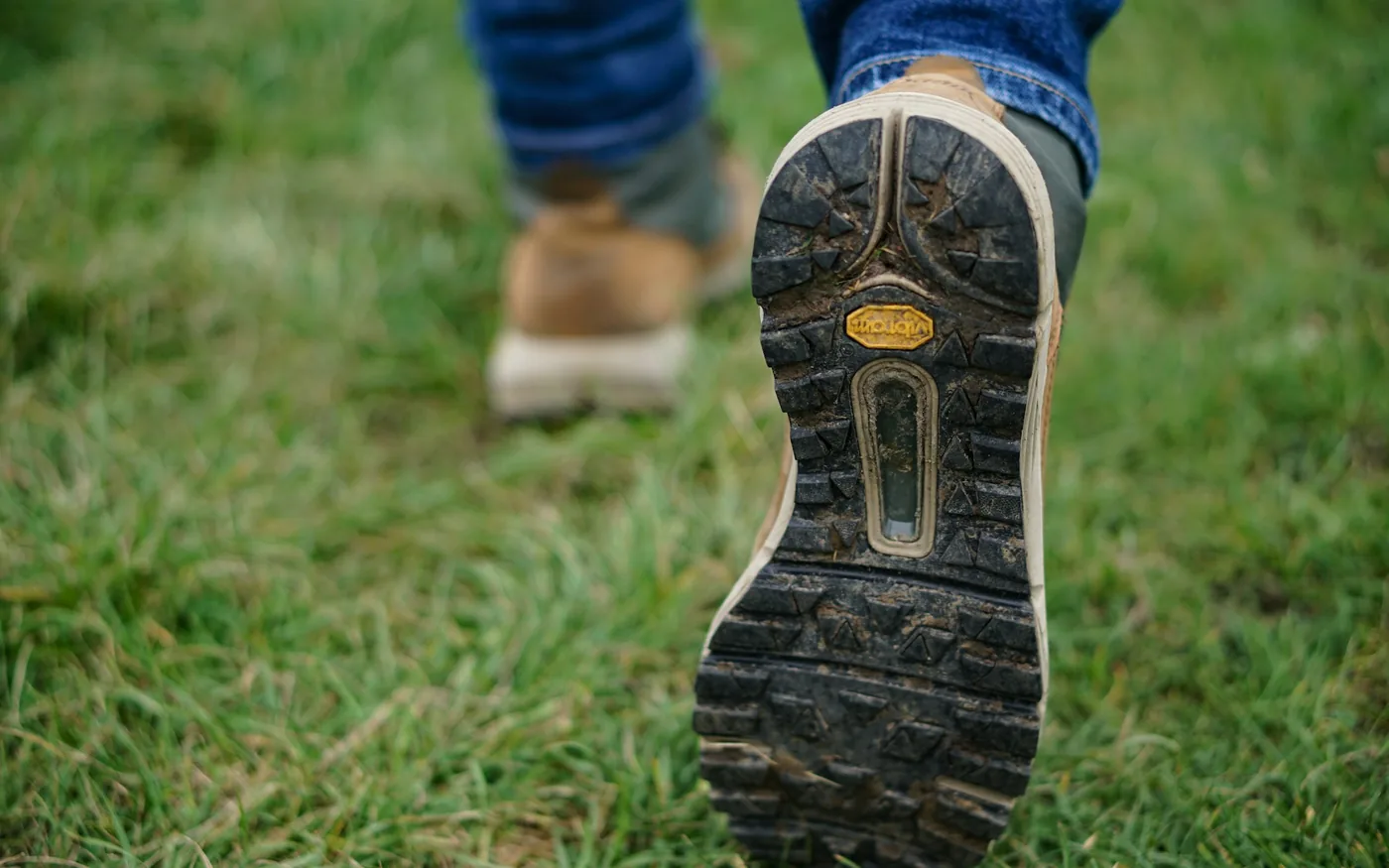
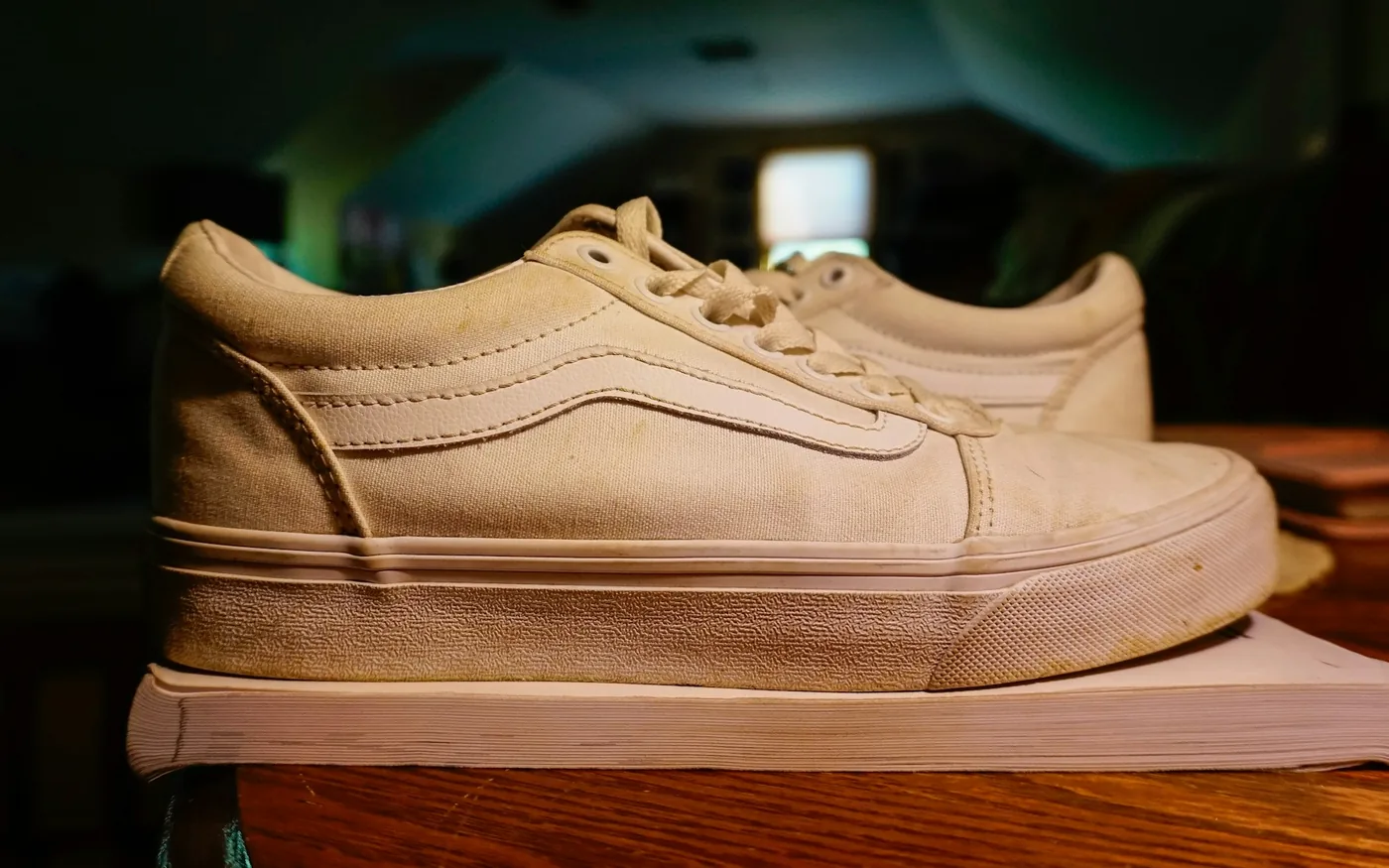
    A stiff sole limits the bend at the joint, which is where the pain is
    A stiff sole limits the bend at the joint, which is where the pain is.

    A cheaper version

    New shoes are not always the answer, and there is an inexpensive alternative worth knowing about.

    A rigid insert placed under the big toe — often a thin carbon fibre plate, sometimes a firm extension under that one toe — achieves much of the same effect inside a shoe you already own. It is the sort of thing a podiatrist supplies routinely, and it is worth asking about before replacing a wardrobe.

    UT Southwestern Medical Center publishes patient material on foot and ankle arthritis if you want to read further.

    A rigid insert does the same job inside an existing shoe
    A rigid insert does the same job inside an existing shoe.

    What helps, in order

    Ranked by how much difference each makes, which is not the order people usually try them in.

    MeasureHow much it helpsNote
    A stiff-soled shoeMost of allA rocker sole better still
    A rigid insertNearly as muchWorks inside shoes you already own
    Avoiding deep toe bendMeaningfulKneeling, deep squats, some yoga positions
    Reducing hill walking for a whileModerateUphill forces the most toe extension
    Anti-inflammatoriesShort-termAsk a pharmacist what suits you
    InjectionVariable, temporaryA doctor conversation, not a first step
    The first two rows are the article. Everything below them is supporting cast.

    What not to bother with

    • Stretching the toe into a deeper bend. The range is limited by the joint, not by tight tissue, and forcing it provokes.
    • Toe spacers. Useful for nothing here — the toe is not drifting sideways.
    • Very flexible shoes. Minimal and highly flexible soles are precisely the wrong direction.
    • Waiting for it to loosen up. It does not, and the footwear change works whether or not the joint changes.
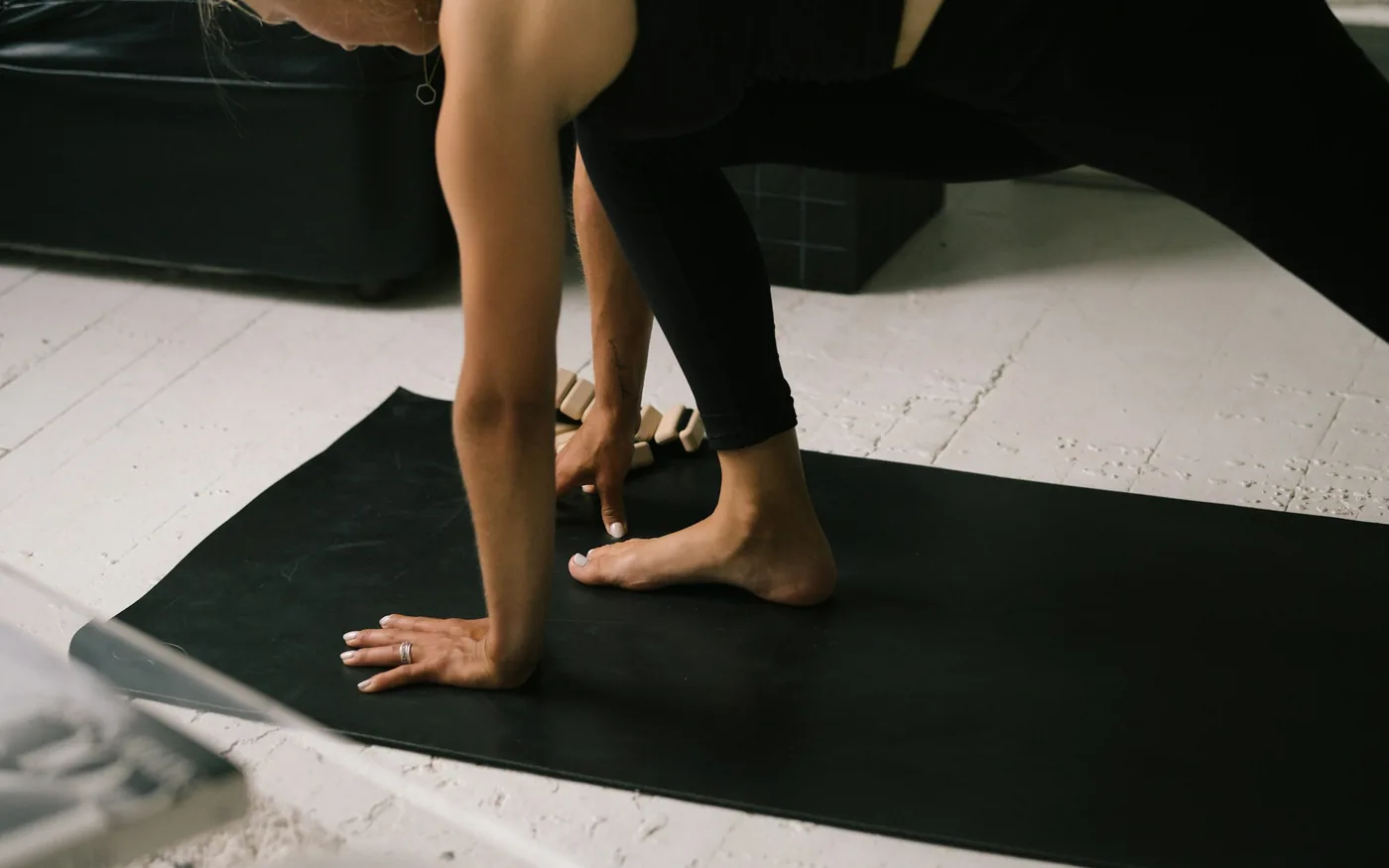
    Positions that force the toe into a deep bend are worth avoiding
    Positions that force the toe into a deep bend are worth avoiding.

    How it usually progresses

    Slowly, and not always to the worst case.

    It generally begins as a loss of upward movement with pain only at the extremes — sometimes called hallux limitus — and some people stay there for years. Where it progresses, the range narrows further and the bony ridge on top becomes more prominent, at which point shoes start rubbing on it as well.

    Two practical consequences. Getting the footwear right early is worth doing rather than waiting until it is bad, and a stiff toe that is not especially painful does not need treating at all.

    Where acupuncture fits

    For comfort, and the joint stays exactly as it is.

    Needling and soft tissue work around the forefoot and calf can ease pain and the compensatory tightness that develops when you have been walking around a sore toe for months. That is a reasonable and modest contribution.

    As with bunions and Morton’s neuroma, we would rather you spent the first $75 on the shoes.

    Comfort while the footwear does the structural work
    Comfort while the footwear does the structural work.

    When to see a doctor

    See a doctor for a joint that becomes red, hot and swollen, particularly with fever — that is more likely gout or infection. Also for sudden severe pain rather than gradual, for numbness in the toes, for a wound over the joint, or for pain that footwear changes no longer control.

    Booking a session in Beverly

    Acupuncture is $75 a session, massage is $45 for 30 minutes and reflexology is $65 — all on our rates page.

    See also bunions, Morton’s neuroma and plantar fasciitis. Browse all our articles or get in touch.


    Frequently asked questions

    What is hallux rigidus?

    Arthritis of the joint at the base of the big toe. The joint stiffens, a bony ridge often forms on top of it, and bending the toe upward becomes painful — which is exactly what walking asks it to do at push-off.

    How is it different from a bunion?

    A bunion drifts the toe sideways and produces a bump on the inner side of the foot. Hallux rigidus keeps the toe straight, produces a bump on top, and limits how far the toe bends upward. The footwear advice for the two is different.

    Why does a stiff sole help?

    Because the pain comes from bending the joint. A stiff sole, particularly with a rocker shape, lets the foot roll through a step without the joint having to bend as far. It is the single most useful change available.

    Will exercises straighten it out?

    No. This is a joint that has stiffened, and no amount of stretching restores the range. Forcing the toe into deep bends generally makes it more painful rather than more mobile.

    Does it always end in surgery?

    No. Many people manage indefinitely with the right footwear. Surgery exists — trimming the bony ridge, or fusing the joint — and is for pain and function that footwear no longer controls.

    This article is general information, not medical advice. Acupuncture is intended to work alongside the care of your doctor, not to replace it. Please speak to a clinician about any new, severe or changing symptom.
  • AC Joint Pain: Right on Top of the Shoulder

    AC Joint Pain: Right on Top of the Shoulder

    There is a small joint on top of your shoulder where the collarbone meets the shoulder blade. It is easy to forget about until it hurts, at which point it becomes the only thing you can think about when you reach for a seatbelt.

    It also has one of the cleanest self-tests on this site.

    Reaching across the body is the movement that provokes it most
    Reaching across the body is the movement that provokes it most.

    Two tests you can do now

    Both take a few seconds and between them they separate this from most of the alternatives.

    1. Point at it. If you can cover the sore spot with one fingertip, and it sits on top of the shoulder rather than on the outer arm, that is characteristic.
    2. Reach across your chest. Bring the arm straight across towards the opposite shoulder and pull gently. Sharp pain on top points at this joint.

    Pain felt lower down, on the outside of the upper arm, and worse reaching away from the body is more likely a rotator cuff problem instead.

    Telling the shoulder problems apart

    AC jointRotator cuffFrozen shoulder
    WhereOn top, pinpointOuter upper armDeep and diffuse
    Cross-body reachSharply painfulUncomfortable at mostLimited by stiffness
    OverheadPainful at the very topPainful through the arcCannot get there
    Lying on itPainfulPainfulPainful
    Passive movementLargely preservedLargely preservedMarkedly reduced
    Read moreThis pageRotator cuff painFrozen shoulder
    The fifth row is the one a clinician checks. A shoulder someone else cannot move either is a different problem.

    How it usually starts

    Two quite different routes, and the history usually makes it obvious which.

    The traumatic version follows a fall onto the point of the shoulder — off a bike, on ice, in contact sport. There may have been a visible step or lump at the time. Those are graded, and most of the milder grades are managed without surgery.

    The gradual version is wear in the joint, which is near-universal on imaging after forty and frequently symptomless. As with the knee and the neck, a report describing degenerative change at this joint is not on its own an explanation of pain.

    A fall onto the point of the shoulder is the traumatic route in
    A fall onto the point of the shoulder is the traumatic route in.

    What to change, particularly in the gym

    This is where most people find their answer, and it rarely means stopping training.

    Instead ofTryWhy
    Deep dipsShallower, or a different pressThe bottom of a dip loads the joint hard
    Wide-grip bench pressA narrower grip, less depthReduces the end-range compression
    Behind-the-neck workFront, and lighterExtreme positions provoke it
    Sleeping on that sideA pillow under the armReduces the overnight load
    Carrying a bag on that shoulderThe other side, or across the bodyDirect pressure on the joint
    Stopping training entirelyModifying itDeconditioning helps nobody
    The last row matters. Almost everybody can keep training with adjustments, and doing so beats a month off.
    Pressing and dipping load the joint at the end of range
    Pressing and dipping load the joint at the end of range.

    A note on the traumatic grades

    If this started with a fall, the grade matters and it is worth knowing roughly where you sit.

    The milder separations — where the ligaments are strained or partly torn but the collarbone has not visibly displaced — are managed without surgery and generally settle over weeks to a few months. A visible step at the top of the shoulder suggests a higher grade, and that is a conversation with an orthopaedic surgeon rather than a decision to make from a web page.

    Even among the higher grades, plenty are managed conservatively with good function. A visible bump does not automatically mean an operation.

    What rebuilds it

    The same principle as everywhere else on this site: load modification first, then strengthening, and time.

    Scapular and rotator cuff strengthening supports the whole complex and lets the joint tolerate more. It will not reverse wear, and it does not need to — the aim is a joint that copes with what you ask of it.

    Penn State Health publishes patient material on shoulder conditions if you want a fuller clinical reference.

    Strengthening around the joint rather than resting it
    Strengthening around the joint rather than resting it.

    The night problem

    Almost everyone with a shoulder complaint mentions sleep, and it is worth one practical note rather than sympathy.

    Lying on the affected side compresses the joint for hours. A pillow tucked under the arm when lying on the other side stops the affected arm dropping across the body, which is the position that provokes it. Small change, and it often makes the difference between a broken night and a whole one.

    Lying on that shoulder at night is a common complaint
    Lying on that shoulder at night is a common complaint.

    Where acupuncture and massage fit

    For the pain and the surrounding muscular tension, which lets the strengthening happen. That is the same supporting role described throughout this site, and it is worth being consistent about it.

    Needling does not change a worn joint surface. What it can do is make the weeks more tolerable while the load modification and the strengthening do the work that lasts.

    An adjunct for the pain while the loads are modified
    An adjunct for the pain while the loads are modified.

    When to see a doctor

    See a doctor for a visible step or deformity after a fall, for an inability to lift the arm at all, for numbness or tingling down the arm, for a shoulder that is hot and swollen with fever, or for pain that has not improved after eight to twelve weeks of genuine modification and strengthening.

    Booking a session in Beverly

    Acupuncture is $75 a session and massage is $45 for 30 minutes, $75 for 60 and $105 for 90 — all on our rates page.

    See also rotator cuff shoulder pain, frozen shoulder and thoracic outlet syndrome. Browse all our articles or get in touch.


    Frequently asked questions

    Where exactly is AC joint pain felt?

    Right on top of the shoulder, at the small joint where the collarbone meets the shoulder blade. People point at it with one fingertip, which is unusual and diagnostically useful. Rotator cuff pain is felt lower, on the outer upper arm.

    What is the cross-body test?

    Reaching the affected arm straight across your chest towards the opposite shoulder. If that reproduces sharp pain on top of the shoulder, it points at the AC joint. It is something you can try while reading this.

    What causes it?

    Two routes. A fall onto the point of the shoulder or onto an outstretched hand, which strains or separates the joint. Or gradual wear, which is extremely common after forty and often shows on scans in people with no symptoms at all.

    What should I stop doing in the gym?

    Deep dips, wide-grip bench pressing and anything that takes the arm far across the body under load. Narrowing the grip and reducing depth usually lets people keep training rather than stopping.

    Does it need surgery?

    Rarely. Most cases settle with load modification and strengthening. Surgery to trim the end of the collarbone exists for cases that do not settle, and it sits well after the conservative measures.

    This article is general information, not medical advice. Acupuncture is intended to work alongside the care of your doctor, not to replace it. Please speak to a clinician about any new, severe or changing symptom.
  • Why Rehab Exercises Get Abandoned in Week Four

    Why Rehab Exercises Get Abandoned in Week Four

    Count the articles on this site that end by saying the exercises are the treatment and everything else is support. It is most of them.

    None of them addressed the obvious problem with that advice, which is that most people stop doing the exercises. This one does.

    Three exercises done daily beats eight done occasionally
    Three exercises done daily beats eight done occasionally.

    Week four is where it goes

    The pattern is consistent enough to be worth naming in advance, because a thing you expect is easier to survive.

    Weeks one and two are diligent, because it hurts and you are motivated. By week three or four the pain has eased substantially. The exercises now feel less necessary, one gets missed, then a few, and by week six the programme has quietly ended.

    Then the problem returns, usually at around the point the capacity you were building would have started to hold. Which is the frustrating part: it was working.

    Weeks three and four are when the pain eases and the programme stops
    Weeks three and four are when the pain eases and the programme stops.

    Fewer exercises, more often

    If you were given eight exercises with three sets each, you were given a programme designed for a clinic rather than a life.

    The arithmetic is simple. Three exercises done six days a week is eighteen sessions of stimulus. Eight exercises done twice because it takes half an hour is two. The first is a training programme; the second is an intention.

    If your programme takes more than about ten minutes, it is reasonable to ask which two or three matter most and do those properly. Any sensible clinician would rather that than the alternative.

    Attach it to something you already do

    This is the single most effective change, and it costs nothing.

    Intentions to do something “daily” fail because there is no moment attached to them. Intentions attached to an existing, automatic event succeed far more often — while the kettle boils, after brushing your teeth, before the first coffee, during the news.

    Pick the anchor before you pick the time of day. The point is not discipline; it is removing the daily decision.

    Anchoring the exercises to an existing habit is what makes them stick
    Anchoring the exercises to an existing habit is what makes them stick.

    What actually predicts sticking with it

    FactorEffectWhat to do about it
    Number of exercisesLarge — more is worseAsk for the essential three
    Time requiredLargeUnder ten minutes, ideally under five
    Attached to a habitLargeChoose the anchor deliberately
    Understanding whyModerateAsk what each one is for
    Keeping a recordModerateA tick on a calendar is enough
    Equipment visibleSmall but freeLeave the band out, not in a drawer
    A review dateModerateSomething to aim at rather than an open-ended chore
    Nothing on this list requires more willpower. All of it requires less.

    Measure something, and pick it now

    Over six to twelve weeks, memory smooths everything out in whichever direction you expect. Something written down does not.

    It does not need to be sophisticated. Days per week with pain above a five. Walking distance before it starts. How many headache days last month. Whether you can put your own socks on. One number, recorded before you start.

    That is the same argument made in how many acupuncture sessions people need and in spinal stenosis, and it is the thing that makes a review at six weeks honest rather than hopeful.

    A tick on a page is a surprisingly effective piece of machinery
    A tick on a page is a surprisingly effective piece of machinery.

    What a workable programme looks like

    Concretely, since the advice above is easier to agree with than to apply.

    Instead ofTryWhy
    “Do these daily”“While the kettle boils”An anchor beats an intention
    Eight exercisesThe essential threeCompleted beats comprehensive
    Thirty minutesFive to tenShort enough to survive a bad week
    Band in a drawerBand on the counterRemoves a decision
    “See how it goes”A date six weeks outSomething to aim at rather than an open chore
    Judging it by feelOne written numberMemory flatters in whichever direction you expect
    Every row on the right takes less effort than the row on the left, which is the whole point.

    The pain rules

    People stop partly because they are unsure whether what they feel is acceptable. A simple rule removes most of that uncertainty.

    Mild discomfort during the exercise is usually fine. The test is the following morning: consistently worse the next day means the dose was too high, and you drop back a level rather than stop altogether.

    That is the same principle as the pacing described in why pain persists after healing, and it is what stops the boom-and-bust cycle that ends most programmes.

    What to do when you have already stopped

    Most people reading this stopped some weeks ago, so it is worth saying plainly: restarting is not starting over.

    1. Restart at about two-thirds of where you left off, not at the beginning and not where you stopped.
    2. Cut the programme down to whatever you will actually do. Two exercises done beats five intended.
    3. Pick a different anchor — the old one clearly did not hold.
    4. Set a date to review, six weeks out, and write the measure down today.
    5. Do not treat the gap as failure. It is the normal course of these things, which is why this article exists.

    National activity guidance from health.gov makes a similar point about physical activity generally: some is substantially better than none, and consistency beats intensity.

    Leaving the equipment out removes one decision from the day
    Leaving the equipment out removes one decision from the day.

    Where treatment honestly fits

    Exactly where this site has always put it, and this article is the clearest statement of it.

    Acupuncture and massage reduce pain enough that the exercises become possible, and a standing appointment provides a rhythm and a small amount of accountability. Both of those are real contributions to the thing that actually works.

    Neither is a substitute for it. A course of treatment with no exercise programme alongside is, for most of the conditions here, an expensive way to stay where you are.

    Treatment exists to make the programme possible, not to replace it
    Treatment exists to make the programme possible, not to replace it.

    Booking a session in Beverly

    Acupuncture is $75 a session and massage is $45 for 30 minutes, $75 for 60 and $105 for 90 — all on our rates page. Tell us what your programme is when you book, and we will work around it rather than adding to it.

    Browse all our articles or get in touch.


    Frequently asked questions

    Why do people stop doing their exercises?

    Usually around weeks three and four, and usually because the pain has eased. The programme was attached to the symptom rather than to a routine, so when the symptom fades the reminder goes with it.

    How many exercises should I be doing?

    Fewer than you were probably given. Three done daily beat eight done occasionally, and a programme you can complete in five minutes is one you will still be doing in six weeks.

    What is the single most effective trick?

    Attaching the exercises to something you already do without thinking — the kettle boiling, brushing your teeth, the first coffee. Deciding when and where in advance beats intending to find time.

    Should the exercises hurt?

    Mild discomfort during is usually acceptable. The test is the following morning: if it is consistently worse the next day, the dose was too high. That rule applies across most of the conditions on this site.

    How long before I know if it is working?

    Six weeks for most soft tissue problems, twelve for tendons and joints. That is why deciding in advance what you are measuring matters so much — memory is unreliable over that timescale.

    This article is general information, not medical advice. Acupuncture is intended to work alongside the care of your doctor, not to replace it. Please speak to a clinician about any new, severe or changing symptom.
  • Pain on the Little Finger Side of the Wrist

    Pain on the Little Finger Side of the Wrist

    This site has three articles about the thumb side of the wrist and, until now, none about the other one. That is a fair reflection of how often each gets discussed and a poor reflection of how often each hurts.

    Pain on the little finger side is common, and it has a recognisable set of provoking movements.

    Rotation is the movement that provokes it most reliably
    Rotation is the movement that provokes it most reliably.

    The movements that give it away

    The location narrows it down. What provokes it narrows it considerably further, and most people can answer this without any prompting.

    Three things come up almost every time, and together they point at the ulnar side more reliably than any description of the pain itself.

    1. Turning things. Keys, doorknobs, jar lids, screwdrivers. Rotation loads that side of the wrist directly.
    2. Pushing up from a chair. Weight through an extended wrist compresses it.
    3. Gripping with the wrist bent towards the little finger, which is most racquet and club sports.
    4. Clicking or clunking, which is common and less alarming than it sounds.
    Pushing up from a chair loads the ulnar side directly
    Pushing up from a chair loads the ulnar side directly.

    What actually sits there

    Worth a paragraph, because the structure explains why rotation is the movement that hurts.

    A small complex of cartilage and ligament bridges the gap between the end of the forearm bone on that side and the wrist bones. It cushions load and holds the two forearm bones together as they rotate.

    It can be torn by a fall onto an outstretched hand, strained by repeated twisting, or simply worn with time. Where the forearm bones sit slightly unevenly relative to each other — which is a normal anatomical variation — that structure takes more load and wears sooner.

    A small cartilage complex cushions and stabilises the ulnar side
    A small cartilage complex cushions and stabilises the ulnar side.

    How it usually starts

    Three routes in, and the history usually points clearly at one of them.

    How it beganTypical storyWhat that changes
    A fall onto the handSudden pain, sometimes a popFracture needs excluding first
    Repetitive twistingBuilt over weeks with a new task or sportLoad management is the treatment
    Gradual, with ageNo injury, worse over monthsOften degenerative rather than torn
    After a wrist fracturePain persisting once the bone healedWorth a specialist review
    With clicking and instabilityA sense the wrist gives way turning thingsAssessment rather than self-management
    The first and last rows want a clinician. The middle two are where the advice below applies.

    The scan caveat, again

    It applies here as clearly as it does to the knee and the neck.

    Tears in this structure are found on imaging in a substantial proportion of people with no wrist pain whatsoever, and the proportion climbs with age. A report describing a tear is not by itself an explanation of your symptoms, and it is certainly not an instruction to operate.

    What the scan usefully does is rule out the things that genuinely need ruling out, particularly after a fall onto the hand. That is a real and important job, and a different one from explaining an ache.

    What settles it

    As with most of the hand and wrist, changing the load does more than anything applied to it.

    MeasureWhy it helpsNote
    Reduce rotation loadsRemoves the provoking movementElectric screwdriver, lever handles, jar opener
    A brace that limits rotationA general wrist splint does notAsk for the right kind
    Change how you push upUse a fist or forearm rather than a flat handSmall change, repeated dozens of times a day
    Grip modification in sportThicker grip, technique reviewWhere the sport caused it
    Graded strengtheningForearm and grip, once settledLater rather than first
    Injection or surgeryFor cases that do not settleA hand specialist conversation
    The third row is the one people find most immediately useful, and it costs nothing.
    A brace that limits rotation is often more useful than a general wrist splint
    A brace that limits rotation is often more useful than a general wrist splint.

    Or is it something else?

    Several things produce pain in the same small area, and they are managed differently.

    The UVA Health patient library covers hand and wrist conditions if you want to read further before an appointment.

    Racquet and club sports load the ulnar wrist in rotation
    Racquet and club sports load the ulnar wrist in rotation.

    Where acupuncture and massage fit

    As an adjunct to the load management, which is the same position this site takes on every tendon and joint problem where the mechanics are doing the work. Wrists are no exception, and the small size of the structures involved does not make needling any more decisive than it is elsewhere.

    Needling and soft tissue work around the forearm can ease the pain and the muscular tightness that builds around a guarded wrist. It does not repair cartilage, and the change of grip and rotation is what actually settles it.

    An adjunct while the load management does the work
    An adjunct while the load management does the work.

    When to see a doctor

    See a doctor for wrist pain after a fall, which needs a fracture excluded; for numbness or tingling in the hand; for a wrist that gives way or locks; for visible deformity or swelling with warmth; or for pain that has not improved after six to eight weeks of genuine load management.

    Booking a session in Beverly

    Acupuncture is $75 a session and massage is $45 for 30 minutes, $75 for 60 and $105 for 90 — all on our rates page.

    Browse all our articles or get in touch.


    Frequently asked questions

    What causes pain on the little finger side of the wrist?

    Most often the small cartilage complex that cushions and stabilises that side of the joint, injured by a fall onto the hand, by repeated twisting loads, or simply worn with age. Tendon and joint problems in the same area produce similar pain.

    Which movements provoke it?

    Rotation above all — turning a key, a doorknob, or a screwdriver. Pushing up from a chair is the other classic, because it loads that side of the wrist directly.

    My scan shows a tear. Does that mean it needs fixing?

    Not on its own. Tears in that structure are found regularly in people with no wrist symptoms at all, and the proportion rises with age. A scan describes structure; it does not establish the source of pain.

    What kind of brace helps?

    One that limits rotation rather than a general wrist splint that only stops bending. That distinction matters, because rotation is the movement doing the damage.

    How long does it take?

    Weeks to a few months for most straightforward cases managed sensibly. Longer if the provoking activity has continued unchanged, which is the usual reason it drags on.

    This article is general information, not medical advice. Acupuncture is intended to work alongside the care of your doctor, not to replace it. Please speak to a clinician about any new, severe or changing symptom.
  • Leg Pain That Stops When You Stop Running

    Leg Pain That Stops When You Stop Running

    It is the most precisely described complaint on this site. The leg feels fine for the first mile and a half. Then it tightens, builds, and by two and a half miles you have to stop. Five minutes later you feel entirely normal and slightly foolish.

    That description is close to diagnostic, and it is why this condition is worth separating from shin splints.

    It arrives at almost the same distance every time
    It arrives at almost the same distance every time.

    Three shin problems, told apart

    These get confused constantly, and the differences are behavioural rather than anatomical.

    Compartment syndromeShin splintsStress fracture
    SensationTightness, fullness, crampingAching along the boneSharp, focal
    Tenderness to pressLittle or noneDiffuse along the inner borderOne pinpoint spot
    During activityBuilds steadilyOften warms up and easesWorsens and persists
    On stoppingGone within minutesAches afterwardsStill hurts
    TimingPredictable distance every timeRelated to overall loadProgressive over weeks
    Read moreThis pageShin splintsGet it assessed
    The fourth row does most of the work. Symptoms that vanish within minutes of stopping point strongly at the compartment.

    What is happening

    The muscles of the lower leg sit in compartments wrapped in a tough sheet of connective tissue. During exercise muscle swells and the pressure inside those compartments rises, which is normal.

    In some people it rises far enough to interfere with blood flow and nerve function within the compartment, and that produces the tightness, the occasional numbness and the foot that starts to slap. Stop exercising and the pressure falls back within minutes, which is exactly what people describe.

    A sensation of tightness and fullness rather than bone tenderness
    A sensation of tightness and fullness rather than bone tenderness.

    Which compartment, and why it matters

    The lower leg has four compartments, and the two that commonly cause trouble behave slightly differently.

    The front compartment is the classic. Tightness across the front of the shin, sometimes with the foot starting to slap or catch as the muscles that lift it tire. This is the presentation that responds best to both gait work and, where needed, surgery.

    The deep back compartment produces tightness lower and deeper, more towards the inner calf, and it is both harder to identify and less reliably helped by release. Worth knowing before anybody offers an operation.

    A note on diagnosis

    The formal test involves measuring the pressure inside the compartment with a needle, before and after exercise. It is invasive, and its thresholds have been questioned in recent years.

    Which means the history matters more here than in most conditions. If you can describe the distance at which it starts and how quickly it resolves, you have given a clinician most of what they need. It is worth writing that down before an appointment.

    Brigham and Women’s Hospital publishes patient material on lower limb sports conditions if you want a fuller clinical reference.

    Symptoms settle within minutes of stopping, which is characteristic
    Symptoms settle within minutes of stopping, which is characteristic.

    What can be tried first

    Conservative measures are worth a proper attempt before anybody discusses an operation, and a fair attempt means months rather than a fortnight.

    ApproachWhat it involvesRealistic expectation
    Reduce the running volumeStay below the distance that provokes itSymptom control rather than cure
    Change the surfaceSofter, more varied groundModest, worth trying
    Gait retrainingAltering how the foot lands, coached properlyHas helped some runners with anterior symptoms
    Cross-trainingCycling, swimming, rowingProtects fitness meanwhile
    Calf and lower leg strengthGeneral robustnessSensible, not curative
    Surgical releaseOpening the compartmentEffective for some compartments, less for others
    Gait retraining is the most interesting of these and the one most worth doing with a coach rather than from a video.
    Changing how the foot lands has helped some runners with this
    Changing how the foot lands has helped some runners with this.

    Keeping fitness in the meantime

    Worth its own note, because the instinct is to stop everything and that is neither necessary nor helpful.

    The pressure rises with the specific muscle work of running. Cycling, swimming and rowing generally do not provoke it, which means aerobic fitness can be maintained while the running load is reduced. That matters both physically and for the mood of a runner told to stop.

    The same reasoning appears in shin splints and jumper’s knee: reduce the provoking load rather than all load.

    Cross-training keeps fitness while the running load is reduced
    Cross-training keeps fitness while the running load is reduced.

    Where treatment fits

    Honestly, at the edges. Nothing done in a treatment room lowers the pressure inside a muscle compartment during exercise, and we are not going to suggest otherwise.

    What hands-on work and needling can do is ease the calf and lower leg tightness that tends to accumulate around it, which is comfort rather than treatment. If that is what you want, it is a reasonable thing to book. If you want the problem solved, the conversation is with a sports medicine clinician.

    Treatment can ease calf tension but does nothing to the compartment pressure
    Treatment can ease calf tension but does nothing to the compartment pressure.

    When to see a doctor

    See a doctor for leg pain that does not settle with rest, for numbness or a foot that drags, for a leg that is swollen, hot or discoloured, or for calf pain that comes on with walking rather than running — the last of those can be circulatory and needs a different assessment.

    Pain that persists after stopping, rather than resolving within minutes, points away from this and towards shin splints or a stress fracture.

    Booking a session in Beverly

    Acupuncture is $75 a session and massage is $45 for 30 minutes, $75 for 60 and $105 for 90 — all on our rates page. For calves, thirty focused minutes is usually the sensible booking.

    See also Achilles tendinopathy and recovery work for active people. Browse all our articles or get in touch.


    Frequently asked questions

    What does exertional compartment syndrome feel like?

    A building tightness, fullness or cramping in the lower leg that starts at a fairly predictable point in a run, gets worse the longer you continue, and then settles within minutes of stopping. Some people also get temporary numbness or a foot that slaps.

    How is it different from shin splints?

    Shin splints produce diffuse tenderness along the inner shin bone that you can press on, and they often warm up during a run. Compartment symptoms are tightness rather than tenderness, they build rather than warm up, and they disappear at rest.

    Why does it stop so quickly when I stop?

    Because the problem is pressure inside a compartment of muscle that rises with exercise and falls again at rest. Once the muscle stops working the pressure drops, and the symptoms go with it.

    Can it be treated without surgery?

    Sometimes. Reducing running volume, changing surfaces, and in some cases altering how the foot lands have all helped people. Surgery to release the compartment is effective for some presentations and less reliable for others.

    Does acupuncture help?

    Not with the underlying pressure, which is a mechanical problem. It can ease the calf tightness that tends to accompany it, and we would describe that as comfort rather than treatment.

    This article is general information, not medical advice. Acupuncture is intended to work alongside the care of your doctor, not to replace it. Please speak to a clinician about any new, severe or changing symptom.
  • Acupuncture for Manchester-by-the-Sea: Closer Than the Map

    Acupuncture for Manchester-by-the-Sea: Closer Than the Map

    On a rail map, Manchester-by-the-Sea looks four stops out from Beverly Depot. In practice it is closer than that sounds, and the reason is a piece of local geography people from further away tend not to know.

    Beverly Farms, Prides Crossing and Montserrat are all Beverly. You spend most of that journey inside the town you are travelling to.

    The stops in between are Beverly neighbourhoods rather than other towns
    The stops in between are Beverly neighbourhoods rather than other towns.

    Getting here

    RouteTimeNotes
    Route 127, the coast road15 minutesThe pleasant way, through Beverly Farms
    Route 128 then 1A15–18 minutesQuicker in summer when 127 is busy
    Commuter railA short runManchester to Beverly Depot on the Rockport branch
    From Magnolia18–20 minutesAdd a few minutes at the start
    From the Essex line20 minutesVia 127 or across on 128
    Parking at this end is street parking on Cabot Street plus municipal parking a short walk away.

    The Town of Manchester-by-the-Sea publishes local travel and parking information for the other end of the trip.

    Route 127 along the coast takes about fifteen minutes
    Route 127 along the coast takes about fifteen minutes.

    Which makes a course straightforward

    Most of our town pages have to argue that a journey is worth making. This one, like Hamilton and Wenham, gets to make a better argument instead: the journey barely registers, so the only question left is whether the treatment is the right one. That is a more honest conversation to be having.

    The argument this page can make is the same one available to Hamilton and Wenham, and it is a better argument than the ones the further towns get.

    A course of six weekly sessions asks for six short trips rather than six expeditions. That matters because the commonest reason a course fails is not that treatment did not work — it is that appointments four, five and six were rearranged and then quietly dropped.

    From fifteen minutes away, holding one regular slot for six weeks is a small thing, which makes the review at the end meaningful. How many sessions people usually need explains why that review is the point of the whole exercise.

    A short drive makes a weekly course straightforward to keep up
    A short drive makes a weekly course straightforward to keep up.

    What people come in with

    Towns do not have their own anatomy, but they do have their own habits, and over a few years those show up in an appointment book clearly enough to be worth mentioning.

    The usual mix, with two local skews.

    It is a sailing and rowing town, which shows up as shoulders — and shoulder complaints are among the most commonly misidentified, since three different problems produce similar pain.

    Sailing and rowing bring their own pattern of shoulder complaints
    Sailing and rowing bring their own pattern of shoulder complaints.

    Which treatment, and how long

    From fifteen minutes away the usual is-it-worth-the-trip calculation barely applies, so the question becomes the simpler one of what you actually want.

    What you wantUsually suitsLength and rate
    One stubborn areaMassage30 minutes, $45
    Neck, shoulders and back togetherMassage60 minutes, $75
    Unhurried work on something longstandingMassage90 minutes, $105
    An ongoing or wider-ranging complaintAcupuncture$75, usually a course of six
    To stay fully clothedReflexology$65
    Genuinely not sureSay so when you bookWe will tell you, including if it is neither
    Being close enough to try one and switch is a real advantage, and it costs very little to use it.

    A walking town

    Manchester is a place people walk in, along the beach and around the harbour, and that is worth mentioning for a reason beyond local colour.

    Walking is the single most useful thing for most of the complaints on this site, and having somewhere pleasant to do it is a genuine advantage. Where foot pain is what is stopping you, that is a problem worth solving rather than working around — and it is also, as the winter article sets out, the habit that most reliably lapses between November and March.

    A walking town, which shows in what people come in with
    A walking town, which shows in what people come in with.

    Booking around the seasons

    A small local note. Route 127 in July and August is a different road from Route 127 in February, and the difference is enough to be worth planning around.

    Morning appointments avoid most of it, and 128 is the quicker option once the coast road fills up. In winter the traffic stops being the issue and the routine becomes it — which is the pattern the winter article describes, and the reason a standing slot survives the season better than booking week to week.

    Saturday mornings cover both acupuncture and massage, and they are the slots that fill first — usually several weeks ahead through the summer.

    A small practice, since 1998

    Two practitioners, by appointment only. You see the same person each visit, appointments are not stacked back to back, and there is time to say what has changed since the last one.

    Choosing a licensed acupuncturist on the North Shore sets out the questions worth asking any practice, and acupuncture or massage works through which treatment suits which complaint.

    The same practitioner each visit, by appointment only
    The same practitioner each visit, by appointment only.

    Booking from Manchester

    Acupuncture runs Tuesday, Wednesday and Friday 9am to 6pm and Saturday 8am to 2pm. Massage runs Monday, Tuesday, Wednesday and Friday 7am to 3pm and Saturday 8am to noon.

    All rates are on our rates page. We have also written for Gloucester further along the same branch, and for Marblehead, Salem and Ipswich. Otherwise get in touch to book.


    Frequently asked questions

    How far is Beverly from Manchester-by-the-Sea?

    About fifteen minutes by road along Route 127, the coast road, or a similar time via Route 128. By rail it is a short run down the Rockport branch to Beverly Depot, which is a short walk from the practice.

    Why do you say it is closer than it looks?

    Because the stations between Manchester and Beverly Depot — Beverly Farms, Prides Crossing and Montserrat — are Beverly neighbourhoods rather than separate towns. You are in Beverly for most of the journey.

    Is the train worth using?

    For a planned appointment it can be, though from fifteen minutes away most people simply drive. The rail option matters more if you already commute on that line.

    What do people from here come in with?

    A noticeable share of shoulder complaints from sailing and rowing, alongside the usual back, neck and headache picture. It is also a walking town, which brings its own foot and knee complaints.

    What does it cost?

    Acupuncture is $75 a session, massage is $45 for 30 minutes, $75 for 60 and $105 for 90, and reflexology is $65. Every rate is published and nothing is added at the end.

    This article is general information, not medical advice. Acupuncture is intended to work alongside the care of your doctor, not to replace it. Please speak to a clinician about any new, severe or changing symptom.

  • Neck Arthritis: What “Degenerative Changes” Means

    Neck Arthritis: What “Degenerative Changes” Means

    Few phrases in a scan report cause more unnecessary worry than “degenerative changes of the cervical spine”. It reads like a verdict.

    For most people over fifty it is closer to a description of having a neck.

    Degenerative changes on a report usually describe an ordinary ageing spine
    Degenerative changes on a report usually describe an ordinary ageing spine.

    What the words actually mean

    Discs lose water and height with age. The small joints at the back of the neck wear, and the body lays down extra bone at the edges. Collectively that is cervical spondylosis.

    It is normal in the way that grey hair is normal — more common each decade, present in the great majority of people eventually, and not in itself a disease.

    The findingHow common after 50What it predicts
    Disc height lossVery commonLittle about symptoms
    Bone spursVery commonLittle on its own
    Facet joint wearCommonWeakly associated with pain
    Foraminal narrowingCommonMatters if there are arm symptoms — see pinched nerve
    Cord compressionUncommonMatters, and has its own signs
    The first three rows describe most reports and change very little. The last two are the ones a clinician reads carefully.

    The scan problem, again

    This is the third time this has come up on the site, which is itself informative.

    This site has made this point about knees and about persistent pain generally, and the neck is where it applies most strongly of all.

    Imaging studies of people with no neck pain whatsoever find degenerative changes in the large majority once past middle age. The changes and the symptoms are both common; that does not make one the cause of the other.

    None of which makes imaging useless. It rules out the things that need ruling out, and it matters a great deal when there are arm or cord symptoms. It just is not an explanation of an aching neck on its own.

    What is more likely producing the ache

    If the bony changes are not doing much of the work, something else is. These are the contributors that are actually modifiable.

    ContributorHow much it mattersWhat to do
    Sustained positionsA great dealBreak them up; fix the screen height
    Reduced movementA great dealDaily range work, within comfort
    Muscular guardingConsiderableMovement, warmth, hands-on work
    Poor sleepMore than people expectPillow height first, then the sleep itself
    DeconditioningConsiderableGentle strengthening of neck and upper back
    The bony changes themselvesLess than the report impliesNothing, and that is fine
    Five of those six rows are things you can influence. The one that shows on the scan is the one that is fixed.
    Stiffness that builds through the day rather than easing
    Stiffness that builds through the day rather than easing.

    The one red flag worth memorising

    Almost everything about an arthritic neck is a comfort problem. One thing is not, and it is under-recognised.

    New clumsiness with the hands — fumbling buttons, dropping things, handwriting deteriorating — or a change in walking or balance can indicate pressure on the spinal cord itself rather than on a single nerve. That is cervical myelopathy, and it needs prompt assessment rather than a course of anything.

    It often develops slowly enough to be attributed to age. If both hands have become clumsy over months, say so to a doctor explicitly.

    New clumsiness with buttons or dropping things is a red flag
    New clumsiness with buttons or dropping things is a red flag.

    What actually helps an arthritic neck

    The unglamorous list, in rough order of how much difference it makes.

    1. Keep it moving. Range of movement daily, within comfort. A neck that is guarded stiffens further.
    2. Strengthen it. Gentle resistance work for the neck and upper back improves tolerance.
    3. Break up sustained positions. The single biggest daily contributor for most people — see desk setup and neck pain.
    4. Sort the sleeping position. A pillow that keeps the neck neutral makes mornings noticeably better.
    5. Expect fluctuation. Good months and bad months are the norm and do not indicate deterioration.
    Regular gentle movement does more than any passive treatment
    Regular gentle movement does more than any passive treatment.

    The nights and mornings pattern

    Worth a note because it is the complaint people mention most and the one with the simplest lever.

    An arthritic neck is often stiffest first thing, easing over the first hour. That pattern follows a night in one position, and pillow height does more about it than anything else. Side sleepers generally need more height than they think; stomach sleeping holds the neck turned for hours and is the position worth changing.

    Waking with an acutely stiff neck is a different and more dramatic problem, and it settles within weeks.

    A neutral neck at night makes the mornings easier
    A neutral neck at night makes the mornings easier.

    Where acupuncture and massage fit

    Reasonably, for the pain and the muscular guarding, and not at all for the bony changes.

    That distinction is worth holding onto: the aim is comfort and movement, and the movement is what maintains function over years. Treatment that lets you keep doing the daily range work is doing something useful.

    Northwell Health publishes patient material on spine conditions if you want a fuller clinical reference.

    A reasonable adjunct for the pain, alongside keeping the neck moving
    A reasonable adjunct for the pain, alongside keeping the neck moving.

    When to see a doctor

    See a doctor promptly for new clumsiness in both hands, for a change in walking or balance, for any bladder or bowel change, for progressive weakness in an arm, for neck pain with fever or unexplained weight loss, or for pain following a fall or collision.

    Booking a session in Beverly

    Acupuncture is $75 a session and massage is $45 for 30 minutes, $75 for 60 and $105 for 90 — all on our rates page.

    See also massage for neck and shoulder pain, headache from the neck and a pinched nerve in the neck. Browse all our articles or get in touch.


    Frequently asked questions

    What is cervical spondylosis?

    The medical term for age-related change in the neck — discs losing height, small joints wearing, bone spurs forming. It is extremely common with age and in most people causes no symptoms whatsoever.

    My scan says degenerative changes. Is that serious?

    Usually not. Those findings are near-universal after fifty and correlate poorly with whether someone has neck pain. A report describing degenerative change is describing a spine that has aged, which all spines do.

    So why does my neck hurt?

    Often because of how it is being used rather than how it looks. Sustained positions, reduced movement, muscular guarding and sleep all contribute, and all of them are more modifiable than the bony changes are.

    What is the red flag?

    New clumsiness with the hands — struggling with buttons, dropping things — or a change in walking and balance. Those can indicate pressure on the spinal cord rather than an ordinary arthritic neck, and they need prompt assessment.

    Does acupuncture help?

    It is a reasonable adjunct for neck pain, used alongside keeping the neck moving. It does not reverse degenerative change, and nothing does — but the change is generally not what is producing the symptoms anyway.

    This article is general information, not medical advice. Acupuncture is intended to work alongside the care of your doctor, not to replace it. Please speak to a clinician about any new, severe or changing symptom.

  • Thoracic Outlet Syndrome: Arm Symptoms From Higher Up

    Thoracic Outlet Syndrome: Arm Symptoms From Higher Up

    Arm symptoms are one of the harder things to place, because four quite different problems produce a similar complaint and people usually get told about three of them.

    This is the fourth, and it is the one where the trouble is happening well above the arm that hurts.

    Arms held overhead reproduce the symptoms more reliably than anything
    Arms held overhead reproduce the symptoms more reliably than anything.

    The four-way differential

    WhereWorst withThe giveaway
    Thoracic outletWhole arm, often the little finger sideArms overhead, carryingElevation reproduces it
    Carpal tunnelThumb to ring fingerAt nightThe little finger is spared
    Pinched nerve in the neckNeck to arm, named fingersNeck movementHand on head eases it
    Ulnar nerve at the elbowRing and little fingerElbow bent, at nightTapping the funny bone reproduces it — see golfer’s elbow
    Vascular thoracic outletWhole arm, swollen or discolouredAnythingUrgent assessment
    Two of these favour the little finger side, which is why the provoking position matters as much as the location.

    What is being compressed

    The anatomy is worth a moment, because it explains why arm elevation is the test.

    The nerves and blood vessels supplying the arm pass through a narrow corridor between the collarbone and the first rib, threading between two neck muscles on the way.

    Anything that narrows that corridor — a slumped shoulder position held for hours, overdeveloped or overworked neck muscles, an extra rib present from birth, or an old collarbone fracture — can irritate what passes through it.

    The nerves and vessels pass through a narrow space above the first rib
    The nerves and vessels pass through a narrow space above the first rib.

    The urgent version

    Short, and worth reading before anything else on this page.

    The great majority of cases involve nerves and are a nuisance rather than a danger. A small minority involve the vein or the artery, and those behave differently.

    Sudden swelling of one arm, with a bluish or mottled colour and a feeling of fullness, needs urgent assessment. It can indicate a clot in the vein at the outlet, and it is time-critical. Coldness, pallor or a weak pulse in one arm is the arterial equivalent and equally urgent.

    The Society for Vascular Surgery publishes patient material on the vascular forms if you want the fuller picture.

    Sudden swelling or discolouration of the arm needs urgent assessment
    Sudden swelling or discolouration of the arm needs urgent assessment.

    Who tends to get it

    Three patterns come up repeatedly, and two of them are occupational.

    • Overhead work — painters, electricians, hairdressers, anyone whose arms spend hours above shoulder height.
    • Carrying on one side, whether a bag, a toolbox or a small child.
    • Swimmers and throwers, where repeated elevation is the sport rather than the job.
    • After a collarbone fracture, where the healed bone can narrow the space.
    • An extra rib present from birth, which is uncommon and usually only matters alongside the above.

    A contested diagnosis, honestly

    Neurogenic thoracic outlet syndrome has no gold-standard test. The provocative manoeuvres used to check for it — raising the arms, turning the head, feeling for a pulse change — produce positive results in plenty of people without symptoms.

    So it is reached by fitting the picture together and excluding the alternatives, in the same way as piriformis syndrome. That is a reason for care rather than dismissal, and a reason to be wary of anyone who diagnoses it very quickly.

    What actually helps

    MeasureWhyNote
    Shoulder blade strengtheningImproves the position of the collarboneThe core of conservative treatment
    Reducing overhead workRemoves the provoking positionWhere the job allows
    Both straps on the backpackHalves the load on one shoulderFree, immediate
    Breathing pattern workOverusing neck muscles to breathe tightens the outletMore useful than it sounds
    Nerve glidingGentle mobility for the nerve itselfGently — forcing it provokes
    SurgeryFor vascular forms and refractory nerve casesAfter proper rehabilitation, not before
    The third row is worth doing today. Carrying everything on one shoulder is the commonest avoidable contributor.
    A heavy bag on one shoulder loads exactly the wrong structures
    A heavy bag on one shoulder loads exactly the wrong structures.

    The breathing point

    This one surprises people and is worth explaining rather than asserting.

    The muscles at the side of the neck assist breathing. If you habitually breathe high in the chest — common with stress, and with any long-standing pain — those muscles work far more than they were designed to, and they sit directly beside the space in question.

    Retraining breathing to use the diaphragm reduces that load. It is unglamorous, free, and one of the few places where the stress-and-tension story has a specific mechanical consequence rather than a vague one.

    Shoulder blade strengthening is the core of conservative treatment
    Shoulder blade strengthening is the core of conservative treatment.

    Where acupuncture and massage fit

    On the muscles around the outlet rather than on the outlet itself. Tension in the neck and chest muscles that border that corridor is a plausible target, and easing it can reduce symptoms while the strengthening does the structural work.

    Condition-specific trial evidence is limited, so that is a reasoned position rather than an evidenced one, and we would describe it that way.

    Needling addresses the muscular tension around the outlet, not the space itself
    Needling addresses the muscular tension around the outlet, not the space itself.

    When to see a doctor

    Seek urgent care for sudden arm swelling, discolouration, coldness or a weak pulse. See a doctor for progressive weakness or muscle wasting in the hand, for symptoms in both arms, for symptoms following a collarbone injury, or for arm symptoms that have not improved after eight to twelve weeks of proper rehabilitation.

    Booking a session in Beverly

    Acupuncture is $75 a session and massage is $45 for 30 minutes, $75 for 60 and $105 for 90 — all on our rates page.

    See also massage for neck and shoulder pain and desk setup and neck pain. Browse all our articles or get in touch.


    Frequently asked questions

    What is thoracic outlet syndrome?

    Compression of the nerves or blood vessels passing through the narrow space between the collarbone and the first rib. The great majority of cases involve the nerves rather than the vessels, and produce aching, heaviness and tingling in the arm.

    How is it different from carpal tunnel?

    Carpal tunnel affects the thumb side of the hand, spares the little finger, and is worst at night. Thoracic outlet symptoms tend to involve the whole arm, favour the ring and little finger, and are provoked by holding the arms up or carrying.

    What makes it worse?

    Sustained arm elevation above all — working overhead, blow-drying hair, reaching for a high shelf, holding a phone to your ear. Carrying a heavy bag on one shoulder is the other common provoker.

    When is it urgent?

    Sudden swelling, blueness or coldness of one arm needs urgent assessment. Those suggest the vein or artery is involved rather than the nerves, which is uncommon but genuinely time-critical.

    How is it treated?

    Conservatively in most cases: shoulder blade strengthening, breathing pattern work, and removing the provoking loads. Surgery is reserved for the vascular forms and for nerve symptoms that genuinely fail proper rehabilitation.

    This article is general information, not medical advice. Acupuncture is intended to work alongside the care of your doctor, not to replace it. Please speak to a clinician about any new, severe or changing symptom.
  • Bunions: Correctors Do Not Straighten Them

    Bunions: Correctors Do Not Straighten Them

    There is a substantial market for bunion correctors, spacers and night splints, and the marketing is confident about what they do.

    In an adult foot they do not straighten anything. That is worth knowing before you spend money, and it is not the end of the story — several things genuinely help, and one of them helps a great deal.

    Spacers and correctors do not straighten the deformity in adults
    Spacers and correctors do not straighten the deformity in adults.

    What a bunion is

    The big toe drifts towards the second toe, and the joint at its base becomes prominent on the inner side of the foot. The bump is not a growth; it is the joint itself, pushed out of alignment.

    Foot structure and family history do most of the work. Footwear contributes, particularly narrow and pointed shoes over years, but it is a contributor rather than the sole cause — which is why people who have never worn a heel still get them.

    Where the pain actually comes from

    This is the useful reframe, because it explains why the fixes that work, work.

    Most bunion pain is pressure pain: the prominence rubbing against the inside of a shoe, sometimes with an inflamed bursa over it. A smaller share comes from the joint itself, and some from the second toe taking load it was not designed for.

    Which means the angle is not the target. The pressure is.

    Most of the pain comes from pressure and rubbing rather than the angle
    Most of the pain comes from pressure and rubbing rather than the angle.

    What helps, and what does not

    MeasureDoes it help?Note
    Wide toe box footwearYes, most of allThe single biggest lever available
    Lower heelsYesHeight pushes load onto the forefoot
    Bunion pads over the bumpYes, for comfortReduces the rubbing directly
    Foot and ankle strengtheningYes, for functionDoes not change the angle
    Toe spacers worn in shoesSometimes, for comfortNot correction
    Night splints and correctorsNot for correction in adultsWidely sold, poorly supported
    The first row does more than the other five combined for most people, and it is the same advice as for Morton’s neuroma.

    If you change one thing, change the shoes. A genuinely wide toe box — wide enough that the toes are not being squeezed together at all — removes the pressure that is producing most of the pain, and it does so immediately rather than over months.

    A wide toe box is the single biggest comfort measure available
    A wide toe box is the single biggest comfort measure available.

    How to try shoes properly

    Since footwear is doing most of the work, it is worth buying them the way somebody with a bunion should.

    DoWhy
    Try shoes at the end of the dayFeet swell; a morning fit misleads
    Stand up in themFeet lengthen and widen under load
    Buy for the wider footMost people have one, and it is not always the same one
    Check the widest pointThe shoe should be widest where your foot is
    Ignore the size on the boxSizing varies enormously between makers
    Reject anything that needs breaking inIt will not stretch where you need it to
    The last row saves the most money. A shoe that hurts in the shop will hurt in six months.

    Not every bunion needs treating

    Worth stating plainly, because a lot of anxiety attaches to how feet look.

    A visible bunion that does not hurt and does not limit what you do needs nothing at all. It is not a condition that must be caught early to prevent catastrophe, and monitoring it will not change its course.

    If it is painless, sensible footwear and getting on with your life is a complete plan.

    A visible bunion without symptoms needs no treatment at all
    A visible bunion without symptoms needs no treatment at all.

    Or is it something else?

    Pain at the base of the big toe has a few possible sources, and they are managed quite differently.

    • Sudden, red, hot, agonising overnight is more likely gout than a bunion, even if you have a bunion too.
    • Stiffness and pain pushing off, with no drift of the toe, suggests wear in the joint itself rather than a bunion.
    • Burning between the third and fourth toes is Morton’s neuroma, not this.
    • Pinpoint tenderness on one bone after increasing walking needs a stress fracture excluded.

    The surgery question

    Bunion surgery works for pain and function, and it is a real option when footwear and padding have stopped being enough.

    Two things worth going in knowing. Recovery is measured in months rather than weeks, and it is more demanding than most people anticipate. And it is an operation for symptoms, not for appearance — a painless bunion is not an indication.

    Rush University Medical Center publishes patient information on foot and ankle conditions if you want to read further before a consultation.

    Foot and ankle strength supports function even when the angle does not change
    Foot and ankle strength supports function even when the angle does not change.

    Where acupuncture and massage fit

    For comfort, and nowhere near the bone.

    Needling and soft tissue work around the forefoot and calf can ease the pain and the compensatory tightness that builds up when you have been walking differently for months. That is a genuine if modest contribution.

    It does not alter the deformity, and no treatment in this room ever will. As with Morton’s neuroma, we would rather you spent the first $75 on shoes.

    Treatment for comfort; nothing on this page changes the bone
    Treatment for comfort; nothing on this page changes the bone.

    When to see a doctor

    See a doctor for a red, hot or swollen joint, particularly with fever; for sudden severe pain rather than gradual; for numbness or tingling in the toes; for a wound or ulcer over the prominence, especially if you have diabetes or reduced sensation; or for pain that is limiting what you can do despite proper footwear.

    Booking a session in Beverly

    Acupuncture is $75 a session, massage is $45 for 30 minutes, $75 for 60 and $105 for 90, and reflexology is $65 — all on our rates page.

    See also plantar fasciitis, Morton’s neuroma and ankle sprain recovery. Browse all our articles or get in touch.


    Frequently asked questions

    Can toe spacers or splints straighten a bunion?

    No. In an adult foot the deformity is structural, and studies of splints and correctors do not show lasting realignment. Some people find them comfortable, which is a reason to use one if you like it and not a reason to expect correction.

    What actually helps the pain?

    Footwear with a genuinely wide toe box, above everything else. Most bunion pain comes from pressure and rubbing over the prominence rather than from the angle itself, and removing the pressure removes most of the pain.

    Do bunions always get worse?

    They tend to progress slowly, but the pain does not track the angle closely. Plenty of people have visible bunions that never hurt, and some have modest ones that hurt a great deal.

    Should I have surgery?

    It is for pain and function, not for appearance. It can be very effective, but recovery is longer than most people expect — months rather than weeks — and it is not a decision to make over how a foot looks in a sandal.

    Does acupuncture help bunions?

    It can ease pain in the surrounding tissue, and it changes nothing about the bone. If you want a treatment that alters the deformity, that is surgery, and we would tell you so.

    This article is general information, not medical advice. Acupuncture is intended to work alongside the care of your doctor, not to replace it. Please speak to a clinician about any new, severe or changing symptom.