146 Cabot Street, Beverly, MA 01915 978.524.4888 View Hours Get Directions

Category: Acupuncture & Wellness

Guides to acupuncture, massage and reflexology written by our practice at 146 Cabot Street, Beverly, MA. Every article listed newest first.

  • Gout: The Diet Advice Is Not the Treatment

    Gout: The Diet Advice Is Not the Treatment

    Gout announces itself. Sudden, savage pain at the base of the big toe, usually overnight, with a joint so tender that the weight of a sheet is intolerable by morning.

    This is not a condition we treat, and the article exists for two reasons: one thing to rule out urgently, and one widespread misunderstanding that costs people years.
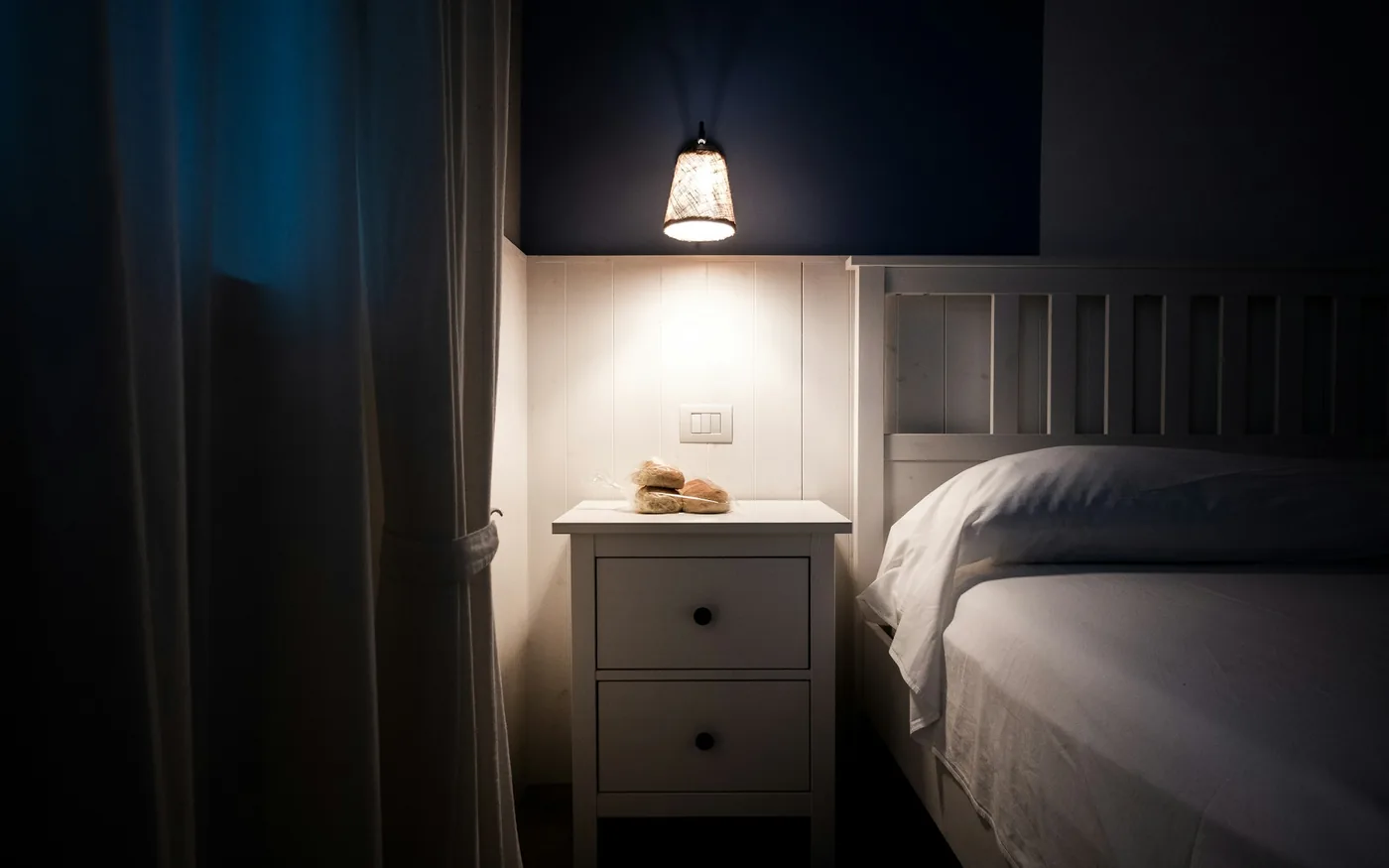
    Attacks often begin overnight and wake people from sleep
    Attacks often begin overnight and wake people from sleep.

    First: rule out an infected joint

    A hot, swollen, exquisitely painful joint has more than one possible cause, and one of them is an emergency.

    Septic arthritis — infection inside a joint — can look very similar to gout and needs treating within hours, not days. Fever, feeling generally unwell, or a joint that is rapidly worsening all point that way.

    If this is your first attack, or if anything about it feels different from your usual ones, that is a same-day medical assessment rather than a wait-and-see.
    A hot swollen joint with fever needs urgent assessment, not treatment here
    A hot swollen joint with fever needs urgent assessment, not treatment here.

    What gout actually is

    The mechanism is worth a moment, because it explains both the suddenness and the treatment.

    Urate is a normal waste product, cleared largely by the kidneys. When the level in the blood stays high for long enough, crystals form in and around joints. An attack is the immune system reacting to those crystals, which is why it is so sudden and so intense.

    That explains the pattern people describe: nothing for months, then agony overnight, then a slow settling over a week or two.

    FeatureGoutOther big toe pain
    OnsetHours, often overnightGradual suggests a bunion or joint wear
    AppearanceRed, hot, shiny, swollenA prominent bump without heat
    TendernessExtreme — a sheet hurtsSore on pressure or in shoes
    CoursePeaks then settles over daysPersistent and slowly progressive
    Between episodesOften entirely normalThe problem stays
    With feverAssume infection until excludedSame
    Sudden, red and hot is the combination that separates it. Gradual and bony is a different problem.

    Why it goes for the big toe

    A small detail that people find satisfying, and it explains part of the pattern.

    Urate crystallises more readily at lower temperatures, and the joint at the base of the big toe is one of the coolest and most peripheral in the body. It is also among the most heavily loaded. That combination is why podagra — gout in that specific joint — is the classic presentation, and why attacks so often begin at night when the foot has been still and cooling under a sheet.

    The diet misunderstanding

    This is the section worth the read, because the received wisdom here does real harm.

    Everyone knows gout is about rich food and beer. Diet does contribute, and cutting back on alcohol and sugary drinks is reasonable. But diet alone rarely lowers urate enough to stop attacks, and treating it as the main lever leaves people managing a condition that could be stopped.

    What works is urate-lowering medication, taken continuously and adjusted to bring the blood level below a target. Kept there, the crystals dissolve over time and attacks generally stop happening.

    That is a conversation with your doctor, and it is worth having in those terms — asking what your urate level is and what the target should be.
    Diet contributes far less than the folklore suggests
    Diet contributes far less than the folklore suggests.

    What raises urate

    Worth listing properly, because the popular version is heavily weighted towards food and light on everything else.

    FactorHow much it mattersCan you change it?
    Genetics and kidney handlingA great dealNo — which is the point
    Certain medicationsSubstantially, diuretics in particularAsk your prescriber; do not stop anything yourself
    Alcohol, especially beerModeratelyYes
    Sugary drinks and fructoseModeratelyYes
    Body weightModeratelyPartly
    Purine-rich foodsLess than commonly believedYes, with modest effect
    The bottom row is the one everyone knows about, and it is close to the least influential thing on the list.

    None of that means diet is irrelevant. It means treating diet as the whole plan leaves most of the problem untouched, which is exactly what happens to a great many people for years.

    Why the kidneys come into it

    Urate is cleared by the kidneys, so kidney function affects urate levels directly. Gout is more common in people with reduced kidney function, and it travels with cardiovascular risk factors more often than chance would explain.

    Which is why a gout diagnosis is worth treating as a prompt for a broader check rather than an isolated foot problem. The National Kidney Foundation covers that connection in its patient material.
    Urate levels guide the treatment that actually prevents attacks
    Urate levels guide the treatment that actually prevents attacks.

    Where we honestly fit, which is barely

    Not during an attack, and we would decline the appointment. A hot, acutely inflamed joint is not something to needle, and nothing we offer competes with the medical treatment for an acute attack.

    Between attacks, if you have foot discomfort from other causes — and plenty of people have plantar fasciitis or a neuroma alongside — that is a normal conversation. It is not gout treatment, and we would say so.
    Between attacks, comfort measures and footwear are reasonable
    Between attacks, comfort measures and footwear are reasonable.

    When to see a doctor

    Seek same-day assessment for a hot swollen joint with fever, for a first attack, or for a joint that is worsening rapidly. See your doctor to have urate measured, to discuss urate-lowering treatment if attacks recur, to review medications that may raise urate, and to check kidney function.
    Urate-lowering treatment is what stops attacks recurring
    Urate-lowering treatment is what stops attacks recurring.

    Booking in Beverly

    If foot pain between attacks is what you want help with, acupuncture is $75 and massage is $45 for 30 minutes — all on our rates page. Tell us about the gout when you book.

    Browse all our articles or get in touch.


    Frequently asked questions

    What does a gout attack feel like?

    Sudden, severe pain, most often in the joint at the base of the big toe, frequently starting overnight. The joint becomes red, hot and so tender that the weight of a bedsheet is unbearable. It builds over hours rather than days.

    Is a hot swollen joint always gout?

    No, and this is the important one. A hot, swollen, painful joint can also be a joint infection, which is a medical emergency. If there is fever or you feel generally unwell, that needs assessment the same day rather than any assumption.

    Does diet cause gout?

    It contributes, but far less than the folklore suggests. Diet alone rarely lowers urate enough to stop attacks. Many people spend years avoiding particular foods when the treatment that works is a urate-lowering medication taken to a target level.

    Can acupuncture help gout?

    Not during an attack. A hot, acutely inflamed joint is not something to needle, and the treatment for an attack is medical. Gout is one of the clearer cases on this site where the answer is to see a doctor.

    Will it keep happening?

    Untreated, usually yes, and attacks tend to become more frequent. With urate kept below target on treatment, attacks generally stop. That is a genuinely good outcome and one many people never hear described.

    This article is general information, not medical advice. Acupuncture is intended to work alongside the care of your doctor, not to replace it. Please speak to a clinician about any new, severe or changing symptom.

  • Piriformis Syndrome: Four Things That Cause Buttock Pain

    Piriformis Syndrome: Four Things That Cause Buttock Pain

    Buttock pain is one of the harder complaints to name, because four quite different things produce it and they overlap enough to be confused routinely.

    This site now has an article on each of them, which means this one can do something the others could not: put all four in a single table.

    Long spells sitting are the commonest provoking factor
    Long spells sitting are the commonest provoking factor.

    The four-way differential

    Where it hurtsWorst withThe giveaway
    Piriformis / deep glutealMiddle of the buttockSitting, drivingNo clean nerve pattern down the leg
    SciaticaButtock into the legSitting, bending, coughingTingling or numbness following a nerve
    Spinal stenosisBoth legs, above the kneeWalking and standingLeaning forward relieves it
    High hamstringRight at the sit boneSitting, running, stretchingYou can point at the bone
    Hip osteoarthritisThe groin, not the buttockWalking, rotationSocks and shoes get awkward
    Three of these are provoked by sitting, which is why the location matters more than the activity.

    What piriformis syndrome actually describes

    The sciatic nerve leaves the pelvis and passes through the deep buttock, close to a small muscle called the piriformis and several others. Irritation anywhere along that stretch can produce buttock pain, sometimes with a vague ache down the back of the thigh.

    The name attributes it specifically to that one muscle. Many clinicians now prefer deep gluteal syndrome, which is less precise and rather more honest, because the available tests cannot reliably tell you which structure is responsible.

    The sciatic nerve passes through the deep buttock alongside several muscles
    The sciatic nerve passes through the deep buttock alongside several muscles.

    A diagnosis of exclusion, and why that matters

    There is no scan and no clinical test that confirms this. It is what remains after the spine, the hip joint and the hamstring attachment have been considered and do not fit.

    That is worth knowing for one practical reason: if a practice diagnoses you with piriformis syndrome in ninety seconds without asking about your back, your walking distance or your groin, they have skipped the part that matters.

    The University of Chicago Medicine publishes patient material on nerve and hip conditions if you want a broader clinical reference.

    What provokes it

    1. Prolonged sitting, particularly on hard surfaces. This is the near-universal complaint.
    2. Long drives. Reliably reproduces it, which is diagnostically useful and practically miserable.
    3. Cycling, for the same reason as driving.
    4. A wallet in the back pocket, which presses directly on the area. Removing it costs nothing and helps some people considerably.
    5. A sudden increase in hill running or lunging, which loads the deep hip muscles.
    A wallet in the back pocket presses on exactly the wrong area
    A wallet in the back pocket presses on exactly the wrong area.

    How long it takes, and what to expect

    Slower than people hope, and largely dependent on whether the provoking position actually changed.

    StageWhat is typicalWhat is not
    First fortnightSore, sitting still difficultNumbness spreading into the foot
    Weeks 2–6Gradual easing if sitting has been addressedNo change at all despite real changes
    Weeks 6–12Most people substantially betterProgressive weakness in the leg
    If it plateausWorth reconsidering the diagnosisSimply repeating the same treatment
    Any pointFluctuation is normalBladder or bowel changes — urgent
    A plateau at six weeks is information, not failure. It usually means one of the other three explanations fits better.

    Strength rather than stretching

    The instinct is to stretch a tight buttock, and here it needs qualifying.

    Gentle range of movement is fine. Aggressive stretching of a region where a nerve is already irritated tends to provoke it — the same pattern described in high hamstring tendinopathy, where the obvious response makes things worse.

    Strengthening the hip abductors and glutes is usually better tolerated and does more for the underlying control. Side-lying leg raises, banded walks and bridges are the usual starting points, and they are the same exercises that turn up in runner’s knee and IT band syndrome.

    Strengthening the hip is better tolerated than stretching into pain
    Strengthening the hip is better tolerated than stretching into pain.

    What to change today

    Two of these are free and take a minute.

    • Wallet out of the back pocket.
    • Break up long drives — standing for two minutes every hour resets it.
    • Soften the seat, or add a cushion for the car and the office.
    • Stand for some of the working day, which the desk setup guide covers.
    • Pause the hill work for a fortnight if that was the change that preceded it.
    Long drives reproduce it more reliably than almost anything else
    Long drives reproduce it more reliably than almost anything else.

    Where treatment fits

    More plausibly here than in many of the conditions on this site, and it is worth saying why rather than simply asserting it.

    The target is a deep muscle that is difficult to reach by any other means, and reducing tension in the deep gluteal region is a reasonable aim for both needling and hands-on work. Trial evidence specific to this condition is limited, so the claim is plausibility rather than proof.

    What it does not do is replace the strengthening or the change to your sitting, which are the things that stop it returning.

    A deep muscle is one of the more plausible targets for needling
    A deep muscle is one of the more plausible targets for needling.

    When to see a doctor

    Seek urgent care for numbness around the groin or inner thighs, or any change in bladder or bowel control. See a doctor for weakness in the leg or foot, for buttock pain following a fall, for pain that wakes you consistently at night, for any history of cancer with new buttock pain, or for symptoms that have not improved after six to eight weeks.

    Booking a session in Beverly

    Acupuncture is $75 a session and massage is $45 for 30 minutes, $75 for 60 and $105 for 90 — all on our rates page.

    Browse all our articles or get in touch.


    Frequently asked questions

    What is piriformis syndrome?

    Buttock pain attributed to irritation of the sciatic nerve where it passes through the deep buttock, near a muscle called the piriformis. Many clinicians now prefer the broader term deep gluteal syndrome, because several structures in that area can produce the same picture.

    How is it different from sciatica?

    Sciatica from the spine usually brings back symptoms, follows a nerve root, and often produces tingling or numbness in a defined pattern. Piriformis pain sits in the middle of the buttock, is provoked mainly by sitting, and rarely produces a clean nerve pattern down the leg.

    Is it a real diagnosis?

    It is a contested one. There is no reliable test that confirms it, so it is reached by excluding the alternatives. That does not mean the pain is imagined; it means the label is less certain than it sounds.

    Why does sitting make it so much worse?

    Sitting compresses the whole deep gluteal region against the chair. Hard seats, long drives and cycling all reproduce it, and a wallet in the back pocket presses on exactly the wrong spot.

    Should I stretch it?

    Gently, if at all. Aggressive stretching of an irritated nerve tends to provoke rather than relieve. Strengthening the hip and gluteal muscles is usually better tolerated and more useful.

    This article is general information, not medical advice. Acupuncture is intended to work alongside the care of your doctor, not to replace it. Please speak to a clinician about any new, severe or changing symptom.
  • Jumper’s Knee: Pain You Can Point At With One Finger

    Jumper’s Knee: Pain You Can Point At With One Finger

    Ask someone with patellar tendinopathy to point at the pain and they use one finger. That single detail separates it from most of the other things that make the front of a knee hurt.

    It is a tendon problem, which means the rules are the ones this site has set out for every other tendon: load rather than rest, and judge it by tomorrow.

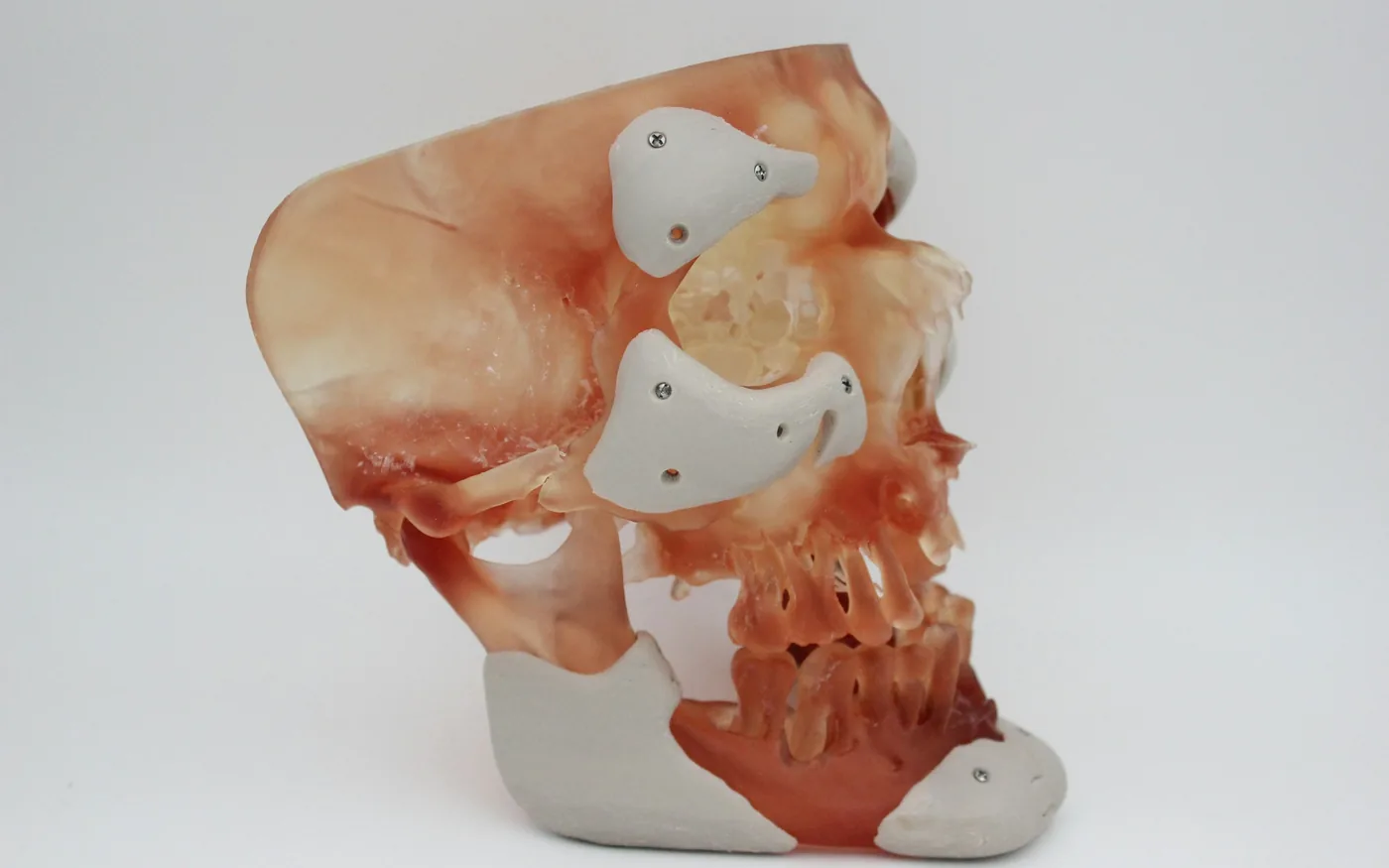
    Pain sits at one pinpoint spot at the bottom of the kneecap
    Pain sits at one pinpoint spot at the bottom of the kneecap.

    Or is it something else?

    FeatureJumper’s kneeOther front-of-knee pain
    WhereOne point at the bottom of the kneecapDiffuse suggests runner’s knee
    Provoked byJumping, landing, decelerating, deep squatsStairs and prolonged sitting suggest patellofemoral pain
    During activityWarms up and easesOften builds instead
    Next dayWorseNot particularly
    SwellingLittle or noneA swollen knee needs assessment
    AgeOften teens to thirties, activeAdolescent pain at the shin bump is a different condition
    Pain at the bony bump below the knee in a growing adolescent is usually something else and worth a proper assessment.

    The pattern that identifies it

    Location narrows it down. The behaviour over a day confirms it.

    Three things together, and most people recognise all three once they are described.

    1. It warms up. The first few minutes hurt, then the session feels almost normal.
    2. It is worse the next morning. That delayed response is the tendon reporting on yesterday.
    3. It is dose-dependent. More jumping and landing yesterday means more pain today, fairly reliably.

    That third point is what makes it manageable. A tendon that responds predictably to load can be trained deliberately, which is the whole basis of what follows.

    It warms up during activity and is worse the following day
    It warms up during activity and is worse the following day.

    Why rest fails

    It is the natural response and it produces the most familiar story on this whole site.

    Rest reduces the pain, which feels like progress. It also reduces the tendon’s capacity, so the sport that caused the problem is now further beyond what the tendon can handle than it was before you stopped.

    The result is the pattern people describe as it never really going away: six weeks off, pain gone, back to training, pain back inside a fortnight. The same story appears in shin splints and Achilles tendinopathy for the same reason.

    Who tends to get it

    The name points at jumping sports and it is accurate as far as it goes, though the pattern is broader than basketball courts.

    • Jumping and landing sports — basketball and volleyball above all, where repeated landing is the whole game.
    • Sports with hard deceleration, which loads the tendon as much as jumping does and gets less attention.
    • A sudden increase in squatting or lunging, including a new gym programme taken up enthusiastically.
    • A return to sport after a lay-off at the level you left rather than the level you are at.
    • Hard surfaces, which raise the landing forces without changing anything you notice at the time.

    The common thread is a change in load rather than a level of load. Plenty of people jump a great deal for years without trouble; it is the fortnight when the volume doubled that shows up in the appointment book.

    What the loading looks like

    StageWhat it involvesWhy
    IsometricsLong holds against resistance, no movementOften eases pain and is tolerable when movement is not
    Heavy slow resistanceSquats and leg press, slow and controlledBuilds tendon capacity; the core of it
    Reduce the provoking loadLess jumping and landing for nowNot zero — less
    Energy storage workHopping and bounding, reintroduced laterPrepares for the demands of the sport
    Return to sportGraded, and after the aboveGuided by capacity, not by the calendar
    Avoid earlyDeep knee bend and aggressive stretchingCompresses the irritated attachment
    Some discomfort during loading is expected. Worse the next morning, consistently, means it was too much.
    Long isometric holds are a common starting point for pain relief
    Long isometric holds are a common starting point for pain relief.

    The compression trap

    Worth naming because the instinct is universal and wrong, and because it is the single most common way a sensible loading programme gets quietly undermined by the ten minutes of stretching somebody added to the end of it.

    Stretching a sore tendon feels like the right response. At an attachment point, deep stretching presses the tendon against the bone underneath it, which irritates precisely the tissue that is already irritated.

    This is the third time this trap appears on the site — it is the same mechanism as insertional Achilles pain and high hamstring tendinopathy. If a stretch feels good for thirty seconds and worse the next day, that is what is happening.

    Decelerating and landing load the tendon more than running does
    Decelerating and landing load the tendon more than running does.

    Where acupuncture fits

    The same supporting role as every tendon on this site: reducing pain and surrounding muscular tension enough to make the loading programme tolerable, particularly in the first weeks.

    It does not rebuild a tendon. Progressive load does that, and nothing else does. Stanford Health Care publishes patient material on tendon injuries if you want a fuller clinical description.

    An adjunct to the loading programme, as with every tendon on this site
    An adjunct to the loading programme, as with every tendon on this site.

    When to see a doctor

    See a doctor for a knee that gives way or locks, for significant swelling, for a sudden inability to straighten the knee against resistance, for pain following a specific impact, or for pain that has not improved after three months of consistent loading.

    Heavy slow resistance work is what rebuilds tendon capacity
    Heavy slow resistance work is what rebuilds tendon capacity.

    Booking a session in Beverly

    Acupuncture is $75 a session and massage is $45 for 30 minutes, $75 for 60 and $105 for 90 — all on our rates page.

    See also runner’s knee, IT band syndrome and recovery work for active people. Browse all our articles or get in touch.


    Frequently asked questions

    Where does jumper’s knee hurt?

    At one pinpoint spot, right at the bottom tip of the kneecap where the tendon attaches. If you can cover it with a fingertip, that is characteristic. Pain spread diffusely around the kneecap is patellofemoral pain instead.

    Why does it warm up and then hurt the next day?

    That pattern is close to diagnostic for tendon problems. The tendon tolerates load better once warm, so the session feels fine, and the response shows up twenty-four hours later. Judge it by the morning after, not by how it felt at the time.

    Should I rest it?

    No. Tendons lose capacity without load, so complete rest reduces pain briefly and leaves you less able to tolerate the activity when you return. Managed loading is the treatment.

    Should I stretch it?

    Generally not, at least not aggressively. Deep knee bend compresses the tendon against the bone at the very point that is irritated, which is the same trap described for the Achilles insertion and the high hamstring.

    How long does it take?

    Months. Twelve weeks of consistent loading is a fair minimum before judging it, and longer if the sport has continued unchanged throughout.

    This article is general information, not medical advice. Acupuncture is intended to work alongside the care of your doctor, not to replace it. Please speak to a clinician about any new, severe or changing symptom.
  • Acupuncture for Weight Loss: We Are Going to Talk You Out of It

    Acupuncture for Weight Loss: We Are Going to Talk You Out of It

    Search for acupuncture and weight loss and you will find a great deal of confident marketing. Search for the evidence behind it and you will find something considerably thinner.

    We would rather be the practice that tells you that than the one that sells you ten sessions.

    Ear acupuncture is heavily marketed for weight loss and thinly supported
    Ear acupuncture is heavily marketed for weight loss and thinly supported.

    What the reviews actually found

    Not nothing, but not much, and not for long.

    Systematic reviews of acupuncture for weight loss share a set of problems that should make anyone cautious.

    • Small trials, often a few dozen participants.
    • Short durations, frequently under three months — which tells you nothing about a problem measured in years.
    • High risk of bias, including unblinded assessors and selective reporting.
    • Little long-term follow-up, so any effect at the end of a course may not persist.
    • Inconsistent results, with effect sizes that are small where they exist at all.

    None of that proves it does nothing. It does mean nobody can honestly promise you a result, and plenty of practices do.

    A word about ear acupuncture

    Auricular acupuncture — ear needles, ear seeds, and semi-permanent studs left in for days — is the version most often marketed for appetite. It deserves a specific note.

    The claimed mechanism is appetite suppression. The trial support is weak, and studies using proper sham controls generally fail to find a convincing difference.

    There is also a safety point that rarely appears in the advertising. The ear is largely cartilage, which has a limited blood supply. Infections there are uncommon but harder to treat than elsewhere, and studs or seeds left in place for days raise that risk in a way a single treated-and-removed needle does not. Our general position on acupuncture side effects applies here with an extra line under it.

    What the honest comparison looks like

    ApproachEvidenceRealistic role
    Dietary change you can sustainGoodThe core of it, and the hard part
    Support from a dietitianGoodBehaviour change beats passive treatment
    Physical activityGoodMore for maintenance than for loss
    Adequate sleepReasonableShort sleep disrupts appetite regulation
    Medical treatmentGood, where indicatedA conversation with your doctor
    AcupunctureWeak and short-termNot something we will sell you for this
    Five of those six rows involve someone other than us. That is the honest distribution.

    The Academy of Nutrition and Dietetics is a sensible starting point for finding qualified dietary support.

    Sustainable dietary change is where the evidence actually sits
    Sustainable dietary change is where the evidence actually sits.

    What the marketing usually claims

    The claims are fairly consistent from practice to practice, which makes them easy to set against what is actually known.

    The claimWhat is behind itVerdict
    Suppresses appetiteSmall short trials, mostly unblindedNot established at any useful magnitude
    Boosts metabolismNo credible mechanism proposedNot supported
    Balances hormonesA phrase rather than a findingMeans nothing measurable
    Ear seeds curb cravingsSham-controlled studies mostly find no differenceThinly supported, and not risk-free
    Reduces stress eatingPlausible via relaxation, unstudied for weightPossible, unmeasured, and small at best
    The last row is the only one we would even discuss, and we would not put a number on it.
    Activity matters more for keeping weight off than for losing it
    Activity matters more for keeping weight off than for losing it.

    The sleep part, which gets missed

    Worth a mention because it is genuinely under-discussed and it is free.

    Short sleep measurably disrupts the hormones regulating appetite and satiety, and it reliably increases how appealing energy-dense food looks the following day. That is not a character flaw; it is physiology.

    If you are averaging five hours, that is a more productive place to start than a course of needles — and acupuncture for sleep and insomnia sets out what the evidence supports there, including its limits.

    Short sleep disrupts appetite regulation measurably
    Short sleep disrupts appetite regulation measurably.

    The one place we genuinely overlap

    Having spent most of this page declining, there is one thing worth putting on the other side of the ledger.

    There is a real connection between what we do and this subject, and it runs the other way round from the marketing.

    If knee or hip arthritis, back pain or foot pain is limiting how far you can walk, then that pain is a genuine obstacle to activity. Treating it may let you move more, and moving more matters for a great many things including this one.

    That is an honest, modest and indirect contribution. It is not a weight loss treatment, and we would describe it exactly that way on the phone.

    Where pain limits movement, treating the pain can genuinely help
    Where pain limits movement, treating the pain can genuinely help.

    If you want to try it anyway

    That is a legitimate choice, and people make it knowing what is above. Two conditions we would ask for.

    First, that it sits alongside dietary and activity change rather than instead of them. Second, that we agree in advance what would count as it working and when we will check — the same review discipline set out in how many sessions people usually need.

    And if nothing has changed by then, we will tell you.

    A dietitian will do more for this than an acupuncturist will
    A dietitian will do more for this than an acupuncturist will.

    When to see a doctor

    See a doctor for unexplained weight loss, which is a different and more urgent matter; before starting any significant weight loss plan if you have diabetes, heart disease or an eating disorder history; and for advice on medical options if lifestyle measures have not been enough.

    Booking in Beverly

    If pain is what is stopping you moving, that is a conversation we can have honestly. Acupuncture is $75 and everything is on our rates page.

    Browse all our articles or get in touch — and if the honest answer is someone else, we will say so.


    Frequently asked questions

    Does acupuncture help with weight loss?

    The evidence does not support saying so. Reviews find small, inconsistent effects in short trials with a high risk of bias and very little long-term follow-up. We are not going to sell a course on that basis.

    What about ear acupuncture or ear seeds?

    It is the most heavily marketed version and among the most thinly supported. There is also a practical point worth knowing: the ear is largely cartilage, which has a poor blood supply, so infections there are less common but more troublesome when they happen.

    Why is it advertised so widely then?

    Because it sells. Weight loss is a large market, the intervention is easy to deliver, and courses are usually bought up front. That combination attracts marketing regardless of the evidence underneath it.

    Is there anything you can honestly help with?

    One thing, and it is indirect. Where joint or back pain is limiting how much you can move, treating that pain can make activity possible again. That is a real contribution to something else, not a weight loss treatment.

    What actually works?

    Sustainable changes to what you eat, enough activity to protect muscle and support maintenance, adequate sleep, and for some people medical treatment under supervision. Behaviour-change support outperforms any passive treatment, including ours.

    This article is general information, not medical advice. Acupuncture is intended to work alongside the care of your doctor, not to replace it. Please speak to a clinician about any new, severe or changing symptom.
  • Spinal Stenosis: Why You Can Push a Cart Further Than You Can Walk

    Spinal Stenosis: Why You Can Push a Cart Further Than You Can Walk

    There is a description that identifies this condition more reliably than almost anything a scan shows: you can push a shopping cart around a supermarket for far longer than you can walk the same distance without one.

    If that sounds familiar, the rest of this article is probably about you.

    Leaning forward on a cart lets people walk much further
    Leaning forward on a cart lets people walk much further.

    What is happening

    The nerves leaving the lower back pass through spaces that narrow gradually with age — thickened ligament, bony change, bulging discs. When those spaces get tight enough, standing upright and walking narrows them further, and the nerves complain.

    Bending forward opens the same spaces. That is the entire mechanism behind the cart, and it explains most of the pattern people describe.

    The pattern, and what it is not

    FeatureSpinal stenosisOther explanations
    WhereBoth legs, often above the kneeOne leg down to the foot suggests sciatica
    Brought on byWalking and standingSitting suggests a disc problem
    Relieved bySitting or leaning forwardStanding still relieving it suggests circulation
    Uphill vs downhillUphill easier — you lean forwardBoth equally hard suggests circulation
    CyclingUsually comfortablePainful cycling suggests circulation
    QualityHeaviness, weakness, acheCramping calf pain suggests circulation
    That right-hand column matters. Leg pain on walking can be circulatory rather than spinal, and that needs a doctor.
    Sitting relieves it quickly, which is characteristic
    Sitting relieves it quickly, which is characteristic.

    The circulation question

    This is the one differential worth being careful about, and it is easy to check yourself before anyone else does.

    Worth its own paragraph, because getting it wrong wastes time and occasionally matters a great deal.

    Narrowed leg arteries produce a similar picture — leg pain on walking that stops you. The distinguishing feature is the position: circulatory pain eases when you simply stop, whether or not you sit or bend. Stenosis wants the flexion, not just the rest.

    If cycling hurts as much as walking, or if the pain is cramping calf pain, that points away from the spine. Ask a doctor about circulation rather than assuming the back.

    Cycling is often comfortable because the spine is bent forward
    Cycling is often comfortable because the spine is bent forward.

    What the trajectory usually looks like

    Worth knowing, because the picture people carry around is often bleaker than the reality.

    Lumbar stenosis has a reputation for relentless decline. In practice a substantial proportion of people stay roughly stable over years, some improve, and a minority worsen steadily. It fluctuates, which is one reason a bad month is not evidence of anything much.

    That matters for two reasons. It makes conservative management a reasonable first course rather than simply delaying the inevitable, and it makes tracking something objective far more useful than tracking how you feel.

    Measure the walking distance

    This is the practical suggestion worth acting on today.

    “How is your back?” is a hard question to answer honestly six weeks later. “How far can you walk before it starts?” is not. Write down a number before you change anything — minutes, or a landmark you can reach.

    It is the same principle as setting a review point before starting a course, and it matters more here than almost anywhere, because stenosis fluctuates enough to fool anyone relying on memory.

    Walking distance is the outcome measure worth recording
    Walking distance is the outcome measure worth recording.

    What tends to help

    One general principle first, because it is the opposite of the advice a lot of people have already been given for their back: here, bending forward is usually the friend rather than the enemy. Programmes built around arching backwards, which suit some disc problems well, often suit this one badly.

    ApproachWhy it suits this conditionNote
    Flexion-biased exerciseOpens the space rather than closing itThe opposite of what suits some back problems
    Cycling or a stationary bikeForward lean makes it comfortableOften the easiest way to keep fitness
    Interval walkingWalk, sit briefly, walk againTotal distance rises over weeks
    Aquatic exerciseBuoyancy plus a naturally flexed postureWell tolerated
    Strength workLegs and trunk, within comfortProtects function long term
    Weight managementWhere it applies, it reduces the loadA doctor conversation
    The general principle of graded activity applies, adapted to a condition where position matters as much as amount.

    The National Institute on Aging publishes patient material on back problems in later life if you want a broader reference.

    Flexion-biased exercise is usually better tolerated here
    Flexion-biased exercise is usually better tolerated here.

    None of that is a substitute for a proper assessment. It is a description of what a well-designed programme for this condition tends to contain, so you can tell whether the one you have been given looks like it.

    Where acupuncture fits

    Modestly. There is limited condition-specific trial evidence for acupuncture in lumbar spinal stenosis, and nothing we do widens a spinal canal.

    Where it can contribute is the accompanying back and gluteal muscle pain, which is often a genuine additional source of discomfort on top of the nerve symptoms. Easing that can make the walking programme more tolerable, which is the same supporting role described throughout this site.

    Treatment supports the walking programme rather than widening the canal
    Treatment supports the walking programme rather than widening the canal.

    When to see a doctor

    Seek urgent care for numbness around the groin or inner thighs, for any loss of bladder or bowel control, or for rapidly worsening weakness in both legs. See a doctor for leg pain on walking that is not relieved by sitting, for cramping calf pain, for a steadily shrinking walking distance, or for new weakness or foot drop.

    Booking a session in Beverly

    Acupuncture is $75 a session and massage is $45 for 30 minutes, $75 for 60 and $105 for 90 — all on our rates page.

    See also acupuncture for back pain, sciatica and hip osteoarthritis, which can look similar from a distance. Browse all our articles or get in touch.


    Frequently asked questions

    What does spinal stenosis feel like?

    Aching, heaviness or weakness in both legs that comes on after a fairly predictable walking distance and eases within a few minutes of sitting down. Standing still often does not help; sitting or leaning forward does.

    Why can I walk further pushing a shopping cart?

    Because leaning forward opens up the space the nerves pass through. It is such a consistent finding that clinicians ask about it by name, and people often report walking several times further with a cart than without.

    How is it different from sciatica?

    Sciatica is typically one leg, often worse sitting, and follows a single nerve. Stenosis usually affects both legs, is provoked by walking and standing, and is relieved by sitting. The two can overlap, but the pattern is usually distinguishable.

    Do I need surgery?

    Not necessarily. Many people manage for years with exercise, activity pacing and time. Decompression surgery is considered when walking limitation is significantly affecting life despite proper conservative treatment.

    What should I be measuring?

    Walking distance, or minutes before symptoms start. It is objective, it is what actually limits people, and it makes any review of whether treatment is working far more honest than asking how the pain feels.

    This article is general information, not medical advice. Acupuncture is intended to work alongside the care of your doctor, not to replace it. Please speak to a clinician about any new, severe or changing symptom.
  • Does Cold Weather Really Make Joint Pain Worse?

    Does Cold Weather Really Make Joint Pain Worse?

    Ask anyone with an arthritic knee whether the weather affects it and you will get a confident yes. Ask what the research shows and the answer is considerably less tidy.

    This is not an article telling you the pain is imagined. It is an article about which part of winter you can actually do something about.

    Studies of pressure, temperature and pain give inconsistent results
    Studies of pressure, temperature and pain give inconsistent results.

    What the studies found

    Researchers have looked at this repeatedly, matching daily pain reports against temperature, barometric pressure, humidity and rainfall.

    The results do not line up. Some studies find small associations, usually with humidity or pressure rather than temperature. Others find nothing. Effect sizes, where they exist at all, tend to be modest — considerably smaller than the confidence with which the belief is held.

    The Versus Arthritis charity covers the weather question in its patient information, and reaches much the same conclusion.

    Why the belief is so strong anyway

    What is going onEffect on painCan you change it?
    Remembering the hitsWe recall the day the knee predicted rain, not the four it did notNot really, and it is harmless
    Activity drops in winterLarge and reliable — inactivity worsens joint painYes
    Less daylightAffects sleep and mood, both of which lower pain thresholdPartly
    Cold tissue is stifferReal, and a warm-up issue rather than damageYes
    More time sitting indoorsStiffness builds with sustained positionsYes
    Barometric pressure itselfInconsistent in the researchNo
    Four of those six rows are things you can influence, and the weather is not one of them.
    What reliably changes in winter is how much you move
    What reliably changes in winter is how much you move.

    The activity problem

    If any of this article is worth acting on, it is this section.

    This is the substance of the article.

    Winter reliably reduces how much people move. It is dark at both ends of the day, the pavements are unpleasant, the walk that happened automatically in June requires a decision in January. And inactivity worsens joint pain, stiffness and function through mechanisms that are far better established than any weather effect.

    So the pattern people experience is genuine. The attribution is the part that is off, and it matters because you cannot change the barometer but you can change the other thing.

    Having an indoor option is what keeps a programme going through winter
    Having an indoor option is what keeps a programme going through winter.

    What to actually do

    1. Have an indoor option ready before you need it. The programme that survives winter is the one that does not depend on the weather.
    2. Warm up for longer. Cold tissue takes more time. Ten minutes of easy movement before anything demanding.
    3. Keep the strengthening going. This is the part that lapses first and costs most — whether for knee, hip or hand arthritis.
    4. Break up the sitting. Indoor months mean longer unbroken spells in a chair; see desk setup and neck pain.
    5. Protect the sleep. Short days disrupt it, and poor sleep lowers pain threshold measurably.
    Cold tissue is stiffer, which is a warm-up problem rather than damage
    Cold tissue is stiffer, which is a warm-up problem rather than damage.

    The sleep and daylight part

    Worth separating out because it is the least obvious of the winter effects and one of the more powerful.

    A short night measurably lowers pain threshold the following day. Winter disrupts sleep for a lot of people, through darkness at both ends, less outdoor light and lower activity. That is a real route from January to a sorer knee, and it has nothing to do with pressure fronts.

    Why pain persists after healing sets out that relationship in more depth, and acupuncture for sleep and insomnia covers what the evidence supports for the sleep side.

    Short days affect sleep and mood, and both lower pain threshold
    Short days affect sleep and mood, and both lower pain threshold.

    A month-by-month view

    Put crudely, the New England year has a shape, and knowing it in advance is most of how you get through it.

    PeriodWhat tends to happenWhat to do about it
    OctoberOutdoor routine starts slippingSet up the indoor option now, before you need it
    November–DecemberDaylight shortens, sleep suffersProtect the sleep first; the pain follows it
    January–FebruaryActivity at its lowest, stiffness at its worstShorter sessions, more often, indoors
    MarchThe temptation to resume at last summer’s levelBuild back gradually or you will pay for it
    Any monthA week off becomes a month offThe week is the thing to catch
    None of this is about the weather. It is about what the weather does to a routine.

    Where treatment fits in winter

    Not as a counterweight to the weather, which would be a strange claim. Where it earns its place is the same as always: reducing pain enough that the walking and the strengthening keep happening through the months when they would otherwise stop.

    People do book more in winter, and we would rather be honest about why. It is not that the cold is doing something we can undo. It is that this is the season the routine falls apart, and a standing appointment is one way of holding it together.

    Treatment through winter is about keeping you moving, not about the weather
    Treatment through winter is about keeping you moving, not about the weather.

    When to see a doctor

    Seasonal variation should be a change in degree, not in kind. See a doctor for a joint that becomes hot, red and swollen, for fever with joint pain, for a joint that gives way or locks, for new pain that is steadily worsening rather than fluctuating, or for morning stiffness lasting over an hour.

    Booking a session in Beverly

    Acupuncture is $75 a session and massage is $45 for 30 minutes, $75 for 60 and $105 for 90 — all on our rates page.

    Browse all our articles or get in touch.


    Frequently asked questions

    Does cold weather actually make arthritis worse?

    The direct evidence is inconsistent. Studies looking at temperature, barometric pressure and humidity against reported pain have produced small, conflicting or null findings. The belief is close to universal; the data does not match its confidence.

    So why does my knee always tell me it is going to rain?

    Partly because we notice the times it was right and forget the times it was not, and partly because winter genuinely changes other things — how much you move, how well you sleep, how much daylight you get — all of which affect pain.

    Is stiffness in the cold real?

    Yes. Muscle and connective tissue are less compliant when cold, which is a warm-up issue rather than a sign of damage. It takes longer to loosen up in January than in July, and that is normal.

    What actually helps in winter?

    Keeping the activity going, warming up for longer, and having an indoor option so a cold week does not become a lost month. Those are the levers that reliably matter.

    Should I take vitamin D?

    Worth discussing with your doctor rather than assuming. Levels do fall over a New England winter, and deficiency is worth correcting, but it is not a treatment for joint pain in people whose levels are normal.

    This article is general information, not medical advice. Acupuncture is intended to work alongside the care of your doctor, not to replace it. Please speak to a clinician about any new, severe or changing symptom.
  • Acupuncture for Hamilton and Wenham: The Nearest Stop

    Acupuncture for Hamilton and Wenham: The Nearest Stop

    We have written about the difficulty of travelling in from Ipswich, from Marblehead and from Gloucester. Hamilton and Wenham have the opposite problem, which is to say almost none.

    They share a station, that station is the nearest one up the line, and by road it is a ten-minute drive. Which changes what is worth saying.

    The nearest station up the line to Beverly Depot
    The nearest station up the line to Beverly Depot.

    Getting here

    Both options are genuinely practical, which is unusual among the towns on this site.

    FromTimeNotes
    Hamilton centre10–12 minutesRoute 1A straight down
    Wenham centre10 minutesThe shortest run of any town we write for
    South Hamilton12–15 minutesVia 1A or Route 22
    By commuter railOne stop, then one moreHamilton/Wenham to North Beverly to Beverly Depot
    From Asbury Grove10 minutesEssentially the same journey
    Parking at this end is street parking on Cabot Street plus municipal parking a short walk away.

    Both towns publish local travel and parking information — the Town of Hamilton site covers the Hamilton end of the journey.

    Ten to fifteen minutes by road down Route 1A
    Ten to fifteen minutes by road down Route 1A.

    Why the short journey matters more than it sounds

    Most of our town pages have to argue that the trip is worth making. This one gets to make a different and rather better argument.

    This is the genuinely useful part of this page, and it is not a sales point.

    The strongest predictor of whether a course of treatment gets finished is not motivation. It is friction. Courses that require a thirty-minute drive get rearranged, then postponed, then quietly abandoned around week four — which is often just before the point at which you would have known whether it was working.

    From ten minutes away, a weekly slot for six weeks is a small thing. That makes the review at session six meaningful in a way it often is not, and how many sessions people usually need explains why that review is the whole point.

    A short journey makes a weekly course genuinely easy to sustain
    A short journey makes a weekly course genuinely easy to sustain.

    Which treatment, and how long a session

    Because the journey is short, the usual calculation about whether a trip is worth it barely applies. That makes the question a simpler one: what do you actually want?

    What you wantUsually suitsLength
    One area that has been complainingMassage30 minutes, $45
    Neck, shoulders and back togetherMassage60 minutes, $75
    A longstanding problem, unhurriedMassage90 minutes, $105
    An ongoing or wider-ranging complaintAcupuncture$75 a session, usually a course of six
    To stay clothedReflexology$65
    Not sureSay so when you bookWe will tell you, including if it is neither
    From ten minutes away it costs very little to try one and switch, which is a genuine advantage of being close.

    What people come in with

    The same complaints as everywhere, with one local skew worth mentioning.

    It is a riding area, and riding leaves a recognisable pattern: lower backs, hips and adductors from the saddle, shoulders and necks from handling, and the occasional acute problem from a fall.

    Riding produces a recognisable pattern of back, hip and shoulder complaints
    Riding produces a recognisable pattern of back, hip and shoulder complaints.

    Two towns, one station

    Writing for Hamilton and Wenham together is not a shortcut. They share a commuter rail stop that sits between them, a regional school district, and most of the roads anybody uses to get anywhere. From this end of the journey they are the same trip.

    What that means practically is that the choice between driving and taking the train is genuinely open here, which it is not from Marblehead, where there is no station at all. Ten minutes by car or two stops on the branch, depending on your day.

    It also means the appointment does not have to be planned around a timetable. From Ipswich, two stops further up, picking a slot that fits a train is genuinely worth doing. From here it is not really a consideration.

    A small practice, since 1998

    Two practitioners, by appointment only. You see the same person each visit, appointments are not stacked back to back, and there is time in the session to say what has changed since the last one.

    Choosing a licensed acupuncturist on the North Shore sets out the questions worth asking any practice, this one included, and acupuncture or massage works through which treatment suits which complaint.

    The same practitioner each visit, by appointment only
    The same practitioner each visit, by appointment only.

    The seasonal note

    One local observation, offered lightly rather than as a claim. Riding does not stop for winter around here, but the ground gets harder and the falls get rather less forgiving, and we see a modest but fairly reliable rise in back and shoulder complaints from January onwards.

    The wider version of that pattern — why so many aches seem worse in winter, and how much of it is actually the weather — is set out in does cold weather really make joint pain worse. The short answer is that the barometer matters less than what winter does to your routine.

    Booking from Hamilton or Wenham

    Acupuncture runs Tuesday, Wednesday and Friday 9am to 6pm and Saturday 8am to 2pm. Massage runs Monday, Tuesday, Wednesday and Friday 7am to 3pm and Saturday 8am to noon.

    All rates are on our rates page, and what acupuncture costs in Massachusetts covers insurance if that is the deciding factor. We have also written for Danvers, Salem and Peabody. Otherwise get in touch to book.

    Beverly Depot is a short walk from the practice on Cabot Street
    Beverly Depot is a short walk from the practice on Cabot Street.

    Frequently asked questions

    How far is Beverly from Hamilton and Wenham?

    Ten to fifteen minutes by road down Route 1A. By rail it is the nearest station up the Newburyport branch — Hamilton/Wenham to North Beverly to Beverly Depot, which is a short walk from the practice.

    Do Hamilton and Wenham share a station?

    Yes. The Hamilton/Wenham stop sits on the line between the two towns and serves both, which is why this page is written for them together rather than separately.

    Is a weekly course realistic from here?

    More so than from anywhere else we write for. A short journey is the single biggest predictor of whether a course of appointments actually gets completed rather than quietly abandoned.

    What do people from here usually come in with?

    The usual mix, with a noticeable share of riding-related complaints — lower backs, hips and shoulders in particular. It is a horse town and the pattern shows.

    What does it cost?

    Acupuncture is $75 a session, massage is $45 for 30 minutes, $75 for 60 and $105 for 90, and reflexology is $65. Every rate is published and nothing is added at the end.

    This article is general information, not medical advice. Acupuncture is intended to work alongside the care of your doctor, not to replace it. Please speak to a clinician about any new, severe or changing symptom.

  • Hip Osteoarthritis: The Pain Is in the Groin

    Hip Osteoarthritis: The Pain Is in the Groin

    One sentence in this article saves people months, so it goes first: the hip joint is felt in the groin.

    Pain on the bony point at the side of the hip is usually something else, and the two get confused constantly — including by people who spend a year treating the wrong structure.

    The joint sits deep in the groin, which is where its pain is felt
    The joint sits deep in the groin, which is where its pain is felt.

    Groin or side?

    The distinction is easy once someone points it out, and it is the single most useful thing on this page.

    FeatureHip osteoarthritisLateral hip pain
    WhereGroin, front of thigh, sometimes kneeThe bony point at the side
    Lying on that sideNot especially painfulCharacteristically painful
    StiffnessMarked, worse after sittingNot a main feature
    Turning the leg inwardRestricted and soreUsually normal
    Socks and shoesIncreasingly awkwardUnaffected
    Read moreThis pagePain on the outside of the hip
    That third and fourth row are what a clinician checks. Loss of inward rotation is one of the earliest signs of hip joint change.
    Struggling with socks and shoes is one of the earliest practical signs
    Struggling with socks and shoes is one of the earliest practical signs.

    The knee that is really a hip

    Worth its own note because it wastes so much time.

    The hip refers pain down the front of the thigh, and in some people that referral reaches the knee and stops there. They present with knee pain, the knee is examined, and the knee looks unremarkable.

    If your knee hurts, imaging is unhelpful, and treatment aimed at the knee is doing nothing, it is reasonable to ask whether the hip has been assessed. It is a quick thing to check and it occasionally changes everything.

    What it feels like day to day

    Hip osteoarthritis rarely arrives as pain alone. Most people describe a combination of stiffness and lost range that they noticed before the pain became the main complaint.

    • Stiff after sitting, easing after a few minutes of walking, then returning later in the day.
    • Socks, shoes and toenails becoming awkward, which is the change people mention first and dismiss.
    • A shorter walking distance before it aches.
    • Difficulty getting in and out of a car, because that movement needs exactly the rotation that goes first.
    • An ache that lingers for hours after over-doing it, rather than settling quickly.

    Written down as a list, most people recognise more of it than they expected. It is also useful to bring to an appointment, because function tells a clinician more than a number out of ten does.

    Exercise is the treatment, not the warm-up

    Clinical guidelines are unusually consistent here. Exercise is recommended for hip osteoarthritis as a core treatment, not as something to try while waiting for the real thing.

    ElementWhyWhere to start
    Hip abductor strengthControls the pelvis when you stand on one legSide-lying raises, then banded walks
    Glute and quadriceps workSupports the joint through rangeSit-to-stands, bridges
    Range of movementStiffness is often as limiting as painGentle, daily, not forced
    WalkingTolerance builds with graded loadAdd minutes before adding hills
    Water-based workUseful when land-based hurts too muchA reasonable starting point, not a permanent one
    Twelve weeks of consistency is the usual benchmark before judging whether it is working.
    Exercise is the first-line treatment, not an optional extra
    Exercise is the first-line treatment, not an optional extra.

    If land-based work hurts

    A common enough obstacle to be worth addressing directly rather than treating as a failure of willpower.

    Water is the common answer, and a sensible one. Buoyancy removes much of the joint load, which lets people build strength and confidence they could not build on land.

    The caveat: the aim is usually to graduate back to land, because that is where the loading that maintains bone and muscle happens. Water is a productive way in rather than a permanent destination.

    Water-based exercise suits people who find land-based work painful
    Water-based exercise suits people who find land-based work painful.

    A word about hip replacement

    This site is generally cautious about surgery, so it is worth being equally clear when the picture is different.

    We have been sceptical elsewhere on this site about surgery for joint problems — the meniscus trials being the clearest case — so it is only fair to be equally plain in the other direction.

    Total hip replacement, for hip osteoarthritis that has not responded to properly delivered conservative care, is one of the more successful operations in medicine. Satisfaction rates are high and function generally improves substantially.

    That does not make it a first step. It does mean that if you get there, you are not being fobbed off. Henry Ford Health publishes patient material on hip conditions and their management if you want to read further.

    Hip replacement has genuinely good outcomes when conservative care fails
    Hip replacement has genuinely good outcomes when conservative care fails.

    Where acupuncture fits

    Conditionally recommended for hip osteoarthritis in US rheumatology guidance — the same guidance discussed in acupuncture for knee and joint pain and hand and thumb arthritis.

    That is a real endorsement stated carefully. It may reduce pain enough to make the exercise programme possible, which is where its value lies. It does not restore cartilage, and no honest practice will tell you it does.

    Conditionally recommended in US guidance, alongside the exercise
    Conditionally recommended in US guidance, alongside the exercise.

    When to see a doctor

    See a doctor for hip pain with fever, for night pain that is unrelieved by position, for a sudden inability to bear weight, for pain following a fall, for any history of cancer with new hip pain, or for pain and stiffness that are steadily worsening despite consistent exercise.

    Booking a session in Beverly

    Acupuncture is $75 a session and massage is $45 for 30 minutes, $75 for 60 and $105 for 90 — all on our rates page. How many sessions people usually need sets out the shape of a course.

    Browse all our articles or get in touch.


    Frequently asked questions

    Where does hip arthritis hurt?

    In the groin, most characteristically, sometimes spreading to the front of the thigh and occasionally to the knee. Pain on the outside of the hip, worst when lying on that side, is usually a different condition entirely.

    Can hip arthritis cause knee pain?

    Yes, and it catches people out. The hip refers pain down the front of the thigh to the knee, so some people are investigated for a knee problem when the hip is the source. If your knee looks normal and hurts anyway, ask about the hip.

    What is the first-line treatment?

    Exercise, and it is not a consolation prize. Clinical guidelines recommend it strongly for hip osteoarthritis, both land-based and water-based, alongside education and weight management where that applies.

    Does acupuncture help hip arthritis?

    It is conditionally recommended for hip osteoarthritis in US rheumatology guidance, which is a genuine but measured endorsement. It sits alongside exercise rather than replacing it.

    When is a hip replacement worth considering?

    When pain and loss of function persist despite properly done conservative treatment. Unlike some other joint operations, hip replacement has genuinely good outcomes and high satisfaction, and it is worth saying so plainly.

    This article is general information, not medical advice. Acupuncture is intended to work alongside the care of your doctor, not to replace it. Please speak to a clinician about any new, severe or changing symptom.

  • High Hamstring Pain: The One Stretching Makes Worse

    High Hamstring Pain: The One Stretching Makes Worse

    Deep pain right at the sit bone. Worse after a long drive, worse through a film, worse running uphill, and stubbornly present for months. Most people arrive having been told it is sciatica, or a hamstring strain that never settled.

    It is usually neither, and the instinctive response makes it worse.

    Sitting on hard chairs is the complaint people mention first
    Sitting on hard chairs is the complaint people mention first.

    Sitting is the giveaway

    Most complaints have a movement that provokes them. This one has a position, which is unusual enough to be diagnostically useful.

    More than any other feature, this is what identifies it. The hamstring tendons attach to the sit bone, and sitting presses the tendon directly against that bone.

    So people describe it in terms of chairs: hard seats are worse than soft, driving is worse than walking, cycling is worse than running on the flat, and the pain builds the longer they stay put.

    Long drives reproduce the symptom reliably
    Long drives reproduce the symptom reliably.

    Or is it sciatica?

    This is the question worth settling before starting anything, because the two want opposite handling and a great many people spend a season on the wrong one.

    This confusion is the reason so many people spend months on the wrong programme. The sciatic nerve runs right past the tendon, so the geography invites the mistake.

    FeatureHigh hamstring tendinopathySciatica
    WhereAt the sit bone, localisedDown the back of the leg
    TravelsNot farOften past the knee
    Tingling or numbnessNoCommon
    SittingReliably worseOften worse, but so is bending
    Loading the hamstringProvokes itNot specifically
    Read moreThis pageAcupuncture for sciatica
    Tingling or numbness running into the foot points at the nerve and needs a different approach.

    Who gets it

    Two groups, arriving from opposite directions.

    • Runners, particularly after adding hills, speed work or a sudden increase in distance. The tendon is loaded hardest at the point the leg reaches forward.
    • People who sit a great deal, especially on hard seats or through long drives, where the compression alone is enough to keep it irritable.
    • Cyclists, who manage both at once — hip flexion held for hours with the tendon under load.
    • Anyone returning to sport after a hamstring injury that was never rehabilitated properly.

    The two groups need slightly different emphasis. Runners usually need the load managed first; sitters usually need the compression removed first.

    The counterintuitive part

    Everyone stretches it. It is the obvious response to a tight, sore hamstring, and here it is close to the worst thing you can do.

    A hamstring stretch bends the hip, and bending the hip presses the tendon harder against the sit bone. You are compressing the exact structure that is irritated. It often feels good for thirty seconds and worse the following day.

    The same trap exists at the other end of the leg with insertional Achilles tendinopathy, where the standard heel-drop protocol makes one type worse for the same reason.

    Aggressive hamstring stretching compresses the tendon and provokes it
    Aggressive hamstring stretching compresses the tendon and provokes it.

    What actually rebuilds it

    Tendons respond to progressive load. The complication here is that the position which loads the hamstring best also compresses the sore part, so the early stages deliberately work below that range.

    StageWhat it involvesNote
    Settle the compressionCushion for hard chairs, break up long drivesDo this first, it changes the daily load
    IsometricsHolding a bridge position stillOften tolerable early
    Loading in low hip flexionBridges, then single-legBelow the range that compresses
    Progressive loadingAdding range and weight graduallyWeeks, not days
    Return to runningFlat first, hills and speed lastUphill and sprinting load it hardest
    AvoidAggressive stretching, deep hip flexion earlyThe single commonest mistake
    Some discomfort during loading is acceptable. Worse the next morning means it was too much.
    Progressive loading, starting below the range that compresses the tendon
    Progressive loading, starting below the range that compresses the tendon.

    What to change today

    The loading takes months. These take an afternoon, and they stop the daily compression working against everything else.

    1. Sit on something softer, and put a cushion in the car. Unglamorous, and it removes hours of daily compression.
    2. Break up long drives and long meetings. Standing for two minutes resets it.
    3. Pause the hills and the speed work. Flat, easy running is usually tolerable when hard running is not.
    4. Stop stretching it. Genuinely.
    5. Start the loading, and expect months rather than weeks.
    Uphill running and speed work load the tendon hardest
    Uphill running and speed work load the tendon hardest.

    Where acupuncture and massage fit

    As with every tendon problem on this site: supporting the loading programme rather than substituting for it. The American Academy of Physical Medicine and Rehabilitation publishes on tendon rehabilitation if you want the wider picture.

    Needling and hands-on work around the gluteal muscles and upper hamstring can ease the guarding that builds up, which makes the loading tolerable. It does not rebuild a tendon. Nothing does that except progressive load.

    Treatment eases the surrounding tension while the loading rebuilds the tendon
    Treatment eases the surrounding tension while the loading rebuilds the tendon.

    One more thing worth saying: this responds well, but slowly, and a fortnight of good behaviour proves nothing either way. Judge it at three months, not at three weeks.

    When to see a doctor

    See a doctor for a sudden tearing sensation at the back of the thigh with bruising, which suggests a tendon rupture; for numbness or tingling running into the foot; for weakness in the leg; for night pain that wakes you; or for pain that has not improved after three months of consistent loading.

    Booking a session in Beverly

    Acupuncture is $75 a session and massage is $45 for 30 minutes, $75 for 60 and $105 for 90 — all on our rates page.

    See also pain on the outside of the hip, sciatica and recovery work for active people. Browse all our articles or get in touch.


    Frequently asked questions

    Where exactly does high hamstring tendinopathy hurt?

    Right at the sit bone — the bone you feel under you on a hard chair — where the hamstring tendons attach. The pain is deep, localised, and does not usually travel far down the leg.

    How is it different from sciatica?

    Sciatica travels. It runs down the back of the leg, often past the knee, and typically brings tingling or numbness. High hamstring pain stays at the sit bone, is provoked by sitting and by loading the hamstring, and has no nerve pattern to it.

    Why does sitting hurt so much?

    Sitting compresses the tendon directly against the bone it attaches to. Hard chairs, long drives and cycling are the usual complaints, and many people notice it in the cinema before anywhere else.

    Why should I not stretch it?

    Because stretching a hamstring bends the hip, which presses the tendon harder against the bone. It feels like the right response and it reliably provokes the problem. Loading, not lengthening, is what helps.

    How long does it take?

    Months rather than weeks, in common with every tendon problem on this site. The progress is real but slow, and it depends far more on consistency than on intensity.

    This article is general information, not medical advice. Acupuncture is intended to work alongside the care of your doctor, not to replace it. Please speak to a clinician about any new, severe or changing symptom.
  • Costochondritis: Chest Wall Pain, After the Heart Is Ruled Out

    Costochondritis: Chest Wall Pain, After the Heart Is Ruled Out

    Chest pain gets assessed by a doctor. Every time, and first. That is not a disclaimer bolted onto the end of this article; it is the first line of it, because no web page can tell you what is causing pain in your chest.

    What follows is for people who have already been through that, been told the heart and lungs are fine, and been given a word like costochondritis without much explanation of what to do next.

    New chest pain is assessed medically first, always
    New chest pain is assessed medically first, always.

    Call for help now if

    Before anything else, the patterns that mean stop reading and get help.

    • Crushing or pressing pain, or a heavy band across the chest.
    • Pain spreading to the jaw, neck, back or down an arm.
    • Sweating, nausea, or feeling faint alongside chest pain.

    • Breathlessness, particularly if it came on suddenly.
    • Pain brought on by exertion and eased by stopping.
    • Chest pain with fever, or with coughing up blood.

    Any of those is an emergency call, not an appointment. The American College of Cardiology publishes patient material on recognising cardiac symptoms.

    What it is usually not

    Once cardiac and respiratory causes have been excluded, several things can produce pain in the same area, and they are managed differently.

    Also possibleTypical clueWhat it needs
    Rib joint irritation at the spinePain also felt in the upper backHands-on work at the back
    Muscle strain between the ribsA recent bout of coughing or heavy liftingTime and gentle movement
    RefluxBurning, worse lying flat or after eatingA conversation with your doctor
    Shingles, before the rashBurning in a band on one sideSee a doctor promptly
    Tietze syndromeVisible swelling over a rib jointMedical assessment
    AnxietyTightness with breathlessness and racing heartReal, and treatable
    The last two rows are worth taking to a doctor rather than assuming. Visible swelling in particular.

    What costochondritis is

    Your ribs do not attach directly to the breastbone. They connect through cartilage, and those junctions are joints like any other. They can become irritated, and when they do the pain appears in the front of the chest.

    It is common, it is not dangerous, and it is entirely capable of feeling frightening — which is a large part of why it sends people to emergency departments.

    The junctions where rib cartilage meets the breastbone
    The junctions where rib cartilage meets the breastbone.

    The feature clinicians look for

    One sign does most of the work in separating chest wall pain from the things that matter more.

    FeatureChest wall painLess typical of it
    Pressing on the spotReproduces the exact painNo change on pressing
    Deep breathSharperUnaffected
    Twisting or reachingProvokes itUnaffected
    ExertionNot specifically worseWorse on exertion needs assessment
    DurationHours to days at a timeMinutes, then gone
    PositionLying on that side hurtsNo positional pattern
    Reproducible tenderness is suggestive, not conclusive. It supports a diagnosis someone else has made; it does not make one.
    Deep breaths, coughing and twisting all provoke chest wall pain
    Deep breaths, coughing and twisting all provoke chest wall pain.

    The loop it creates

    Worth naming, because almost everybody experiences it and few people mention it.

    Chest pain frightens you. Fear directs your attention to your chest. Attention makes ordinary sensations there far more noticeable — a twinge you would never have registered becomes evidence. And noticing more keeps the fear going.

    That is not imagination, and it does not mean the pain is not real. It is the same mechanism described in why pain persists after healing, running in a place where the stakes feel higher. Being told clearly that your heart is fine is the intervention that breaks it, which is another reason to get properly assessed rather than wonder.

    Fear of the heart keeps attention on the chest, which amplifies it
    Fear of the heart keeps attention on the chest, which amplifies it.

    What helps

    Modest measures, and mostly patience — which is a reasonable prescription when the trajectory is downward.

    1. Simple pain relief, to make normal movement possible. Ask a pharmacist what suits you.
    2. Keep moving. Guarding the chest and breathing shallowly makes the surrounding muscles ache too.
    3. Heat over the sore area, which most people find more comfortable than ice here.
    4. Ease off the aggravator — often heavy pressing at the gym, a new lifting task, or a long bout of coughing.
    5. Give it time. Weeks, sometimes a couple of months, and the trajectory is downward.
    A gradual return to normal movement, once the cause is settled
    A gradual return to normal movement, once the cause is settled.

    Where hands-on treatment fits

    Aimed at the back rather than the front, which surprises people.

    The ribs attach to the spine as well as to the breastbone, and stiffness in the upper back and those rib joints refers pain around the chest wall. Massage and needling of the upper back and the muscles between the ribs can ease that, and some people find it makes a real difference.

    What we will not do is work on a chest that has not been medically assessed. If you have not had that conversation yet, have it first — and we will say so on the phone.

    Work aimed at the upper back and rib joints rather than the chest itself
    Work aimed at the upper back and rib joints rather than the chest itself.

    When to go back to the doctor

    Return for any change in the character of the pain, for pain that starts coming on with exertion, for new breathlessness, for fever, for visible swelling over a rib joint, or for pain that is not improving after a couple of months.

    Booking a session in Beverly

    Massage is $45 for 30 minutes, $75 for 60 and $105 for 90, and acupuncture is $75 — all on our rates page. Tell us what you have been assessed for when you book.

    See also massage for neck and shoulder pain and desk setup, both of which contribute to upper back stiffness. Browse all our articles or get in touch.


    Frequently asked questions

    Can I diagnose chest pain myself?

    No, and please do not try. New, unexplained or changing chest pain needs medical assessment first, every time. Nothing on this page is a substitute for that, and it is written for people who have already been assessed.

    What does costochondritis feel like?

    Sharp or aching pain in the front of the chest, typically worse on deep breathing, coughing, twisting or lying on that side. The defining feature is that pressing on the sore spot reproduces the pain you have been feeling.

    How long does it last?

    Usually weeks, sometimes a few months. It is self-limiting in the great majority of cases, though it can be persistent enough to be genuinely wearing while it lasts.

    Why does it make me so anxious?

    Because chest pain reasonably frightens people, and fear directs attention to the chest, which makes every sensation there more noticeable. That loop is real, common, and worth naming rather than dismissing.

    Does hands-on treatment help?

    It can, aimed at the upper back and the joints where the ribs meet the spine rather than at the breastbone itself. Stiffness there refers pain around the chest wall, and easing it sometimes helps considerably.

    This article is general information, not medical advice. Acupuncture is intended to work alongside the care of your doctor, not to replace it. Please speak to a clinician about any new, severe or changing symptom.