146 Cabot Street, Beverly, MA 01915 978.524.4888 View Hours Get Directions

Category: Acupuncture & Wellness

Guides to acupuncture, massage and reflexology written by our practice at 146 Cabot Street, Beverly, MA. Every article listed newest first.

  • Meniscal Tears: What the Trials Actually Found

    Meniscal Tears: What the Trials Actually Found

    A scan says you have a torn meniscus. It sounds like something that needs fixing, and for a long time it was routinely fixed.

    Then the trials arrived, and they are worth knowing about before anyone books you a theatre slot.
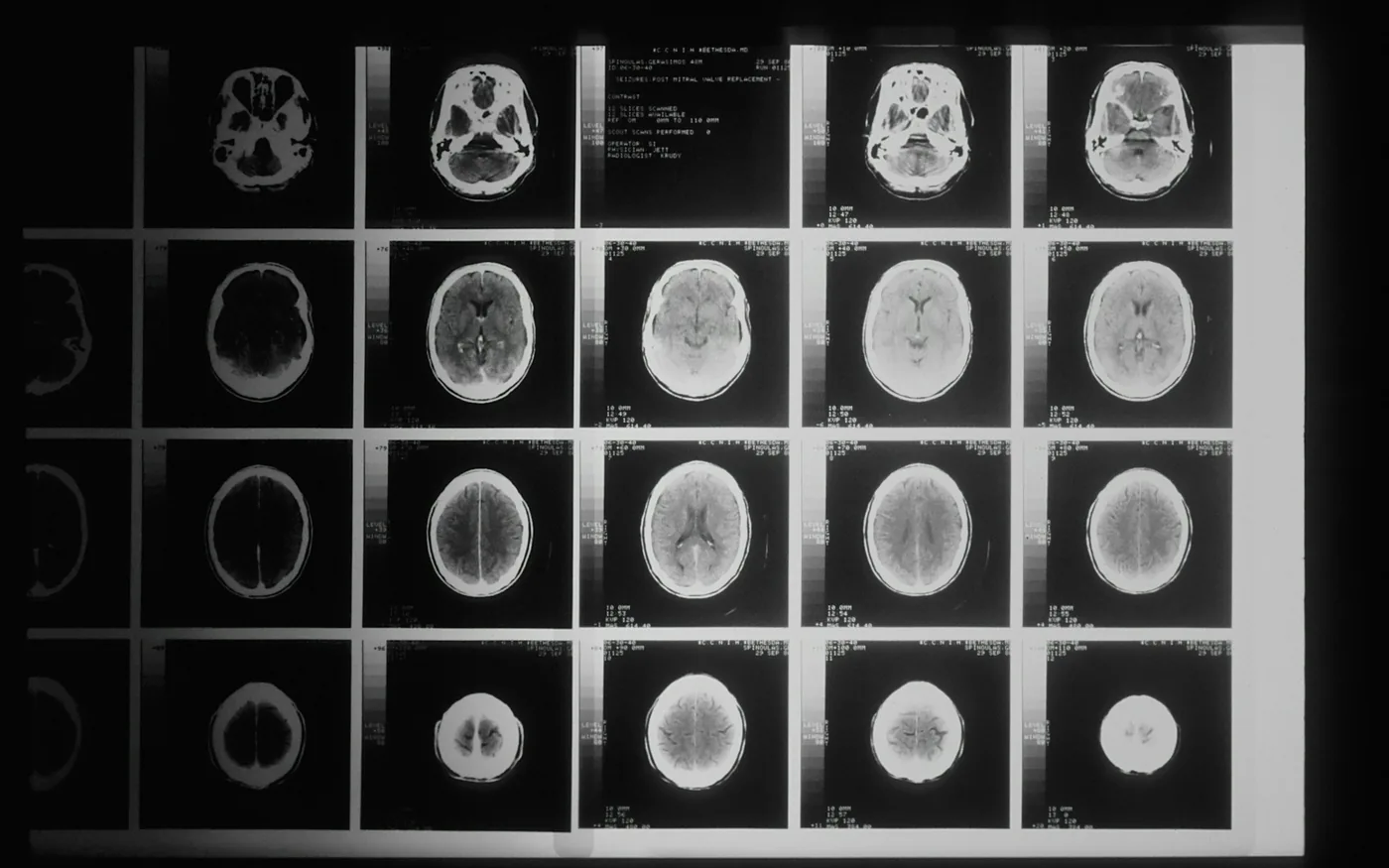
    Meniscal tears show up regularly on scans of knees that do not hurt
    Meniscal tears show up regularly on scans of knees that do not hurt.

    Two quite different problems, one name

    Start here, because almost everything that follows depends on which of the two you actually have, and the names give no clue at all.

    Almost all of the confusion comes from using one term for two situations that behave differently.

    Traumatic tearDegenerative tear
    Typical ageYounger, often athleticForties onwards
    How it startedA specific twist or impactGradually, often no injury
    SwellingOften within hoursMild or intermittent
    LockingCan be genuineUsually catching rather than locking
    Best understood asAn injuryPart of the same process as knee osteoarthritis
    SurgerySometimes appropriateUsually not
    The rest of this article is mostly about the right-hand column, which is the far commoner one.

    What the trials found

    This is one of the clearest bodies of evidence in orthopaedics and one of the least well known outside it.

    Randomised trials compared keyhole surgery for degenerative meniscal tears against structured exercise therapy, and against placebo surgery — an operation in which the incisions were made and the procedure simulated but the meniscus was not trimmed.

    Surgery did not outperform either comparison. Not in pain, not in function, not at one year. Several national guidelines now advise against routine arthroscopy for degenerative tears in the absence of locking.

    OHSU and other academic centres publish patient-facing material on this shift if you want to read further before a consultation.
    Exercise therapy matched surgery in trials of degenerative tears
    Exercise therapy matched surgery in trials of degenerative tears.

    What that finding does not mean

    Two things need saying, because a result like this is easy to overread in both directions at once.

    It does not mean surgery never helps anyone, or that surgeons were being cavalier. It means that for one specific and very common presentation — a degenerative tear, in an older knee, without mechanical locking — the operation did not add anything over the conservative alternative.

    And it does not mean your pain is imaginary or that nothing can be done. It means the thing that helps is the less dramatic option, which is a genuinely good outcome rather than a consolation prize.

    Why the scan is not the answer

    Meniscal tears are common findings in knees that do not hurt. Imaging studies of people with no symptoms whatsoever find them regularly, and the proportion climbs steadily with age.

    Which means a tear on a scan and pain in a knee can coexist without one causing the other. It is the same point made at greater length in why pain persists after healing, and it applies here as clearly as anywhere on this site.

    None of that makes imaging pointless. It rules things out, and it identifies the patterns that genuinely need surgery. It just is not a verdict on its own.

    The genuine exception

    Everything above has a boundary, and this is it.

    There is one presentation where the argument above does not apply, and it is worth being clear about.

    If your knee physically locks — gets stuck part-way and will not straighten, requiring wiggling or time to release — that suggests a fragment caught in the joint, and it is a surgical question. True locking is not the same as pain on straightening, or a knee that feels stiff, and the distinction matters.
    A knee physically stuck part-way is a different situation entirely
    A knee physically stuck part-way is a different situation entirely.

    What the exercise actually is

    Worth spelling out, because “just do physio” is not a plan and the trials used structured programmes rather than vague encouragement.

    ElementWhyStarting point
    Quadriceps strengthThe main shock absorber for the jointWithin a comfortable range of bend
    Hip abductorsControl how the knee tracks under loadSide-lying raises, then banded work
    Graded walkingBuilds tolerance without provokingAdd time before adding terrain
    Step-downsControl under loadLow step, slow, no wobble
    ConsistencyTwelve weeks is the usual trial lengthShort daily beats occasional hard
    This is close to the programme for patellofemoral pain, which is not a coincidence.
    Graded loading rather than rest, in common with most joint problems
    Graded loading rather than rest, in common with most joint problems.

    Twelve weeks is the usual figure before judging it, which is roughly the length the trials ran their exercise arms for.

    Where acupuncture and massage fit

    In the same supporting role as everywhere else on this site. Acupuncture is conditionally recommended for knee osteoarthritis in US rheumatology guidance, and a degenerative meniscal tear usually sits within that same picture.

    What it does is reduce pain enough to make the strengthening tolerable. What it does not do is repair a meniscus, and neither does anything else short of surgery — which, per the trials, mostly does not help either.
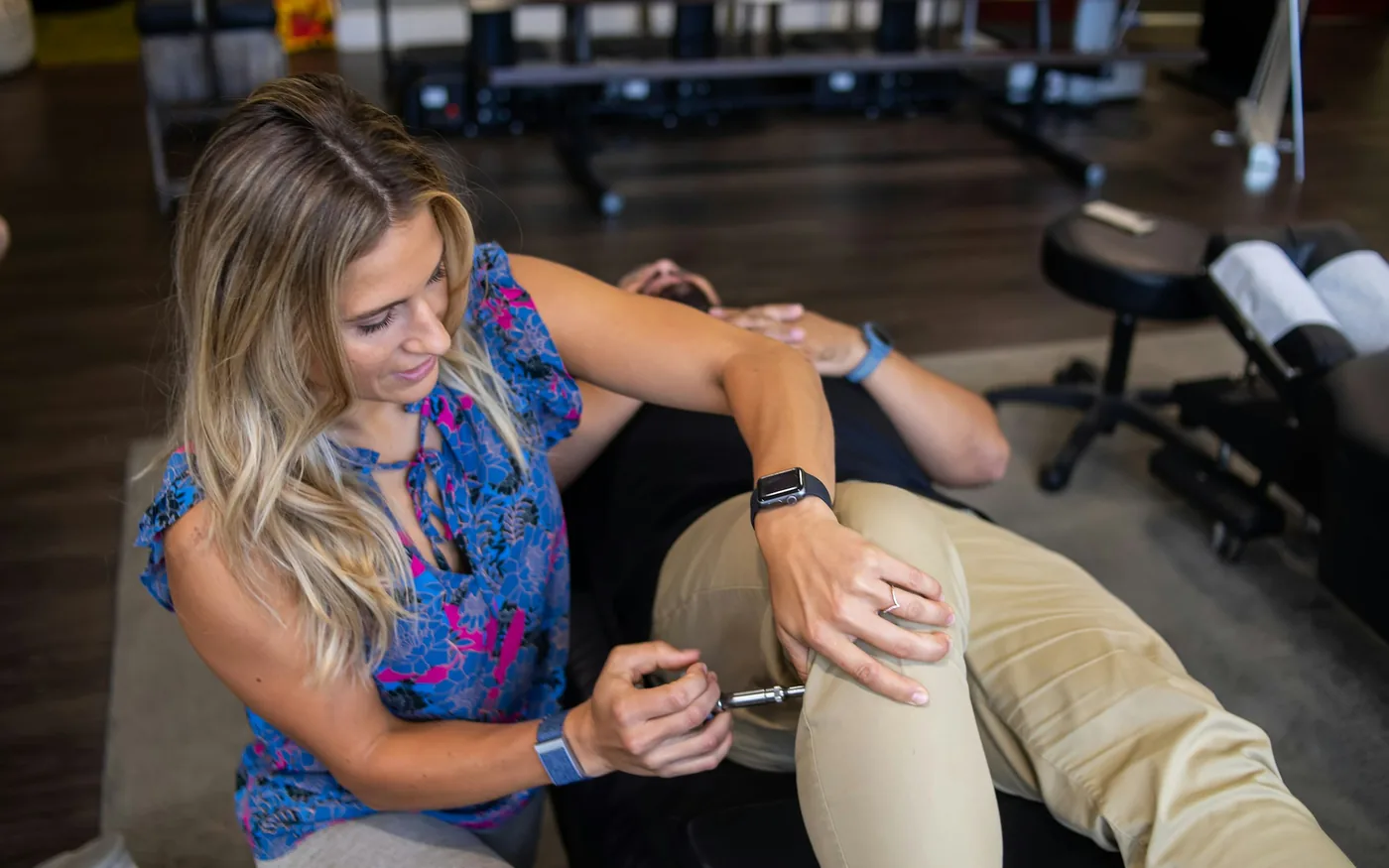
    Treatment for the pain while the strengthening does the work
    Treatment for the pain while the strengthening does the work.

    When to see a doctor

    See a doctor for a knee that locks and will not straighten, for a knee that gives way, for a large swelling appearing within hours of an injury, for a hot and red joint with fever, or for pain that has not improved after twelve weeks of consistent strengthening.
    A twisting injury in a younger knee behaves differently from gradual wear
    A twisting injury in a younger knee behaves differently from gradual wear.

    Booking a session in Beverly

    Acupuncture is $75 a session and massage is $45 for 30 minutes, $75 for 60 and $105 for 90 — all on our rates page.

    See also acupuncture for knee and joint pain, runner’s knee and IT band syndrome. Browse all our articles or get in touch.


    Frequently asked questions

    Does a meniscal tear need surgery?

    Usually not. For degenerative tears in middle-aged and older knees without true locking, several high-quality trials found keyhole surgery no better than structured exercise, and no better than placebo surgery. Guidelines have shifted accordingly.

    My MRI shows a tear. Is that what is causing my pain?

    Not necessarily. Meniscal tears are found frequently on scans of people with no knee pain at all, and the proportion rises with age. A scan describes structure; it does not identify the source of symptoms on its own.

    When is surgery genuinely indicated?

    When the knee physically locks or catches so that it will not straighten, which suggests a fragment caught in the joint. Also for younger patients with acute traumatic tears, and for certain tear patterns. Those are real situations, and they are a minority.

    What is the difference between a traumatic and a degenerative tear?

    A traumatic tear follows a specific twisting injury, often in a younger knee, usually with swelling within hours. A degenerative tear appears gradually with age and is better understood as part of the same process as early osteoarthritis.

    So what actually helps?

    Progressive strengthening of the quadriceps and hip, graded loading, and time. That is what the trials compared surgery against, and it is what performed just as well.

    This article is general information, not medical advice. Acupuncture is intended to work alongside the care of your doctor, not to replace it. Please speak to a clinician about any new, severe or changing symptom.

  • Woke Up With a Stiff Neck? What to Do Today

    Woke Up With a Stiff Neck? What to Do Today

    You woke up and your neck will only turn one way. It hurts sharply at the end of that movement, your shoulder feels involved, and reversing the car is out of the question.

    It is one of the most common things anybody walks into a treatment room with, and one of the most reliably self-limiting. That said, there are things worth doing today and things worth not doing.

    Turning one way is sharply limited while the other feels almost normal
    Turning one way is sharply limited while the other feels almost normal.

    What has actually happened

    The sleeping position gets the blame, and it is usually only the trigger. A small joint at the back of the neck, or the tissue around it, becomes irritated. The muscles around it then guard hard — which is a protective reflex, not damage — and it is that guarding you feel as the lock.

    Which explains the pattern people describe: it hurts to turn one way, the other way feels nearly normal, and it is at its worst first thing.

    What to do today

    DoWhyDo not
    Keep it moving gentlyMovement restores range faster than restWear a collar or hold it rigid
    Use warmthEncourages guarding muscles to releaseAssume ice is always right
    Take simple painkillersMakes the gentle movement possibleRely on them instead of moving
    Carry on with the dayNormal activity is protectiveGo to bed with it
    Stretch to the edge of comfortGains come back graduallyForce it, or have it forced
    Expect days, not weeksMost settle inside two weeksPanic on day two
    The single commonest mistake is keeping it still, which feels sensible and lengthens the whole episode.
    Gentle movement within comfort beats keeping it still
    Gentle movement within comfort beats keeping it still.

    The one thing that needs urgent care

    Almost every stiff neck is musculoskeletal. One pattern is not, and it is worth knowing by heart rather than looking up at three in the morning.

    A stiff neck with fever, severe headache, dislike of bright light, a rash, drowsiness or confusion needs emergency assessment. That combination can indicate meningitis.

    The distinguishing feature is worth knowing: an ordinary wry neck restricts turning and is painful at one side. Meningitis classically restricts bending the chin towards the chest, and arrives with the systemic symptoms above.

    The American Association of Neurological Surgeons publishes patient material on neck conditions if you want a fuller reference.

    Collars and complete rest slow recovery rather than helping it
    Collars and complete rest slow recovery rather than helping it.

    Other things it might be

    Four patterns are worth separating out, because each has a different article and a different answer.

    • Symptoms travelling into the arm with tingling in specific fingers points at a pinched nerve in the neck rather than a simple spasm.
    • Pain following a collision is whiplash, which has its own timeline and management.
    • Headache starting at the base of the skull and always on the same side may be referred from the upper neck.
    • Recurring monthly rather than a one-off suggests something maintaining it, usually a workstation — see desk setup and neck pain.

    What the first fortnight usually looks like

    Knowing the shape of it stops the ordinary course of events feeling like a setback.

    WhenWhat is typicalWhat would not be
    Day 1–2Worst. Movement sharply limited one wayFever, headache, light sensitivity
    Day 3–5Range starting to return, still soreGetting steadily worse
    Week 1–2Most movement back, occasional catchesNo change at all from day one
    After 2 weeksUsually settledPersisting or spreading into the arm
    Any pointImproving overallWeakness, numbness, or trouble walking
    The right-hand column is the one to act on. Everything in the middle is the ordinary course of it.

    The pillow question

    Worth addressing, though it is less decisive than people hope. The aim is a neutral neck: not propped up at an angle, not dropped down.

    Side sleepers generally need more height, to fill the gap between shoulder and head. Back sleepers need less. Stomach sleeping keeps the neck turned to one side for hours and is the one position genuinely worth trying to change.

    Firmness matters far less than height, and an expensive pillow at the wrong height is still the wrong height.

    Pillow height differs for side sleepers and back sleepers
    Pillow height differs for side sleepers and back sleepers.

    Where treatment fits, which is unusually well

    A short section, and a rare one on this site.

    We spend a good deal of this site explaining where hands-on work does less than people hope. This is one of the cases where it does rather well, and it would be strange not to say so.

    The problem is protective muscular guarding around an irritated joint. Gentle massage and needling address that guarding directly, and easing it is often what lets the movement come back sooner.

    The important word is gentle. An acutely irritable neck does not want aggressive work, and anyone reaching for forceful technique on day two is not reading the situation.

    This is one of the better indications for gentle hands-on work
    This is one of the better indications for gentle hands-on work.

    When to see a doctor

    Seek emergency care for stiff neck with fever, severe headache, light sensitivity, rash or confusion. See a doctor for neck pain after a fall or collision, for weakness or numbness in the arms or legs, for any change in walking or bladder control, or for a stiff neck that has not improved at all after two weeks.

    Warmth eases the muscular guarding that follows the initial irritation
    Warmth eases the muscular guarding that follows the initial irritation.

    Booking a session in Beverly

    Massage is $45 for 30 minutes, $75 for 60 and $105 for 90, and acupuncture is $75 — all on our rates page. For an acute stiff neck, thirty focused minutes is usually the sensible booking.

    If pain sits lower, around the ribs and front of the chest, costochondritis and rib pain covers it — with the caveat that chest pain is assessed medically first, always.

    See also massage for neck and shoulder pain for the longer-standing version. Browse all our articles or get in touch.


    Frequently asked questions

    Why did I wake up with a stiff neck?

    The sleeping position is usually the trigger rather than the whole cause. A small joint or muscle in the neck becomes irritated, the surrounding muscles guard hard to protect it, and that guarding is what locks the movement. It is more dramatic than it is serious.

    How long does it take to settle?

    Most cases improve substantially within a few days and resolve within one to two weeks. If it is not improving at all after two weeks, or is getting worse, that is worth an appointment.

    Should I use heat or ice?

    Heat, generally. The problem is muscular guarding rather than inflammation from an injury, and warmth encourages the guarding to let go. Ice is not harmful if you prefer it, but heat suits this better.

    Should I keep it still?

    No. Gentle movement within comfort is what restores the range. Collars and deliberate stillness prolong it, which is why they have fallen out of favour.

    When is a stiff neck an emergency?

    A stiff neck with fever, severe headache, sensitivity to light, a rash, or confusion needs emergency assessment. So does neck pain after significant trauma, or neck pain with weakness or numbness in the arms or legs.

    This article is general information, not medical advice. Acupuncture is intended to work alongside the care of your doctor, not to replace it. Please speak to a clinician about any new, severe or changing symptom.
  • Sinus Pressure: The Cheapest Thing That Works

    Sinus Pressure: The Cheapest Thing That Works

    Pressure across the cheeks and forehead, a blocked nose, and the feeling that your face is slightly too full. It is miserable, it is common, and most of what gets prescribed for it is unnecessary.

    Two things on this page are worth the read: the cheapest effective measure, and the possibility that this is not your sinuses at all.

    Most acute sinus infections are viral and settle without antibiotics
    Most acute sinus infections are viral and settle without antibiotics.

    Most of it is viral

    Which is not a dismissal, and does not mean it is trivial. It is simply the reason the genuinely useful measures are the ones below rather than a trip for a prescription.

    Acute sinus symptoms usually follow a cold, and the great majority are viral. They resolve without antibiotics, which is why prescribing has moved away from treating them by default.

    PatternSuggestsWhat to do
    Follows a cold, improving by day 7–10Viral, resolvingComfort measures
    Ten days, no improvement at allPossible bacterialSee a doctor
    Improved, then clearly worse againPossible bacterialSee a doctor
    Severe with high fever from the startPossible bacterialSee a doctor
    Twelve weeks or more of symptomsChronic rhinosinusitisAsk for an ENT referral
    Swelling around an eye, or vision changeSerious complicationUrgent care
    The last row is rare and important. Swelling or redness around the eye with sinus symptoms is not something to sleep on.

    Why antibiotics are not the default any more

    This changed within most people’s adult lives, so the expectation often lags behind the practice.

    The colour of nasal discharge, which used to be treated as evidence of bacterial infection, turns out to be a poor guide — it reflects the immune response rather than what is causing it. Green mucus is not proof of anything requiring an antibiotic.

    What guides the decision now is the pattern over time: duration without improvement, severity with fever, or clear worsening after an initial improvement. That is what the table above sets out.

    The cheapest thing that works

    Saline nasal irrigation — rinsing the nasal passages with salt water — is well supported, costs almost nothing, and is skipped by nearly everyone.

    It works mechanically rather than pharmacologically: it clears mucus, allergens and irritants out of the nose. That is also why it helps across several different conditions rather than just one.

    One safety point that matters. Use distilled water, or water that has been boiled and cooled. Not straight from the tap. The risk from untreated tap water in the nose is very small but serious, and it is entirely avoidable.

    The American Academy of Otolaryngology publishes patient guidance on sinus conditions and on doing this properly.

    Saline rinsing is cheap, well supported and widely underused
    Saline rinsing is cheap, well supported and widely underused.

    It might be migraine

    This is the second useful thing on the page, and it surprises people.

    A substantial proportion of people who believe they get sinus headaches meet the criteria for migraine when assessed. Migraine commonly produces facial pressure, nasal congestion and watery eyes, because the nerve involved supplies that whole region.

    It matters because the treatments differ entirely. If your “sinus headaches” come without a cold, recur predictably, worsen with movement, or come with light sensitivity or nausea, read acupuncture for migraines and tension headaches and consider raising migraine with your doctor.

    A great deal of what people call sinus headache turns out to be migraine
    A great deal of what people call sinus headache turns out to be migraine.

    What else helps

    • Intranasal steroid sprays, which are effective and often used for too short a time to work — they take days to weeks.
    • Simple analgesia for the pressure and discomfort.
    • Steam and humidity, which are comfort measures rather than treatments. Pleasant, weakly supported.
    • Decongestant sprays for no more than a few days. Longer and you get rebound congestion, which feels exactly like the problem returning.
    • Treating the allergy if there is one — see acupuncture for seasonal allergies, where the evidence is genuinely better.
    Steam and humidity are comfort measures rather than treatments
    Steam and humidity are comfort measures rather than treatments.

    Sinus or migraine? A closer look

    Since the distinction changes the treatment entirely, it is worth setting the two side by side.

    FeatureSinus infectionMigraine
    Starts withA cold, usuallyNothing in particular
    DischargeThick, colouredClear, if any
    FeverSometimesNo
    Sense of smellReduced or absentUsually normal, sometimes heightened
    Light and noiseNot particularlyOften intolerable
    PatternOne episode, then betterRecurs, often predictably
    MovementBending forward hurtsRoutine activity makes it worse
    Recurring “sinus headaches” with no cold and no coloured discharge are worth raising with a doctor as possible migraine.

    Where acupuncture fits

    Thinly, for sinusitis itself. There is not a body of trial evidence supporting acupuncture for acute or chronic sinus infection, and we are not going to borrow the allergic rhinitis evidence and pretend it transfers.

    Where it has more of a case is allergic rhinitis, which appears in mainstream ENT clinical guidance as a reasonable option, and which is a different condition with its own article.

    The evidence here is thin, and stronger for allergic rhinitis than for sinusitis
    The evidence here is thin, and stronger for allergic rhinitis than for sinusitis.

    When to see a doctor

    See a doctor for symptoms lasting more than ten days without any improvement, for symptoms that improve then clearly worsen, for high fever, or for symptoms lasting twelve weeks or more.

    Seek urgent care for swelling or redness around an eye, changes in vision, a severe headache with confusion or neck stiffness, or facial numbness.

    Ten days without improvement, or getting worse after getting better
    Ten days without improvement, or getting worse after getting better.

    Booking a session in Beverly

    Acupuncture is $75 a session, and everything is on our rates page. If seasonal allergy is the underlying driver, say so when you book — it changes the timing of what we would suggest.

    Browse all our articles or get in touch.


    Frequently asked questions

    Do I need antibiotics for a sinus infection?

    Usually not. Most acute sinus infections are viral and settle on their own. Antibiotics are considered when symptoms last beyond about ten days without improving, when they are severe with a high fever, or when you improve and then clearly get worse again.

    Does saline rinsing actually help?

    Yes, and it is one of the better supported and least used measures available. It clears mucus and irritants directly. It costs very little and has no meaningful downside when done correctly.

    Is it safe to use tap water for nasal rinsing?

    No. Use distilled or previously boiled and cooled water. Untreated tap water carries a very small but genuinely serious risk of infection when introduced into the nose, and this is the one safety point worth taking seriously.

    Could my sinus headache actually be migraine?

    Quite possibly. Studies of people who self-diagnose sinus headache find that a large share meet the criteria for migraine instead. Facial pressure, nasal congestion and watery eyes all occur in migraine, which is why the confusion is so common.

    Does acupuncture help sinus problems?

    The evidence is thin for sinusitis specifically. It is somewhat better for allergic rhinitis, which appears in mainstream ENT guidance, and that is a different condition covered separately.

    This article is general information, not medical advice. Acupuncture is intended to work alongside the care of your doctor, not to replace it. Please speak to a clinician about any new, severe or changing symptom.
  • Period Pain: What Is Normal, and What Is Not

    Period Pain: What Is Normal, and What Is Not

    This article spends more time on when to seek investigation than on treatment, because that is where the greater harm is being done. A great many people are quietly enduring pain that has a name, a cause and a treatment.

    So the treatment section comes last, and it is honest about how modest the evidence is.

    Local heat has evidence comparable to painkillers in some trials
    Local heat has evidence comparable to painkillers in some trials.

    What causes ordinary period pain

    The mechanism is worth a paragraph, because it explains why the measures that work, work.

    The lining of the womb produces chemicals called prostaglandins, which make the muscle of the womb contract in order to shed it. Strong contractions briefly reduce blood flow to the muscle, and that is the cramp.

    It follows that measures reducing prostaglandin production, or relaxing the muscle, are the ones that work — which explains both why anti-inflammatories help and why timing them matters so much.

    Why the timing of painkillers matters so much

    Worth its own few lines, because it is the change that costs nothing and helps most.

    Anti-inflammatories do not switch off pain that already exists. They reduce the production of the chemicals causing it. Once a cycle has produced a large quantity of those chemicals, a tablet is working against a head start.

    Taken at the first sign — or the evening before, if your cycle is predictable enough — the same dose does considerably more. Most people discover this by accident years later, if at all.

    When it needs investigating

    This is the section worth reading twice. Period pain is routinely normalised, including by people who have it, and conditions like endometriosis are diagnosed years later than they should be.

    PatternWhat it may suggestWhat to do
    Pain only with the period, eases with painkillersLikely primarySelf-management is reasonable
    Pain that stops you functioningNot something to acceptSee a doctor
    Pain outside your periodSuggests an underlying causeSee a doctor
    Pain during or after sexWorth investigatingSee a doctor
    Pain that started years after your periods didMore likely secondarySee a doctor
    Very heavy bleeding, or difficulty conceivingWorth investigating togetherSee a doctor
    Being told period pain is normal is not the same as it having been assessed. Ask for the assessment.

    The American College of Obstetricians and Gynecologists publishes patient material on painful periods and on endometriosis that is worth reading before an appointment.

    Pain outside periods or pain that painkillers do not touch needs investigating
    Pain outside periods or pain that painkillers do not touch needs investigating.

    Getting the basics right

    Assuming the pain has been assessed and is primary, several things genuinely help and cost very little.

    1. Take anti-inflammatories early. At the first sign rather than once the pain has built. This single change makes more difference than most people expect.
    2. Use heat. A hot water bottle or heat patch over the lower abdomen, and it holds up surprisingly well against medication in trials.
    3. Keep moving. Regular exercise across the month has reasonable evidence for reducing pain, though nobody is suggesting a hard session on day one.
    4. Track it. Three months of records — days, severity, what helped — turns a vague consultation into a useful one.
    5. Ask about hormonal options if the pain is significant. They are a mainstay for good reason.
    Anti-inflammatories work better started before the pain peaks
    Anti-inflammatories work better started before the pain peaks.

    What helps, ranked honestly

    Set out together, because the ordering is not what most articles on this subject imply.

    MeasureEvidenceNotes
    Anti-inflammatories, taken earlyGoodTiming changes the result more than the dose
    Hormonal optionsGoodA mainstay; a conversation with your doctor
    Local heatReasonableCompares well with medication in trials
    Regular exerciseReasonableAcross the month, not on the worst day
    AcupunctureLow certaintyMay help; the reviews decline to commit
    Dietary supplementsMixed and weakPopular, poorly supported, usually harmless
    The two best-supported items are the ones a doctor can arrange in a single appointment.

    What the tracking is for

    It is not busywork. A consultation about period pain is far more productive when you can say how many days a month you are affected, what the pain stops you doing, and what you have already tried.

    It is the same principle set out in how many acupuncture sessions people usually need: deciding in advance what you are measuring is what makes any later review honest.

    A few months of records makes any consultation far more productive
    A few months of records makes any consultation far more productive.

    Where acupuncture fits, honestly

    The evidence is of low certainty. Reviews of acupuncture for period pain find a mixture of positive and null results, small studies, and enough methodological variation that no confident recommendation follows.

    That is a genuine “may help”, not a coded yes. If you would like to try it, a course of about six sessions with an honest review is the sensible shape, and if nothing has changed we will say so.

    What it should not do is delay investigation. If your pain fits any row in the table above, the appointment to make is with a doctor.

    The evidence for acupuncture here is of low certainty, and we say so
    The evidence for acupuncture here is of low certainty, and we say so.

    Related things we have written

    Pain and sleep interact, and a bad few nights makes everything harder — why pain persists covers that relationship. For the other end of reproductive life, acupuncture for menopause symptoms takes the same honest approach to a differently mixed evidence base.

    Regular exercise has reasonable evidence for reducing period pain
    Regular exercise has reasonable evidence for reducing period pain.

    Booking a session in Beverly

    Acupuncture is $75 a session and everything is on our rates page. Appointments run Tuesday, Wednesday and Friday 9am to 6pm and Saturday 8am to 2pm.

    Browse all our articles or get in touch.


    Frequently asked questions

    How much period pain is normal?

    Cramping for the first day or two that responds to painkillers and does not stop you doing things is common. Pain that regularly keeps you off work or school, does not respond to anti-inflammatories, or occurs outside your period is not something to simply accept.

    What is the difference between primary and secondary period pain?

    Primary is cramping caused by the normal contractions of the womb, with no underlying condition. Secondary is pain caused by something else — endometriosis, adenomyosis or fibroids among them. The distinction changes everything about what should happen next.

    When should painkillers be taken?

    Earlier than most people take them. Anti-inflammatories work by blocking the production of the chemicals driving the cramps, so starting them at the first sign, or the day before if your cycle is predictable, works better than waiting until the pain is established.

    Does heat actually help?

    Yes, and better than its reputation suggests. Local heat has been compared favourably with painkillers in trials, it is cheap, and it has no side effects worth the name.

    Does acupuncture help period pain?

    The evidence is of low certainty. Some trials are positive, the overall picture is inconclusive, and reviews decline to make a confident recommendation. It may help; we are not going to promise that it will.

    This article is general information, not medical advice. Acupuncture is intended to work alongside the care of your doctor, not to replace it. Please speak to a clinician about any new, severe or changing symptom.

  • Trigger Finger: What Actually Unlocks It

    Trigger Finger: What Actually Unlocks It

    A finger that catches as it bends, then releases with a click — or one that locks bent in the morning and has to be straightened with the other hand. It is uncomfortable, alarming the first time, and mechanically quite simple.

    It is also the condition on this site where we have least to offer, so this article is mostly about what does work.

    A tender nodule sits in the palm at the base of the affected finger
    A tender nodule sits in the palm at the base of the affected finger.

    What is happening

    The mechanics are unusually easy to picture, and picturing them explains why the treatments that work, work.

    The tendons that bend your fingers run from the forearm through a series of fibrous tunnels in the palm and finger, which hold them close to the bone.

    If the first of those tunnels thickens, or the tendon passing through it swells, the two no longer glide smoothly past each other. The tendon has to force its way through, catches, and then pops free — which is the trigger.

    You can usually feel a tender lump in the palm at the base of the affected finger. That is the point of catching, and it is a useful thing to be able to point at in an appointment.

    Or is it something else?

    Trigger fingerDupuytren’sArthritis
    Main symptomCatching, clicking, lockingA finger that will not straightenAche and stiffness
    What you feelA tender nodule in the palmA firm cord under the skinBony change at the joint
    ClickingYesNoGrinding, not clicking
    MorningsLocked, then releasesUnchangedStiff for under half an hour
    ProgressionComes and goes, can worsenSlow and steadySlow
    Read moreThis pageSee your doctorHand and thumb arthritis
    A finger that gradually stops straightening, with a cord you can feel but no clicking, is a different condition and needs a doctor.

    Who gets it

    None of these are things you can undo, but two of them change what an assessing clinician will want to know.

    It is commoner than people expect, and there are a few associations worth knowing.

    • Repeated forceful gripping — tools, steering wheels, secateurs, gym work.
    • Diabetes, where it is notably more common and somewhat harder to treat. Worth mentioning to whoever assesses it.
    • Age and sex — most common between forty and sixty, and more common in women.
    • Other hand conditions. It travels with carpal tunnel syndrome and de Quervain’s tenosynovitis more often than chance would suggest.
    Repeated forceful gripping is the usual provoking pattern
    Repeated forceful gripping is the usual provoking pattern.

    What the evidence supports

    Set out plainly, including the row that is unflattering to us.

    TreatmentHow well it worksNotes
    Reducing forceful grippingHelps, slowlyPadded handles, lighter tools
    Overnight splintReasonable supportWeeks rather than days; needs sticking to
    Corticosteroid injectionResolves the large majorityLess effective with diabetes
    A second injectionOften effectiveIf the first helped but did not last
    Surgical releaseHighly effectiveFor cases that injections do not settle
    AcupunctureNo meaningful evidenceWhich is why this table exists
    The bottom row is the honest one, and it is the reason this article points elsewhere.
    A corticosteroid injection resolves the majority of cases
    A corticosteroid injection resolves the majority of cases.

    What to expect from an injection

    Since it is the answer for most people, it is worth knowing what it involves rather than arriving cold.

    The injection goes into the tendon sheath at the base of the finger, takes moments, and is uncomfortable rather than dreadful. The catching typically settles over the following days to weeks rather than immediately. A meaningful proportion of people need a second one, which is normal rather than a sign of failure.

    NYU Langone Health publishes patient information on hand tendon conditions if you want to read further before that appointment.

    The splint, if you want to try first

    Some people would rather try something conservative before an injection, which is entirely reasonable.

    The splint holds the knuckle joint straight, usually overnight, so the tendon spends the night not catching. It leaves the fingertip free enough to be tolerable. Expect to give it six to ten weeks, and combine it with genuinely reducing the gripping that provokes it.

    The same principle as the splinting discussed in de Quervain’s tenosynovitis: unload the structure at the moments that irritate it.

    An overnight splint holding the knuckle straight has reasonable support
    An overnight splint holding the knuckle straight has reasonable support.

    Where we fit, which is not really here

    Every practice has conditions it can help with and conditions it cannot, and being able to say which is which is most of what makes the rest of this site worth reading.

    We are not going to claim a role. There is no meaningful trial evidence for acupuncture in trigger finger, and the mechanism — a tendon physically catching in a thickened tunnel — is not one needling plausibly addresses.

    If you have trigger finger, see a doctor or a hand specialist. If you also have general hand and forearm tightness from the work that caused it, that is a different conversation and one we can have honestly.

    There is no meaningful evidence for acupuncture in trigger finger
    There is no meaningful evidence for acupuncture in trigger finger.

    When to see a doctor

    See a doctor if the finger locks and will not release, if it is hot, red or swollen, if it developed after an injury, if you have diabetes and a new hand problem, or if a finger is gradually losing the ability to straighten without any clicking.

    Stiffness and locking are typically worst first thing in the morning
    Stiffness and locking are typically worst first thing in the morning.

    Booking a session in Beverly

    If what you want is help with the hand and forearm tension that came with the work, acupuncture is $75 and massage is $45 for 30 minutes — all on our rates page.

    See also hand and thumb arthritis, carpal tunnel syndrome and de Quervain’s. Browse all our articles or get in touch.


    Frequently asked questions

    What causes trigger finger?

    The tendon that bends the finger runs through a series of tunnels in the palm. The first of those thickens or the tendon swells, so it no longer glides smoothly. It catches on the way through, then releases with a snap.

    Why is it worse in the morning?

    Because the finger has been still and slightly bent for hours, and swelling has had time to accumulate. Many people wake with the finger locked and have to straighten it with the other hand.

    Does a splint work?

    It has reasonable support, particularly worn overnight, holding the knuckle straight so the tendon is not repeatedly catching. It takes weeks rather than days and works best combined with reducing forceful gripping.

    Is an injection the usual answer?

    Often, yes. A corticosteroid injection into the tendon sheath resolves a large majority of cases, frequently with one or two treatments. It is less effective in people with diabetes, and that is worth knowing in advance.

    Does acupuncture help trigger finger?

    There is no meaningful evidence that it does. This is a mechanical catching problem in a tendon sheath, and we would rather point you at what works than take a booking for it.

    This article is general information, not medical advice. Acupuncture is intended to work alongside the care of your doctor, not to replace it. Please speak to a clinician about any new, severe or changing symptom.
  • Restless Legs: Get Your Ferritin Checked First

    Restless Legs: Get Your Ferritin Checked First

    It is difficult to describe and easy to dismiss: an urge to move the legs, a crawling or fizzing that is not quite pain, arriving in the evening and worst when you finally sit still.

    It wrecks sleep, it is common, and there is one thing worth doing before anything else.

    Getting up and walking relieves it, which is part of the definition
    Getting up and walking relieves it, which is part of the definition.

    Get your ferritin checked

    If you take one thing from this page, take this.

    Iron is involved in the brain pathways implicated in restless legs, and low iron stores are a recognised contributor — including in people whose haemoglobin is perfectly normal, so a standard “no anaemia” result does not settle it.

    The test is serum ferritin, it is routine, and clinical guidance recommends it as part of assessing restless legs. Where it is low, correcting it often produces a substantial improvement.

    The Restless Legs Syndrome Foundation is a good source for the wider picture, and worth reading before an appointment so you know what to ask for.

    Checking ferritin is the single most useful first step
    Checking ferritin is the single most useful first step.

    Is it actually restless legs?

    Worth checking, because two much commoner things get called the same name and neither responds to the same measures.

    Four features have to be present together. Missing one usually means something else is going on.

    FeatureRestless legsWhat it is not
    The sensationAn urge to move, hard to describeSharp pain suggests cramp or nerve
    At restWorse the stiller you areCramps arrive without warning
    On movingRelieved, at least while movingNeuropathy is not relieved by walking
    Time of dayEvening and nightAll-day symptoms point elsewhere
    The muscleFeels normal to touchA cramp is visibly hard
    WhereUsually both legsOne leg only is worth investigating
    Burning or numbness in the feet that walking does not relieve is a different problem and wants a different article.

    Why it is worse at night

    Two things stack up. The condition has a genuine daily rhythm, with symptoms reliably worse in the evening and the early part of the night regardless of when you go to bed. And the evening is when most people are finally sitting still.

    That combination is why it is so destructive to sleep specifically. The urge peaks at exactly the hours you need to stay in one position, and the only reliable relief — getting up and walking — is the opposite of falling asleep.

    It also explains why long car journeys, flights and cinema trips come up so often when people describe it. Prolonged stillness in the evening is the exact provoking combination.

    What else can be driving it

    • Medications. Some antidepressants, sedating antihistamines and anti-nausea drugs can provoke or worsen it. Raise this with your prescriber rather than stopping anything.
    • Pregnancy, particularly the third trimester, where it is common and usually settles afterwards.
    • Kidney disease, which is worth excluding.
    • Caffeine and alcohol in the evening, which are the easiest things on this list to test yourself.
    • Family history, which is common and explains nothing you can act on, but is reassuring to know about.
    Several common medications can worsen restless legs
    Several common medications can worsen restless legs.

    What helps without a prescription

    Assuming iron and medications have been looked at, these are the levers left that do not need anybody else involved.

    Modest measures, honestly described. None of these compares with correcting low iron where that is the driver.

    MeasureWorth trying?Note
    Cut evening caffeineYesFree, and the effect shows within days
    Reduce evening alcoholYesA common and underestimated trigger
    Moderate regular exerciseYesHelps; intense late exercise often does not
    A consistent bedtimeYesWorks on the sleep loss more than the sensation
    Stretching or a warm bath at nightWorth a tryHelps some people, not all
    Magnesium supplementsUncertainPopular, weakly supported; harmless in normal doses
    Track one change at a time for a fortnight. Changing five things at once tells you nothing.
    Moderate regular exercise helps; late intense exercise often does not
    Moderate regular exercise helps; late intense exercise often does not.

    A note on medication worth knowing

    If your doctor discusses medication, one term is worth being aware of: augmentation.

    With one class of drug historically used for restless legs, symptoms can over time start earlier in the day, spread to the arms, and become more intense — caused by the treatment rather than the condition. Awareness of this has changed prescribing practice considerably.

    That is a conversation for your prescriber, not for us. It is here because people rarely hear the word until it has already happened.

    Caffeine and alcohol in the evening make symptoms worse for many people
    Caffeine and alcohol in the evening make symptoms worse for many people.

    Where we honestly fit

    Barely, on the condition itself. The trial evidence for acupuncture in restless legs is insufficient — few studies, small, inconsistent — and we are not going to dress that up.

    Where a conversation is reasonable is the wreckage it causes. Months of broken sleep produce their own problems, and acupuncture for sleep and insomnia and stress and anxiety set out what the evidence supports there, including the limits.

    The evidence for acupuncture in restless legs is insufficient, and we say so
    The evidence for acupuncture in restless legs is insufficient, and we say so.

    When to see a doctor

    See a doctor to have ferritin checked, to review medications that may be contributing, if symptoms affect one leg only, if there is weakness or numbness alongside, or if sleep loss is affecting your daily functioning. All of those are more useful than an appointment here.

    Booking a session in Beverly

    Acupuncture is $75 a session and everything is on our rates page. If sleep is the part you want help with, say so when you book.

    Browse all our articles or get in touch.


    Frequently asked questions

    What is restless legs syndrome?

    An urge to move the legs, usually with an uncomfortable sensation that is hard to describe. Four features define it: the urge, worse at rest, relieved by moving, and worse in the evening or at night. All four, or it is probably something else.

    Why does iron matter?

    Iron is involved in the brain pathways implicated in restless legs, and low iron stores are a well-recognised contributor even without anaemia. Guidelines recommend checking serum ferritin, and treating when it is low often helps considerably.

    How is it different from leg cramps?

    Cramps are painful, sudden, and involve a visibly hard muscle that you can feel. Restless legs is an urge rather than a pain, it builds gradually, and moving relieves it rather than waiting it out.

    Can medications make it worse?

    Yes, and this is worth checking. Several common drug groups can provoke or worsen it, including some antidepressants, sedating antihistamines and anti-nausea medications. Do not stop anything yourself; raise it with your prescriber.

    Does acupuncture help restless legs?

    The evidence is insufficient to say so. The trials are few, small and inconsistent. If you have restless legs, a ferritin test and a medication review will do more for you than we will, and we would rather tell you that.

    This article is general information, not medical advice. Acupuncture is intended to work alongside the care of your doctor, not to replace it. Please speak to a clinician about any new, severe or changing symptom.
  • Ankle Sprain: Why the Second One Is the Real Problem

    Ankle Sprain: Why the Second One Is the Real Problem

    An ankle sprain is one of the most common injuries there is, and one of the most consistently under-rehabilitated. The injury itself usually settles. What does not settle by itself is the thing that causes the next one.

    That is the argument of this whole article, so it is worth stating at the top.

    Swelling and bruising are expected and say little about severity
    Swelling and bruising are expected and say little about severity.

    What actually happened

    In the large majority of cases the foot rolled inward and the ligaments on the outside of the ankle took the strain. They are the smaller, less robust set, which is why the injury goes that way rather than the other.

    Alongside the ligament, something less visible is damaged: the position sense supplied by receptors in the joint and the surrounding tissue. Your ankle becomes slightly worse at knowing where it is, and that deficit does not resolve simply because the pain does.

    When to get it looked at

    SignWhat it suggestsWhat to do
    Cannot take four stepsPossible fractureGet it assessed and imaged
    Bone tenderness on either ankle bonePossible fractureGet it assessed
    Obvious deformityFracture or dislocationEmergency
    Pain above the ankle, not at itPossible high ankle sprainAssessment; recovery is slower
    Numbness or a cold, pale footNerve or circulationUrgent
    Swelling, bruising, sore to walk onAn ordinary sprainStart moving it
    Clinicians use a formal set of rules for the first two rows. They are very good at ruling fractures out.

    The first two weeks

    The advice here has changed materially in the last two decades, so it is worth reading even if you have sprained one before.

    The old advice was rest and immobilise. The current evidence favours early functional treatment — movement and loading within comfort — for most sprains.

    1. Weight-bear as pain allows. Limping less beats crutches for longer, once a fracture has been excluded.
    2. Move it early. Gentle ankle circles and alphabet tracing within the first few days.
    3. Elevate and compress for the swelling, which is comfort rather than cure.
    4. Walk normally as soon as you can. A limp that outlives the injury becomes its own problem.
    5. Expect the bruising to travel down into the foot. Gravity, not deterioration.
    Moving and loading early beats immobilising for most sprains
    Moving and loading early beats immobilising for most sprains.

    The part almost everyone skips

    Here is the thing this article exists to say.

    A substantial proportion of people who sprain an ankle go on to either sprain it again or develop a persistently unstable ankle. Not because the ligament failed to heal, but because the position sense was never retrained.

    Balance training reduces that risk. It is unglamorous, it takes a few minutes a day, and it is the single most valuable thing in this article.

    StageWhat it looks likeProgress when
    StartStanding on the injured leg, eyes open, near a wallYou can hold 30 seconds comfortably
    ProgressSame, but with eyes closed30 seconds without touching down
    Add movementBalancing while reaching or passing a ballSteady through the reach
    Add surfaceStanding on a cushion or folded towelSteady for 30 seconds
    Add impactHopping and landing on one legControlled, no wobble
    Return to sportSport-specific movement, plus a brace early onAll of the above are comfortable
    Two minutes while the kettle boils covers most of this. That is genuinely the level of commitment required.
    Balance training is the part that prevents the next sprain
    Balance training is the part that prevents the next sprain.

    Why it matters so much here

    Ankle sprains have a reputation as trivial, and the first one usually is. The problem is what follows.

    A joint that no longer reports its position accurately will occasionally be caught out — on a kerb, in the dark, on uneven ground — and each subsequent sprain does a little more damage to both the ligament and the position sense. That is the loop that turns one bad afternoon into an ankle that gives way for years.

    Breaking it takes a few weeks of deliberately unremarkable balance work, started while the ankle is still slightly sore rather than once it feels normal.

    Coming back to sport

    Time is a poor guide. Function is better, and there are three checks worth passing before you go back.

    • Walk without a limp at normal speed.
    • Hop on that leg ten times without pain.
    • Balance on it for thirty seconds with your eyes closed, which is the one most people fail.

    A brace or taping for the first months back reduces the chance of a repeat, particularly in court sports. Duke Health publishes patient guidance on ankle injuries if you want a fuller clinical picture.

    A brace during return to sport reduces the chance of doing it again
    A brace during return to sport reduces the chance of doing it again.

    Where treatment fits

    More usefully than in most of the conditions on this site, though still not as the main event.

    Reasonably, and early. Hands-on work and needling can help with pain and swelling in the first weeks, and there is some trial evidence for acupuncture in acute ankle sprain, though the studies are small.

    What it does not do is retrain balance. Nothing does that except balancing, which is free.

    Treatment can ease the early pain while the rehabilitation does the work
    Treatment can ease the early pain while the rehabilitation does the work.

    When to see a doctor

    See a doctor for inability to bear weight, bone tenderness on either ankle bone, obvious deformity, numbness, pain above the ankle joint rather than at it, or an ankle that keeps giving way months later.

    Court sports account for a large share of ankle sprains
    Court sports account for a large share of ankle sprains.

    Booking a session in Beverly

    Acupuncture is $75 a session and massage is $45 for 30 minutes, $75 for 60 and $105 for 90 — all on our rates page.

    See also Achilles tendinopathy, plantar fasciitis and shin splints. Browse all our articles or get in touch.


    Frequently asked questions

    Should I rest an ankle sprain?

    Not for long. Early movement and weight-bearing as pain allows produce better outcomes than immobilising for most sprains. A day or two of protection is reasonable; a fortnight in a boot for an ordinary sprain is not.

    When do I need an X-ray?

    Broadly, if you cannot put weight through it for four steps, or if there is bone tenderness at specific points on either ankle bone. Clinicians use a set of rules for exactly this, and the rules are good at ruling fractures out.

    How much swelling is normal?

    A great deal, and it says surprisingly little about severity. Bruising can appear days later and travel down into the foot under gravity, which looks alarming and usually is not.

    Why do people sprain the same ankle repeatedly?

    Because a sprain damages the position sense in the joint as well as the ligament, and that does not recover on its own. Without balance retraining, a large proportion of people go on to recurrent sprains or a persistently unstable ankle.

    How long until I can run again?

    Depends on grade, but the useful test is function rather than time: you can walk normally without limping, hop on that leg without pain, and balance on it for thirty seconds with your eyes closed.

    This article is general information, not medical advice. Acupuncture is intended to work alongside the care of your doctor, not to replace it. Please speak to a clinician about any new, severe or changing symptom.

  • Vertigo and Dizziness: What to Do First

    Vertigo and Dizziness: What to Do First

    This is the second article on this site written knowing it will send most readers elsewhere. The first was acupuncture for tinnitus, and this one follows the same principle: what helps you matters more than what fills our diary.

    The single most useful thing we can tell you is that the commonest cause of vertigo is treated by a manoeuvre that takes a few minutes and works remarkably well.

    Brief spinning on rolling over in bed is the classic BPPV pattern
    Brief spinning on rolling over in bed is the classic BPPV pattern.

    First: which kind of dizzy?

    Three quite different experiences get called dizziness, and sorting yours does more than any other step.

    What it feels likeCalledPoints towards
    The room spinsVertigoThe inner ear, most often
    About to faintLightheadednessBlood pressure, medication, dehydration
    Off balance on your feetUnsteadinessBalance systems, vision, sometimes the neck
    Spinning on standing upOften orthostaticBlood pressure — see your doctor
    Floating or detachedNon-specific dizzinessVarious, including anxiety
    Describing which of these you have, in those words, will shorten any medical appointment considerably.

    BPPV, and why it matters most

    If your vertigo is brief, intense, and triggered by moving your head — rolling over in bed is the classic — then benign paroxysmal positional vertigo is the likeliest explanation.

    Small crystals that normally sit in one part of the inner ear have moved into a canal where they do not belong, so head movement produces a signal that does not match what your eyes report. Hence the spinning.

    It is treated by moving them back, with a sequence of head positions called a repositioning manoeuvre — the Epley being the best known. Performed by someone trained, it is strikingly effective, often in one or two sessions.

    We do not do this, and it is worth being blunt: if you have BPPV, a clinician who performs repositioning manoeuvres will help you far more than we can. The Vestibular Disorders Association is a good starting point for understanding the condition.

    A repositioning manoeuvre performed by a trained clinician treats BPPV directly
    A repositioning manoeuvre performed by a trained clinician treats BPPV directly.

    One practical detail worth knowing before you go: the diagnosis is usually made by deliberately provoking the vertigo in a controlled position, which is unpleasant for about thirty seconds and tells the clinician exactly which canal is involved. Knowing that is coming makes it easier to sit through.

    It can also recur, particularly in older adults, and a recurrence is not a sign the first treatment failed. It is the same problem happening again, and the same manoeuvre generally works again.

    The other common causes

    PatternSuggestsWhat to do
    Seconds of spinning on head movementBPPVRepositioning manoeuvre
    Days of severe vertigo, no hearing changeVestibular neuritisSee a doctor; vestibular rehab afterwards
    Attacks of hours, with hearing loss and tinnitusPossible Ménière’sSee an ENT specialist
    Vertigo with headache and light sensitivityVestibular migraineSee a doctor; often underdiagnosed
    Unsteadiness with neck pain, no spinningPossibly cervicogenicAfter other causes are excluded
    Sudden, with neurological symptomsPossible strokeEmergency assessment
    That last row is why this article does not end with a booking link and nothing else.
    The balance organs of the inner ear sit alongside the hearing apparatus
    The balance organs of the inner ear sit alongside the hearing apparatus.

    Red flags, plainly

    Most dizziness is not dangerous. A small proportion of it very much is, and the features that separate the two are worth knowing by heart rather than looking up at the time.

    Call emergency services for sudden dizziness accompanied by double vision, slurred speech, facial droop, weakness or numbness down one side, a severe headache unlike any before, or an inability to walk unaided.

    See a doctor promptly for new hearing loss with vertigo, vertigo after a head injury, vertigo with a fever and stiff neck, or a first severe episode that lasts more than a few minutes.

    The narrow exception

    Cervicogenic dizziness is a recognised but genuinely contested diagnosis. It describes unsteadiness — not spinning — associated with neck pain and provoked by neck movement, in someone whose other causes have been excluded.

    It is diagnosed by exclusion, which is exactly the right order: inner ear and neurological causes first, neck last. Where it genuinely applies, treating the neck is reasonable, and the mechanism overlaps with headache referred from the upper neck.

    What we will not do is tell someone with positional spinning that their neck is the problem. That is how people spend months not getting a manoeuvre that would have worked in a week.

    Neck-related dizziness is unsteadiness rather than true spinning
    Neck-related dizziness is unsteadiness rather than true spinning.

    What helps afterwards

    This part is routinely skipped, and it is often the difference between feeling recovered and feeling wary for months.

    Even once the cause is treated, confidence and balance often lag behind. Vestibular rehabilitation — structured balance and gaze exercises — is the evidence-based answer to that, and it is worth asking about rather than waiting it out.

    Avoiding movement feels sensible and works against you, in much the same way described in why pain persists after healing. The system recalibrates through use.

    Vestibular rehabilitation retrains balance after the acute episode
    Vestibular rehabilitation retrains balance after the acute episode.

    So should you book with us?

    If you have positional vertigo, no. See someone who performs repositioning manoeuvres, and come back to us for something else.

    If your causes have been investigated, the answer was neck-related unsteadiness, and you also have ongoing neck and shoulder tension worth addressing, then a conversation is reasonable. Acupuncture is $75 and everything is on our rates page.

    Our role here is narrow and comes after other causes have been excluded
    Our role here is narrow and comes after other causes have been excluded.

    Booking in Beverly

    We are appointment-only, and if the honest answer is that you should see someone else first, we will say so on the phone rather than after you have paid.

    Browse all our articles, or get in touch.


    Frequently asked questions

    What is the commonest cause of vertigo?

    Benign paroxysmal positional vertigo, usually shortened to BPPV. It produces brief, intense spinning triggered by a change in head position — rolling over in bed, lying down, or looking up — typically lasting under a minute.

    How is BPPV treated?

    With a repositioning manoeuvre, most commonly the Epley, performed by a trained clinician. It is highly effective and often works in one or two treatments. Nothing offered in an acupuncture clinic compares, and we would rather say so.

    Is dizziness the same as vertigo?

    No, and the distinction guides everything else. Vertigo is a false sense of movement, usually spinning. Lightheadedness is feeling about to faint. Unsteadiness is feeling off balance while upright. They have different causes.

    Can neck problems cause dizziness?

    Cervicogenic dizziness is a recognised but contested diagnosis, made only after other causes have been excluded. It presents as unsteadiness associated with neck pain and neck movement rather than true spinning. It is the one presentation where neck treatment has a plausible role.

    When is dizziness an emergency?

    Sudden vertigo with double vision, slurred speech, facial droop, weakness or numbness on one side, a severe new headache, or an inability to walk unaided needs emergency assessment. Those can indicate a stroke.

    This article is general information, not medical advice. Acupuncture is intended to work alongside the care of your doctor, not to replace it. Please speak to a clinician about any new, severe or changing symptom.

  • Golfer’s Elbow: Inner Elbow Pain, Usually Not From Golf

    Golfer’s Elbow: Inner Elbow Pain, Usually Not From Golf

    We have written about tennis elbow already, and described its evidence base as the thinnest on this site. Its counterpart on the inside of the elbow deserves the same honesty and gets it here.

    It is less common, more often misdiagnosed, and rarely caused by golf.

    Gripping and turning the palm down are the movements that provoke it
    Gripping and turning the palm down are the movements that provoke it.

    Which bump hurts?

    Hold your arm out with the palm facing up. The bony bump on the inside of the elbow — the side towards your body — is the one that hurts in golfer’s elbow. The outside bump is tennis elbow.

    Golfer’s elbowTennis elbow
    WhereInside bump of the elbowOutside bump
    Tendons involvedWrist flexors and pronatorsWrist extensors
    Provoked byGripping, turning the palm down, pullingLifting with the palm down, gripping
    Typical causeManual work, heavy pulling, racquet or club sportsRepetitive gripping, often at a desk
    How commonLess common than its counterpartThe commoner of the two
    Read moreThis pageAcupuncture for tennis elbow
    They can coexist, and a few unlucky people have both at once.

    The differential that matters

    This is the section worth reading carefully, because a meaningful minority of people with inner elbow pain do not have a tendon problem at all.

    The ulnar nerve passes behind that same inner bump — it is what you hit when you catch your funny bone. Irritation there produces a different picture, and it needs different handling.

    • Tingling or numbness in the ring and little fingers points at the nerve, not the tendon.
    • Worse with the elbow bent for long stretches — on the phone, or sleeping with the arm curled.
    • Waking you at night, which is unusual for a tendon.
    • Weakness in the grip or difficulty with fine finger movements.

    If that describes you, see a doctor rather than starting a loading programme. The same reasoning as carpal tunnel syndrome and a pinched nerve in the neck: nerve problems want assessing, not loading.

    Tingling in the ring and little fingers points at the nerve, not the tendon
    Tingling in the ring and little fingers points at the nerve, not the tendon.

    Where it usually comes from

    Something changed, and the tendon was asked for more than it had.

    1. Heavy pulling in the gym. Rows, deadlifts and chin-ups, particularly after a jump in volume. Now the commonest presentation we see.
    2. Manual work. Anything with sustained gripping and a rotating wrist — screwdrivers, wrenches, secateurs.
    3. Racquet and club sports, especially after a change of grip size or technique.
    4. A new task at home. A weekend of tiling or painting, then three months of pain.
    Heavy pulling in the gym is now a commoner cause than golf
    Heavy pulling in the gym is now a commoner cause than golf.

    What the loading looks like

    The instinct is to rest it until it stops hurting and then return to what you were doing. That reliably produces a tendon with less capacity than it had when the trouble started, and the pain comes back within a fortnight of resuming.

    Loading is the treatment. What follows is the usual shape of it, though the specific progressions are worth getting from someone who can watch you do them.

    Tendons are built by load, so the programme is loading rather than rest — the same principle as Achilles tendinopathy at the other end of the body.

    StageWhat it involvesRough timing
    Settle itReduce the provoking activity, not stop everythingFirst week or two
    IsometricsHolding a light weight still, no movementOften tolerable when movement is not
    Slow, heavy loadingWrist curls and grip work, slow and controlledWeeks two to twelve
    Change the triggerGrip size, technique, tool choiceAlongside everything
    Return to loadBack to the activity, added graduallyWhen capacity allows, not when pain stops
    Some discomfort during loading is acceptable. Pain that is worse the following morning means it was too much.

    Cedars-Sinai publishes patient information on elbow tendon problems if you want a second description of the same picture.

    Isometric holds are a common starting point before progressive loading
    Isometric holds are a common starting point before progressive loading.

    Changing what caused it

    This is the half of the job that decides whether you are back here in a year.

    The loading rebuilds capacity. Changing the trigger is what stops it coming back, and it is the half people skip.

    A thicker grip on a club or a tool spreads the load; a lighter or better-balanced tool reduces it; and for gym work, adjusting the pulling volume or using straps to take the grip out of a heavy set both help. Straps are not cheating if the alternative is not lifting at all.

    Grip size and technique change the load more than any treatment
    Grip size and technique change the load more than any treatment.

    Where acupuncture fits

    Honestly, thinly. The trial evidence for acupuncture in medial elbow tendinopathy specifically is sparse, and we are not going to lean on the tennis elbow literature as though it transfers cleanly.

    What it can do is reduce pain and forearm tightness enough to make the loading programme tolerable. That is a supporting role, and it is the one we would describe on the phone.

    Treatment eases the symptom; progressive loading is what rebuilds the tendon
    Treatment eases the symptom; progressive loading is what rebuilds the tendon.

    Six to twelve weeks before judging it is a fair benchmark, and longer if the trigger has not changed.

    When to see a doctor

    See a doctor for numbness or tingling in the hand, for weakness gripping, for pain after a fall onto the arm, for a hot or swollen elbow with fever, or for pain that has not improved after three months of consistent loading.

    Booking a session in Beverly

    Acupuncture is $75 a session and massage is $45 for 30 minutes, $75 for 60 and $105 for 90 — all on our rates page.

    See also tennis elbow, de Quervain’s tenosynovitis and rotator cuff shoulder pain. Browse all our articles or get in touch.


    Frequently asked questions

    Where exactly is golfer’s elbow?

    On the bony bump on the inside of the elbow, the side nearest your body when your arm hangs with the palm forward. Tennis elbow is the bump on the outside. That single distinction sorts most people out.

    Do I have to play golf to get it?

    No, and most people who have it do not. Gripping, pulling and turning the palm downward are the provoking movements, so manual trades, gym work involving heavy pulling, and racquet sports all produce it at least as often as golf.

    How do I know it is not a trapped nerve?

    Tingling or numbness in the ring and little fingers, worse when the elbow is bent for a while or at night, points at the ulnar nerve rather than the tendon. Tendon pain is provoked by gripping and stays in the elbow and forearm.

    Should I rest it?

    Not completely. Tendons respond to graded load and lose capacity without it. Reduce the provoking activity to a tolerable level and start loading it deliberately, rather than avoiding it and waiting.

    How long does it take?

    Months rather than weeks, which is the honest answer for any tendon problem. Most of the improvement comes from consistency with the loading, not from what is done in a treatment room.

    This article is general information, not medical advice. Acupuncture is intended to work alongside the care of your doctor, not to replace it. Please speak to a clinician about any new, severe or changing symptom.
  • IT Band Syndrome: Why Rolling It Is Not the Answer

    IT Band Syndrome: Why Rolling It Is Not the Answer

    It is one of the most recognisable complaints in running. Pain on the outside of the knee, arriving at almost exactly the same point in every run, sharp enough to stop you, and gone by the time you get home.
    It is also the condition where the standard advice is furthest from the current understanding.

    Pain that arrives at the same point in every run is characteristic
    Pain that arrives at the same point in every run is characteristic.

    Is it actually the IT band?

    Outer knee pain has a few possible sources, and they are separated more by pattern than by location.

    FeatureIT band syndromeOther likely candidates
    WhereOutside of the knee, at or above the joint lineAround the kneecap suggests runner’s knee
    OnsetAt a consistent point in a runA specific twist points elsewhere
    StairsDown can hurt, up usually notBoth hurting is less typical
    SwellingLittle or noneA swollen knee needs assessment
    Locking or giving wayNoSuggests a meniscus problem — see a doctor
    RestSettles quickly, returns on runningConstant pain at rest is a different picture
    The consistency is the giveaway. Few running complaints announce themselves at the same distance week after week.

    What the band actually is

    The iliotibial band is a thick sheet of connective tissue running down the outside of the thigh, anchored firmly to bone at the hip and again just below the knee.

    The old explanation was that it slides back and forth over the bony bump at the outside of the knee and becomes irritated by the friction. The current understanding is that it does not meaningfully slide at all, because it is tethered along its length.

    What appears to happen instead is compression. At around thirty degrees of knee bend — roughly where the knee sits at footstrike — the band presses down on a layer of richly innervated tissue beneath it. Do that a few thousand times and it complains.

    Which changes what you should do

    If the problem is compression rather than friction, then stretching or rolling the band to lengthen it is aiming at the wrong thing — and the band is not lengthening anyway.

    Common adviceWhat it assumesHonest verdict
    Foam roll the bandIt can be lengthenedFeels better briefly; changes little
    Stretch the bandIt is a tight muscleIt is not a muscle and does not stretch usefully
    Rest completelyIt is an inflammation that will settleTolerance falls; the pain returns on resuming
    Strengthen the hipControl decides the load reaching the kneeSupported, and the part people skip
    Manage the running loadIt is a capacity problemThe core of it
    Increase cadence slightlyShorter strides reduce peak loadCheap and effective
    Rolling is not forbidden. It is just not treatment, and it should not be the whole plan.
    Rolling the band does not lengthen it, whatever the relief suggests
    Rolling the band does not lengthen it, whatever the relief suggests.

    It is a hip problem wearing a knee costume

    The same argument as runner’s knee, and for the same reason. If the hip muscles do not control the thigh as you land, the leg collapses slightly inward and the tissue on the outside of the knee takes more compression.

    So the programme looks familiar: side-lying leg raises and banded walks for the hip abductors, glute bridges progressing to single leg, and controlled step-downs. Short, daily, boring, and it is what works.

    Hip control decides how much load reaches the outside of the knee
    Hip control decides how much load reaches the outside of the knee.

    What to change while it settles

    1. Cut the downhill. Descending holds the knee near the angle that compresses the tissue.
    2. Get off the camber. Running the same side of a sloped road all week tilts the load consistently.
    3. Shorten the stride slightly. Around five per cent more cadence, same pace.
    4. Run to the threshold, not past it. If it starts at mile four, run three and a half.
    5. Cyclists: check the saddle height. A saddle set too high extends the knee repeatedly through the sore range.

    Emory Healthcare and other academic sports medicine services publish patient guidance on running injuries — Emory Healthcare is one worth a look for the wider picture.

    Downhill running and cambered roads both concentrate the load
    Downhill running and cambered roads both concentrate the load.

    A note for cyclists

    The condition is less discussed in cycling but it turns up regularly, and the mechanism is the same: repeated passes through the compressive knee angle, thousands of times an hour.

    Saddle height is the usual culprit, followed by cleat position. Both are worth a proper bike fit rather than guesswork, because a small change repeated ninety times a minute adds up quickly.

    A saddle set too high is the cycling equivalent of running downhill
    A saddle set too high is the cycling equivalent of running downhill.

    Where treatment fits

    The same honest place as every other loading problem on this site. Needling and hands-on work around the outside of the thigh and the hip can reduce the muscular tension that builds up, and make the strengthening tolerable in the early weeks.

    It does not change how the leg lands. The strengthening does.

    Needling eases the muscular tension around the joint while the strengthening works
    Needling eases the muscular tension around the joint while the strengthening works.

    When to see a doctor

    Seek assessment for a knee that locks, gives way or swells; for pain following a specific twist or impact; for a knee that is hot and red; or for outer knee pain that has not improved after twelve weeks of managed load and consistent strengthening.

    Booking a session in Beverly

    Acupuncture is $75 a session and massage is $45 for 30 minutes, $75 for 60 and $105 for 90 — all on our rates page.

    See also runner’s knee, shin splints, Achilles tendinopathy and recovery work for active people. Browse all our articles or get in touch.


    Frequently asked questions

    Where does IT band syndrome hurt?

    On the outside of the knee, roughly at the level of the joint line or just above it. That location is the main thing separating it from patellofemoral pain, which is felt around or behind the kneecap.

    Why does the pain arrive at the same point every run?

    Because it is a load-accumulation problem rather than a single injury. The tissue tolerates a certain amount of repeated compression and then becomes symptomatic, which produces a remarkably consistent distance or time. People often report it to the mile.

    Does foam rolling the IT band help?

    It may feel better briefly, but it is not lengthening anything. The iliotibial band is an extremely strong sheet of connective tissue anchored to bone at both ends. Any relief is more likely a nervous system effect than a change in the tissue.

    What actually fixes it?

    Managing the running load so it stays below the point that provokes it, plus strengthening the hip muscles that control how the leg lands. A modest increase in cadence helps too. It is close to the same programme as runner’s knee.

    How long does it take?

    Typically six to twelve weeks to get back to previous distances, assuming the running volume is managed rather than pushed through. Pushing through is what turns six weeks into six months.

    This article is general information, not medical advice. Acupuncture is intended to work alongside the care of your doctor, not to replace it. Please speak to a clinician about any new, severe or changing symptom.